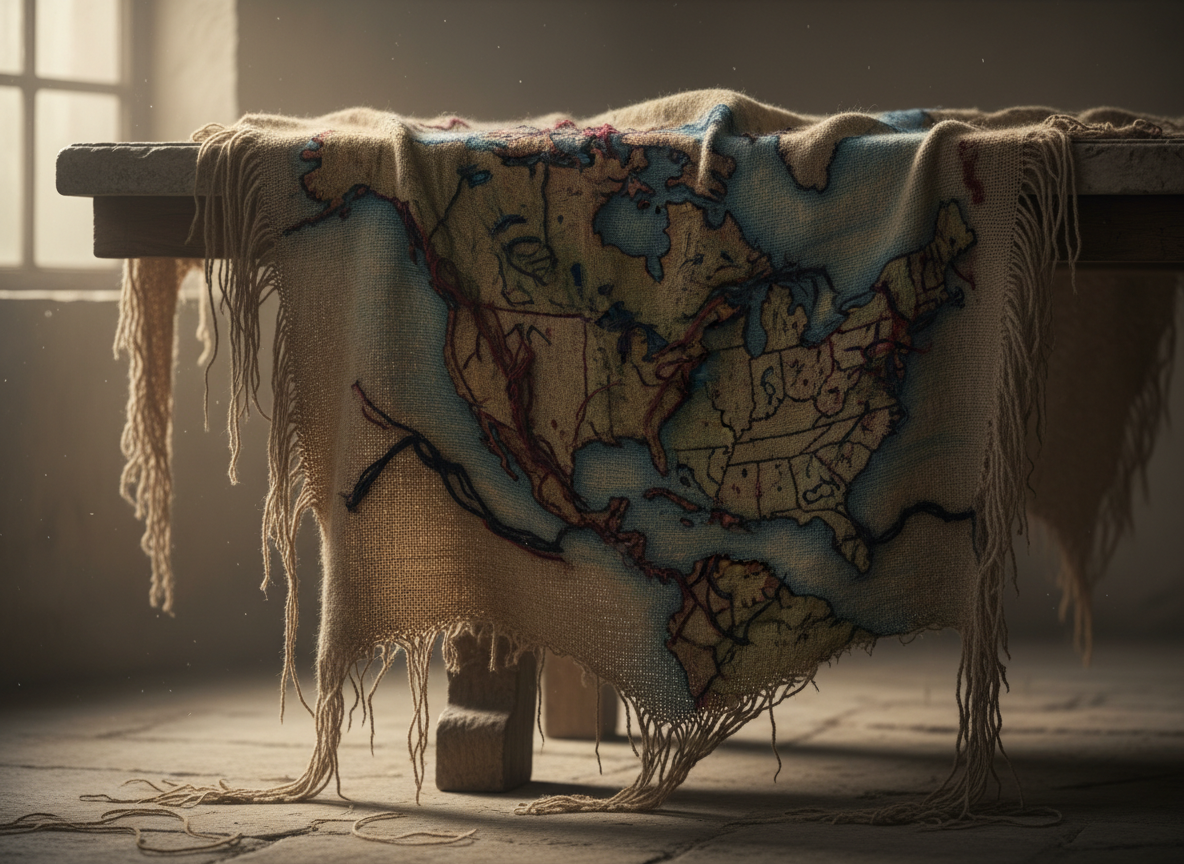
Hindsight, as they say, is 20/20. When analyzing American history and its history tapestry we usually tend to concentrate on the victories: the landing of the moon, the victory of WWII or the signing of the Declaration of Independence. However, the United States, just like any other country is characterized by its mistakes.
These were not a few cases of oops, but historic moments that changed the cultural, political and physical landscape of the nation. Between ethical disasters to financial miscalculations, the following are the most significant mistakes in the U.S. history that transformed the country permanently.
The Three-Fifths Compromise (1787)

By putting the challenge of slavery on the backburner, the Founding Fathers ensured that the southern states remained members of the union when composing the Constitution. The Three-Fifths Compromise involving counting three out of five slaves as per taxation and political representation was a failure in morality, which had catastrophic effects. It granted slave-holding states undue influence in the congress and the Electoral College over the decades. This move did not only postpone the impending battle on slavery but it actually made it a stronger firm, so that when the Civil War eventually arrived, it would be more gruesome and devastating than anyone could imagine.
The Indian Removal Act (1830)
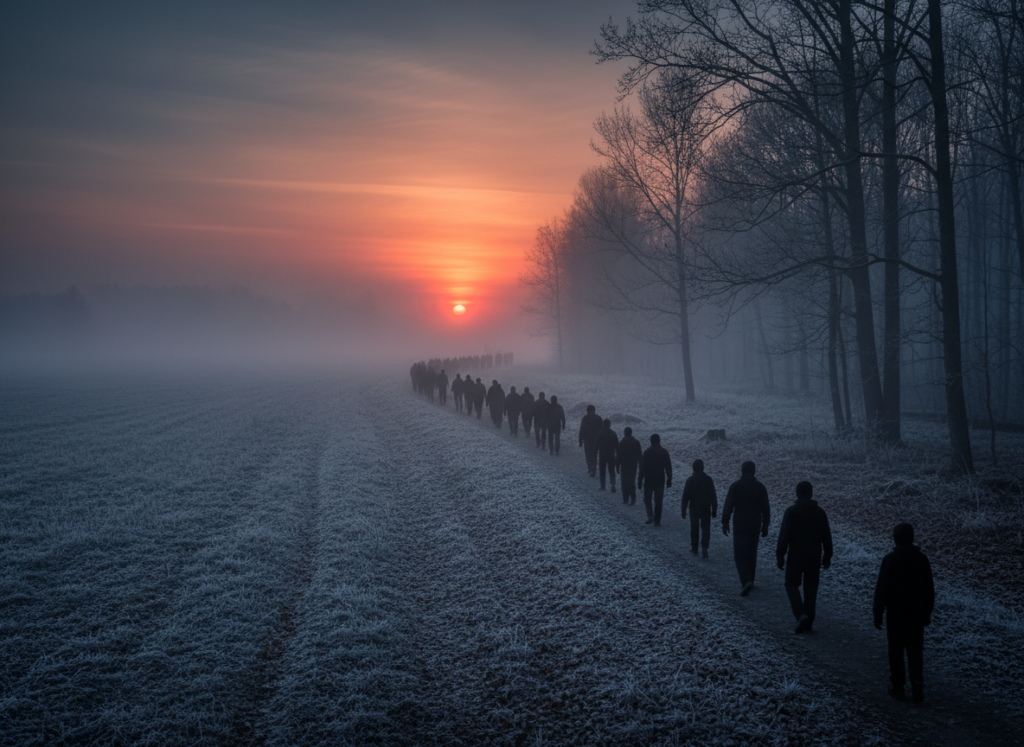
This act was signed by President Andrew Jackson, and it made the expulsion of the Native American tribes in the American South to the western part of the Mississippi legal. It disregarded earlier treaties and even a Supreme Court decision which supported Cherokee Nation. The resultant trail of tears was a humanitarian catastrophe, which resulted in the death of thousands of natives. On top of the tragedy itself, it established an unchanging pattern of how the U.S. government treated Native Americans: land and expansion would always be given precedence over human rights and sovereignty.
The Dred Scott Decision (1857)
Popularly known as the worst Supreme Court Ruling in history, the case of Dred Scott v. Sandford is the one who decided that blacks, both free and enslaved, could not be citizens of America and had no right to be subject in the federal court. Also, it proclaimed that the federal government could not exercise its power to control slavery in the territories. It did not cool the slavery controversy as Chief Justice Taney wanted; it warmed the north, horrified the abolitionists and made the Civil war all but unavoidable. This judicial disaster was reversed with a war and the 14 th amendment.
The Reconstruction (18651877) was a failure.

The period after the Civil War gave the U.S. a short period of time to actually consider the inclusion of the former slaves into the society with full rights and protection. Nevertheless, political goodwill, assassination of Lincoln and early pull out of federal troops gave the south a go ahead to enforce Jim Crow laws. The inability to implement the rights of the black Americans right after the war sentenced the country to one more hundred years of state-sponsored segregation and racial murder. The after effects of this failure are still being experienced in American social dynamics up to date.
Prohibition (1920)
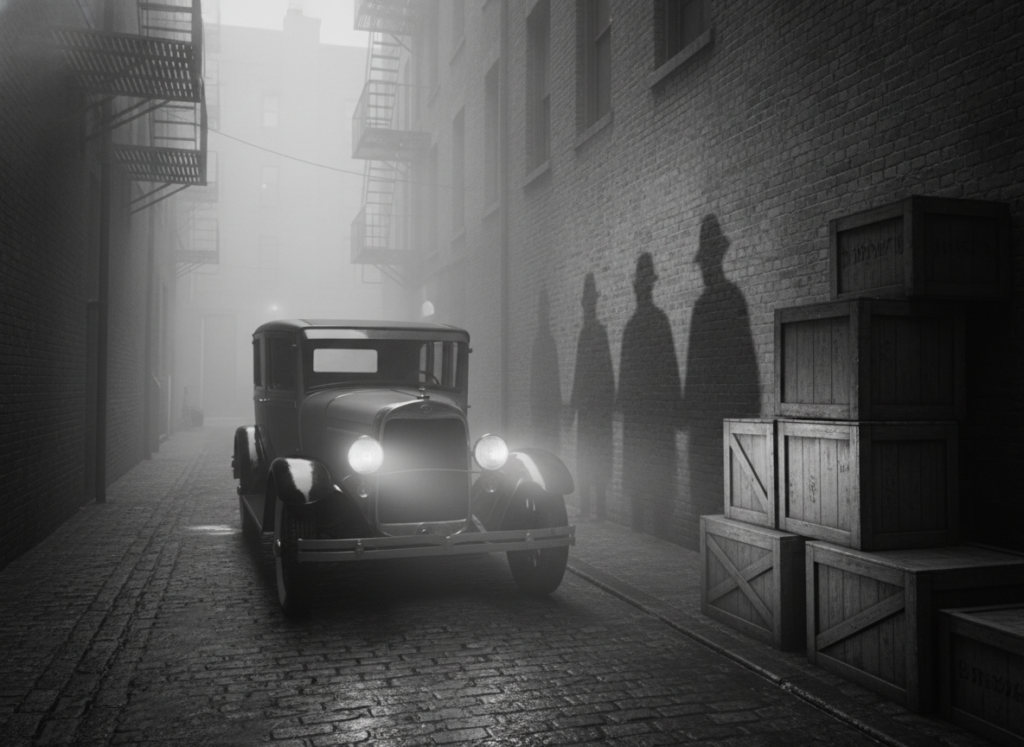
The social ills were meant to be corrected through the 18 th Amendment which prohibited the production and sale of alcohol. Rather, it has produced a huge black market and spawned organized crime. Such personalities as Al Capone did not simply get rich, they became strong enough to compete with local governments. Prohibition has made ordinary citizens criminal, and it has given the government a lesson so bitter, you cannot make laws that are moral when people are not by your side. This amendment was abolished in the year 1933, but the mafia system that it established took decades to dissolve.
The Smoot-Hawley Tariff Act (1930)

Only trying to save American farmers and businesses, which were at risk at the beginning of the Great Depression, the congress adopted the Smoot-Hawley Tariff and increased the duty on imports to unprecedented rates. It backfired spectacularly. The other countries responded with their own tariffs that led to the world trade crashing by almost 66 percent. This act did not cause the Depression but, certainly, worsened it and assisted in propagating the economic woe across the globe, which indirectly contributed to the instability that enabled such leaders as Hitler to get into power in Europe.
Japanese Americans

essentials such as food were provided as a kind of recompense to the prisoners.Japanese Americans (1942) Internment of Japanese Americans Japanese Americans were given such essentials as food as some form of restitution to the prisoners.
After the bombing of Pearl Harbor, President Roosevelt signed an order known as the Executive Order 9066 that resulted in the detention of more than 120,000 Japanese Americans. Two-thirds of them were American citizens. Among them no traces of spies were ever detected. This was a serious infringement of civil liberties using merely race and war mania. It is still a vivid reminder of how constitutional rights can be easily taken away during a period of fear.
The Bay of Pigs Invasion (1961)

This CIA funded failed invasion of Cuba was to overpower Fidel Castro. Rather, it was a humiliation loss that made Castro stronger and brought Cuba deep into the embrace of the Soviet Union. The aftermath of the incident was the immediate prelude to the Cuban Missile Crisis in the next year that is the nearest the world has ever been to a nuclear war. It also brought about lifelong mistrust in the American people about U.S. intelligence and intervention in other countries.
The Gulf of Tonkin Resolution (1964).
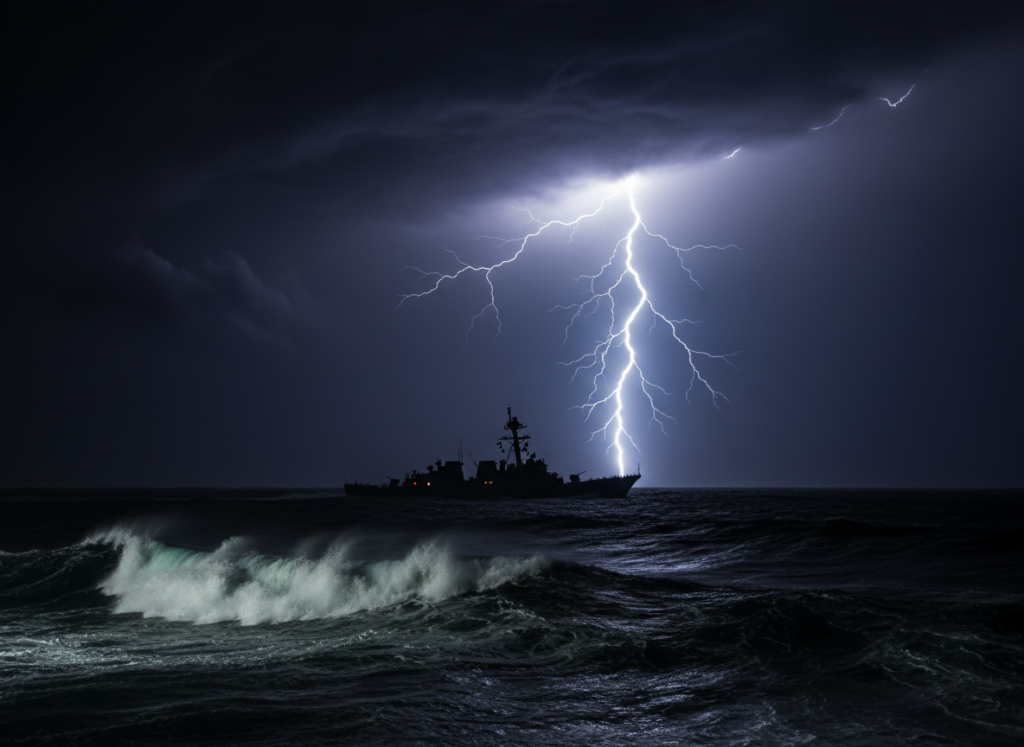
On reports of a naval battle that turned out to be overstated or even not happening, Congress voted this resolution that gave President Lyndon Baines Johnson a blank check to increase military participation in Vietnam. This resulted in an all-out ground war that cost America 58,000 lives and millions of lives of the Vietnamese. The American social fabric was ripped apart in the war, a massive generational gap was created, and the population ceased to believe the truth of the government.
Intelligence Failure on WMDs (2003).

Invasion of Iraq was made based on intelligence that Saddam Hussein had Weapons of Mass Destruction (WMDs). The absence of such weapons found made it clear that the failure to detect and analyze data about weapons was catastrophic. The war created a power vacuum by destabilizing the Middle East which created extremist groups such as ISIS. At home, it was the most expensive war in terms of money and lives, and the result was a tired American people, who turned more and more introvert and suspicious of foreign involvement.