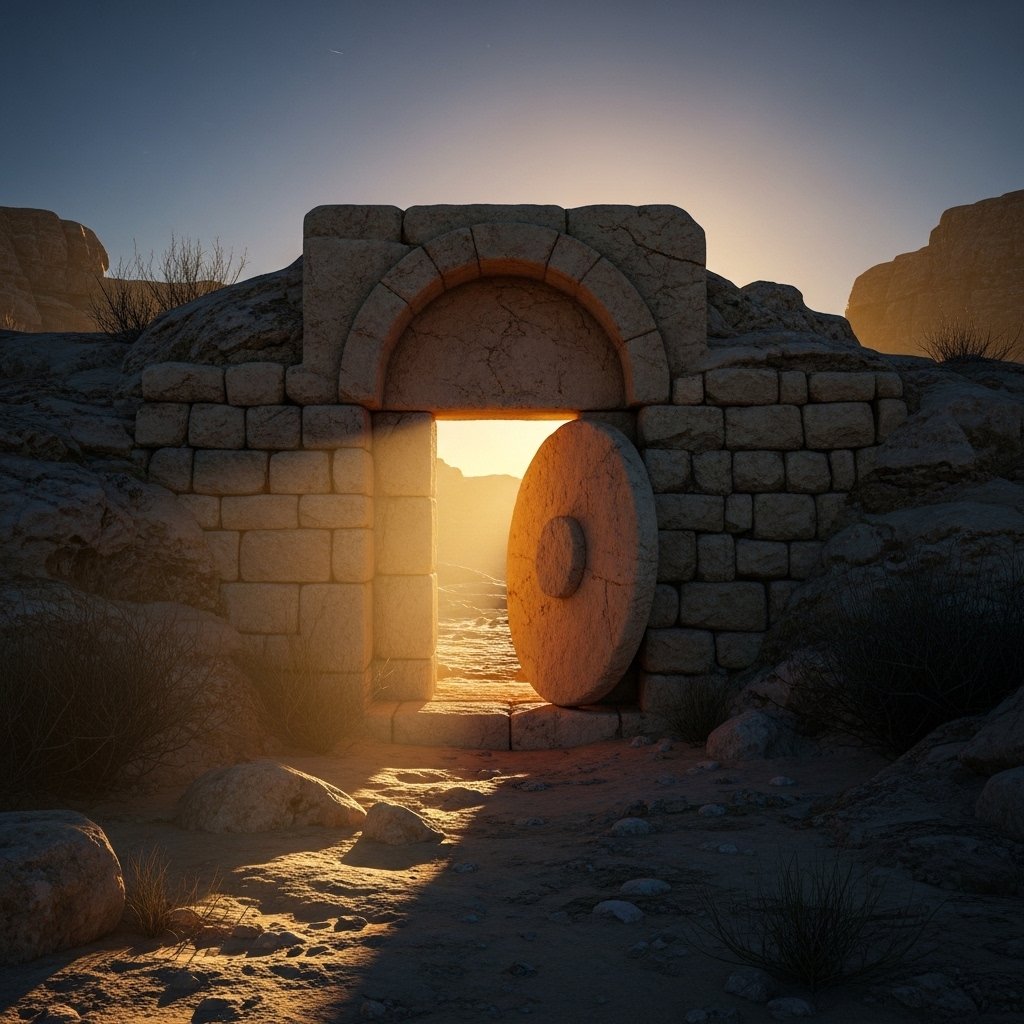
More than two billion people around the world identify as Christian, and at the center of that belief stands one defining claim: that Jesus of Nazareth rose from the dead. For believers, the resurrection is the foundation of faith. Yet historians often approach the story differently. Instead of asking what people believe, they ask what evidence from the past can reasonably show. When examined through history, language, and cultural context, the story of Jesus opens a complex conversation that has lasted for more than two thousand years.
The Historical Sources Behind the Story

Historians often point to a number of early sources that mention Jesus or events connected to him. Some are Christian writings such as the Gospels, while others come from non Christian authors in the ancient world. Scholars debate how independent these sources truly are and how close they were written to the events they describe. The existence of multiple early references gives historians material to study, but it does not automatically settle the question of miracles.
When the Gospels Were Written

One key issue in historical research is timing. The Gospels were written decades after the life of Jesus. Some scholars argue that this is still relatively close to the events in ancient historical terms. Others believe the time gap allowed stories to develop through oral tradition before they were recorded. The debate over timing plays a major role in how historians interpret the reliability of the resurrection narrative.
How Language Shapes Interpretation

Ancient texts were written in Greek, and sometimes a single word can influence how an entire passage is understood. Scholars have debated certain Greek terms that appear in biblical texts because translation choices can shape modern interpretation. Over centuries, small linguistic differences have occasionally led to major disagreements about meaning.
Comparisons With Ancient Religions
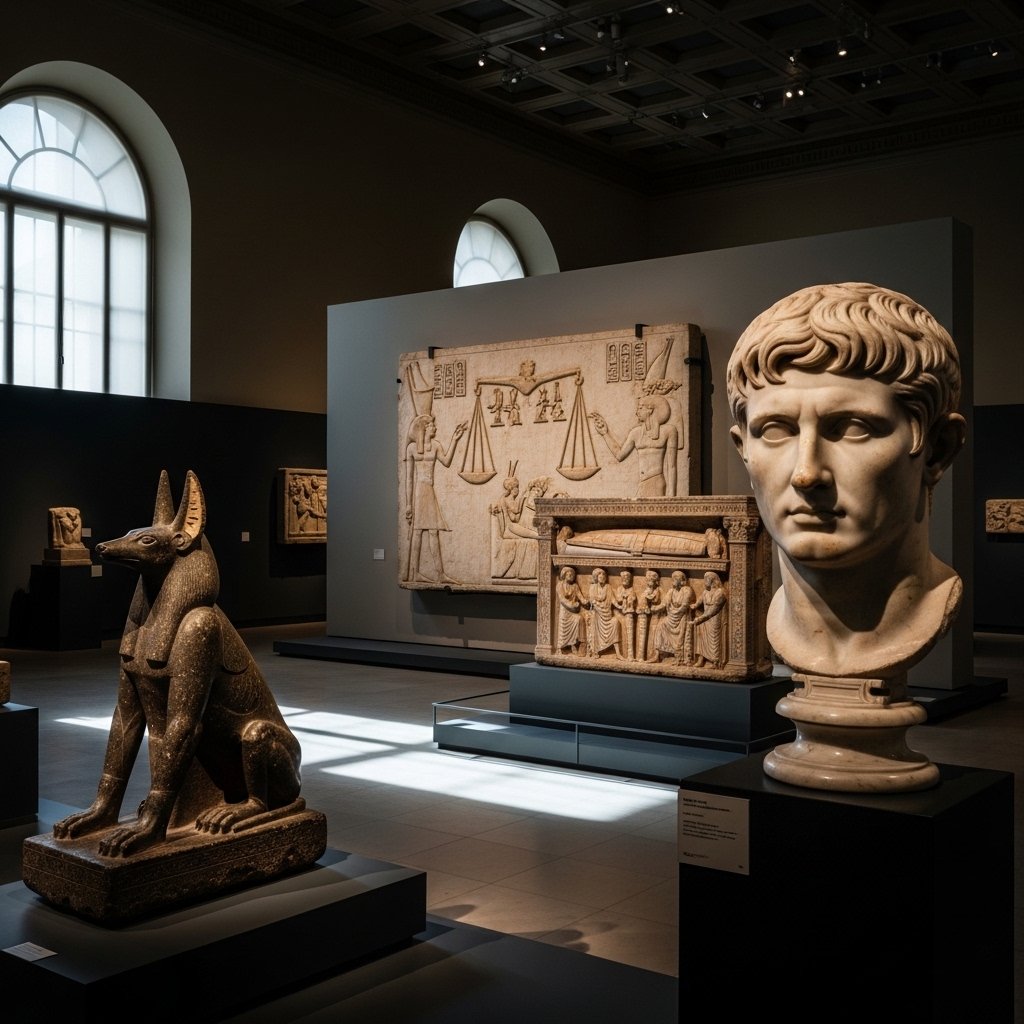
Another area of debate involves similarities between Christianity and earlier religious traditions. Some critics argue that elements such as divine births or miracle stories existed in Egyptian or Greco Roman belief systems before Christianity. Others respond that these comparisons are often exaggerated or taken out of context. The discussion highlights how religions in the ancient world interacted with surrounding cultures.
The Question of the Virgin Birth
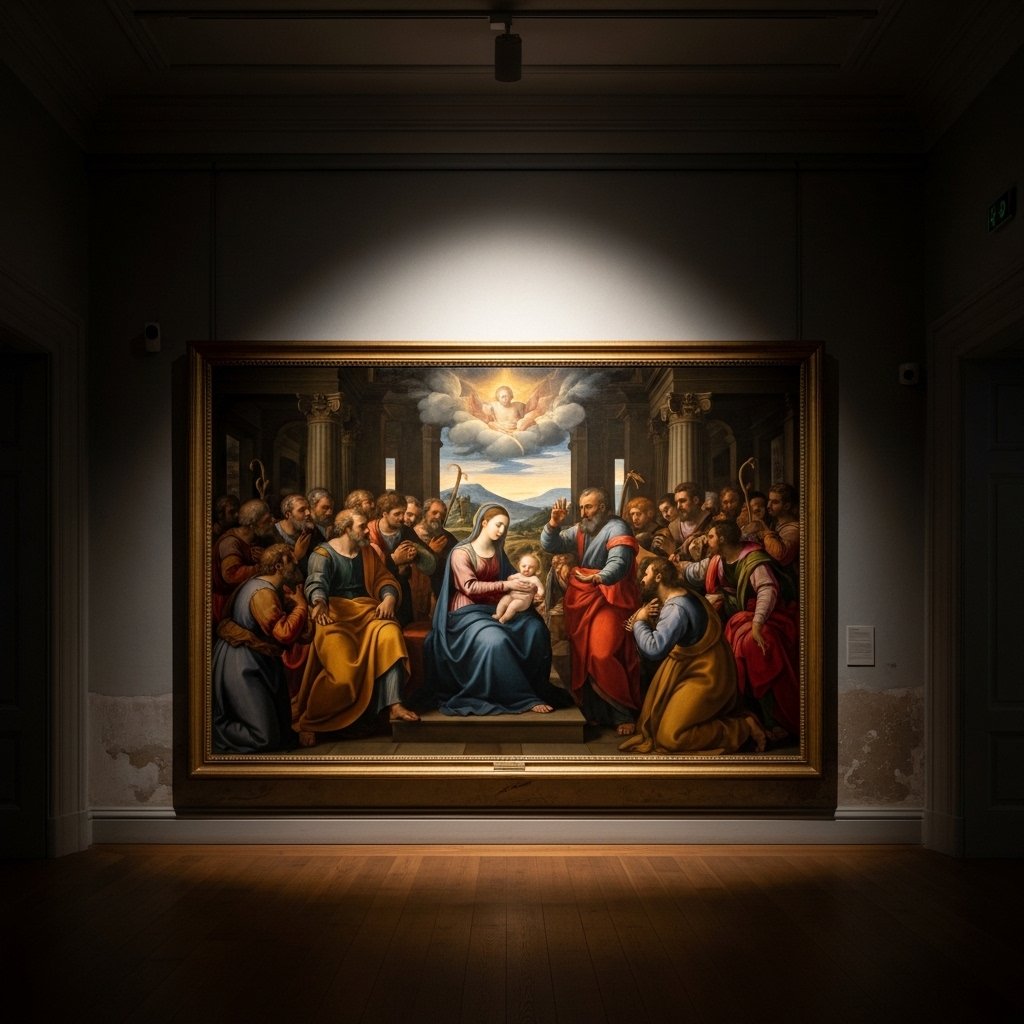
The story of a miraculous birth has sparked interest among historians and theologians alike. In the ancient world, extraordinary births were sometimes used to describe important figures or heroes. Scholars examine whether the Gospel accounts follow common literary patterns of the time or present something historically unique. This question remains a point of discussion across religious and academic communities.
Claims That Jesus Traveled to India

Over the years, alternative theories have appeared suggesting that Jesus may have traveled beyond the Middle East during his lifetime. One of the most famous claims proposes that he spent time in India. Historians generally note that there is little historical evidence supporting this idea, yet the theory continues to capture public imagination and curiosity.
The Resurrection Debate

At the heart of the conversation is the resurrection itself. For believers, it represents a divine event that confirms the identity and mission of Jesus. For historians, miracles fall outside the usual methods of historical verification. As a result, the debate often centers on whether the resurrection accounts reflect historical events, symbolic storytelling, or the early faith of the Christian community.
History, Belief, and Power
The story of Jesus has influenced cultures, politics, and societies for centuries. Interpretations of scripture have shaped institutions and beliefs across the world. Whether one approaches the subject from faith, skepticism, or historical curiosity, the conversation reveals how deeply history, belief, language, and power have been intertwined for more than two thousand years.