
History should be built on solid evidence, yet some of the most repeated “facts” are completely wrongand they refuse to die. From school lessons to movies and casual conversations, these myths survive because they’re catchy, emotionally satisfying, or useful for storytelling. The internet hasn’t killed them off; if anything, they spread faster. Here are 7 of the most stubborn historical misconceptions, along with what the evidence actually shows.
Napoleon Bonaparte Was Unusually Short
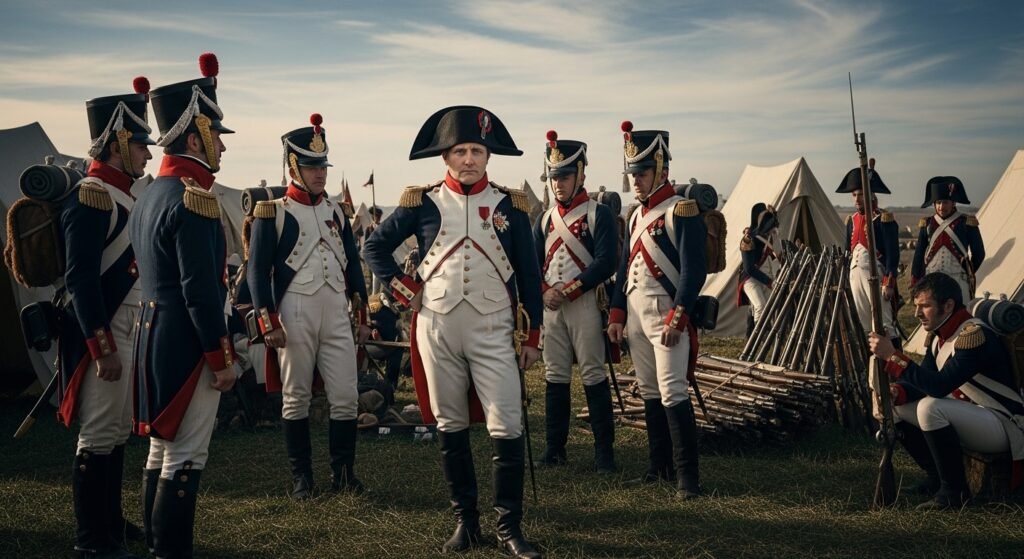
The image of a tiny, angry Napoleon is pure British wartime propaganda. Caricaturists like James Gillray drew him as a diminutive figure with an oversized hat to mock him. In reality, Napoleon stood about 5 feet 6 inches (French feet measurement) average or even slightly above average for French men of his era.
Vikings Wore Horned Helmets
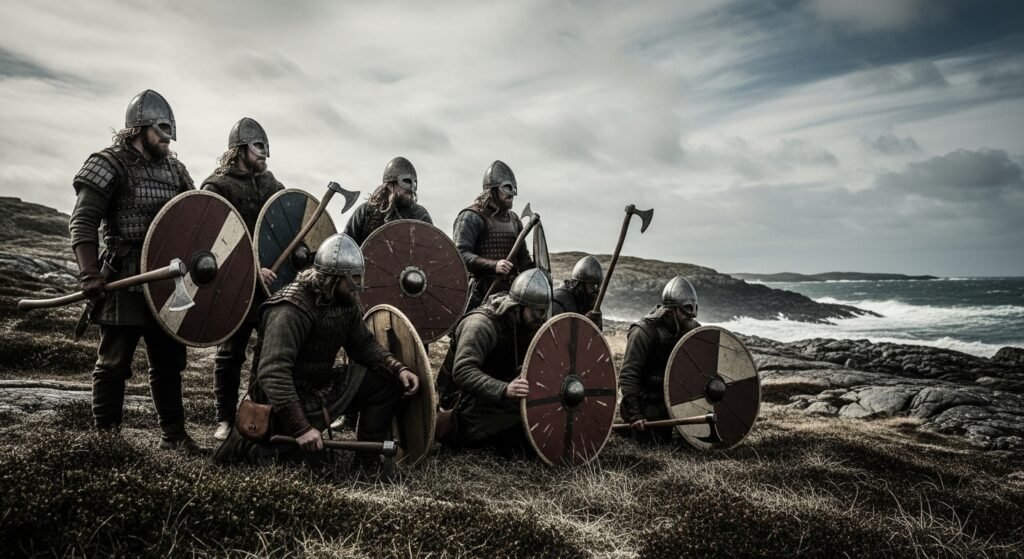
The iconic horned Viking helmet exists everywhere from opera stages to football logos, but no real Viking warrior wore one. Archaeological finds show simple, practical iron helmets without horns. The myth started in the 1870s when costume designer Carl Emil Doepler created dramatic horned versions for Wagner’s Ring cycle operas. Horns would have been useless and dangerous in battle anyway.
The Egyptian Pyramids Were Built by Slaves
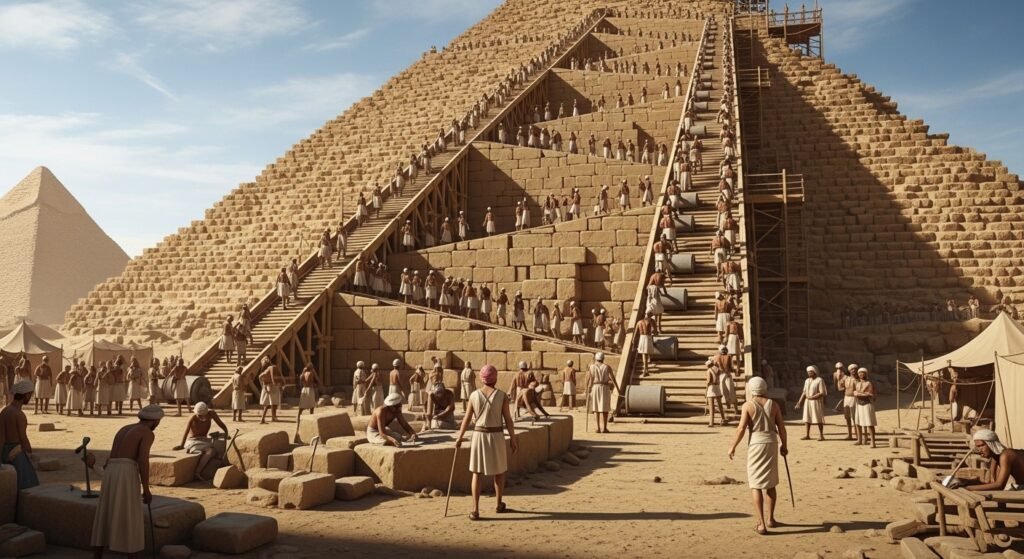
Hollywood loves showing whipped slaves dragging stones under brutal conditions, but archaeology paints a different picture. Excavations at Giza uncovered workers’ villages, well-fed remains, and tombs for skilled, paid laborers Egyptian citizens, not enslaved people. Pyramid building acted more like a massive public works project that provided jobs, food, and wages.
Medieval People Believed the Earth Was Flat

This myth paints medieval Europeans as ignorant and superstitious, with Columbus bravely proving them wrong. Educated people in the Middle Ages knew the Earth was roundknowledge inherited from ancient Greek astronomers. The flat-Earth idea was popularized in the 19th century by writers like Washington Irving in his romanticized (and largely fictional) biography of Columbus. The real debate was about the Earth’s size, not its shape.
Marie Antoinette Said “Let Them Eat Cake”
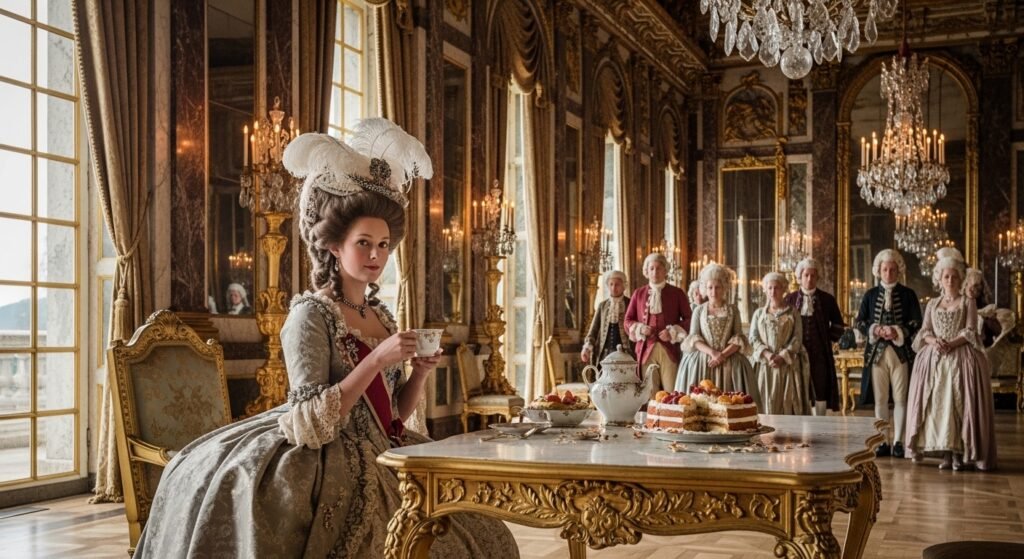
The phrase perfectly captures royal arrogance, but she never said it. The quote appeared in French literature decades earlier and was attributed to other queens before her. Revolutionary propagandists pinned it on Marie Antoinette to fuel public outrage and portray her as heartless and disconnected from the suffering of ordinary people.
Columbus Discovered America
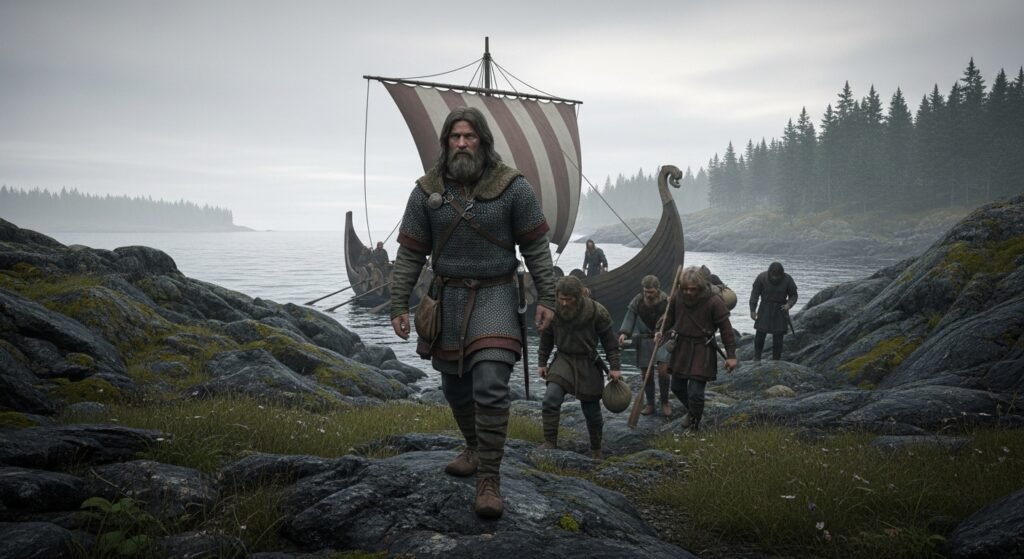
Columbus did not “discover” a land already home to millions of Indigenous peoples for thousands of years. Norse explorer Leif Erikson reached North America around 1000 AD, nearly 500 years earlier. Columbus never even set foot on the mainland of what is now the United States. She landed in the Caribbean and died believing he had reached Asia.
Albert Einstein Failed Math in School

This story comforts anyone who struggled in school: even Einstein failed math and still became a genius. Except he didn’t. Einstein excelled in mathematics from a young age, mastering calculus by 15. He did fail the entrance exam to Zurich Polytechnic at 16 but mainly because of non-math subjects like French. The myth probably stems from a mix-up over that one exam.