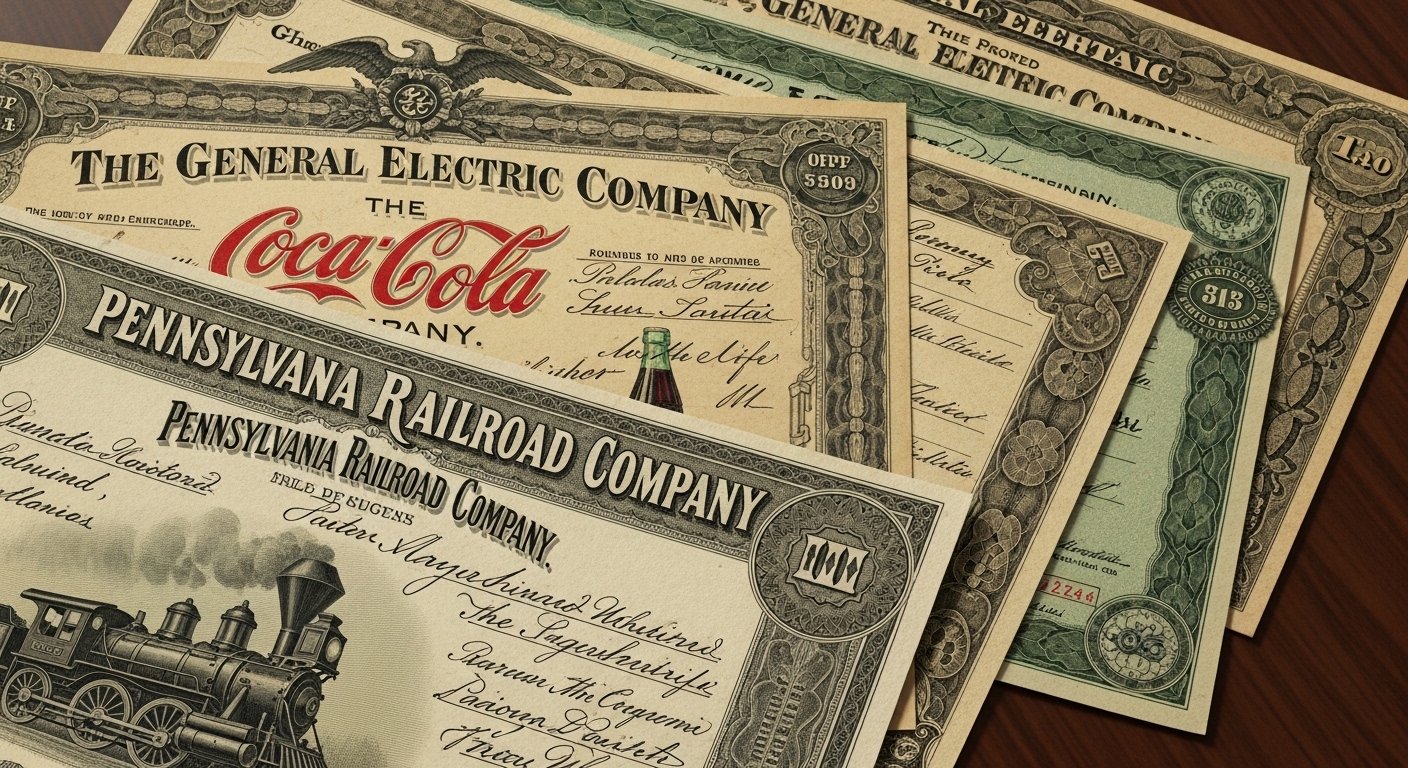
It was when ambition came by express, and was written in ink and promise. Now anyone would own something printed on some bulky piece of paper, embossed in gold, pre-application. Stock certificates were not only financial instruments. They were professions of belief. They live now merely as relics, mumbling their tales of meteoric achievement and brilliant downfall.
The Romance of Paper Wealth

Back in a trading floor, when the screens showed real time charts, investors used to put their stakes in their hands. Stock certificates were a symbol of trust to railroads, the oil rigs, telephones and steel mills. Being in a part of a company was physical, nearly personal. Decades of ambition, speculation and hope had been absorbed in their paper fibers.
The Railroad Giants that Lost their Steam

Railroads were the growth lifelines in the 19th century. Investors were of the opinion that iron tracks would bind the country together forever. Mismanagement, debt and the changing economic winds however made giants into cautionary stories. The bankruptcy of Penn Central in 1970 was among the biggest in the history of the United States. Instead of dividends, collectors today appreciate them because of the drama that they narrate.
When the Energy Empires Collapsed

There are not many scandals as shocking as Enron. Enron was proclaimed as creative and invincible at the top. Scandals in accounting revealed serious flaws and the company went bankrupt in 2001. Investors holding certificates finished losing nearly all their value within a period of a few days. It just left behind a bitter lesson of a clear lesson on transparency, corporate governance and the perils of uncontrolled growth.
Dreams of Technology That Failed

Businesses vowed to transform business, communication and culture by the end of 1990s. These included Pets.com, a brand that was associated with the zeal of the dot com bubble. Its stocks were once the promise of a new dawn. But as the amount of money did not come in, the energy was lost. By 2000, Pets.com was gone. The now-so-called paper shares are little more than a memento of an era when wishful thinking was often more than feasible.
The Business Soapheads Who Slumbered Away
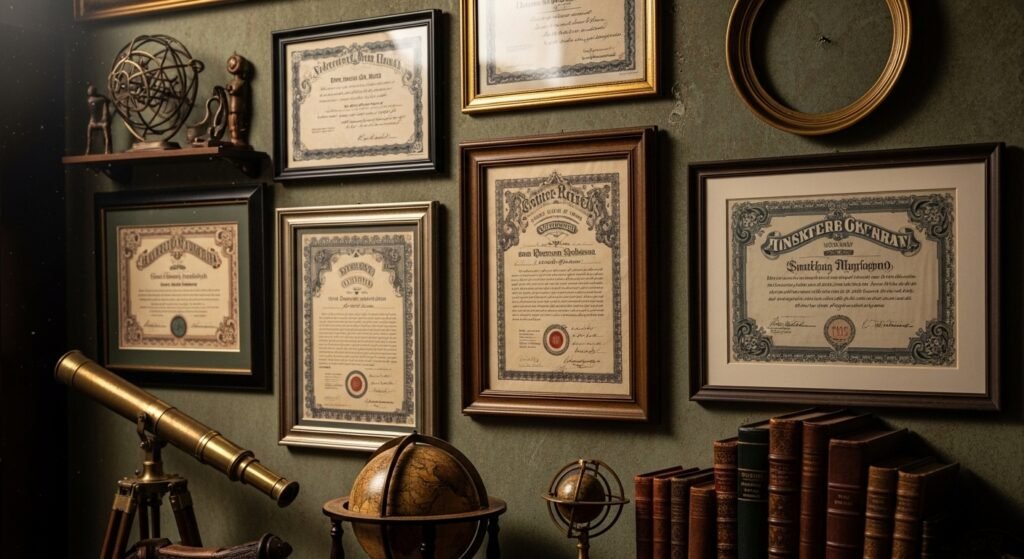
Once powerful manufacturers that served as sources of local economies consolidated, changed brands or disbanded altogether. Their certificates are stored in attics and antique shops, either finely engraved, but empty of money. These reports reflect the shifts in the production, globalization and consumerism. They have the effect of reminding us that markets reward adaptation. Those companies that will not be able to evolve will turn into a footnote of economic history.
Turning Financial Tool into an Artifact of Collection

In the present day, trading is conducted electronically most. Paper stock certificates are virtually extinct, and the records are now stored on a digital basis within the accounts of the brokerages. But old certificates are valued by collectors, both as art and as history. This is called scripophily and makes unsuccessful investments into the form of a collector item. The certificate of a deceased firm may be a valuable piece of art than it was a valuable piece of equity. It is a strange irony: the loss of money turned into the value of culture.
The Lessons of These Certificates
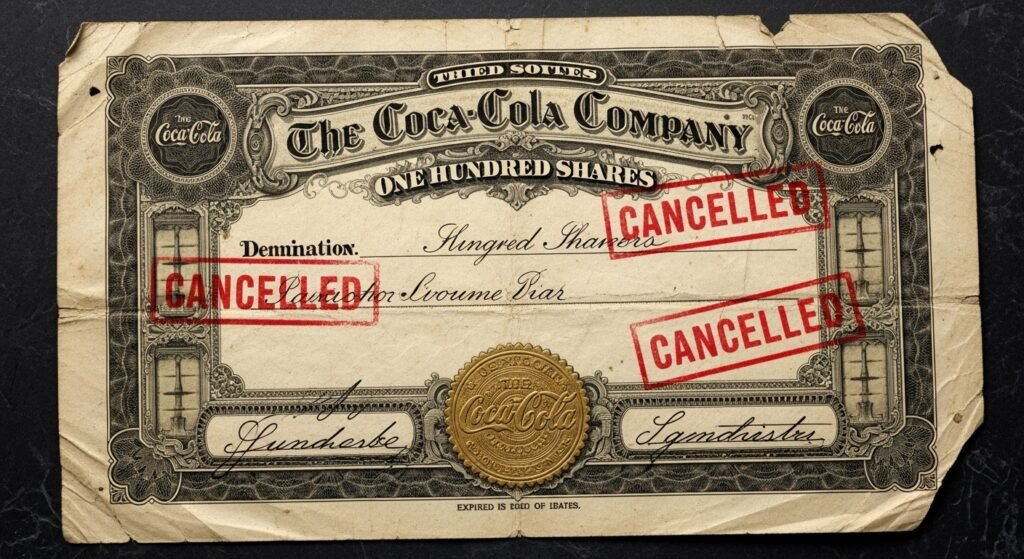
Every expired certificate is an indication of optimism that drives entrepreneurship and instability that characterizes markets. The history of the ups and downs of the companies that are kept in stock certificates can remind the people of the fact that success is not very long-lasting. The lesson in paper and ink is to invest with wisdom, ask questions, and always keep in mind that all the empires, however stable they may seem, stand in the stream of time.