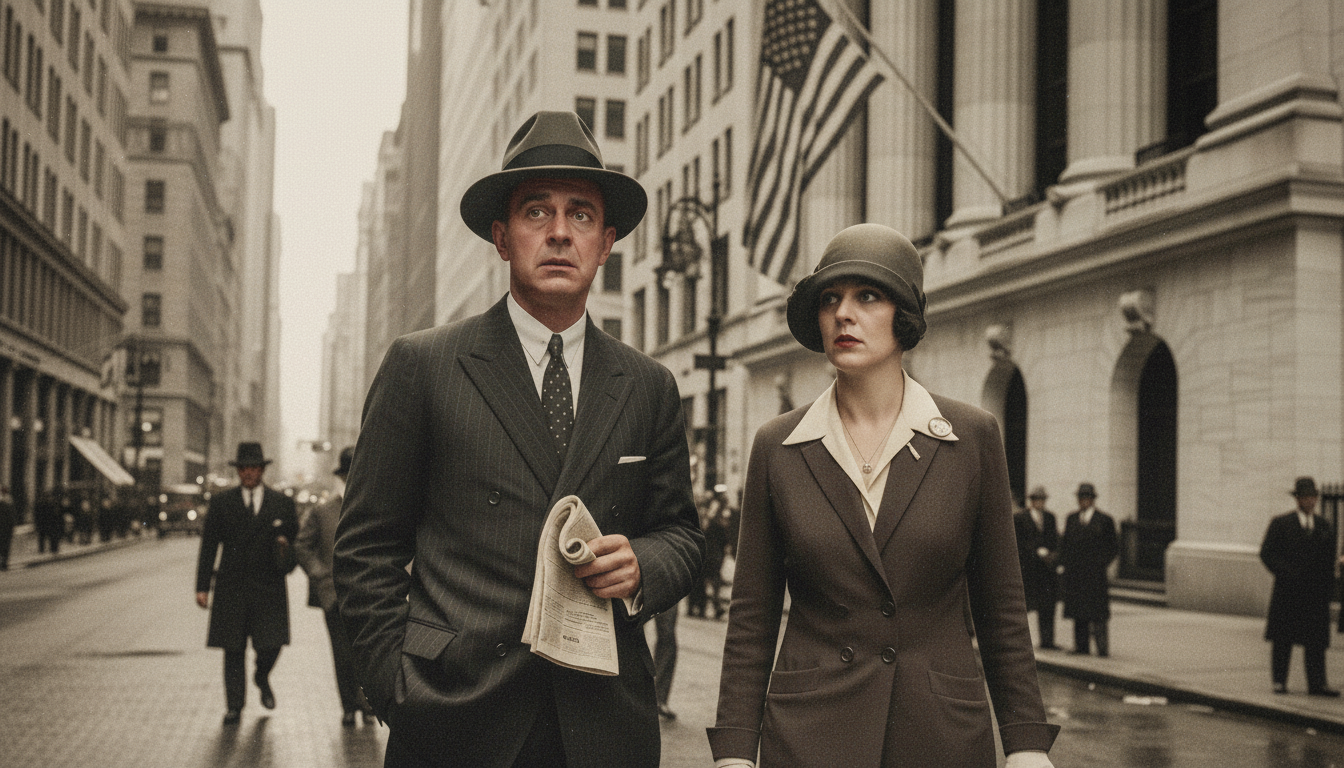
On October 25, 1929, panic swept through the Wall Street Crash of 1929 and shook financial confidence across the United States. The following morning investors returned to the New York Stock Exchange hoping the worst had passed. Instead, uncertainty lingered across trading desks and brokerage offices. The Dow Jones Industrial Average had already fallen sharply, and many feared deeper losses. Newspapers reported anxious crowds and cautious trading. What happened that day helped signal the beginning of the Great Depression, a period that would reshape economies, businesses, and personal savings for many years to come across the industrial world.
Morning After Panic
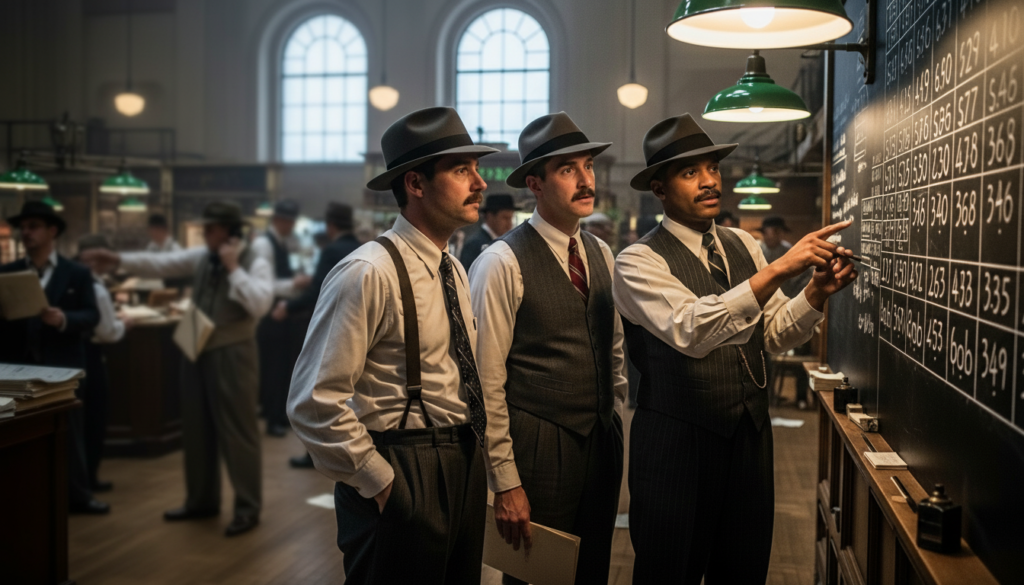
When trading opened the day after the 1929 crash, anxiety filled trading floors. Investors watched prices closely, hoping losses would stabilize. Instead, uncertainty lingered as heavy selling continued and confidence across Wall Street weakened today.
Crowded Trading Floors
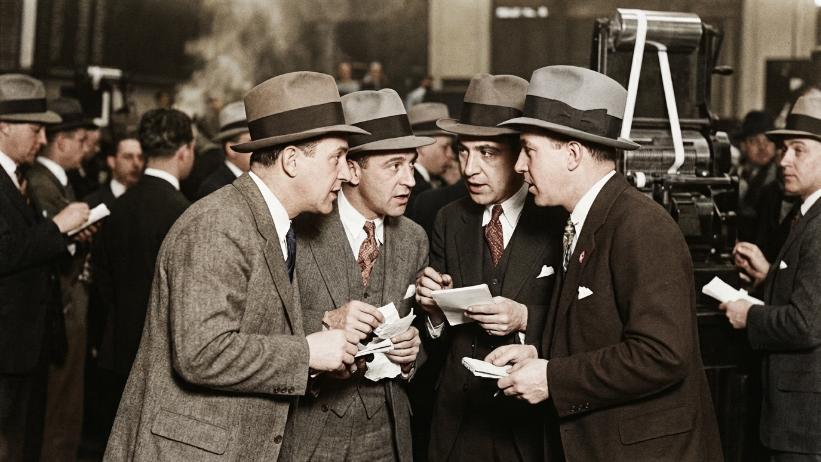
Crowds of brokers gathered early at the exchange seeking direction. Phones rang constantly as orders poured in. Some hoped bargain prices would appear, yet many feared deeper declines. Uncertainty ruled the busy floor that morning.
Prices Still Sliding
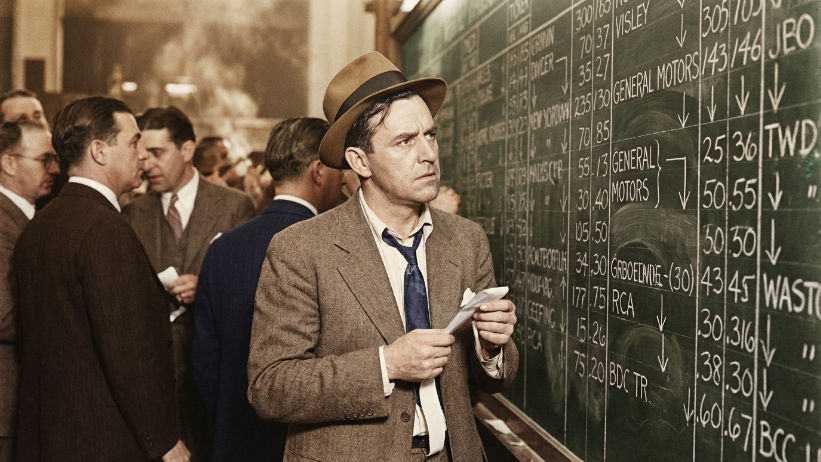
Even after the collapse prices did not immediately recover. Many stocks continued drifting downward as worried investors tried to limit damage. The market showed fragile confidence and little clear sign of quick stability that day.
Bankers Urging Calm
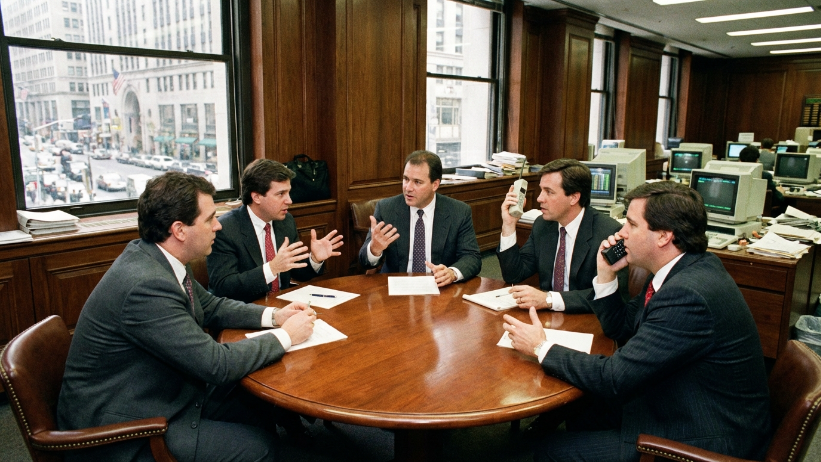
Bankers and financial leaders tried to reassure investors through statements and conversations. They urged patience and discipline believing confidence could return gradually. Still nervous traders listened carefully while watching prices move minute by minute again.
Small Investors Watching
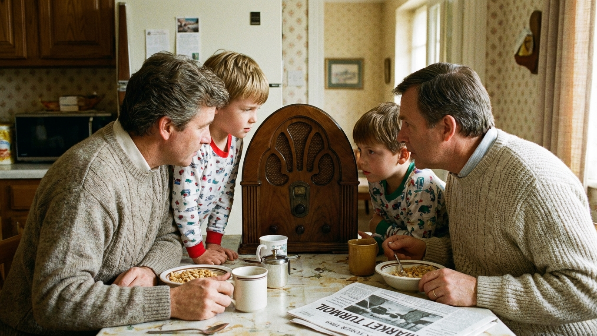
Across the country small investors followed newspaper updates and radio bulletins. Many households had savings tied to stocks and waited anxiously for signs of stability. Uncertainty reached beyond trading rooms into homes offices and streets.
Newspaper Headlines
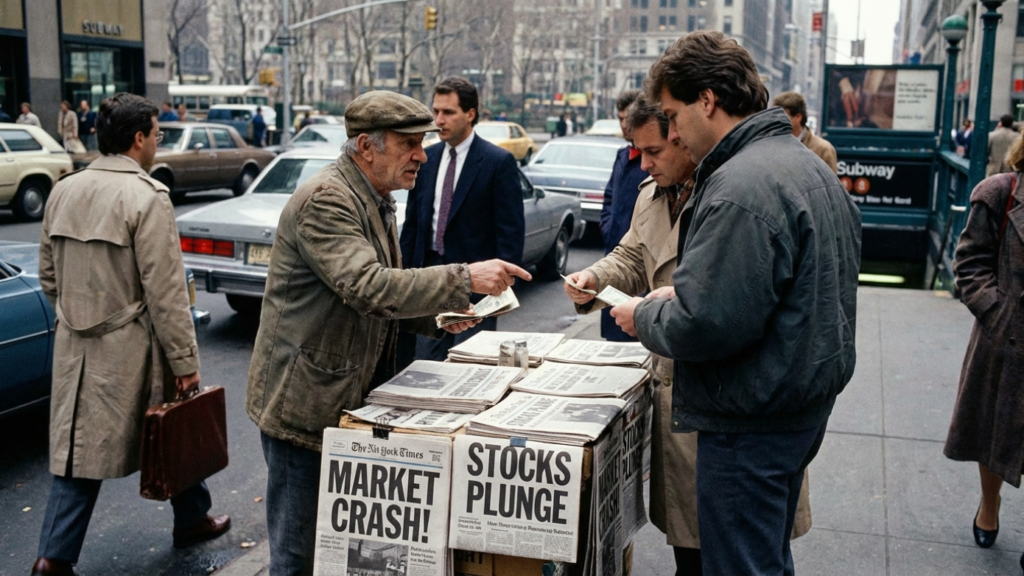
Morning newspapers carried large headlines describing the turmoil. Editors attempted careful explanations about falling values and market nerves. Readers searched each paragraph for reassurance but most reports reflected caution uncertainty and a long economic shadow.
Government Observing
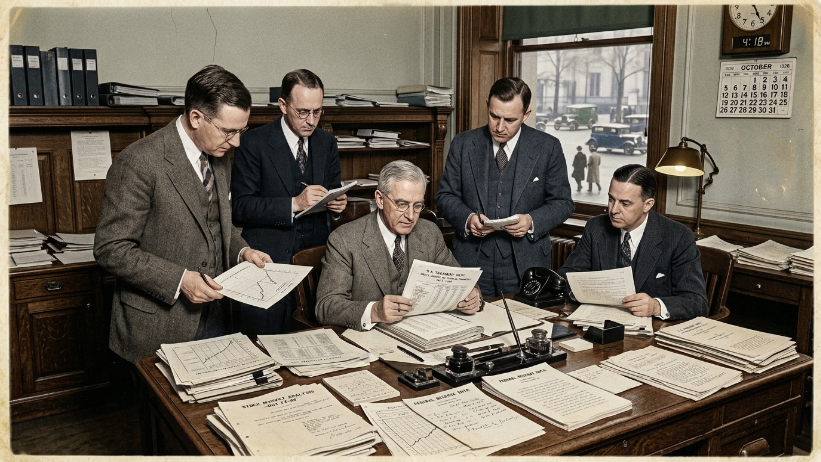
Officials in Washington monitored developments closely. Economic advisers reviewed reports from bankers and exchanges. Although immediate action remained limited discussions about financial stability quietly began behind office doors as leaders studied the troubling signals carefully.
Cautious Bargain Hunters
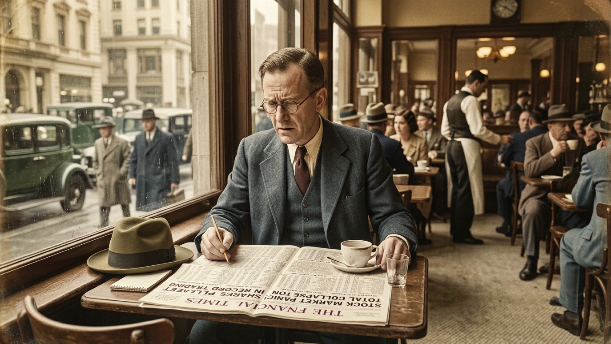
A few experienced investors quietly searched for undervalued shares believing panic sometimes created opportunity. They moved carefully placing small orders rather than bold bets. The mood remained cautious because further drops seemed possible that day.
Strain on Brokers
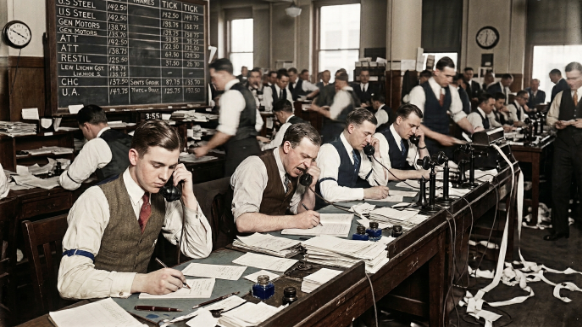
Many brokerage offices worked nonstop answering calls and processing orders. Clerks wrote notes rapidly while brokers tried to guide worried clients. The intense pace reflected how deeply the market turmoil touched businesses families and savings.
Confidence Shaken
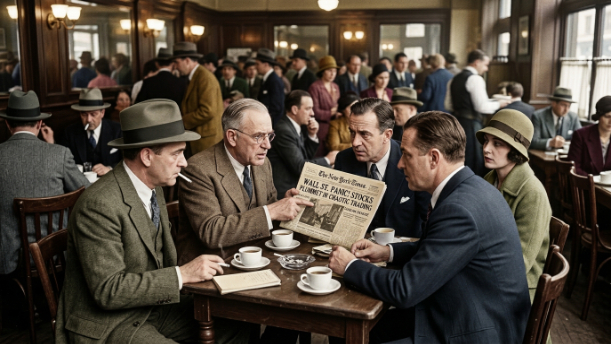
The events surrounding the crash damaged public confidence in financial markets. Investors who once trusted steady growth now questioned risks. Conversations across offices trains and cafés focused on uncertainty and the future of American finance.
Beginning of a Long Crisis
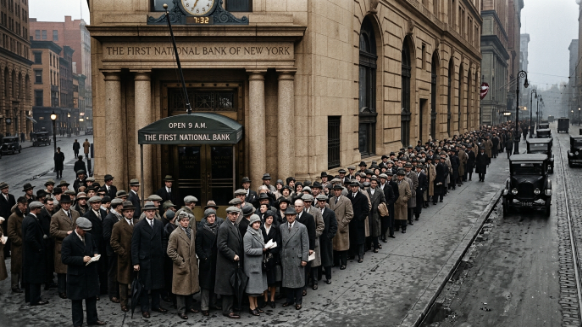
Historians later viewed the days after the crash as the opening stage of a deeper economic struggle. The market turmoil soon connected with bank failures shrinking business activity and rising unemployment shaping the decade ahead.