
In a time when artificial intelligence assists with writing, research, and planning, many leaders still value the discipline of thinking through ideas on their own. The chairman of OpenAI has explained that when preparing notes for board meetings, he prefers to write them without the help of AI tools. His choice is not about rejecting technology. Instead, it reflects how careful thinking and reflection help leaders clarify complex decisions. Writing personally forces a deeper review of strategy, risks, and priorities. Board discussions often shape the direction of major organizations. For that reason, the preparation process becomes just as important as the meeting itself.
Clear Personal Thinking
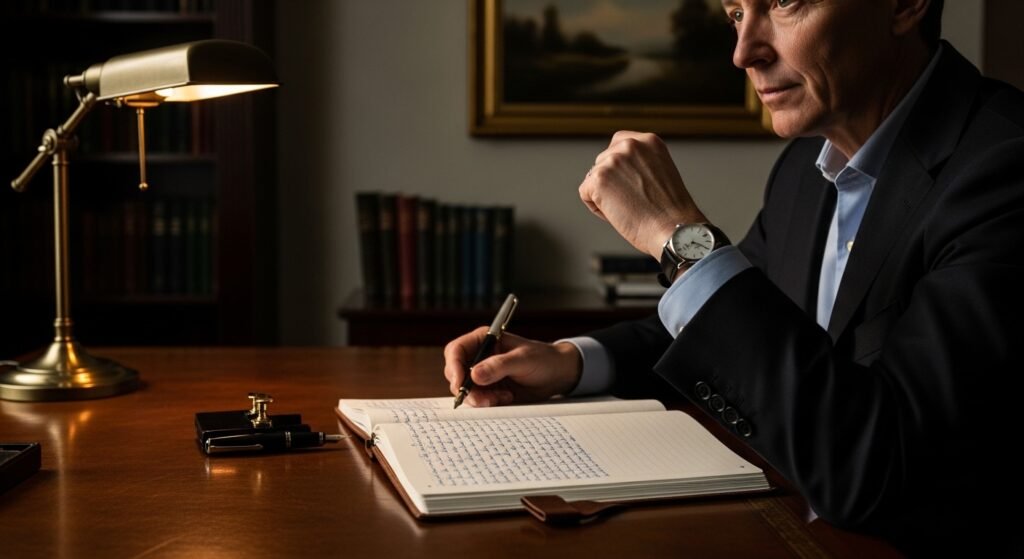
Writing notes personally allows the chairman to organize ideas carefully. Each sentence requires thought. The process slows the mind in a useful way. It helps identify weak assumptions and sharpen the main arguments before presenting them to the board.
Deeper Understanding of Issues

Board meetings often involve complicated business decisions. Writing preparation notes without automation encourages deeper reflection. Reviewing numbers, risks, and long-term outcomes becomes more meaningful when ideas are formed through careful personal analysis.
Better Strategic Clarity

Leadership discussions depend on clear strategy. By preparing notes himself, the chairman builds a structured outline of priorities. This method helps him focus on what truly matters for the organization rather than relying on automated summaries.
Stronger Ownership of Ideas

When leaders draft their own preparation material, they develop stronger ownership of their ideas. Each point reflects personal judgment and responsibility. This approach encourages confidence when discussing plans, challenges, and possible solutions during board sessions.
Improved Communication with Directors

Board members expect clear reasoning behind every proposal. Personal note writing helps shape direct and thoughtful explanations. It ensures the chairman can present complex information simply, which makes discussions more productive and balanced.
Encouraging Careful Decision Making

Artificial intelligence can assist with many tasks, but strategic leadership often requires careful pause and reflection. Writing without AI support allows more time to question assumptions and evaluate the potential consequences of each decision.
Strengthening Analytical Skills

Preparing board material personally keeps analytical skills active. Leaders remain closely connected to financial data, operational updates, and long-term planning. The practice prevents overdependence on automated analysis when human judgment is essential.
Preserving Leadership Discipline

Regular preparation builds discipline. Writing every note by hand or through personal drafting encourages consistency and accountability. This habit helps leaders remain fully engaged with the organization’s progress and emerging challenges.
Encouraging Thoughtful Reflection

The process of writing encourages reflection on past outcomes and future priorities. Reviewing earlier decisions becomes easier when ideas are written carefully. It allows the chairman to connect long-term goals with the issues discussed in each meeting.
Maintaining Authentic Voice
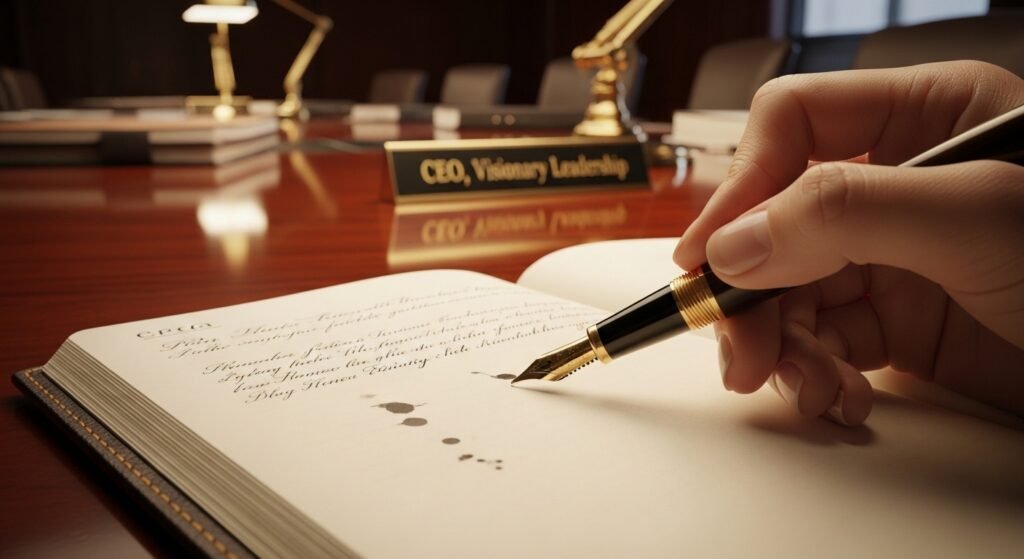
Board communication often reflects the leader’s vision. Personal writing preserves a consistent voice and tone. It ensures that key messages represent genuine thinking rather than sounding like a polished but impersonal automated summary.
Using Technology with Balance

The chairman supports innovation and advanced tools, yet he believes balance matters. Artificial intelligence can support research and efficiency. However, critical leadership thinking benefits from human effort, especially when preparing for important board discussions.