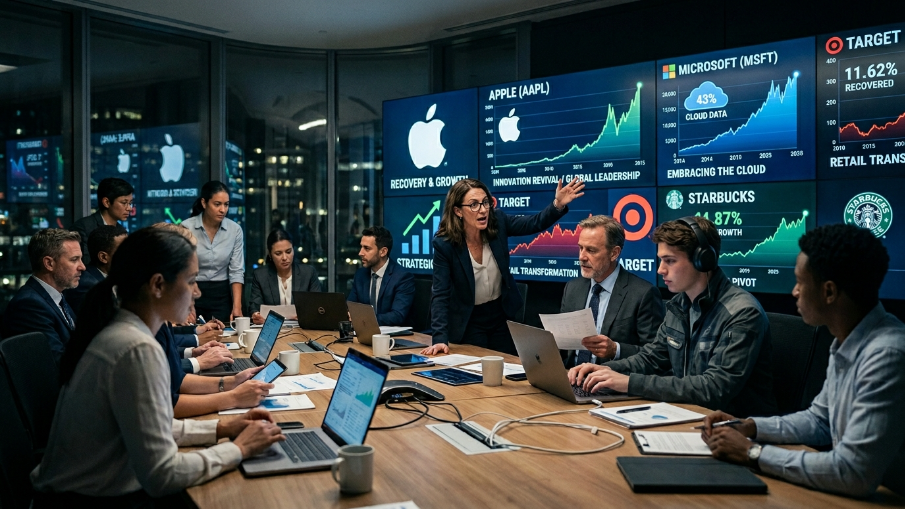
Any business age brings forth companies that were discounted, dismissed and simply slipped out of the discussion. Then, something changed, a leader, a product, a decision, or a philosophy and the story flipped at an accelerated pace that left many whole industries with nothing to talk about. These are not books of small recoveries and small comebacks. They are the most dramatic, consequential and pure inspirational corporate comeback in terms of business in the modern world.
Apple’s Resurrection
In 1997, Apple had ninety days before it became bankrupt. Steve Jobs came back, cut the product line by 70 percent, introduced iMac, and initiated one of the most successful company turnarounds ever in American history. The firm that was about to die out was the first in history to achieve the three trillion dollar market value. Ninety days since was best of all time.
Marvel’s Miracle
In 1996, overwhelmed by debt, Marvel Comics went bankrupt but extended its debt and financed film production. The Marvel Cinematic Universe began with Iron Man in 2008, leading Disney to acquire it for four billion dollars, transforming it from a bankrupt publisher to a top entertainment brand.
Ford Survives Alone
In 2008, during the financial crisis, Ford rejected a government bailout while GM and Chrysler accepted one. This decision saved Ford’s brand and restored American confidence, making it the strongest domestic car company of that time.
Nintendo Levels Up

Having failed with their Virtual Boy and with their hardware market share decreasing to Sony and Microsoft, Nintendo seemed to be reduced to a mere shell as a hardware company. Then came the DS and the revolutionary Wii, introducing a new category of gamers and revitalizing Nintendo as a creative, profitable entertainment company.
Starbucks Rebrands
By 2008, Starbucks’ aggressive expansion diluted its brand, causing a 75% stock drop. Howard Schultz returned as CEO, closed underperforming stores, retrained baristas, and refocused on the high-end coffee experience. Starbucks emerged from this crisis stronger and more dominant globally.
Lego Rebuilds
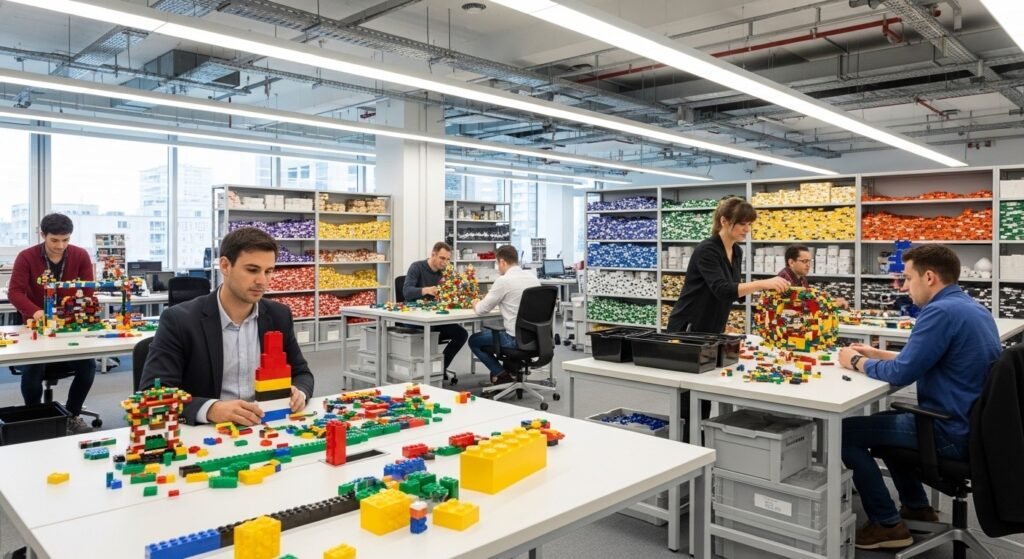
Lego almost imploded at the start of the 20th century due to haphazard product diversification, oversized inventory, and disastrous losses that put the company out of business. The radical simplification business plan, of coming back to the basics of selling bricks, licensing blockbuster entertainment deals, and reconstructing its adult fan base, made Lego the most lucrative toy company in the world.
Netflix Pivots
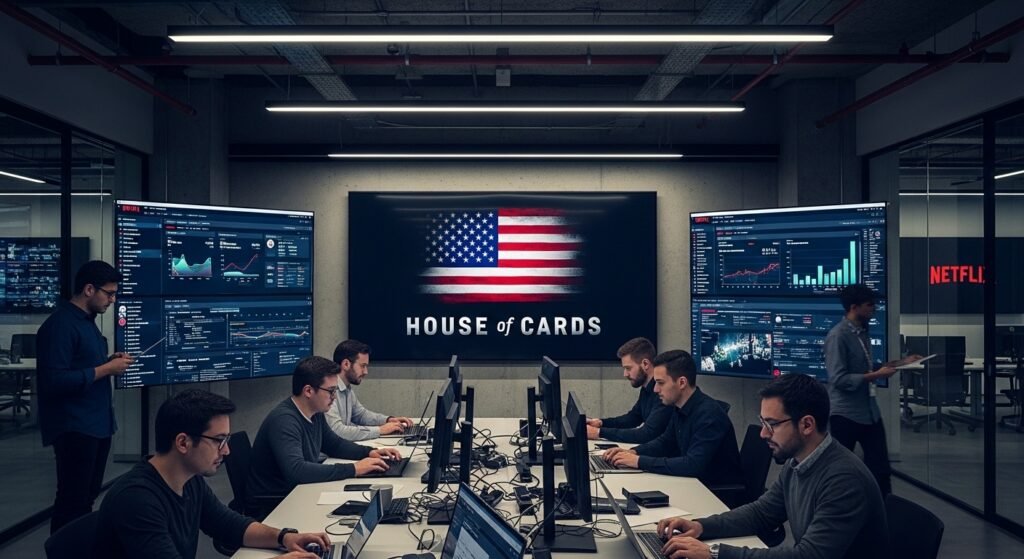
In 2011, Netflix notoriously separated its DVD and streaming offerings and called the DVD business unit Qwikster, lost 800,000 subscribers in one quarter, and its shares fell 77 percent. Reed Hastings changed his course and bet everything on streaming and made the bet of the decade, the original content. The House of Cards made everything different, and Netflix did not look back any further.
Howard Hughes Medical

The revival of General Electric after its decline during the 2008 financial crisis is a complex turnaround. GE, burdened with debt as a super-conglomerate, improved by systematically selling non-core businesses, restructuring finances, and refocusing on manufacturing, restoring credibility and efficiency.
Domino’s Reinvents
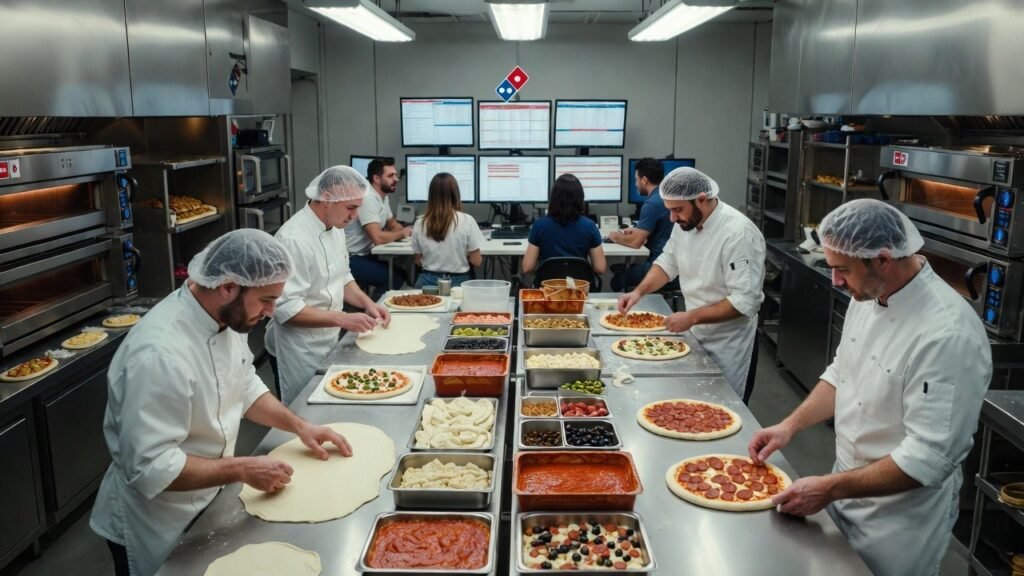
In 2010, Domino’s Pizza did what no other leading American food brand had ever done in public view. It confessed that its product was simply horrible, it even ran commercials that its customers complained about, and it overhauled its entire pizza recipe to an overhaul. The campaign generated significant media coverage, rebuilt customer trust through openness, and achieved over 2,000 percent return in the next decade.
Old Spice Roars
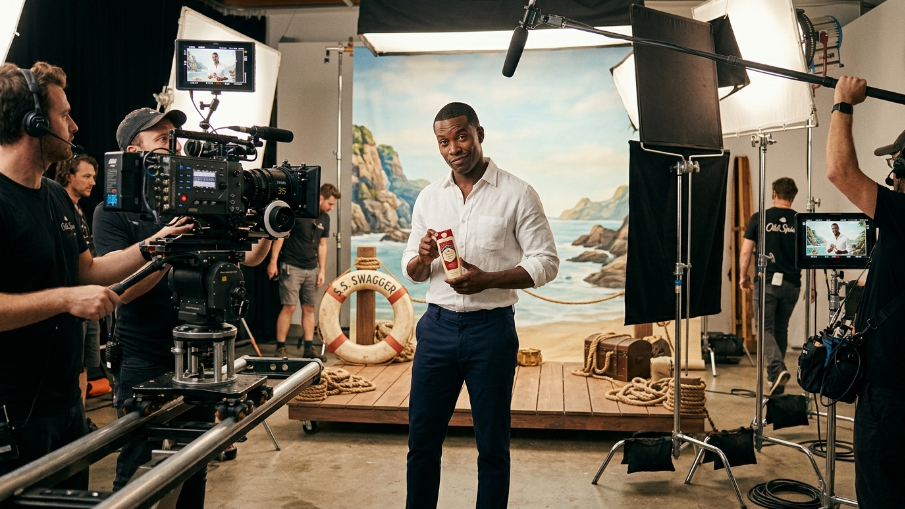
By 2010, Old Spice had become an outdated deodorant brand that younger American men had abandoned for newer options. However, the viral campaign “The Man Your Man Could Smell Like” transformed the brand overnight, captivating a new audience and becoming a landmark in American advertising rebranding.