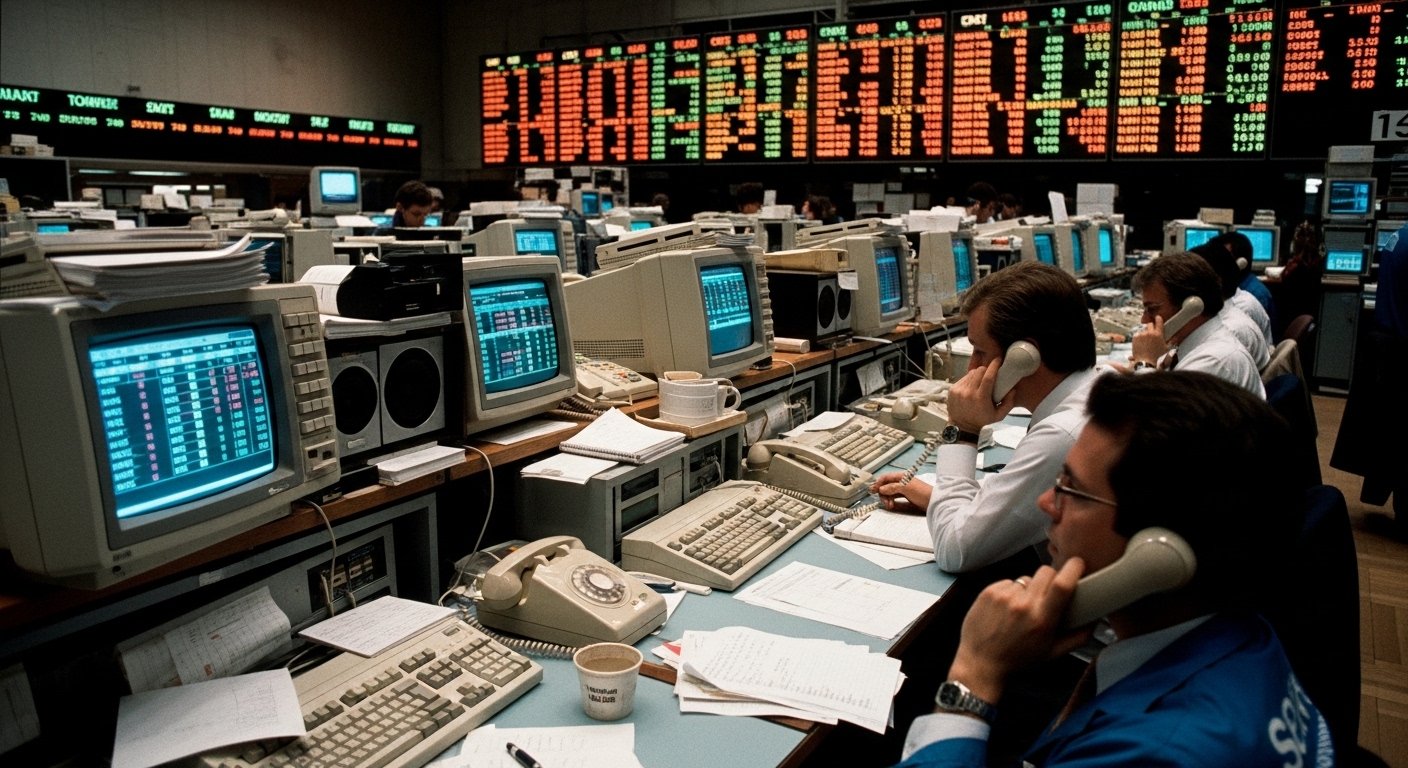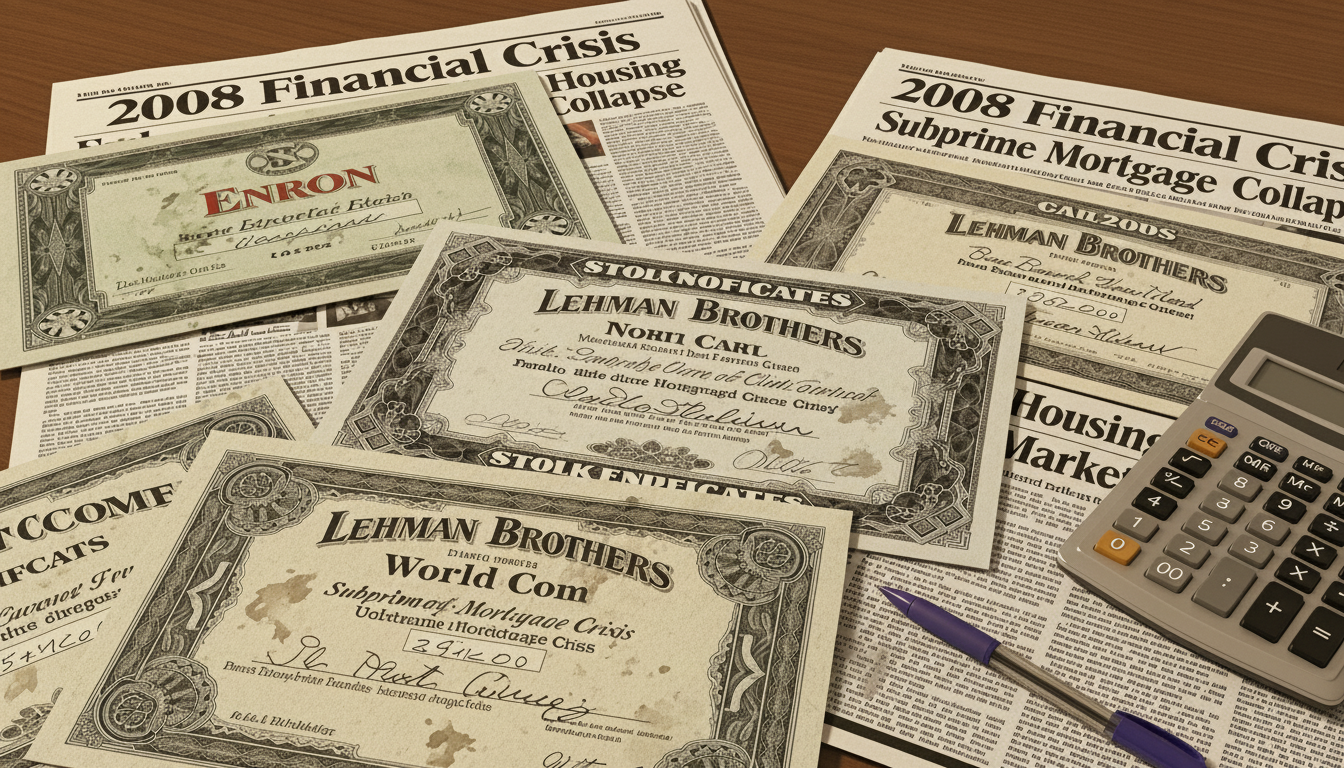
The global financial crisis of 2008 changed how people viewed banks, investments, and the stability of financial markets. While headlines focused on collapsing institutions and falling markets, another perspective exists in the form of stock certificates. These printed documents once symbolized ownership, trust, and long-term value. When markets crashed, many of those certificates became reminders of a turbulent financial era. Looking at them today offers a visual and historical record of companies that struggled, survived, or disappeared. Each certificate represents a chapter in the story of financial risk, investor confidence, and economic change that reshaped global markets and financial decision-making.
Symbol of Investor Confidence
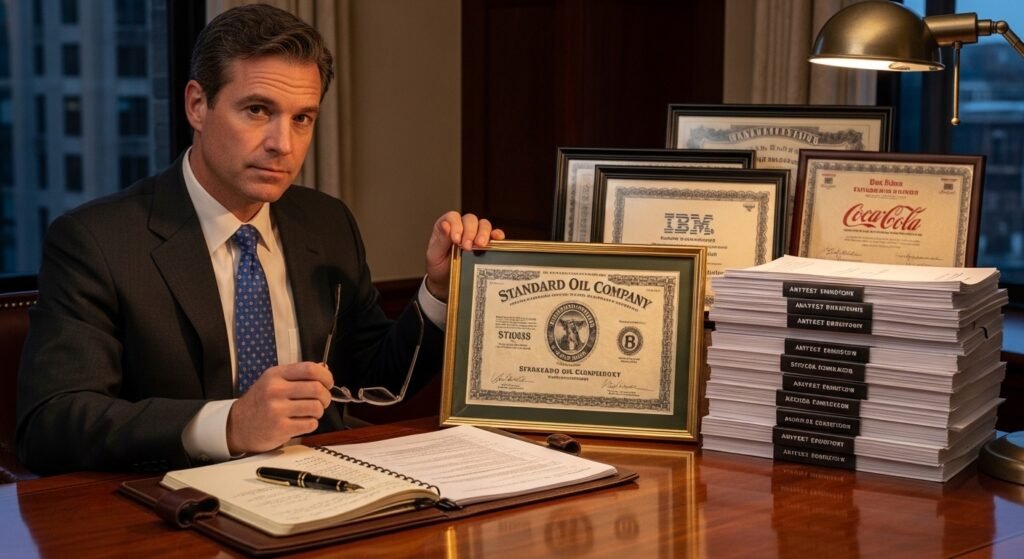
Stock certificates once represented faith in the financial system. Investors believed established banks and corporations would grow steadily. The crisis challenged that belief. Certificates from affected companies later became reminders of how quickly market confidence can change.
The Rise of Large Financial Institutions
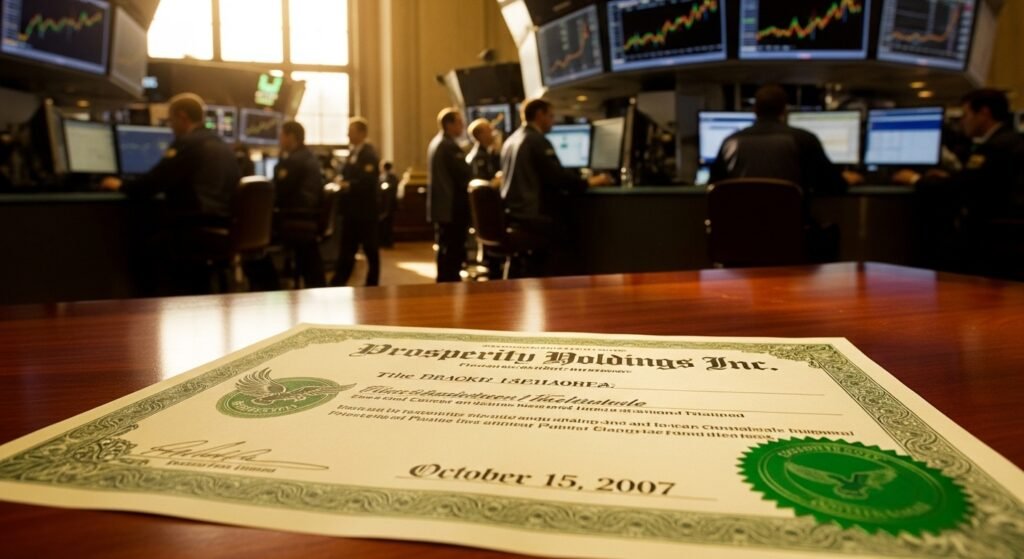
Before the crisis, large financial firms expanded rapidly. Their stock certificates reflected strong market value and global influence. Investors often viewed them as reliable holdings. The financial collapse showed that even powerful institutions can face unexpected instability.
Mortgage Boom Reflected in Shares

Many financial companies grew through mortgage lending and housing investments. Their stock certificates circulated widely among investors. When housing markets weakened, those same shares illustrated how closely financial institutions depended on real estate performance.
Sudden Market Value Decline
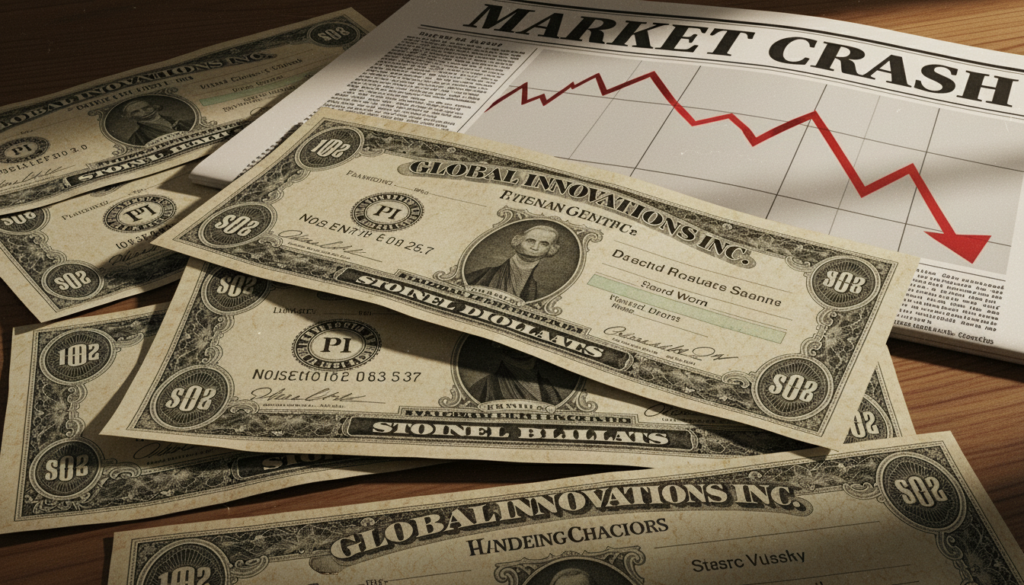
During the crisis, share prices dropped sharply across many sectors. Stock certificates that once represented valuable holdings quickly lost market value. This shift demonstrated how economic shocks can affect even well-known companies within a short time.
Banking Sector Turbulence

Banks experienced severe pressure during the financial crisis. Certificates from banking institutions became visual reminders of uncertainty in the financial system. Investors who held them witnessed dramatic changes in the perceived strength of major financial organizations.
Government Intervention Era

Some financial institutions received government support to stabilize the economy. Stock certificates from these companies reflect a period when public policy played a significant role in maintaining financial stability and restoring confidence among investors.
Corporate Mergers and Restructuring

The crisis forced many companies to merge, restructure, or change ownership. Stock certificates issued before these transitions became historical artifacts. They show how corporate identities shifted during one of the most challenging economic periods.
Lessons in Risk Awareness

Investors began examining risk more carefully after the crisis. Old certificates remind observers that strong market performance does not eliminate financial vulnerability. They highlight the importance of diversified investments and thoughtful financial planning.
Transition to Digital Ownership

The crisis occurred during a period when markets were shifting from physical certificates to digital records. Many investors moved toward electronic systems for trading and record keeping. Printed certificates from that era mark the end of a traditional practice.
Historical Value for Collectors
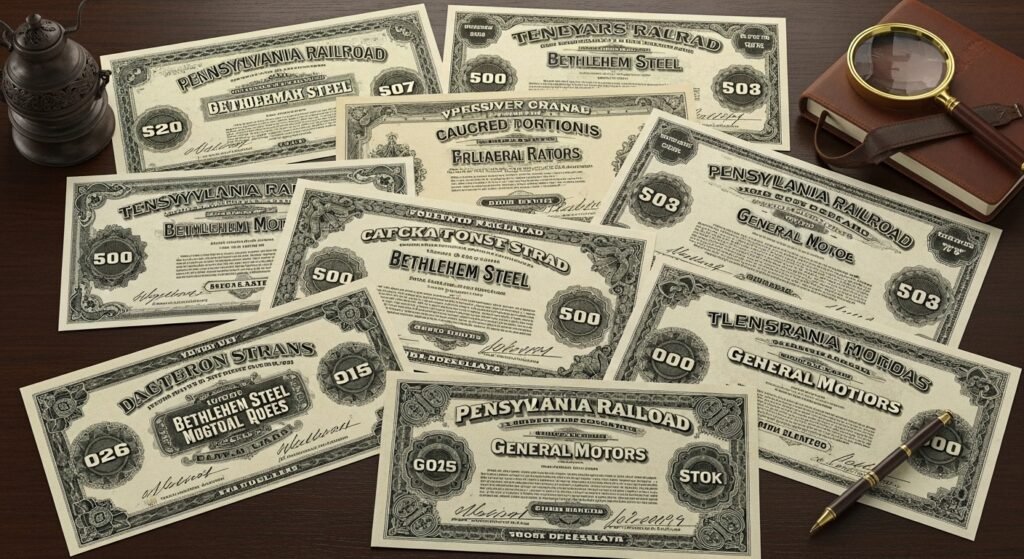
Today, some investors and collectors preserve stock certificates as historical documents. They reflect design styles, corporate branding, and financial history. Certificates connected to the crisis carry additional meaning as symbols of a transformative period.
A Visual Record of Economic Change
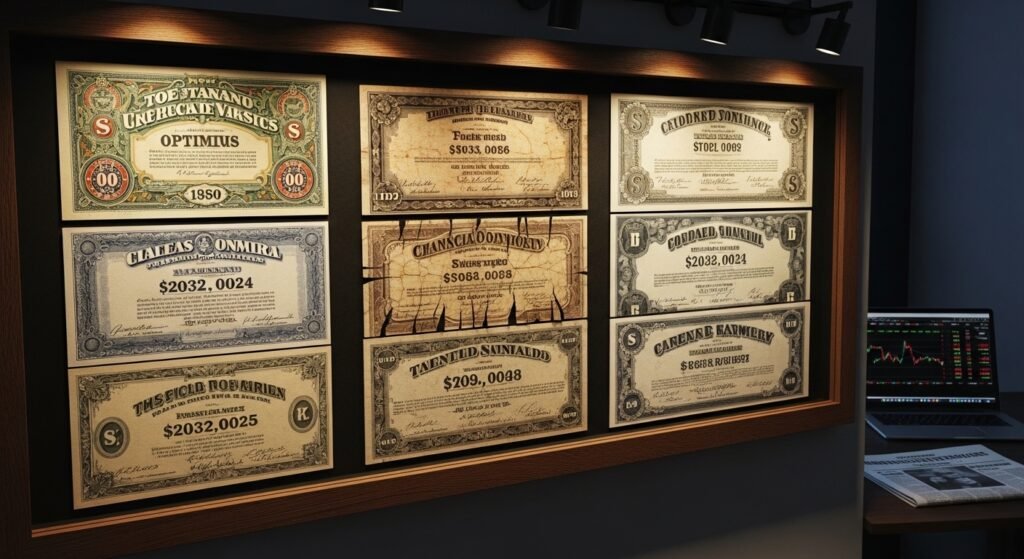
Viewed together, stock certificates from the crisis era form a visual timeline of financial disruption. They tell a quiet story of rising optimism, sudden uncertainty, and eventual recovery. Their history continues to inform how investors view financial stability today.