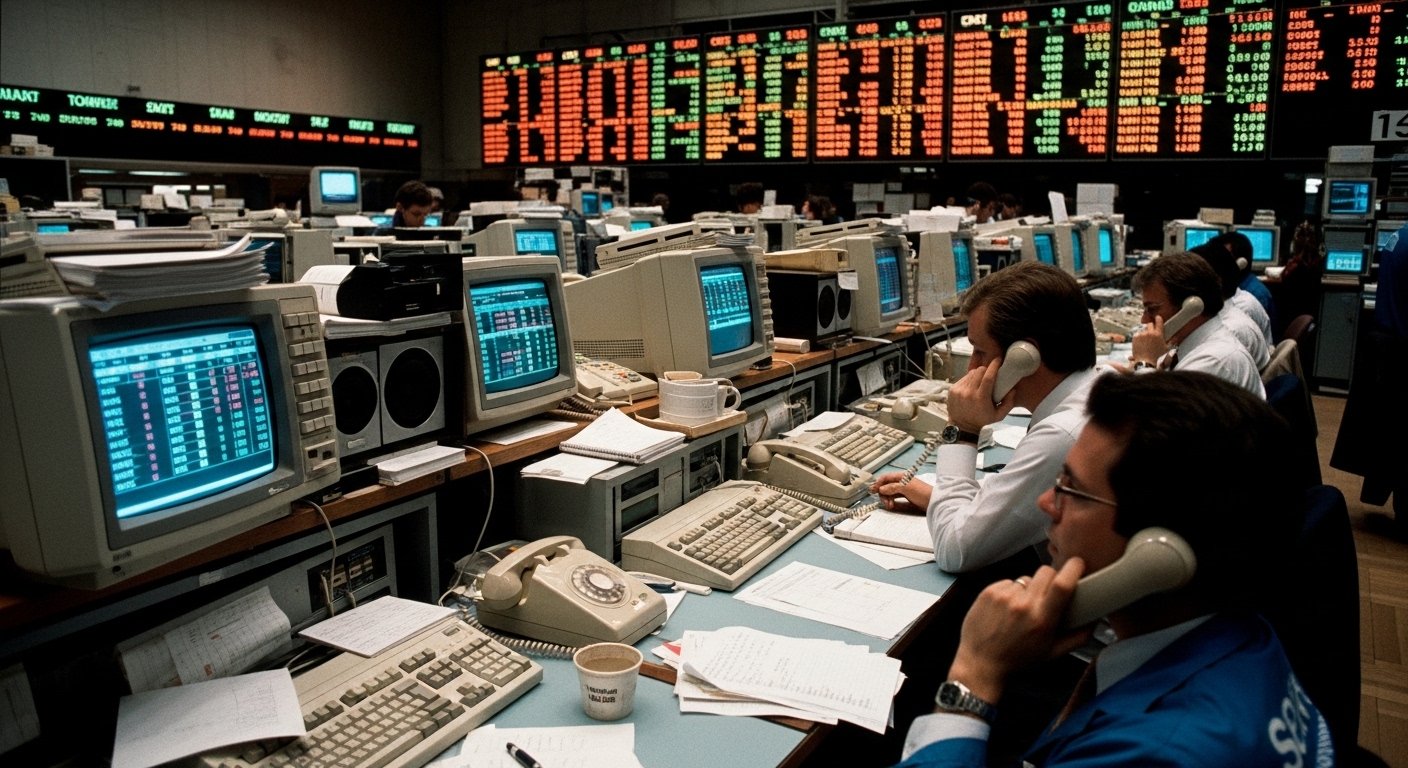
In October 1987, global financial markets experienced one of the most dramatic events in modern economic history. Stock exchanges around the world saw sudden and severe declines that shocked investors, governments, and financial institutions alike. The day, later called Black Monday, marked the steepest single-day percentage drop in the history of the Dow Jones Industrial Average. Panic selling, automated trading systems, and widespread uncertainty all contributed to the market’s rapid fall. Though the crisis caused immediate financial losses, it also pushed regulators and exchanges to rethink how markets function during extreme volatility and introduced safeguards that remain important today.
Market Shock-The Day Prices Plunged
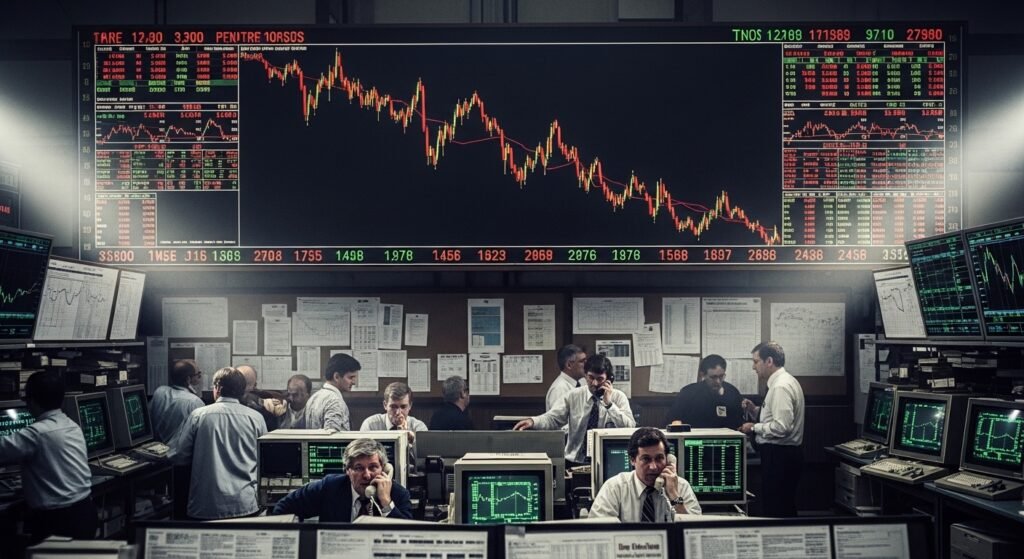
On October 19, 1987, the Dow Jones Industrial Average fell more than twenty percent in a single trading session. Investors watched prices drop rapidly as selling intensified across financial markets worldwide.
Global Ripple-Markets Around the World React

The decline did not remain limited to the United States. Major exchanges in cities such as London and Tokyo also experienced sharp drops as fear spread quickly through international financial networks.
Program Trading-Technology Amplifies the Decline
Automated trading strategies known as program trading played a significant role during the crash. These computer-driven systems were designed to sell stocks when prices dropped, unintentionally accelerating the downward momentum.
Investor Psychology-Fear Spreads Through Markets

Beyond technology, human emotion also shaped the crisis. As investors watched prices collapse, many rushed to sell their holdings. This collective reaction created a wave of selling pressure that pushed markets even lower.
Liquidity Strain-Buyers Disappear Quickly
During the crash, the number of buyers willing to purchase shares declined sharply. With more investors selling than buying, prices fell faster, highlighting how fragile market liquidity can become during periods of stress.
Government Response-Authorities Step In

Financial authorities, including the U.S. Federal Reserve, quickly responded to calm markets. Officials assured banks and financial institutions that liquidity would remain available, helping stabilize confidence during the turbulent period.
Media Coverage-A Historic Financial Moment
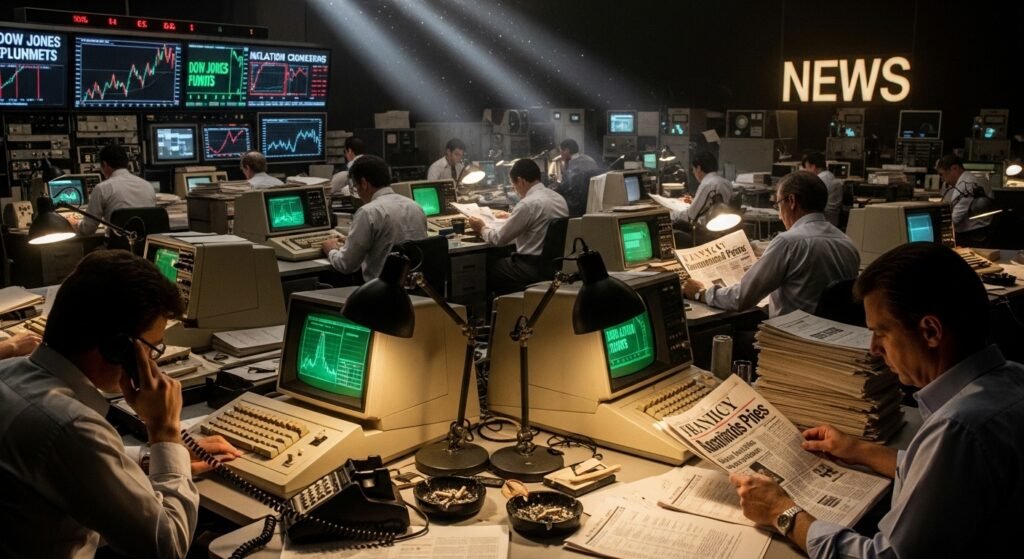
News outlets closely followed the dramatic developments. Television broadcasts and newspapers reported hourly market movements, making the crash one of the most widely observed financial events of the late twentieth century.
Market Recovery-Confidence Slowly Returns
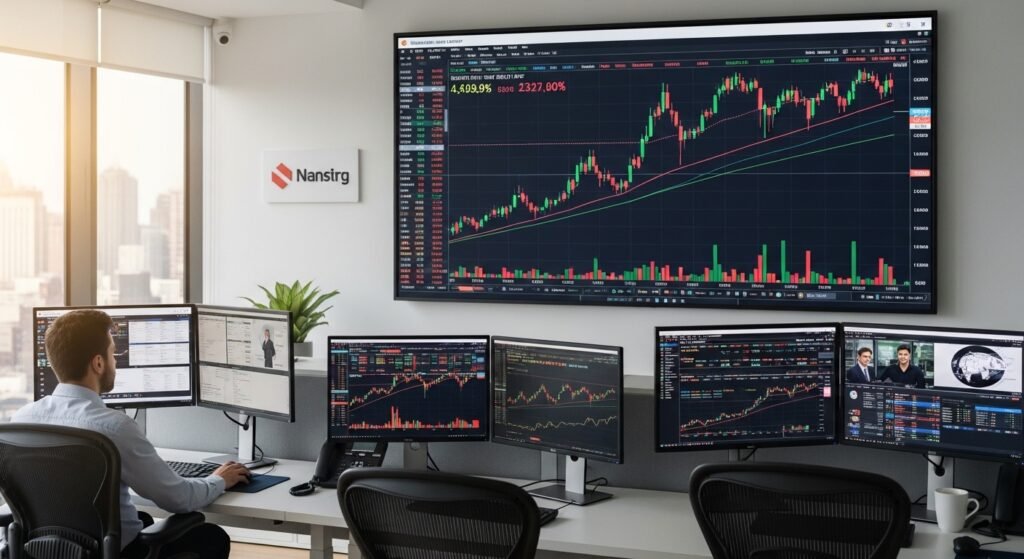
Despite the severe drop, markets gradually recovered in the following months. Investor confidence slowly improved as economic fundamentals remained stable and financial institutions continued to support market functioning.
Regulatory Changes-New Safety Measures Introduced
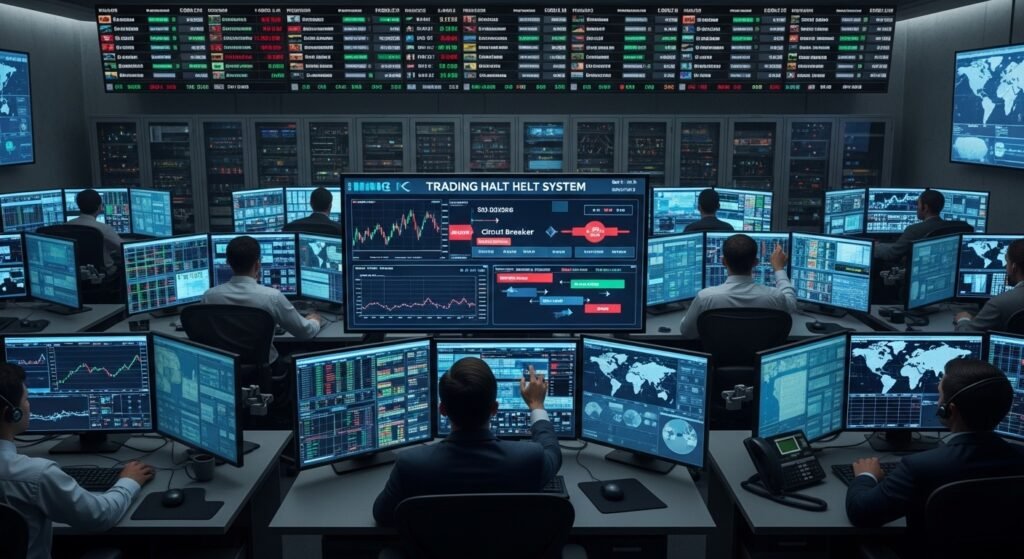
After the crash, regulators introduced safeguards known as circuit breakers. These mechanisms temporarily pause trading when markets fall sharply, giving investors time to evaluate conditions and preventing uncontrolled selling.
Long-Term Lessons-Understanding Market Risk
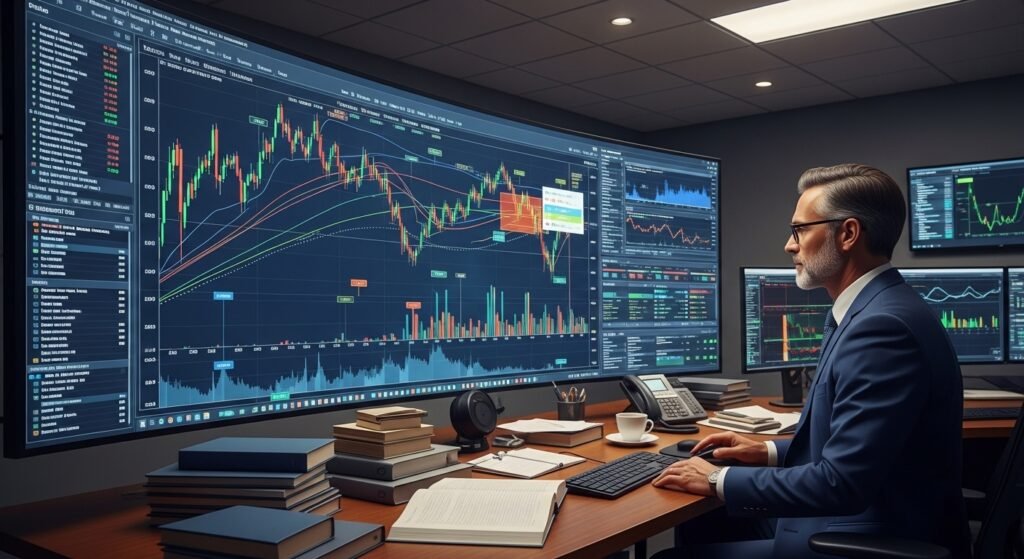
The events of October 1987 highlighted how interconnected markets had become. Economists and policymakers began studying market volatility more closely to understand how financial systems react during sudden and extreme shifts.
Enduring Legacy-Remembering Black Monday

The 1987 crash remains a defining chapter in financial history. It demonstrated the importance of strong market infrastructure, transparent regulation, and responsible investment strategies in maintaining stability during unpredictable economic periods.