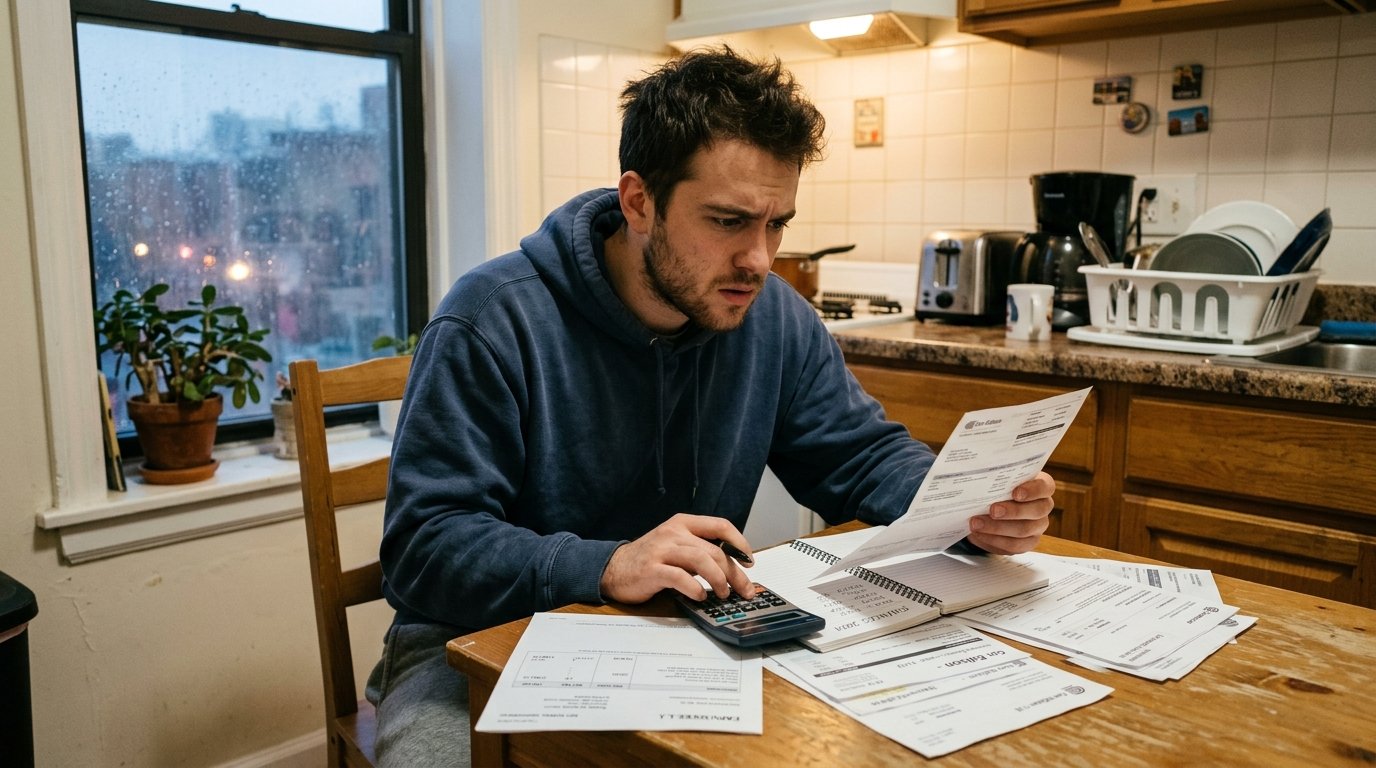
Many people occasionally face months when their paycheck simply doesn’t stretch far enough to cover all their bills. Rising living costs, unexpected expenses, or temporary income changes can create financial pressure. During such moments, practical money habits can make a significant difference. Small adjustments in spending, planning, and prioritizing can help stabilize finances and prevent deeper debt. The goal isn’t drastic lifestyle changes but smarter everyday decisions that protect your budget. By focusing on simple strategies and mindful choices, it becomes easier to manage limited income and stay financially steady until circumstances improve and income begins to better match your essential expenses.
Prioritize Essential Bills
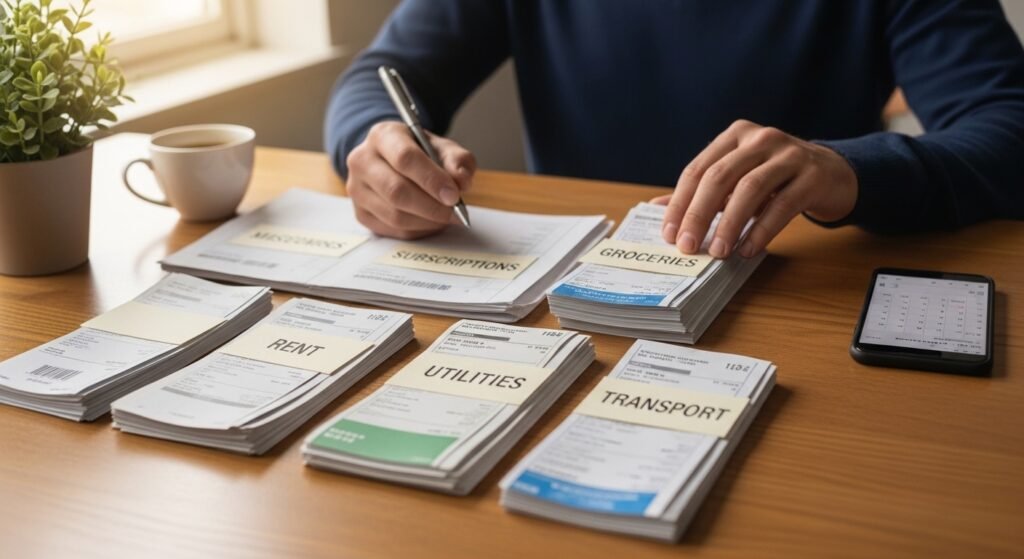
Start by identifying the bills that are most important for daily living, such as housing, utilities, groceries, and transportation. Paying these first ensures your basic needs remain secure before allocating money to other non-essential expenses.
Track Every Expense

Carefully recording your daily spending can reveal patterns you may not notice otherwise. Small purchases often add up quickly. Tracking them helps you identify where money is slipping away and where adjustments can be made.
Negotiate Your Bills

Many service providers are open to discussing payment plans or reduced rates, especially if you have a good payment history. A short conversation with customer service may lead to temporary relief or a manageable payment schedule.
Pause Non-Essential Subscriptions
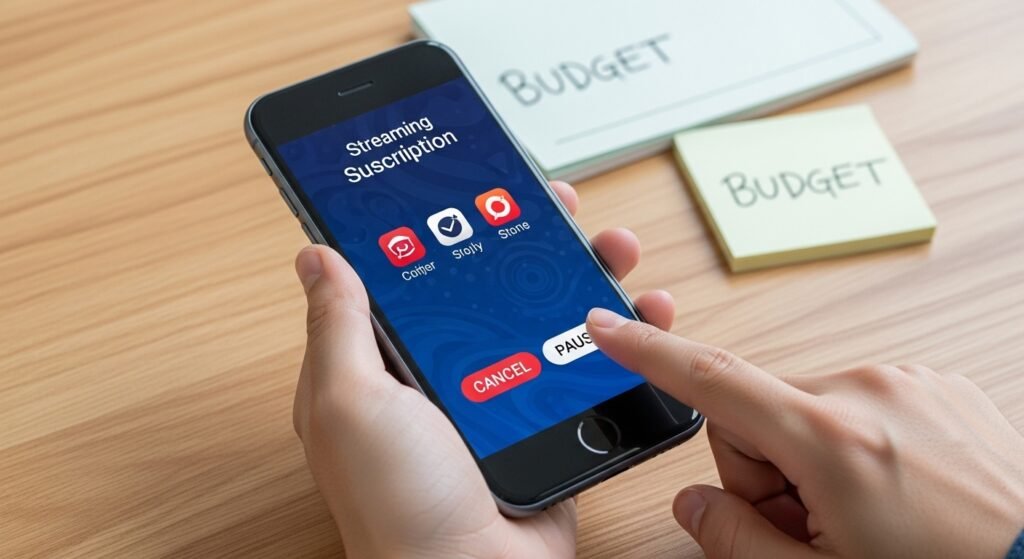
Streaming platforms, digital services, and membership programs can quietly drain your monthly budget. Temporarily pausing or cancelling those that are not necessary can free up extra money for essential expenses and reduce financial strain.
Plan Meals at Home

Preparing meals at home instead of frequently eating out can noticeably reduce monthly spending. Creating a weekly grocery plan, using ingredients wisely, and avoiding food waste helps stretch your budget without sacrificing nutrition.
Use a Short-Term Spending Plan

When income is tight, creating a temporary spending plan can help control finances. Allocate funds carefully for essentials while limiting optional purchases until your financial situation stabilizes and your budget feels more balanced.
Sell Unused Items

Many households have items that are no longer used but still hold value. Selling electronics, furniture, or clothing through trusted resale platforms can provide quick funds while also reducing clutter around the home.
Look for Small Side Income

Short-term side work such as freelance tasks, tutoring, or weekend services can provide extra cash to cover immediate bills. Even modest additional income can ease pressure during financially challenging months.
Build a Bill Calendar
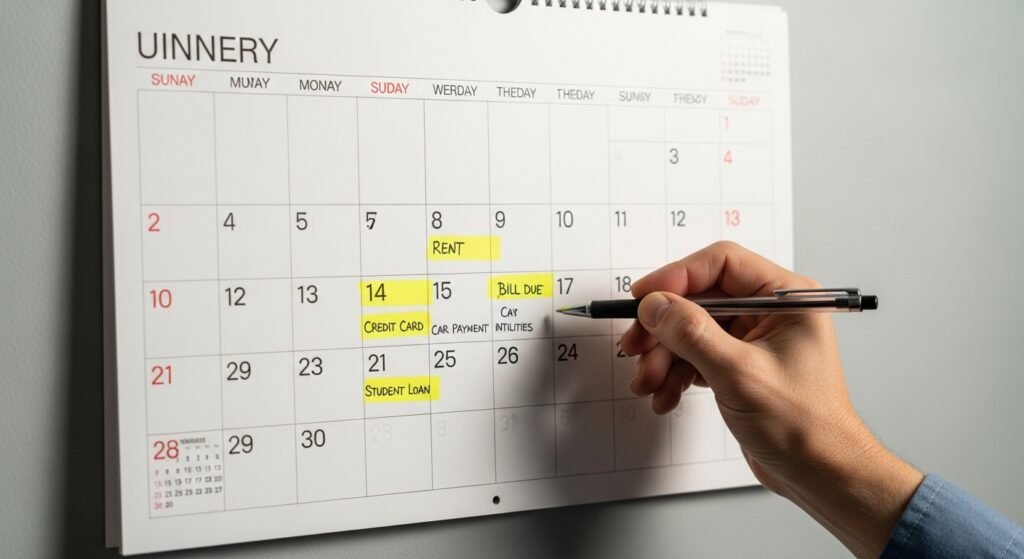
Organizing your due dates on a monthly calendar helps prevent missed payments and late fees. Knowing exactly when each bill arrives also makes it easier to plan how your paycheck will be distributed.
Create a Small Emergency Cushion
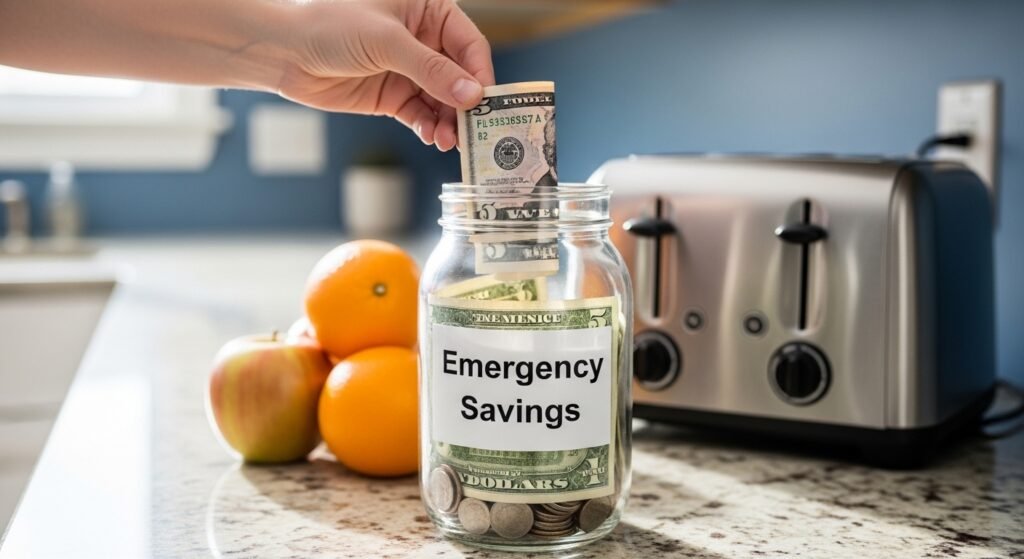
Even setting aside a tiny amount each week can gradually build a financial buffer. Over time, this small reserve can help handle unexpected expenses without disrupting your essential monthly obligations.
Focus on Gradual Financial Stability

Financial challenges are often temporary, especially when practical habits are applied consistently. By reviewing spending regularly, making careful decisions, and adjusting priorities, it becomes easier to regain control and move toward greater financial stability.