
Across many workplaces today, employees are showing less interest in climbing the traditional leadership ladder. While ambition once meant pursuing management roles, many professionals now prefer stability, meaningful work, and balance over added responsibility. This shift is not about a lack of commitment but rather changing expectations around work and personal well-being. For HR teams, the challenge is adapting organizational structures when fewer people want to supervise others or carry the pressure of leadership roles. Companies that understand these changing motivations can redesign career paths, build flexible leadership models, and maintain productivity while supporting employee satisfaction and long-term organizational growth.
Redefine Leadership Paths

Not every advancement must involve managing people. HR can introduce expert tracks where experienced employees grow as specialists or advisors. This approach allows professionals to gain recognition, influence decisions, and increase compensation without taking on traditional managerial responsibilities.
Offer Project-Based Leadership Opportunities

Short-term leadership assignments help employees experience responsibility without long commitments. Leading a project, task force, or innovation team allows workers to develop leadership skills while maintaining flexibility. These temporary roles often feel more manageable and appealing.
Reduce Administrative Burdens on Managers

Many employees avoid leadership roles because they associate them with excessive paperwork and meetings. HR can simplify reporting systems and automate routine tasks so leadership becomes more focused on guiding people and strategy rather than administrative duties.
Provide Stronger Support Systems

Leadership can feel isolating without proper support. HR can introduce mentorship networks, coaching resources, and peer forums where managers share experiences. When employees see leaders receiving guidance, the role becomes less intimidating and more achievable.
Build Shared Leadership Structures

Instead of concentrating responsibility in a single manager, companies can distribute leadership across small teams. Shared decision-making reduces pressure on individuals and encourages collaboration. This structure allows employees to contribute leadership skills without carrying the entire burden alone.
Recognize Contributions Beyond Titles

Employees often value recognition more than formal authority. HR can design reward systems that celebrate innovation, teamwork, and expertise regardless of title. Recognition programs ensure employees feel valued even if they choose not to pursue managerial positions.
Improve Leadership Training Programs
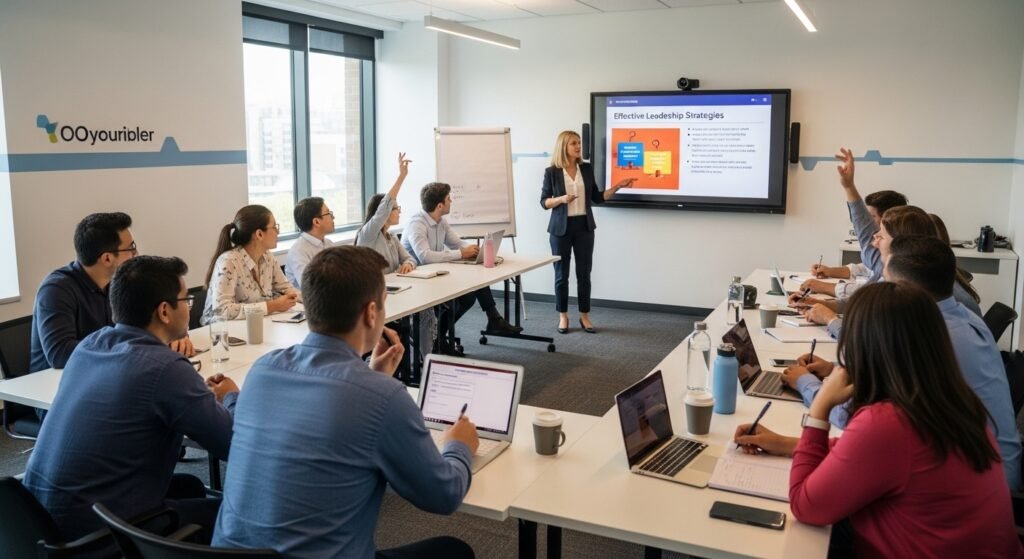
Many workers hesitate to step into leadership roles because they feel unprepared. Structured development programs can build confidence through communication training, conflict resolution skills, and decision-making workshops that gradually prepare employees for broader responsibilities.
Align Leadership Roles With Work-Life Balance

One reason employees avoid advancement is the belief that leadership demands constant availability. HR can redefine expectations by encouraging reasonable schedules, flexible arrangements, and realistic workloads so leadership roles remain compatible with personal priorities.
Encourage Purpose-Driven Leadership

Some employees feel leadership positions focus too heavily on targets and pressure. HR can emphasize purpose, mentorship, and team development as central elements of leadership. When people see leadership as a way to support others, interest often increases.
Create Rotational Leadership Experiences

Rotational programs allow employees to try leadership responsibilities for limited periods across departments. These experiences build skills, broaden understanding of the organization, and help employees determine whether they enjoy guiding teams before committing long term.
Listen to Employee Career Preferences

The most effective workforce strategies begin with listening. HR teams that regularly survey employees and hold open career conversations gain insight into changing ambitions. Understanding motivations allows organizations to design roles that reflect modern career expectations.