This has been the case as the global economy has frequently been influenced by governments and policies, as well as by radical moves undertaken within corporate boardrooms. In the history of the modern world, there are some strategic decisions made by businesses that have revolutionized industries, affected global trade, and altered the lifestyle and the working conditions around the globe. These historic events show that one business decision can have a seed dispersal effect across markets and transform economic landscapes globally.
Mass production is introduced by Ford
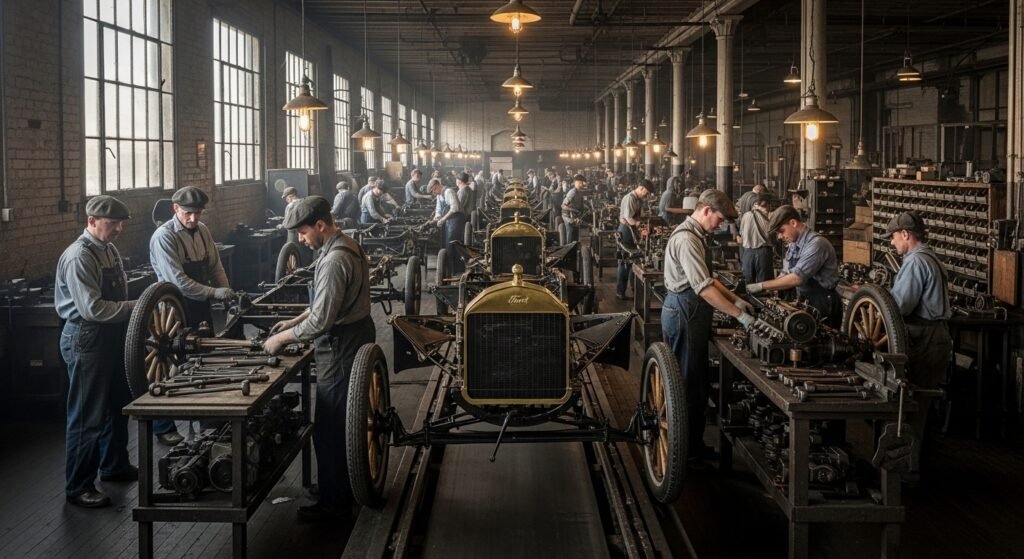
With the production of the moving assembly line by Henry Ford in the early twentieth century, production had reached a whole new dimension of productivity and magnitude. Ford reduced the cost of production by a large margin and increased the production rate making cars affordable to the average household and encouraged many industries to learn the mass production techniques that revolutionized the manufacturing process across the globe.
Apple sets in motion the Smartphone Revolution

A fundamental change in the way people handled digital services and interacted with the technology scene, the move to launch the iPhone by Apple in 2007 completely redefined the technology market. The product allowed the integration of communication, computing and entertainment in one product and this ushered the smartphone economy and generated new markets in mobile applications, online services and digital commerce across the globe.
Amazon invests in dominance of E-Commerce
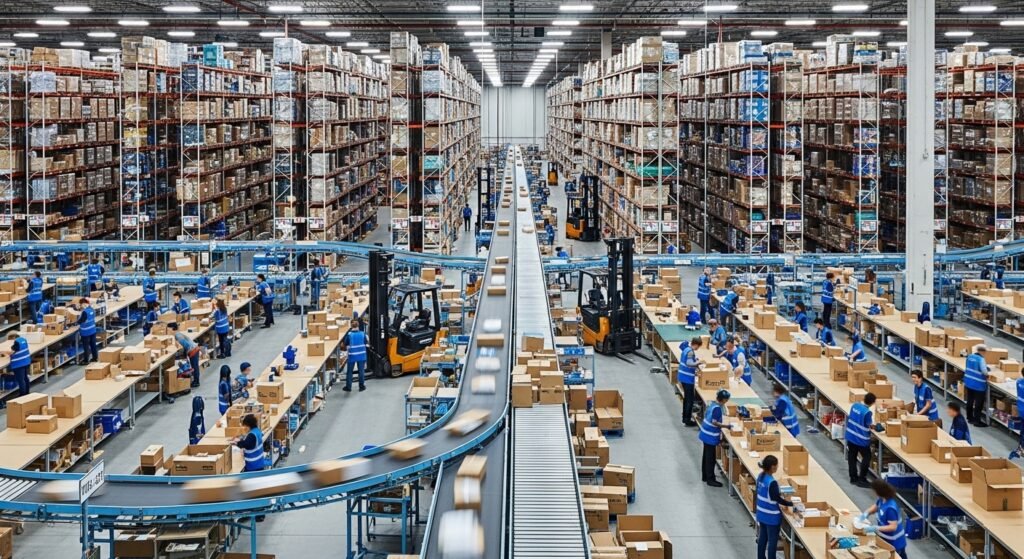
The retail industry suffered a massive transformation through the strategic change of Amazon as an online bookstore to a huge international marketplace at the time when not many people saw such an outcome. The company spent a lot of money on logistics, data technology and customer convenience, which further shortened the shift to online shopping and compelled physical retailers not only in the United States but around the globe to reconsider the way they interact with the customer.
PC is being Standardized by Microsoft

The choice of Microsoft to license their operating system to other computer manufacturers saw the spread of personal computers in homes, offices, and schools at a very fast rate. This strategy established a standard of compatibility of software all over the world and provided the basis of the current digital economy, which sustains millions of business and services.
China Opens to the World of Manufacturing
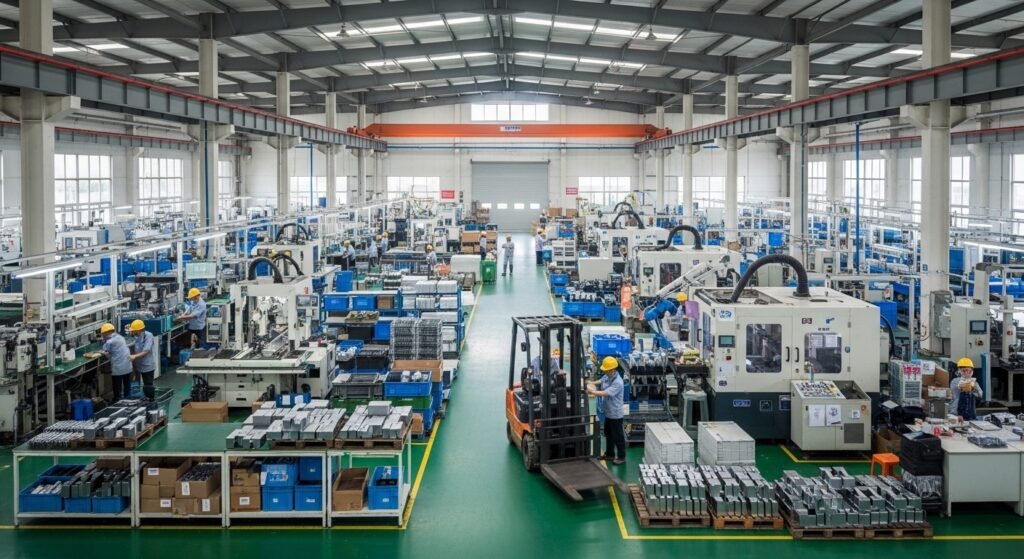
The move by China at the end of the twentieth century to open the doors to foreign manufacturing collaborations in the country has made China the largest manufacturing center in the world. Companies worldwide shifted supply chains to factories in China, and this allowed costs to be low and redefined international trade, yet greatly impacted the rate and form of globalization.
Netflix Switches to streaming

The decision of Netflix to abandon the physical aspect of media distribution in favor of online streaming changed the way people consumed entertainment content. This was a strategic shift that led the entire media business into digital delivery concepts and compelled the traditional broadcasters and movie studios to change with the new mode of on demand viewing.
Google focuses on Search Advertising

They decided to base their business model on targeted online advertising which made Google one of the most effective revenue engines in the technology industry. The advertising mechanism developed by the company made businesses reach the audience on the global level and made digital marketing one of the primary pillars of the contemporary economic activity.
Walmart grows the Global Supply Chain
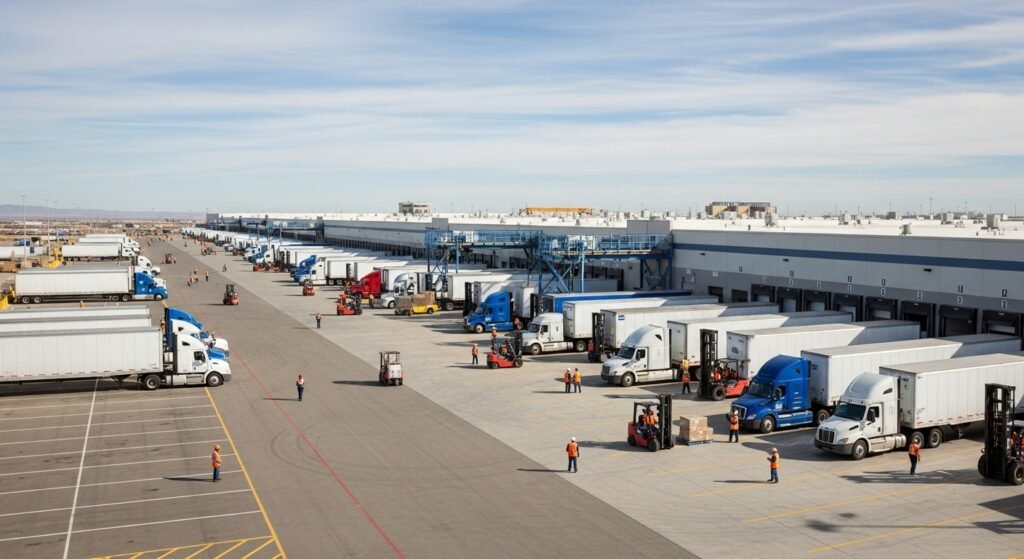
Walmart has adhered to the principle of the big scale supply chain efficiency which transformed the economy of the retail distribution in most of the countries. The company shifted the sourcing of goods, transport, and pricing of goods in various markets in the world by centering on the technology of logistics, making purchases in bulk and efficient operations.
Tesla Makes Electric Vehicles faster
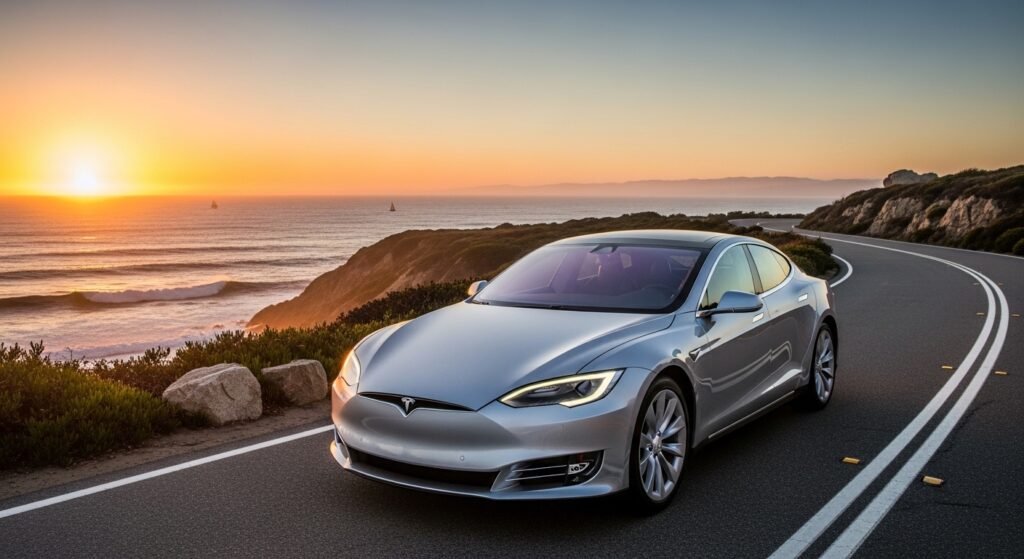
The implementation of electric cars and battery development made Tesla one of the most radical investors in the automotive sector that drove the industry toward clean transportation technologies. When the shift was initiated by the traditional automakers who started addressing the increasing demand of electric vehicles, it spurred new energy infrastructure investments and rebranded the future of transportation markets.
The Rise of Cloud Computing
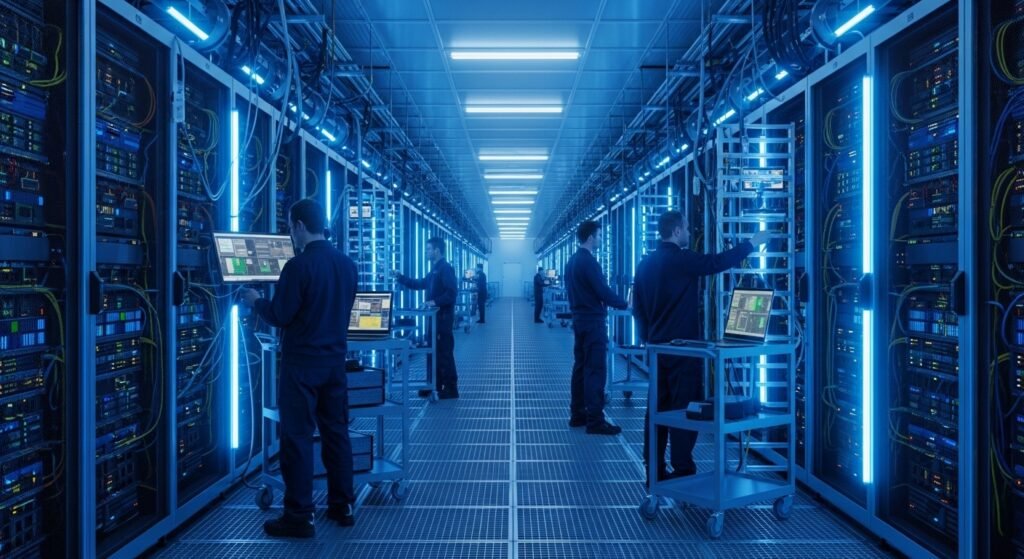
When technology firms started to provide computing capability and storage using remote data centers instead of hardware, they made a radical move. Cloud computing enabled businesses of any scale to tap into scalable digital infrastructure, which reduced the cost of doing business, and enhanced innovation in industries across the world.
Open Source Software Modifies Development

The open source software usage triggered a model of collaboration that enabled the developers around the world to construct and enhance the technology. This model was adopted by businesses to speed up innovation, cut down on expenses, and establish platforms that now provide the foundation of much of the infrastructure of the internet and the current digital services.