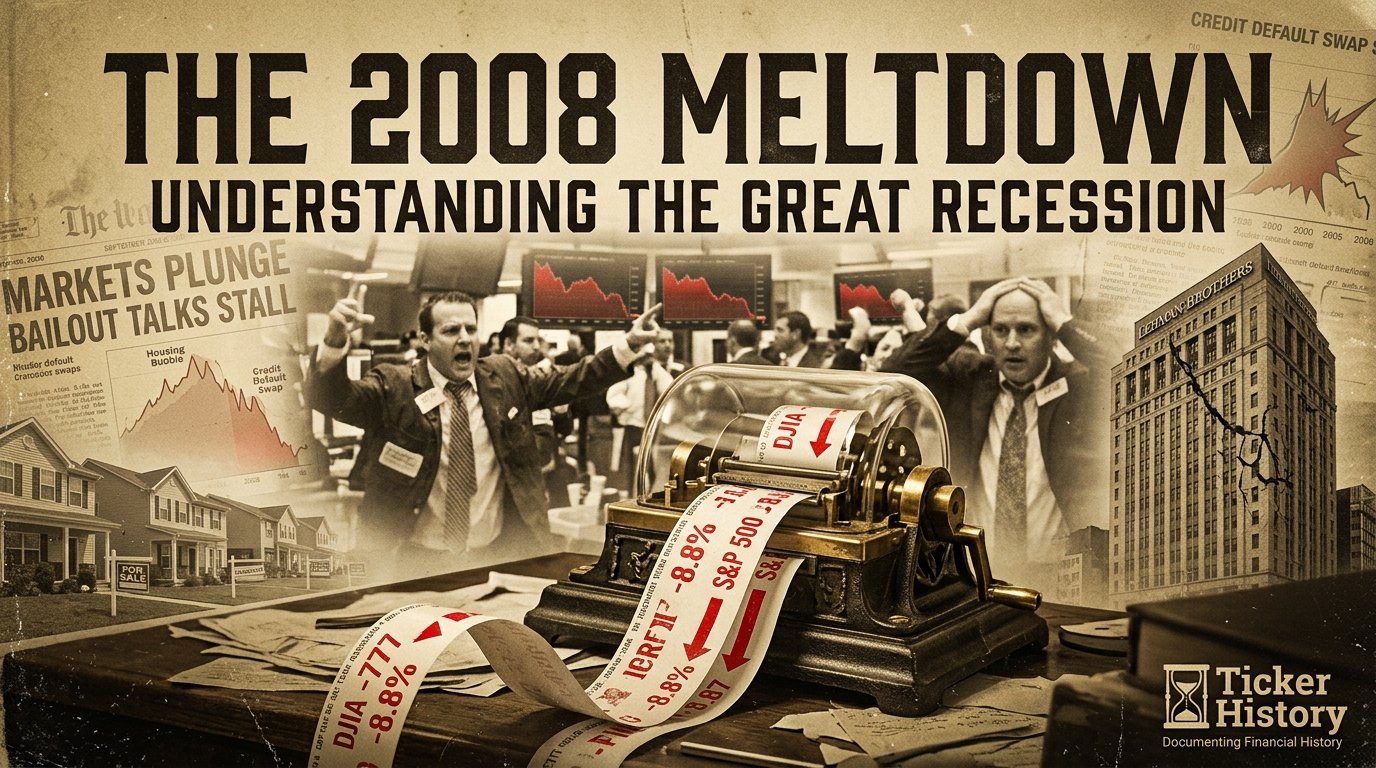
There are a few happenings in contemporary history that have struck as hard and as swiftly as in the case of the 2008 financial crisis. It is not merely historical, knowing how it began, who knew it was coming, and how it changed later on. It is also a survival manual for every investor in the conflict of unpredictable financial times in our present environment.
Prices Soar
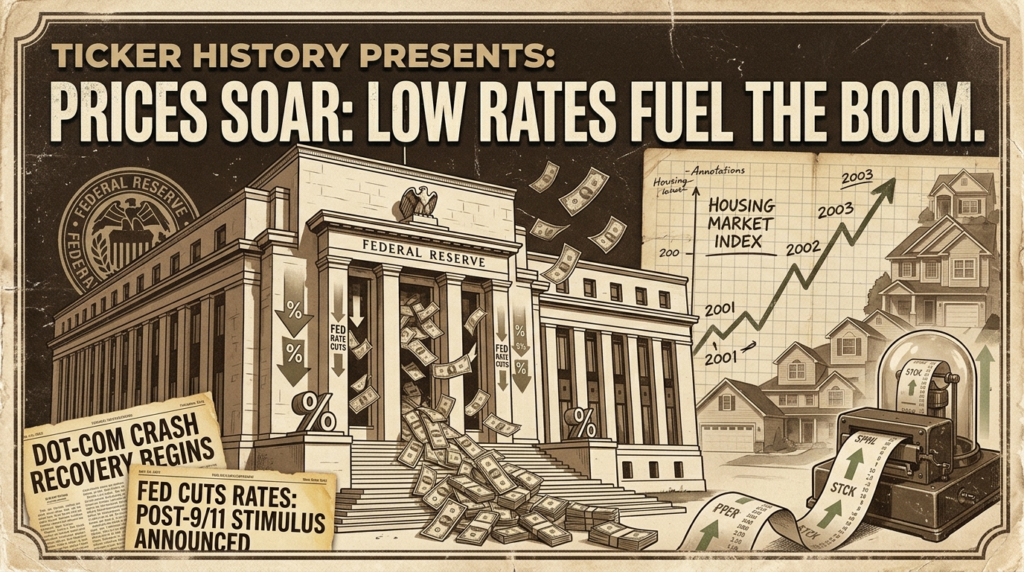
Following the dot-com crash and the September 11 attacks, the Federal Reserve was forced to reduce interest rates to stimulate the economy. The availability of money at low prices inundated the real estate market and drove property prices to historic highs, making millions of people believe that property prices will increase indefinitely.
Bubble Builds
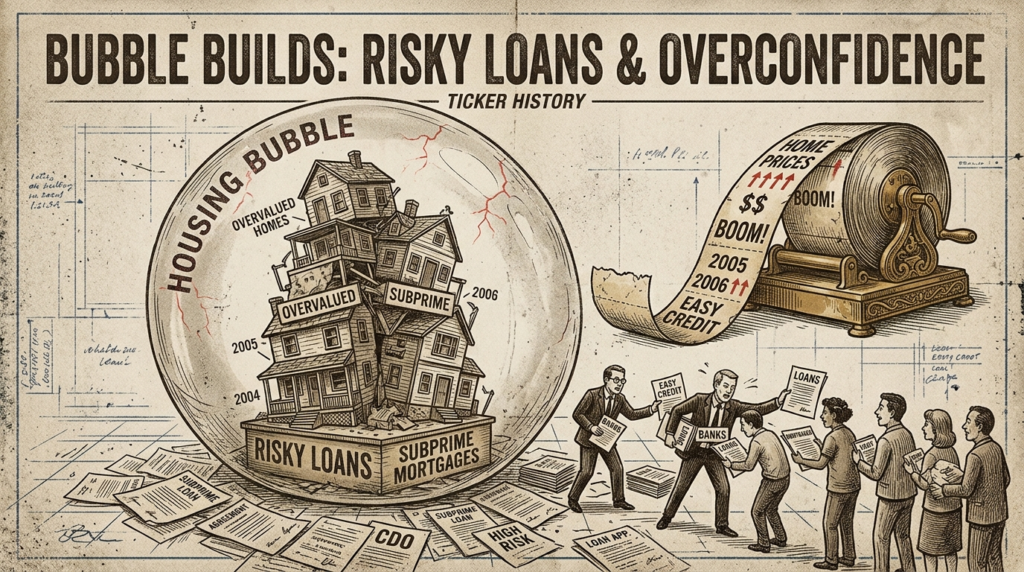
Banks started giving unsound mortgage products to borrowers whose credit records were poor. Lenders believed that increasing home prices would cushion them against default. Such overconfidence left an artificially overvalued housing bubble on an extraordinarily shaky financial basis.
Prices Crash
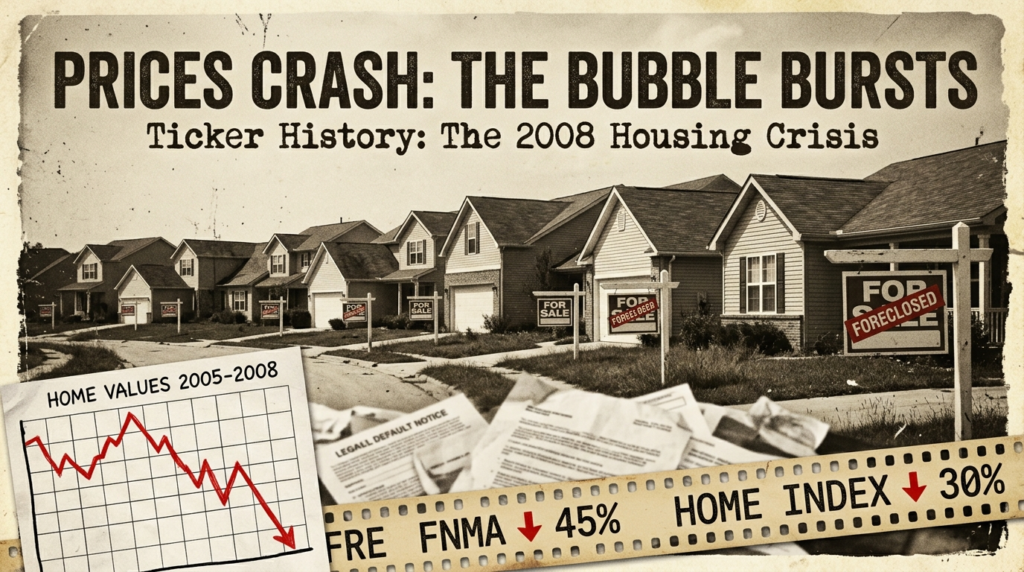
By 2006, home prices began falling. Adjustable-rate mortgages are revised to capture greater payments with homeowners failing to afford them. There was an increase in foreclosures, flooding of the market with more property and people could not pay anything less than millions of dollars based on the value of their property.
Banks Bleed
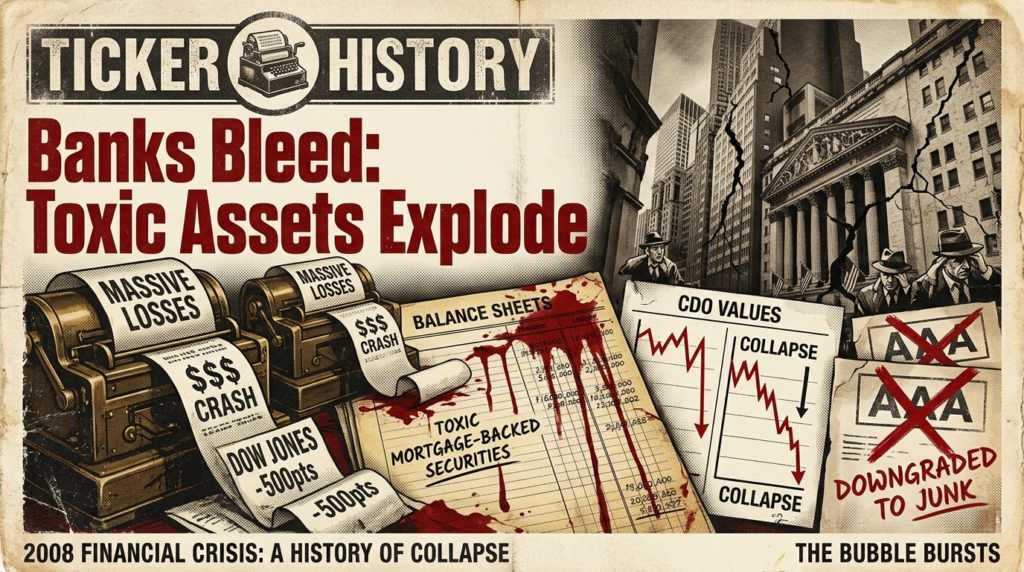
Mortgage-backed securities based on such risky loans had been invested in to a considerable extent by financial institutions. These securities were hit when the owners of the houses defaulted. The banks that rating agencies had rated as being low-risk had to deal with disastrous losses and extreme difficulties with liquidity overnight.
Economy Contracts
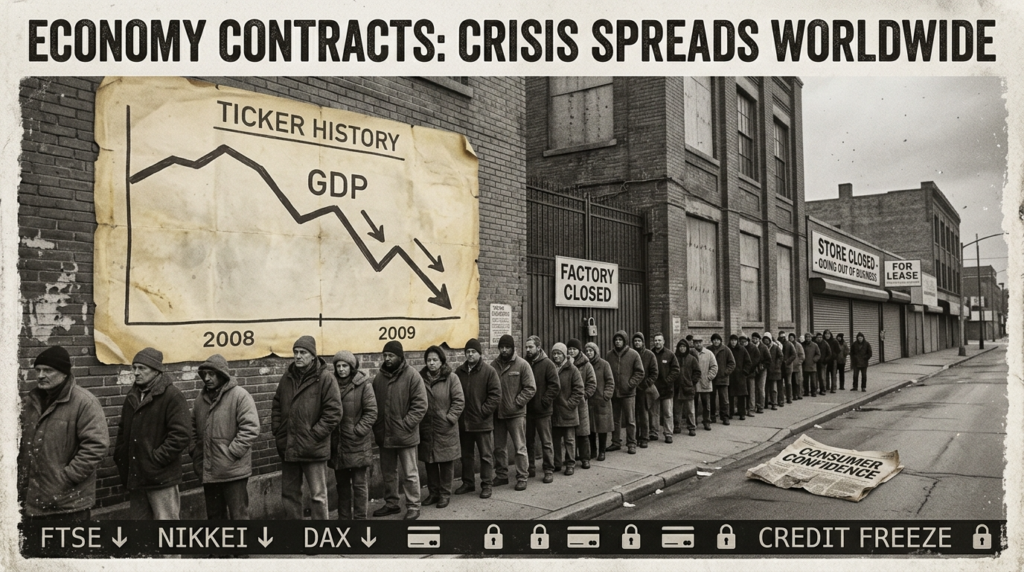
The decline of GDP became so drastic as the crisis spread well outside Wall Street. Consumer confidence had fallen, companies no longer hired, and unemployment had been so high. It was in the manufacturing, retail, and services sectors that credit dried up and the world economy came to a standstill.
Lehman Falls
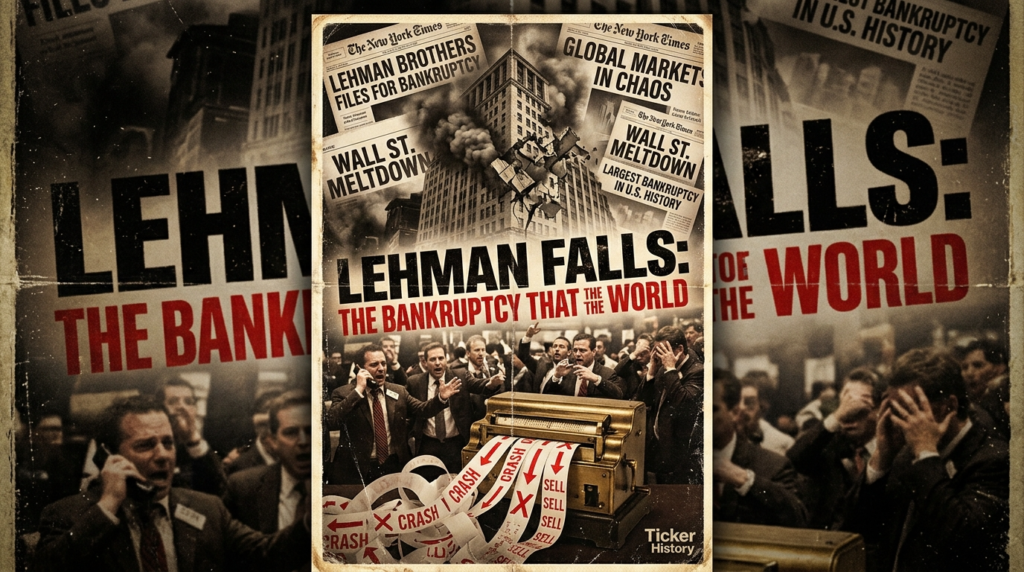
With the breakdown of the Lehman Brothers in September 2008, the biggest bankruptcy in American history at the time, it became the biggest. The wave of impact among the world markets intensified the credit crisis even more and virtually annihilated the trust of the people in the whole banking system.
Government Acts
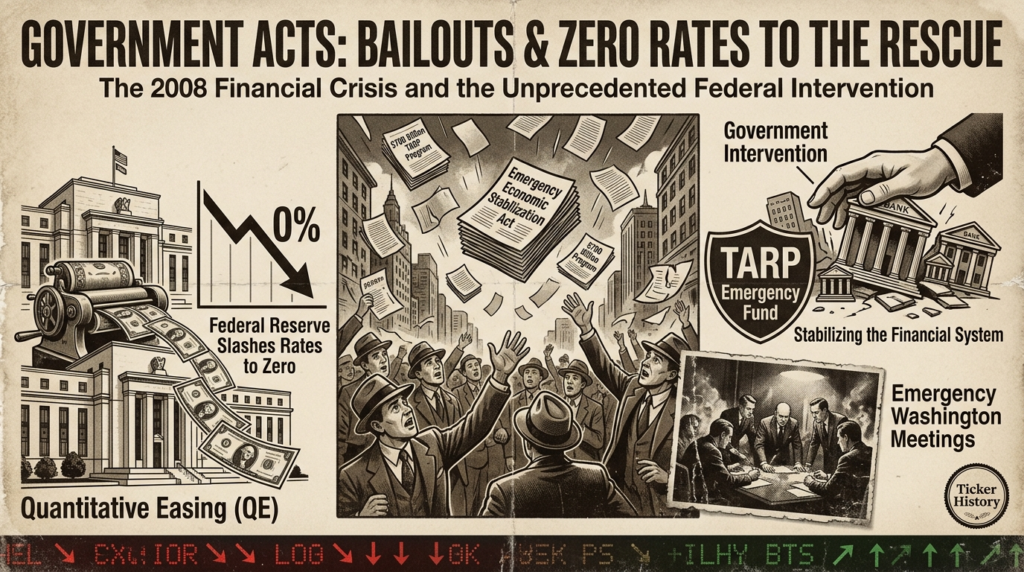
The response of Washington to the situation was the 700 billion Troubled Asset Relief Program in order to stabilize banks and stop their failure. The interest rates were reduced to almost nothing by the Federal Reserve, and programs of quantitative easing were initiated to provide reference liquidity to a financial system that was on the brink of complete collapse.
Dodd-Frank Passes
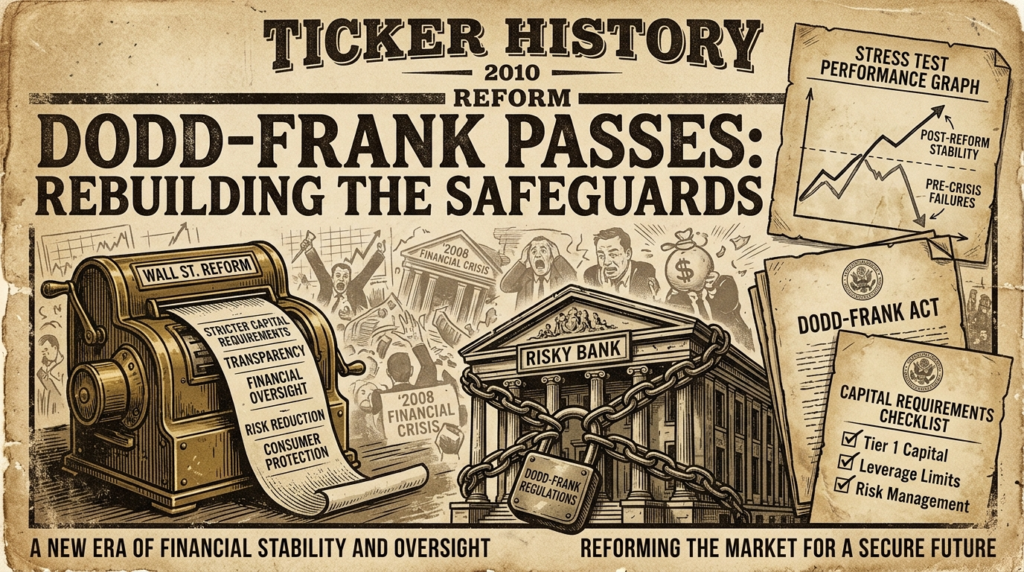
The fallout of this saw the Dodd-Frank Wall Street Reform Act, which instilled the sweeping new regulations that demanded more transparency, stricter capital requirements, and highly taxing stress tests among the banks, all with an aim of eliminating the same disastrous systemic failures.
Burry Wins
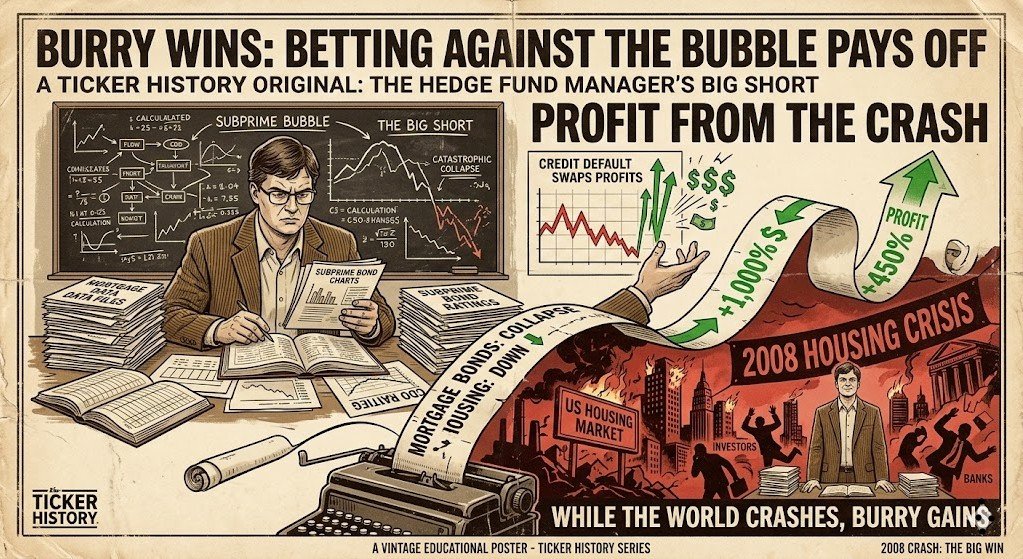
Hedge fund manager Michael Burry studied information about mortgage lending and estimated that the housing bubble was going to burst. He spent a lot of money on credit default swaps on mortgage-backed securities. The world was losing trillions of dollars, but his fund boomed, and Burry told it later in The Big Short.
Lessons Remain
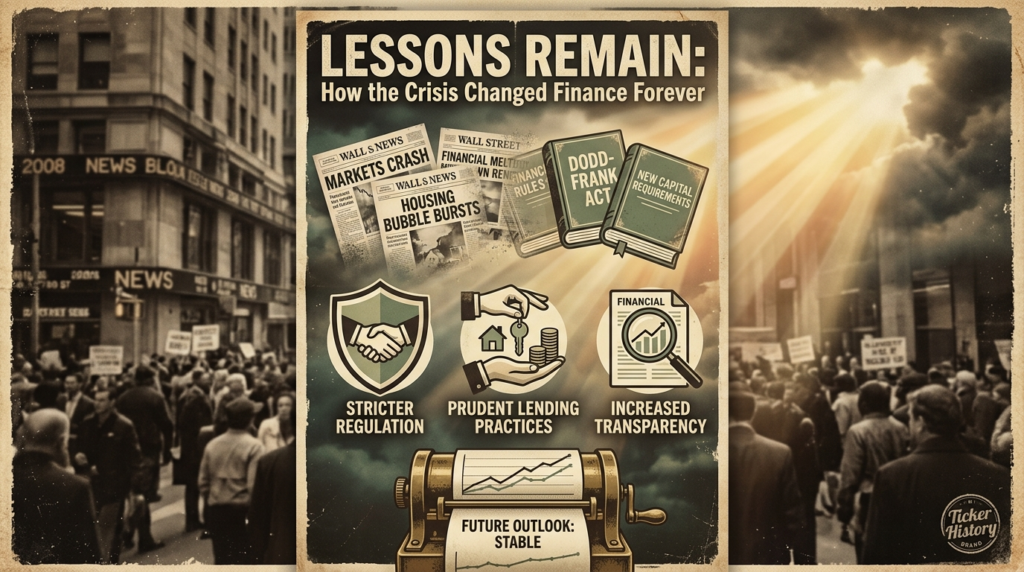
The 2008 crisis transformed the way financial risk is handled by regulators, investors, and consumers forever. Its immediate inheritance is stricter regulation, prudent lending, and transparency. This meltdown continues to resonate in all of the key economic policy decisions today in the world.