
Stability is secured by caution in business, whereas courage brings change. The actions of some of the most successful companies seemed reckless at the moment, huge takeovers, game changers, or revolutionary reinventions. Shareholders were hesitant, rivals cynical, and news reports raised questions about the plan. However, these calculated risks ended up transforming markets and dominating brands and unlocking billions of value.
IBM – The Hardware to Services Change

A massive shift of IBM towards not selling hardware as the core business but instead exploring consulting and enterprise services caused many to wonder what the company was giving up on its heritage, though really the strategic reposition made the company stabilize its revenues and also positioned it to be relevant in a dynamic technological environment.
Adobe – A Transition to Subscription

When Adobe moved off of a single software purchase model and into a subscription-driven model on the cloud, some of its long-time users were irritated by the change at first, as the recurrent revenue stream changed its financial position and also broadened its creative platform to many more users around the world.
Ford Motor Company-B Betting on the F-150 Aluminum Body
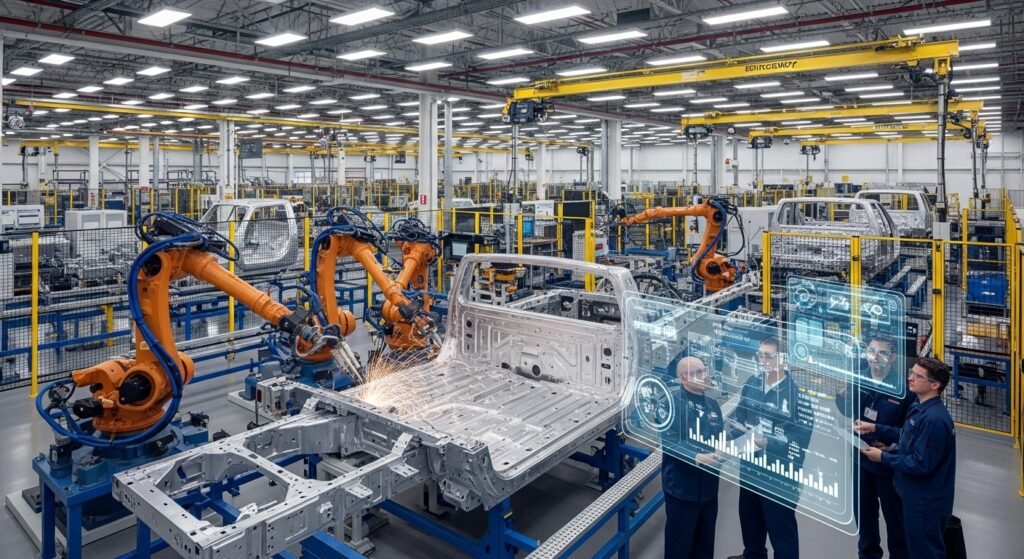
The choice of F-150 as announced by Ford to redesign its vehicle with an aluminum body incorporated high investment and risk in production, but the reduction in weight and consequent efficiency of the truck strengthened market leadership and established new standards in the engineering of automobiles.
Samsung – Making Huge Bets on Smartphones

When Samsung was grappling with highly competitive industries, the firm invested vast funds in smartphone innovation, and its research to experiment with high display and other advanced features was crucial in making the corporation a leading technology brand around the globe.
Lego – Venturing into Films and Television

Lego has seen its growth in film, digital games, and entertainment relationships, which, after financial hardship in the early 2000s, has brought the brand to new generations, as well as establishing strong cross-platform storytelling possibilities.
Target – Target to invest in store redesigns

Target had to redo very costly store remodels and brand refresh programs, a risk in the middle of competitive pressures in the retail industry, but this was a gamble that the modernized shopping experience would help put customers at ease and enhance overall brand perception.
PayPal – Being spun off from eBay

At the time PayPal split off from eBay, there was a question mark regarding losing its major marketplace ally, yet going it alone enabled the company to make a wider range of partnerships and speed up innovation in the global digital payments platform.
Walmart – Forging into E-Commerce.
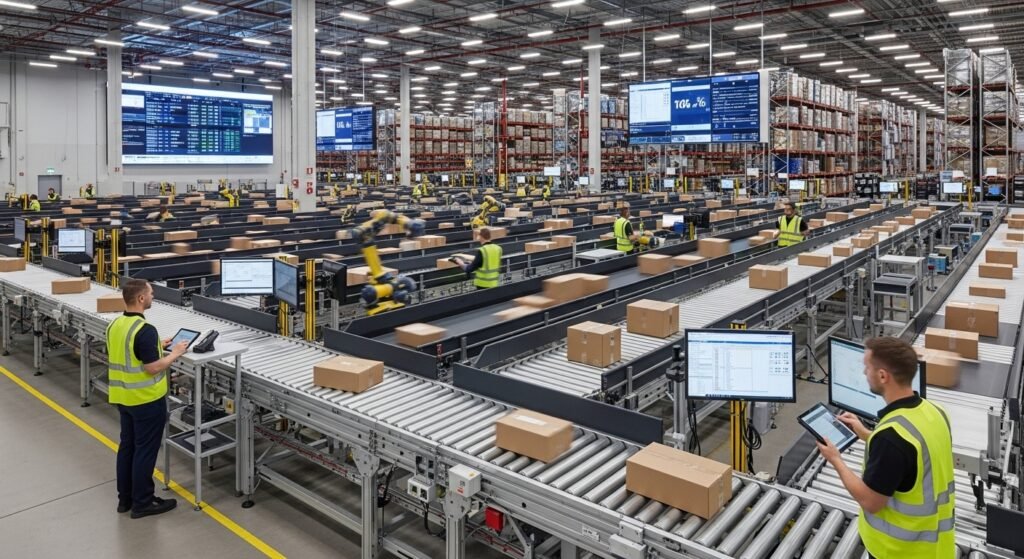
Walmart had spent billions on digital transformation to be able to compete with online-first retailers, and the shift necessitated the necessity of restructuring the operations; yet, it helped the company to strengthen its omnichannel strategy and enhance its competitive abilities over time.
YouTube – Creating a Partner Monetization Program

The move by YouTube to split advertising earnings with the content creators was initially not a sure thing as far as profitability was concerned, but the decision to empower the content creators brought about an increase in growth, content diversification, and solidified the hold of video entertainment in the digital world.