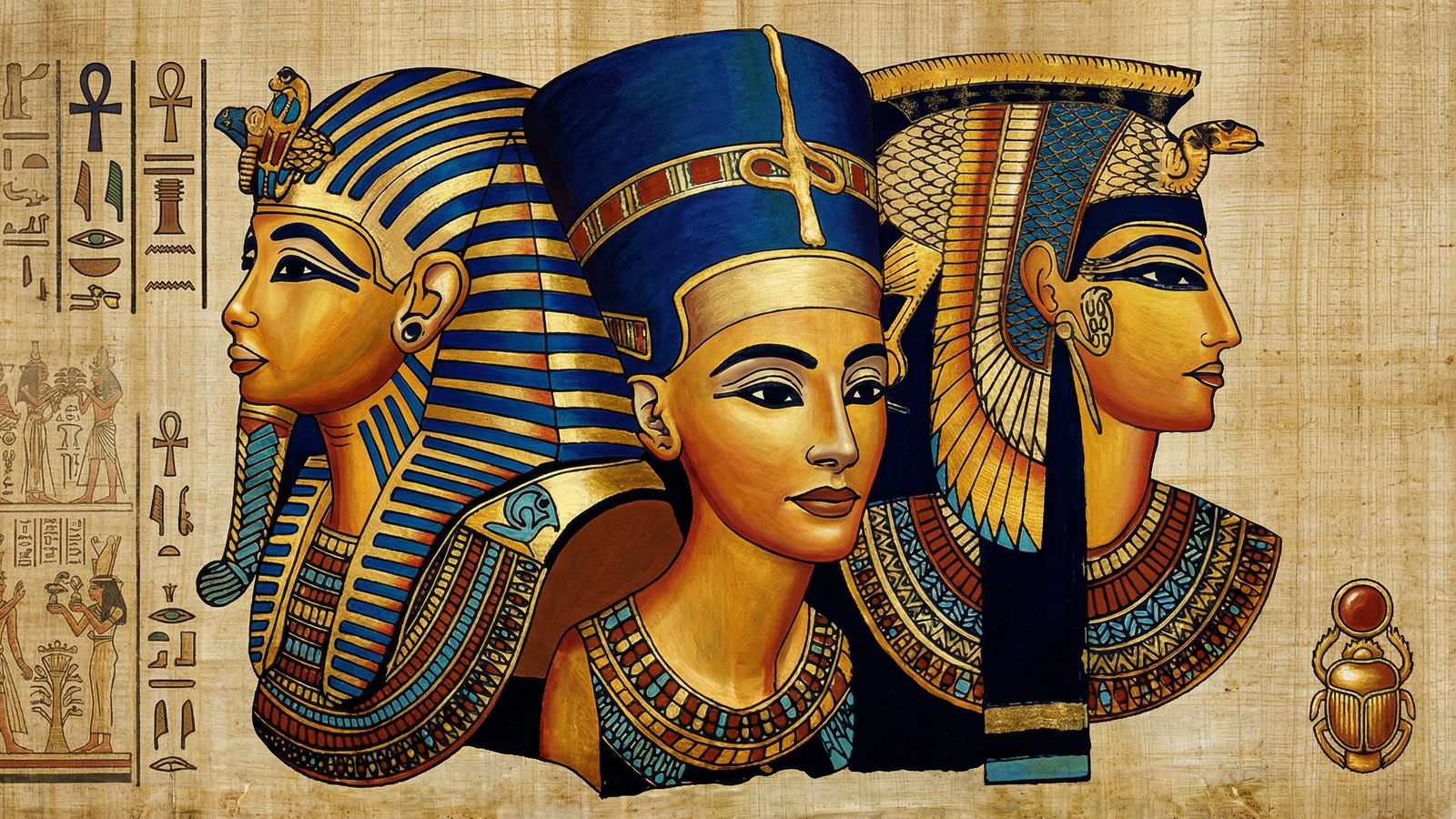
While Hatshepsut and Cleopatra often dominate popular discussions of powerful women in ancient Egypt, many other remarkable female rulers quietly shaped the civilization’s history. These forgotten pharaohs, some acting as regents, others taking full kingly titles, ruled during times of crisis, led building projects, defended the realm, and wielded spiritual and political authority in a world dominated by male kings. Their stories were often erased or downplayed by later rulers, yet archaeological evidence reveals their extraordinary legacies. Here’s a visual gallery celebrating nine of these overlooked queens who wore the crown of the pharaohs.
1. Merneith – The First Woman Ruler
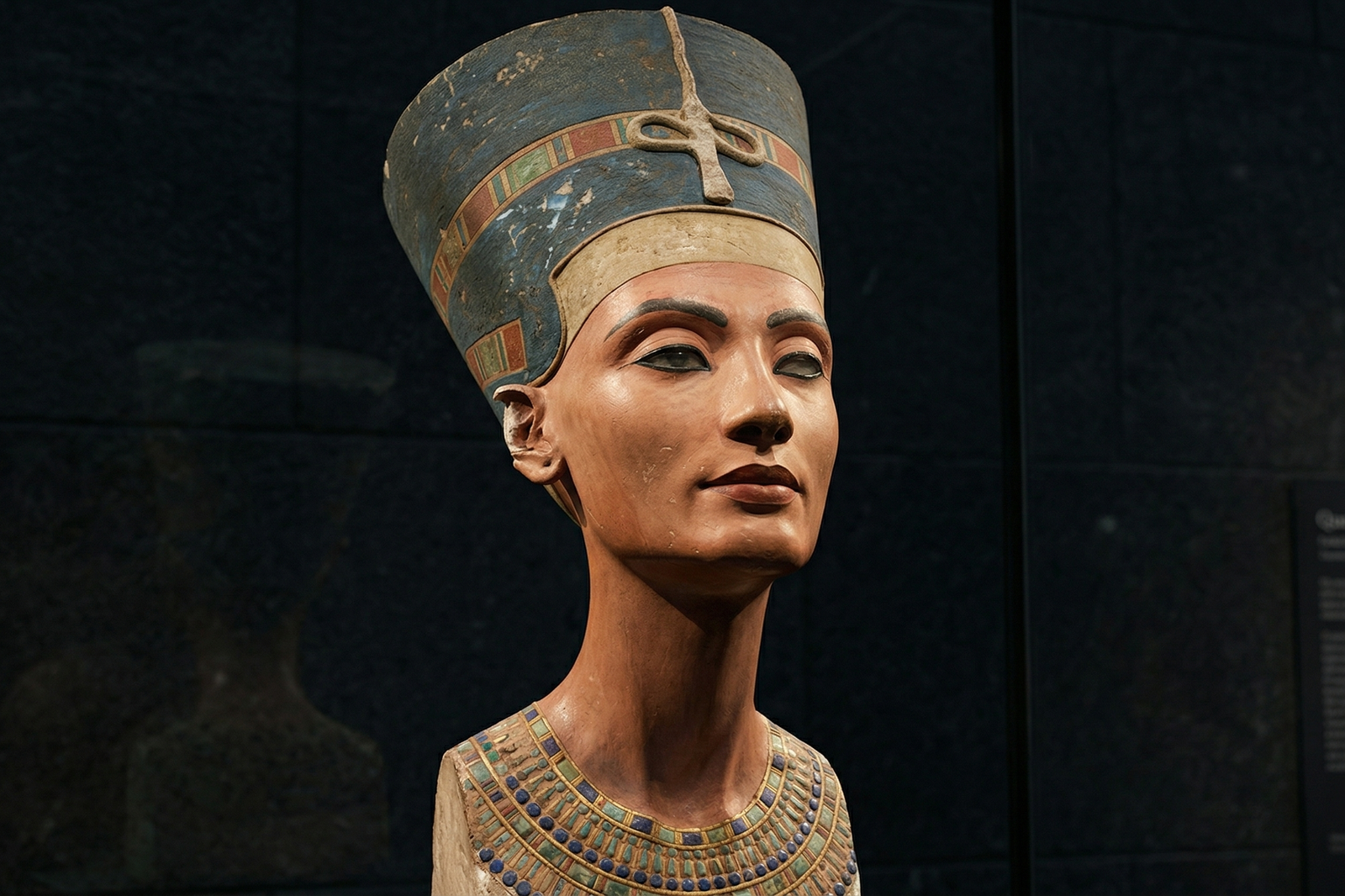
Merneith from the First Dynasty of Egypt, around 3000 BCE, is one of the earliest women to hold significant power, possibly serving as regent for her young son Den or even ruling as pharaoh herself. Her name is mentioned in early king lists and seals, and she had a large tomb at Abydos, just like male kings, and has subsidiary burials indicating that she was royal. Also known as the forgotten first, Merneith played a key role in stabilizing the newly united kingdom during its early years, demonstrating that female leadership has existed since the inception of dynastic Egypt.
2. Sobekneferu – The First Verified Female Pharaoh
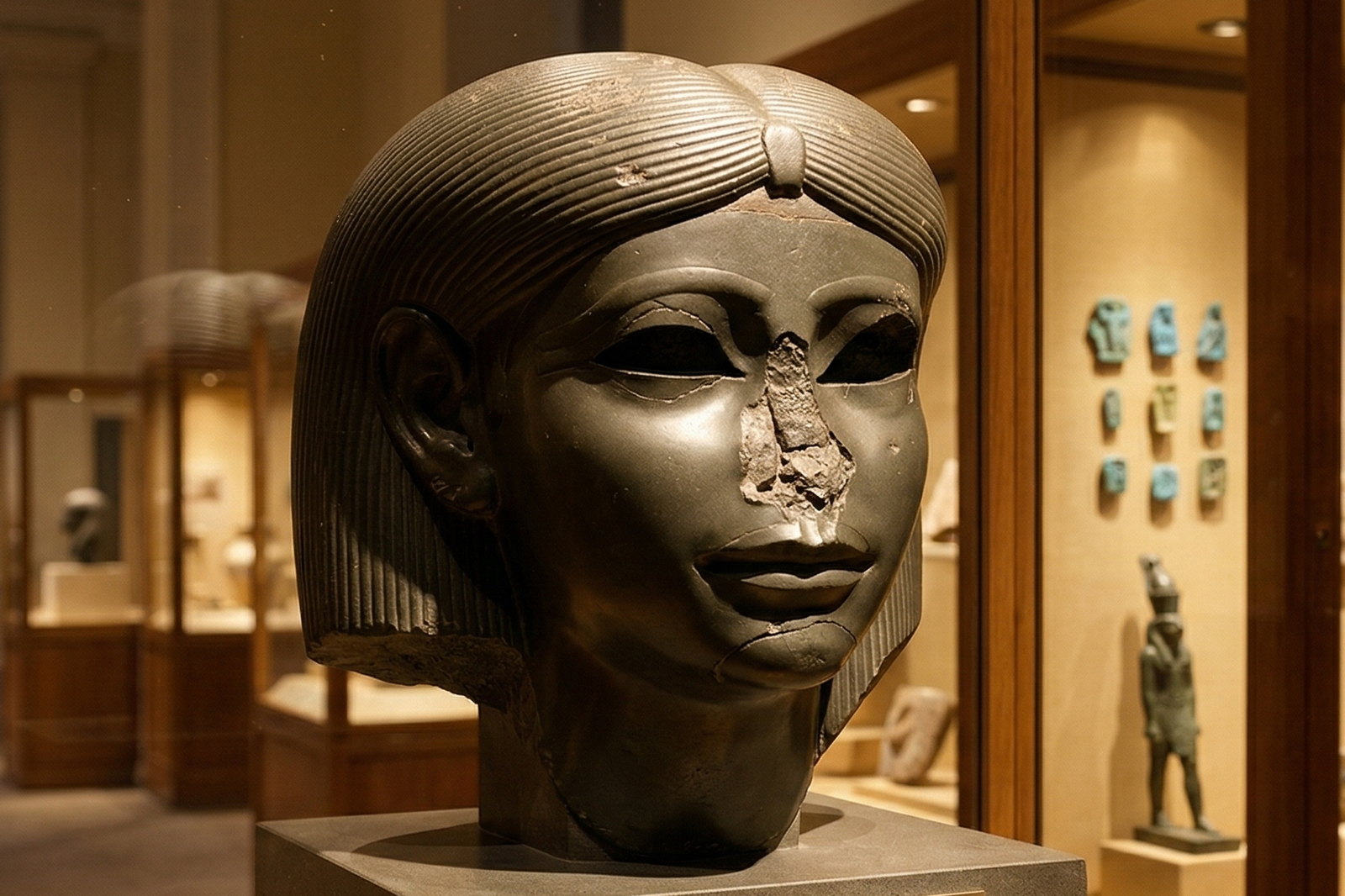
The last pharaoh of the 12th Dynasty was Sobekneferu (or Neferusobek), who reigned c. 1806–1802 BCE and was the first female pharaoh to be attested as having assumed the full fivefold titulary of pharaoh, including King of Upper and Lower Egypt. She was a daughter of the mighty Amenhat III, and her rise to power was during a succession crisis following the demise of her brother and is attributed to the completion of several major construction projects, including extensions of the Labyrinth at Hawara. Her brief reign was a radical departure, with statues portraying her wearing the royal kilt and headdress, a combination of feminine and masculine royal imagery.
3. Nitocris – The Queen of the Mythical Revenge
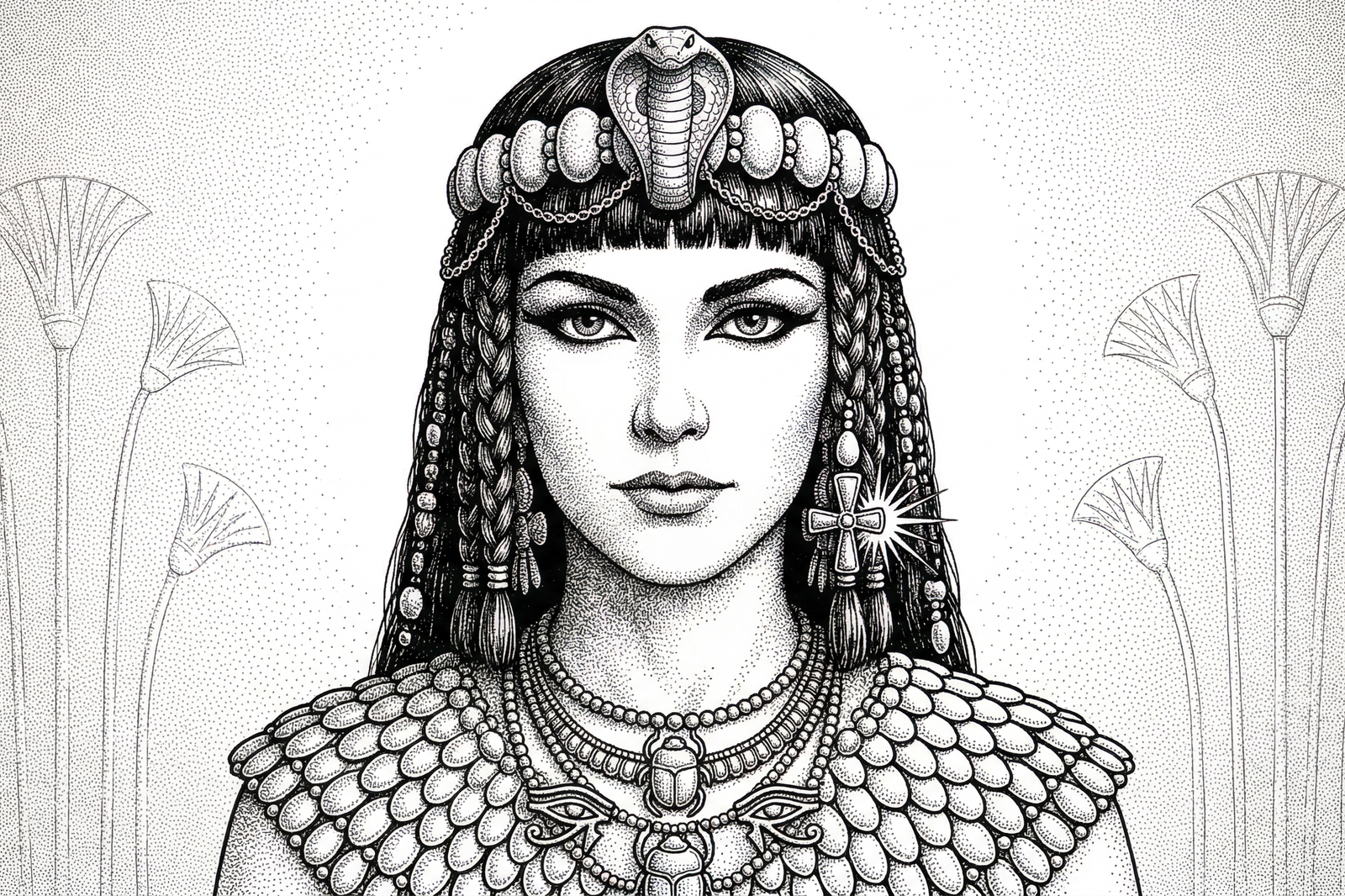
Nitocris is conventionally dated to the end of the Sixth Dynasty (c. 2200 BCE) and is recalled in ancient legend as a revengeful queen who took vengeance on the murder of her brother by filling a banquet hall with the waters of the Nile in order to drown those who plotted against her. Although some historians argue that she was not entirely historical but rather a legend in part, she is mentioned in the lists of kings and in the writings of Manetho. It is said that she reigned briefly in a turbulent period at the end of the Old Kingdom and applied intelligence and dramatic justice to keep the order until the start of the First Intermediate Period.
4. Khentkaus I – The Mother of Kings
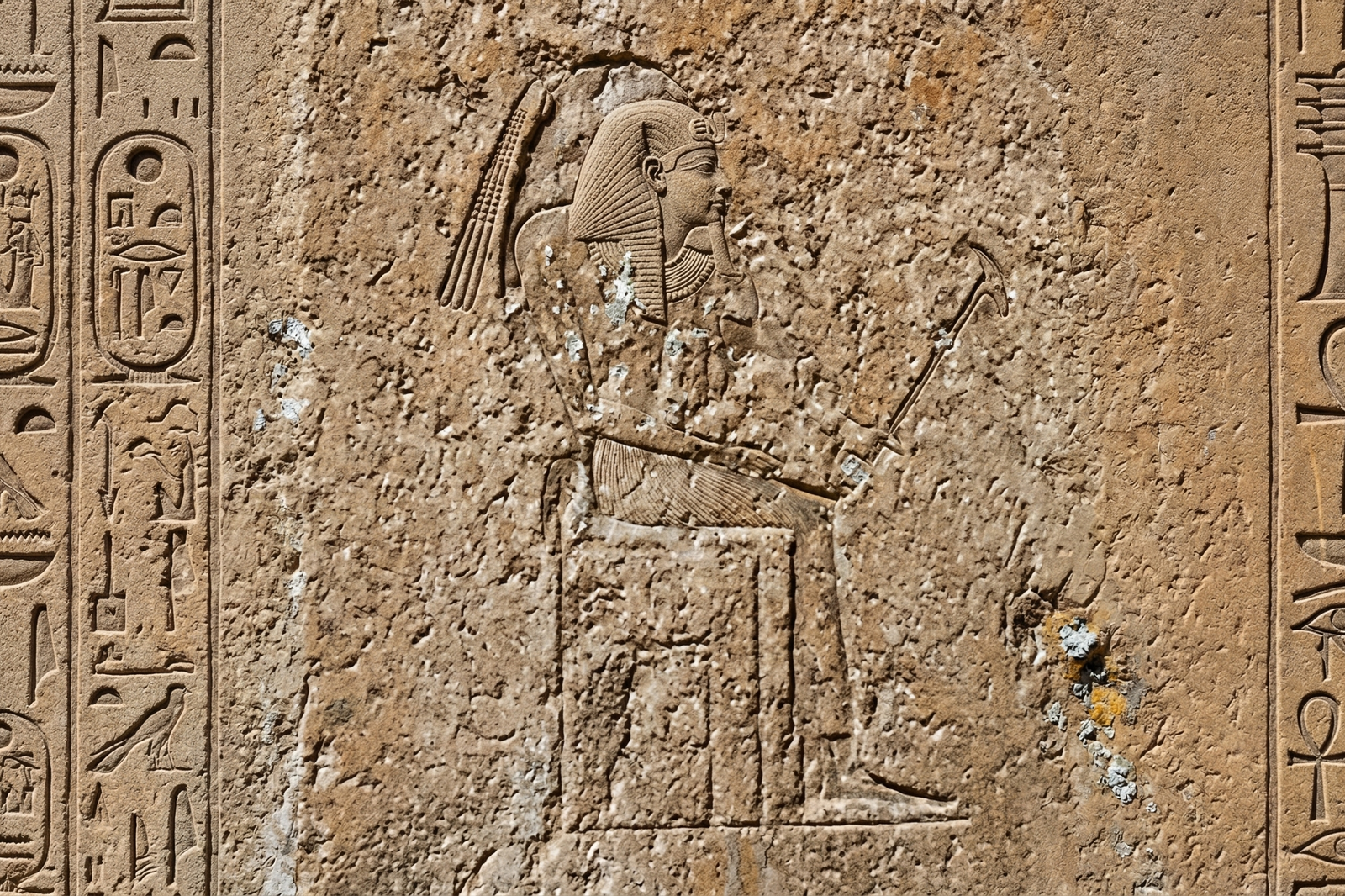
Khentkaus I, a mighty queen of the fourth dynasty (c. 2500 BCE), is sometimes referred to as the mother of two kings and possibly reigned as a regent or even pharaoh herself following the death of her husband. Her huge tomb at Giza, the fourth pyramid, contains inscriptions indicating she was somehow kingly, with some interpreting it as the title of King of Upper and Lower Egypt. She was instrumental in the change between the constructors of the Great Pyramids and the following generation, as she had power and thus contributed to the golden age of the Old Kingdom.
5. Neferneferuaten – The Mysterious Co-Regent
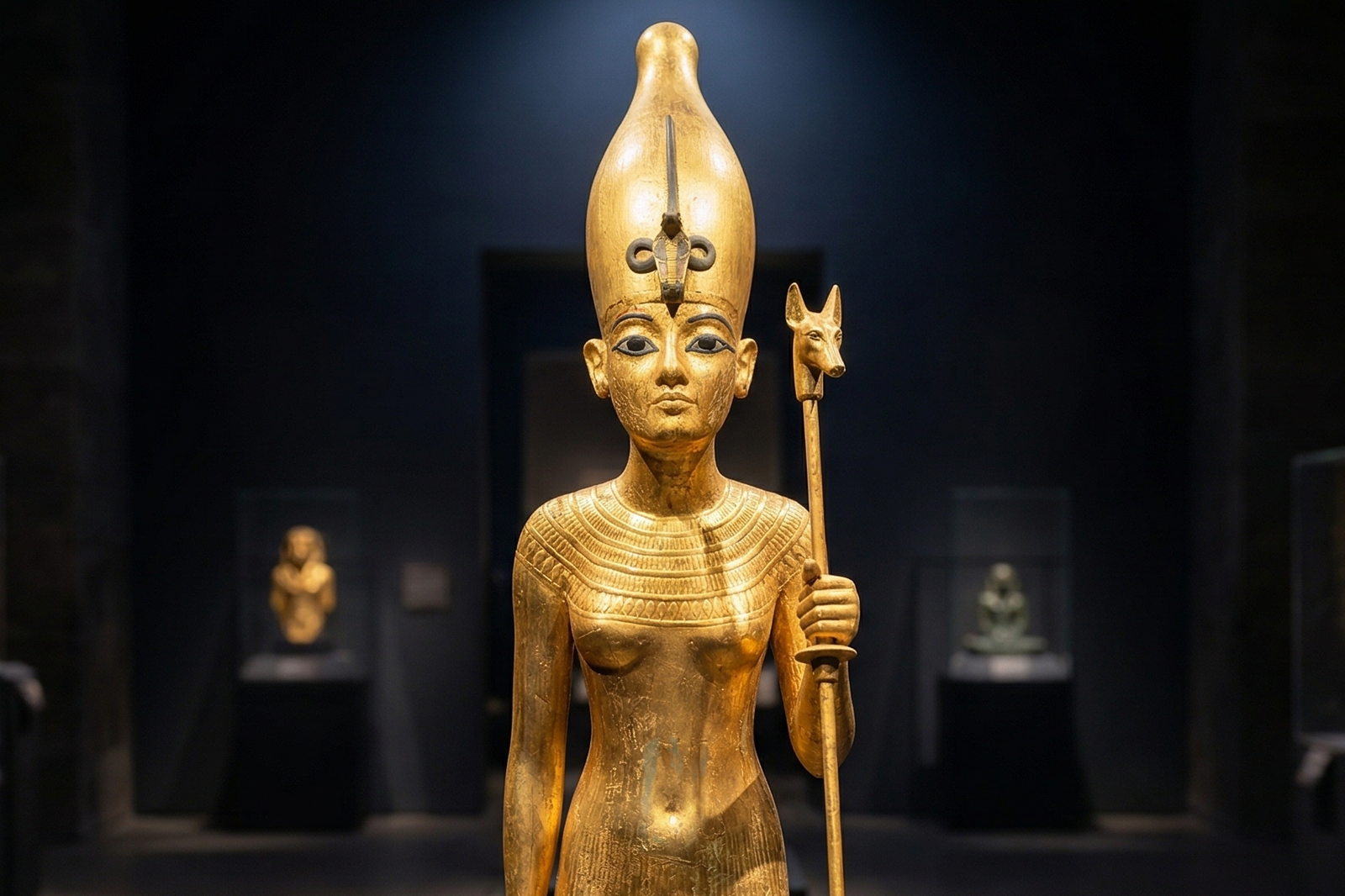
One of the most mysterious female pharaohs is Neferneferuaten, who was probably Nefertiti in a new name towards the end of the Amarna Period (c. 1330s BCE). She seems to have lived on to become co-regent or sole pharaoh after the death of Akhenaten and assumed full kingly titles and the epithet “Effective” for her husband. Inscriptions and artifacts indicate that she may have aided in restoring Egypt to traditional religion and remained powerful despite the religious turmoil of her time, the subject of debate among scholars to be the subject of scholarly controversy.
6. Twosret (Tawosret) – Last Pharaoh of the 19th Dynasty
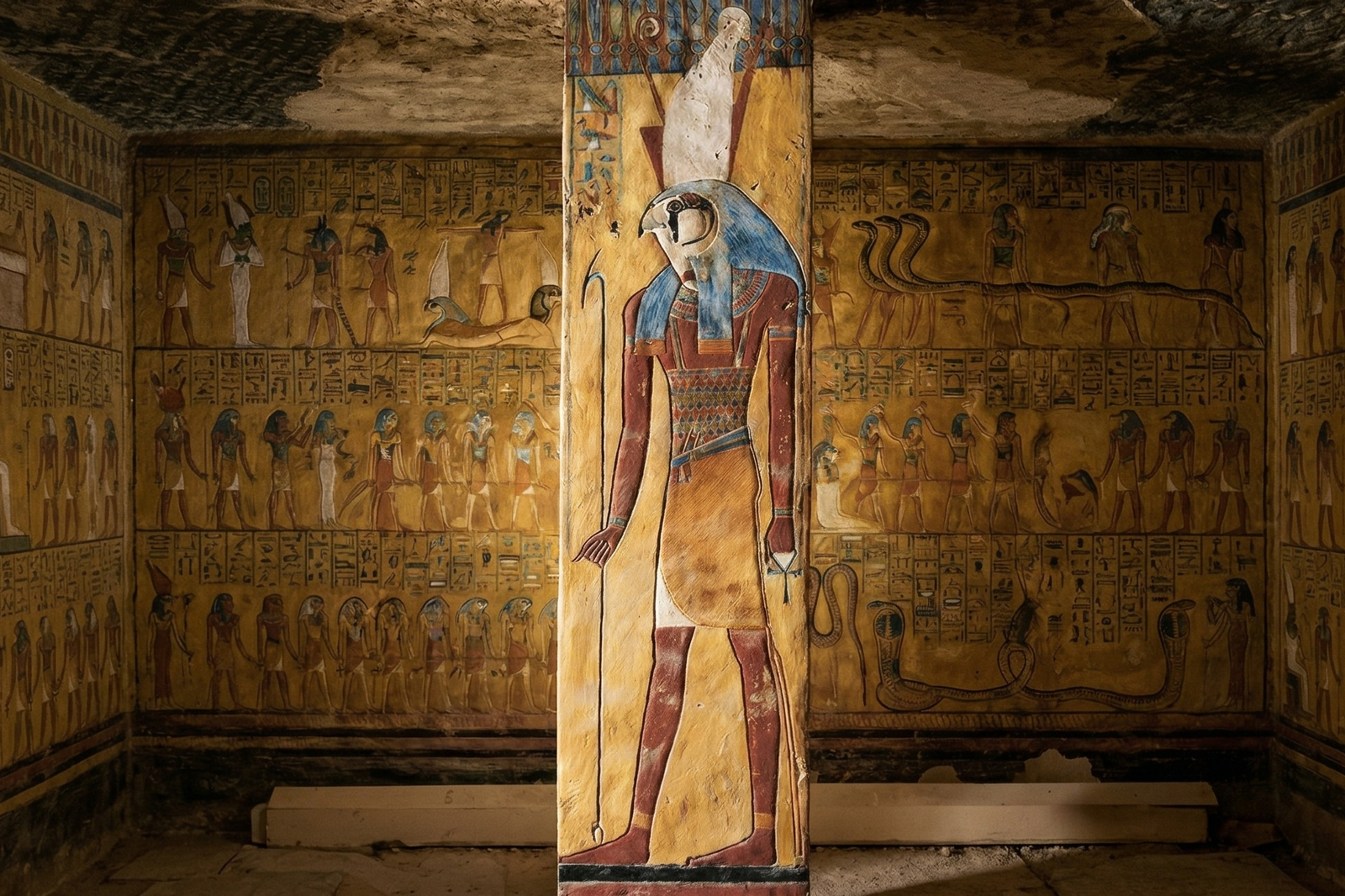
Twosret became the last pharaoh of the 19th Dynasty circa 1191–1190 BCE following her tenure as a regent to her stepson Siptah. She assumed complete pharaonic names, such as Strong Bull, daughter of Ra, and is represented with a kingly attitude in monuments. Her political reign culminated in political anarchy, which gave way to the 20th Dynasty, yet she bequeathed a tomb in the Valley of the Kings (KV14), which was later usurped. Twosret is one of the final strong women who took the throne before Egypt descended into another phase of instability.
7. Ankhnespepy II – The Queen of the Influential Sixth Dynasty
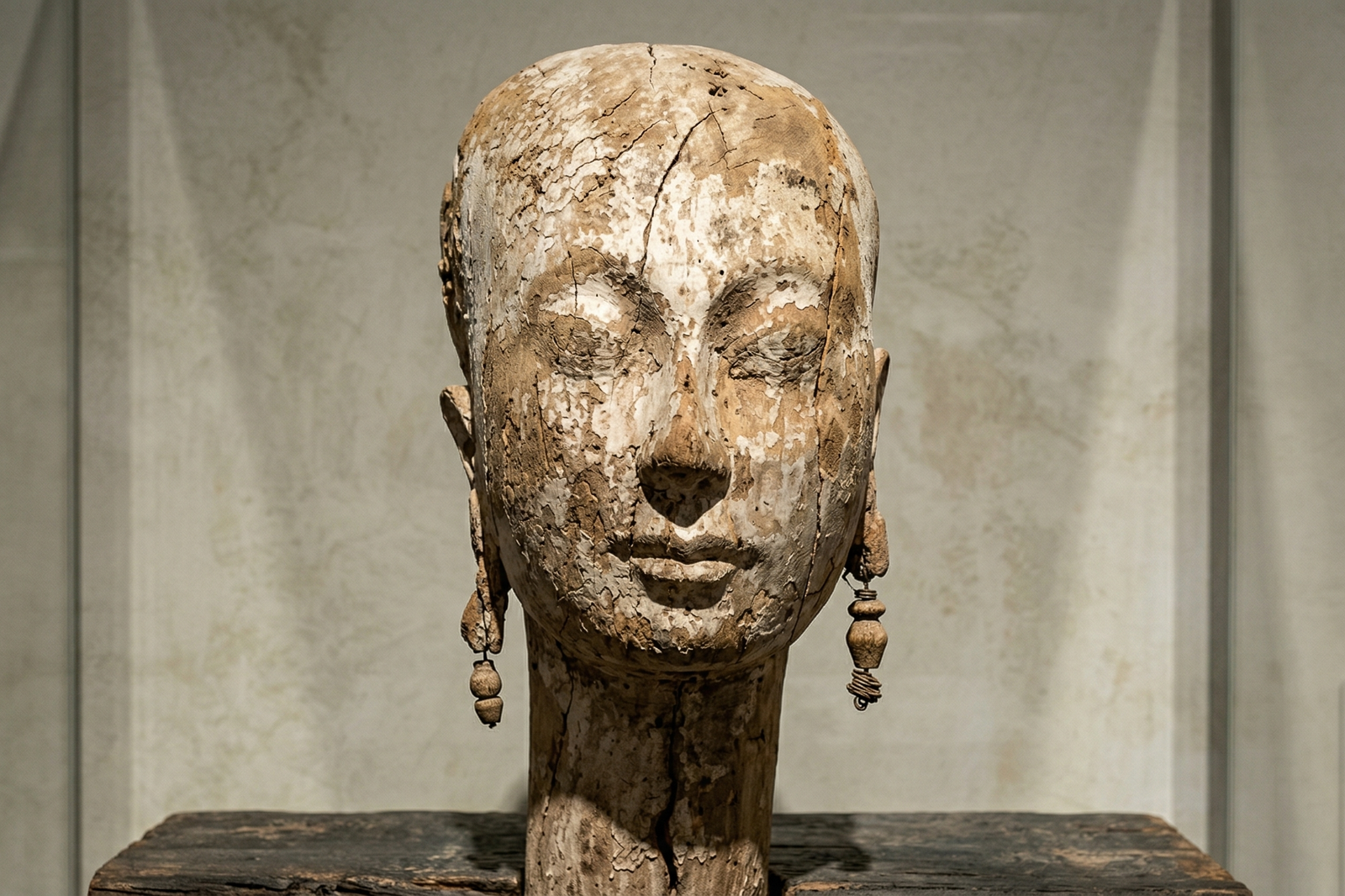
The queen and later regent of the Sixth Dynasty (c. 2300 BCE), Ankhnespepy II, was a very powerful figure, wife of Pepi I and mother of Pepi II. Even though she is depicted in pharaonic postures on monuments, and even in her own pyramid, she included kingly Pyramid Texts, which were the privileges of the male pharaohs. She played a central role in stabilizing the kingdom when her son was in a long minority rule and thus was one of the most important political and religious leaders whose legacy transcended the traditional gender lines.
8. Neithhotep – The Consort of the Unifier became a Ruler
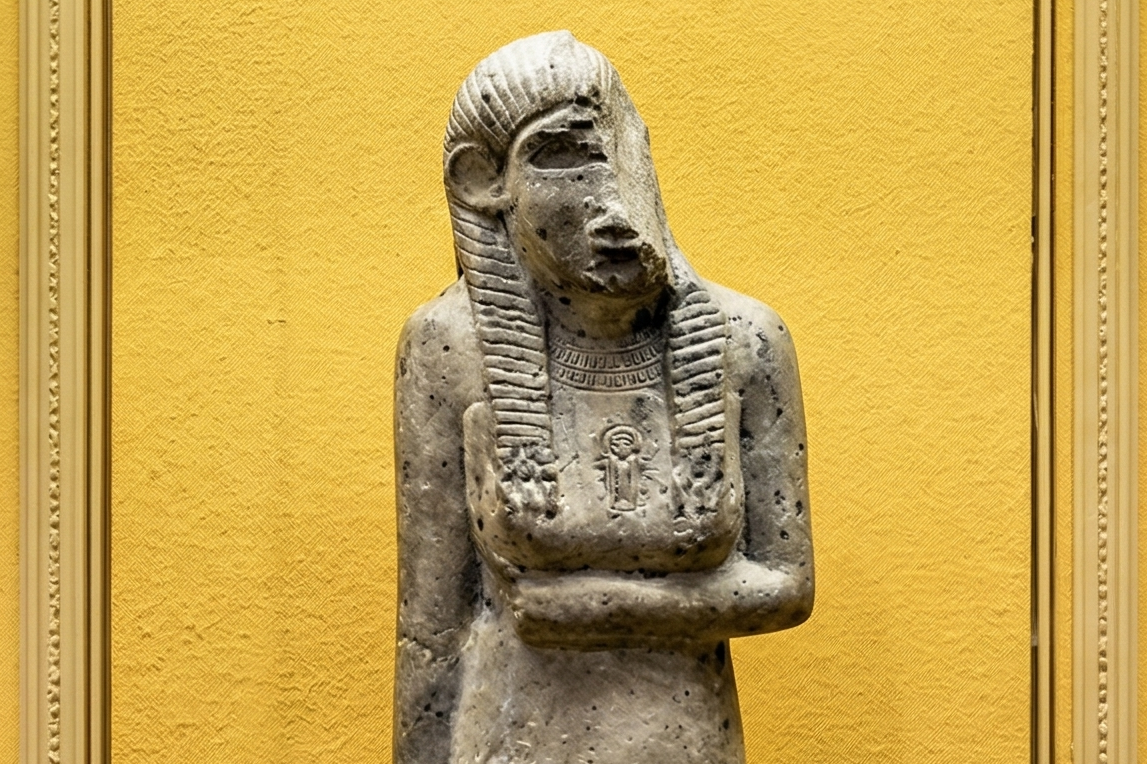
Neithhotep, linked to the First Dynasty’s origin (c. 3100 BCE) and possibly a wife of Narmer or Aha, may have served as regent after her husband’s death. She is referred to by royal signs, and at Naqada, she had a huge tomb, indicating a high status. Other scholars think that she aided in unifying Egypt, which had just been put together, and served as an intermediary between the predynastic period and the official dynasties. Being one of the first influential women in Egyptian history, she established some precedents of female power that would resonate throughout the millennia.
9. Ahhotep I – The 17th Dynasty Queen of the Warriors
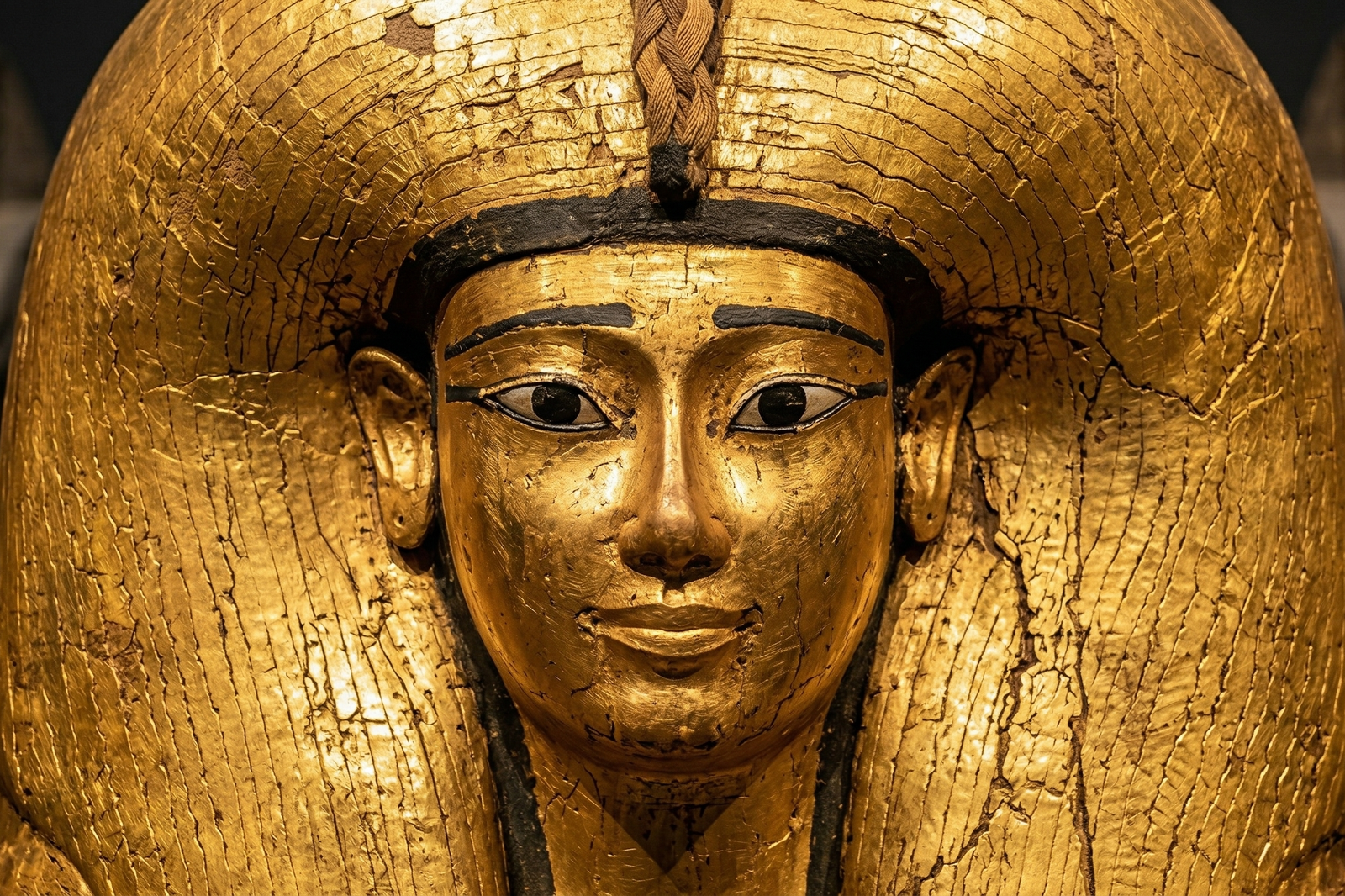
Ahhotep I, the mother of Ahmose I, the founder of the 18th Dynasty and the driving force out of the Hyksos invaders (c. 1550 BCE), is revered because of her military efforts in Egypt’s war of liberation. She received the bravery award, the Golden Flies of Valor, and is said to have rallied the troops and kept order when her husband and sons went to war. Her wealth of burial goods comprised weapons and ceremonial objects, which emphasized her active role in the restoration of the unity and power of Egypt at the beginning of the New Kingdom.