Money from ancient times exists as physical items which display how a country has changed its national identity throughout history. Modern currency design uses uniform patterns to enhance safety but older American banknotes displayed detailed artistic designs which included hidden historical elements that demonstrated the values and conflicts of their respective historical periods.
The Mystery of the “Spider Web” Design
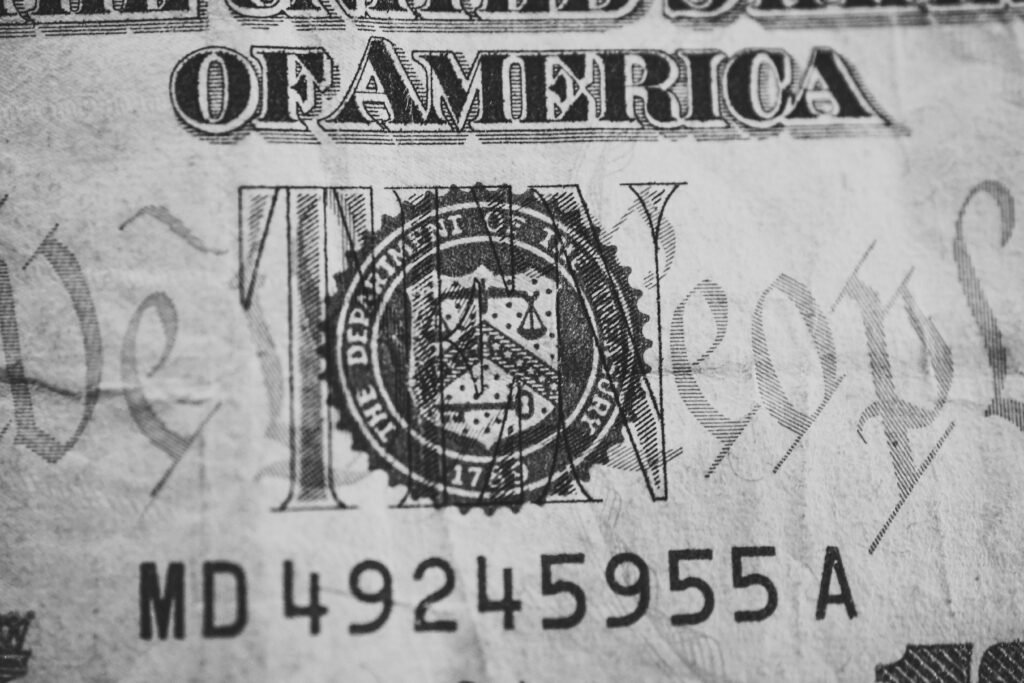
The 19th century dollar bills featured engravings which had such detailed patterns that they showed the same appearance as delicate spider webs. The artwork served as both an artistic element and a protective mechanism. The real-life engravers dedicated months to their work because they understood that each hand-carved plate would produce distinct results which made it hard for counterfeiters to reproduce their work.
The Rise of “Horse Blanket” Notes
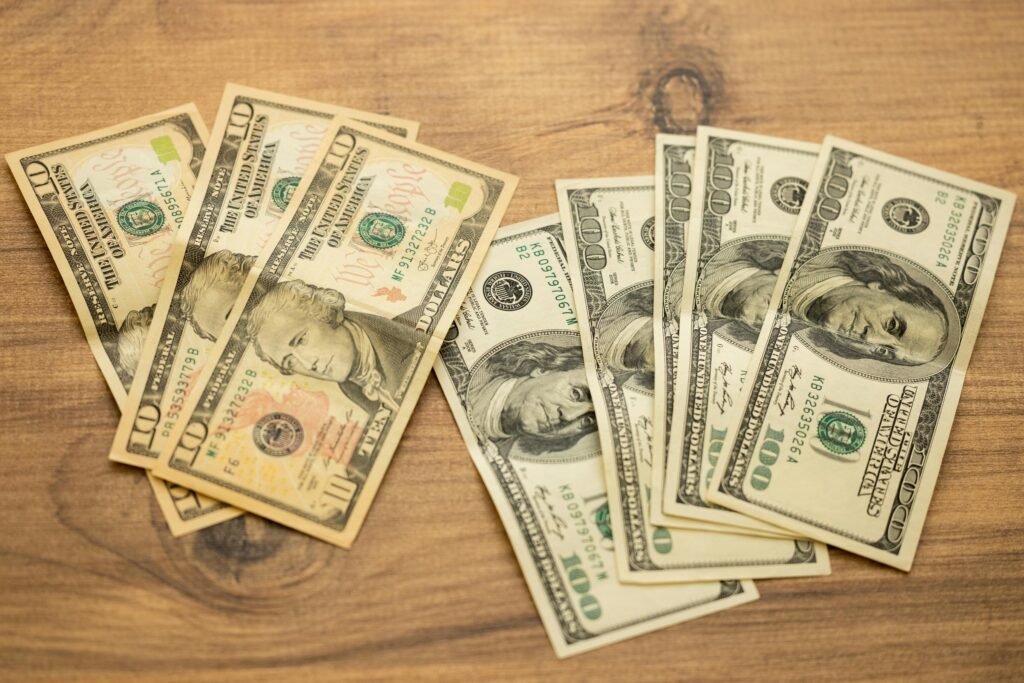
American paper money before 1928 had dimensions which exceeded the current size by approximately 30 percent. The massive size of these items led to their nickname of “horse blankets.” The design was purposely made to look heavy and valuable because it enhanced public trust in paper currency as superior to gold or silver coins.
The “Red Seal” Emergency Notes
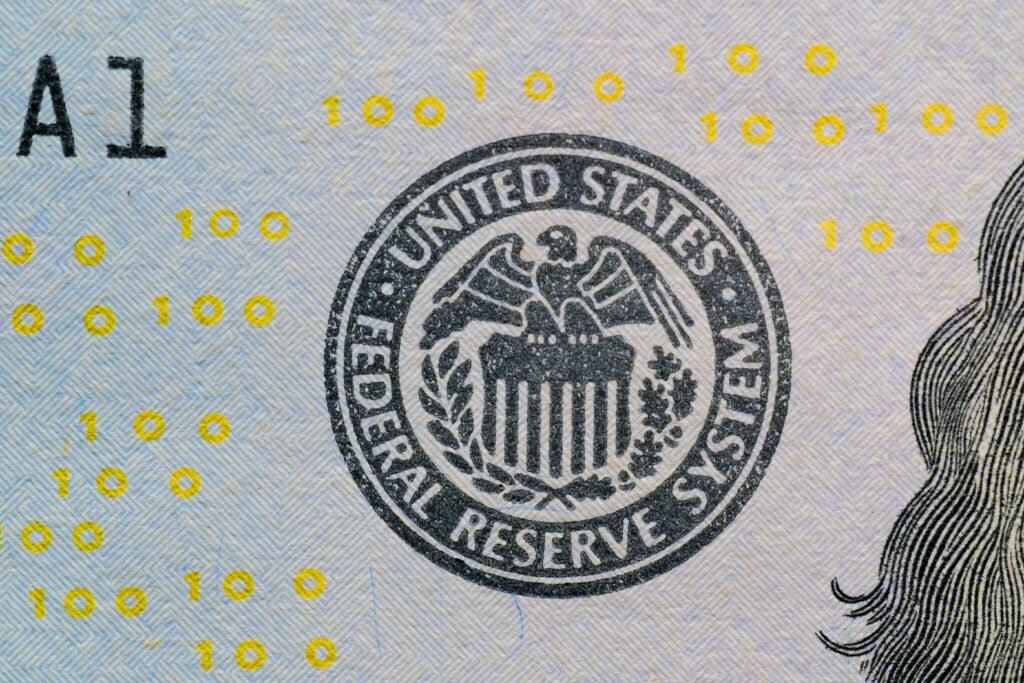
The United States issued special currency with brown and yellow seals during World War II for distribution to soldiers stationed in Hawaii and North Africa. The U.S. government could declare all “colored” notes as non-valuable if the enemy took over the islands or territories without causing any economic damage to the entire country.
The $10 Buffalo Bill
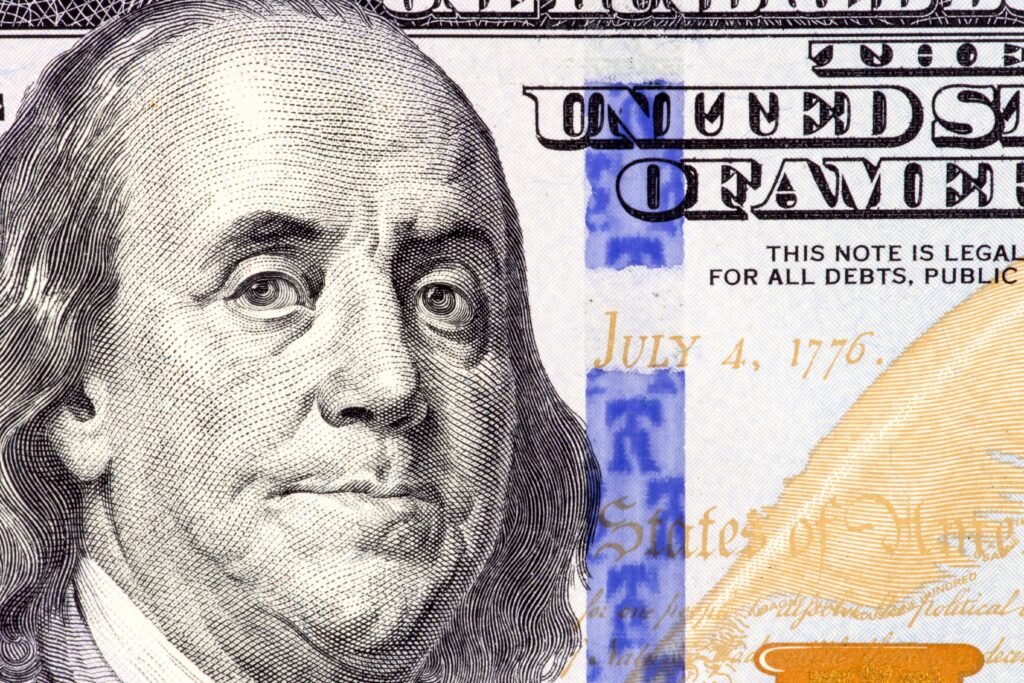
In 1901 the $10 bill showcased the American Bison named Black Diamond. The design choice existed to honor the untamed wilderness of the wild frontier. The American banknote system permits only one instance which allows a non-human creature to serve as the main portrait on a high-value banknote.
Hidden Symbols on the Dollar Bill
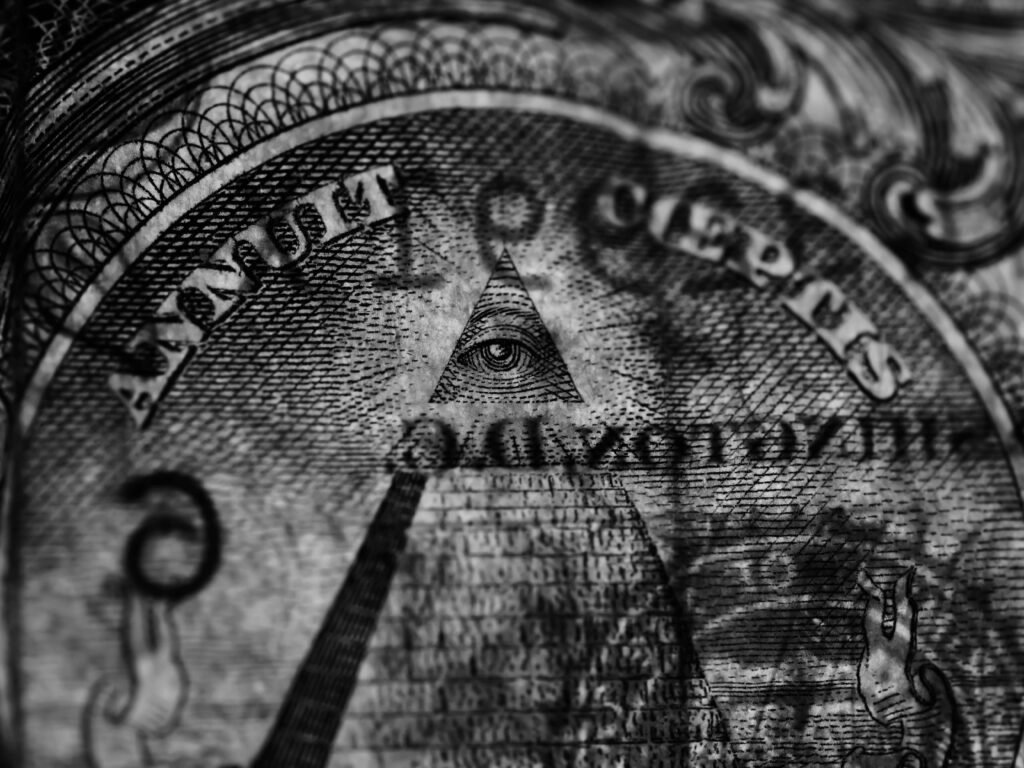
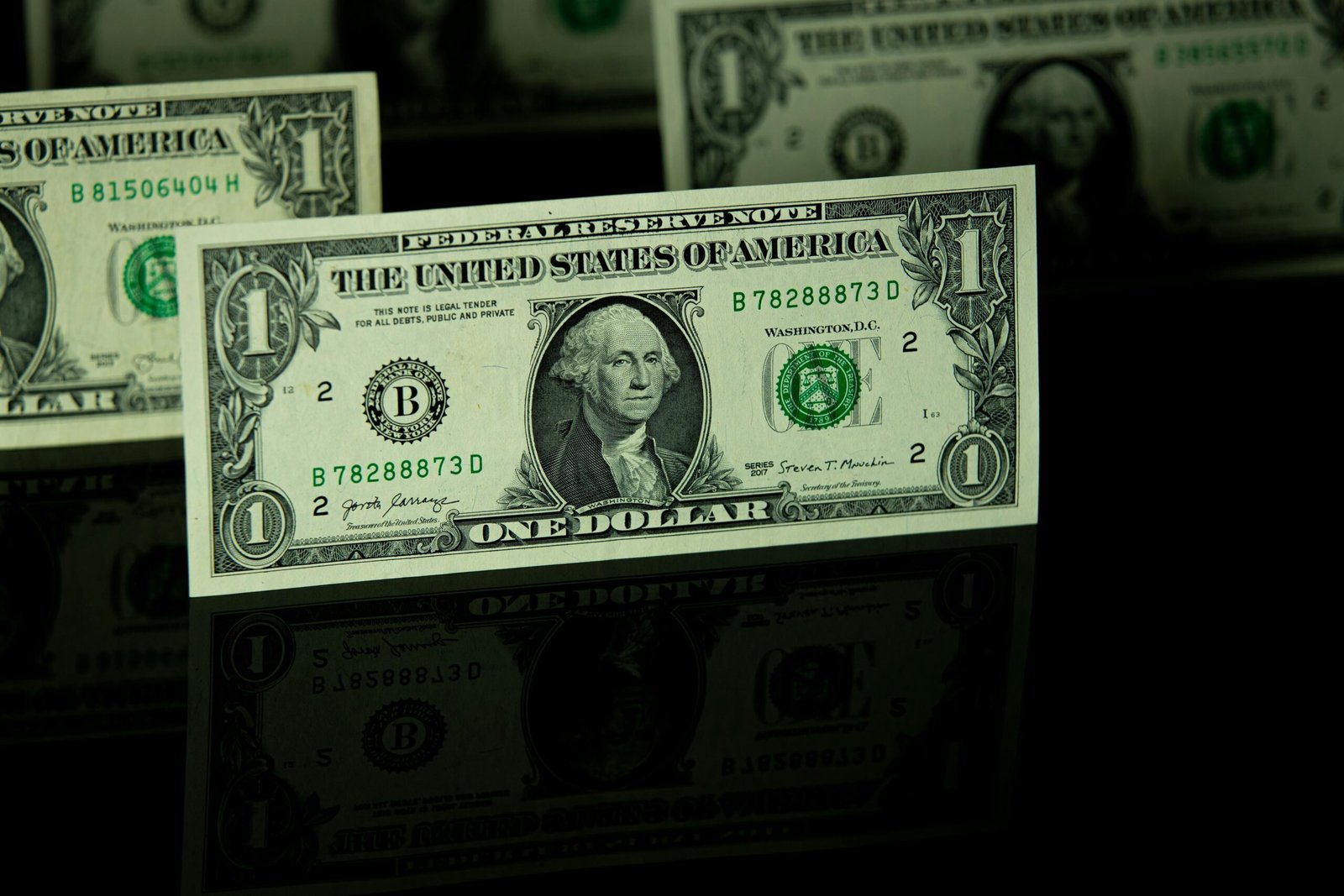
The Great Seal on the $1 dollar bill back features two symbols, the pyramid and the eagle and people see the “all-seeing eye” which was designed to show how God watches over the development of the new country while its pyramid of states remains incomplete.
The Short-Lived Two-Dollar Bill
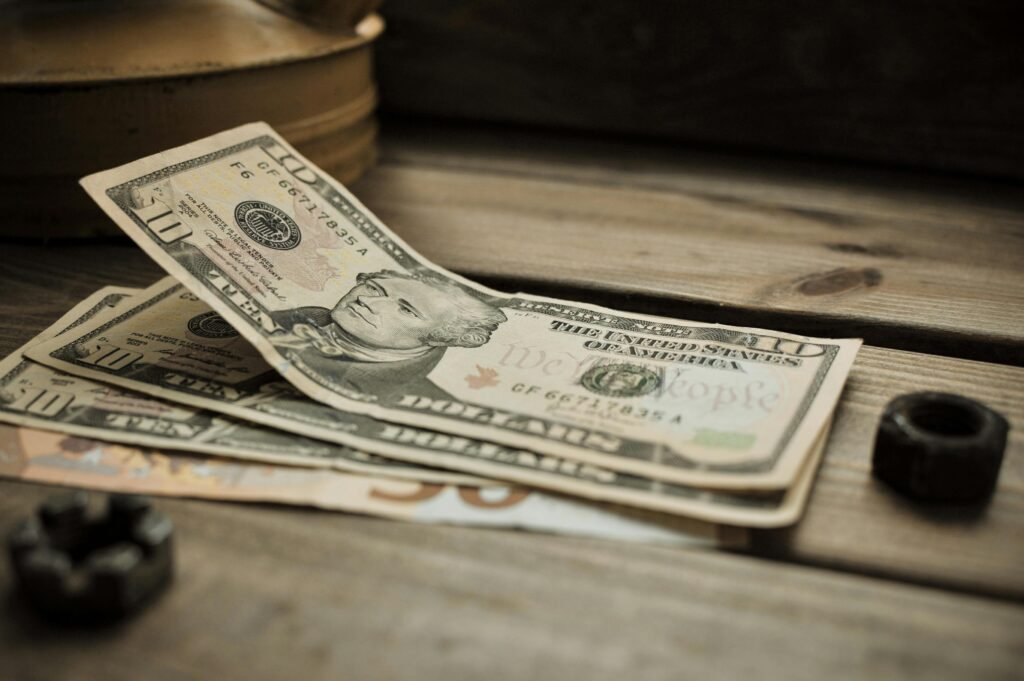
People use the $2 bill as a lucky charm because they still spend it and the history of this item shows that sailors and gamblers believed it brought bad luck, which led people to tear off bill corners as a method to “reverse” the curse, resulting in vintage $2 bills with missing corners becoming a common discovery.
The “Broken Bank” Era
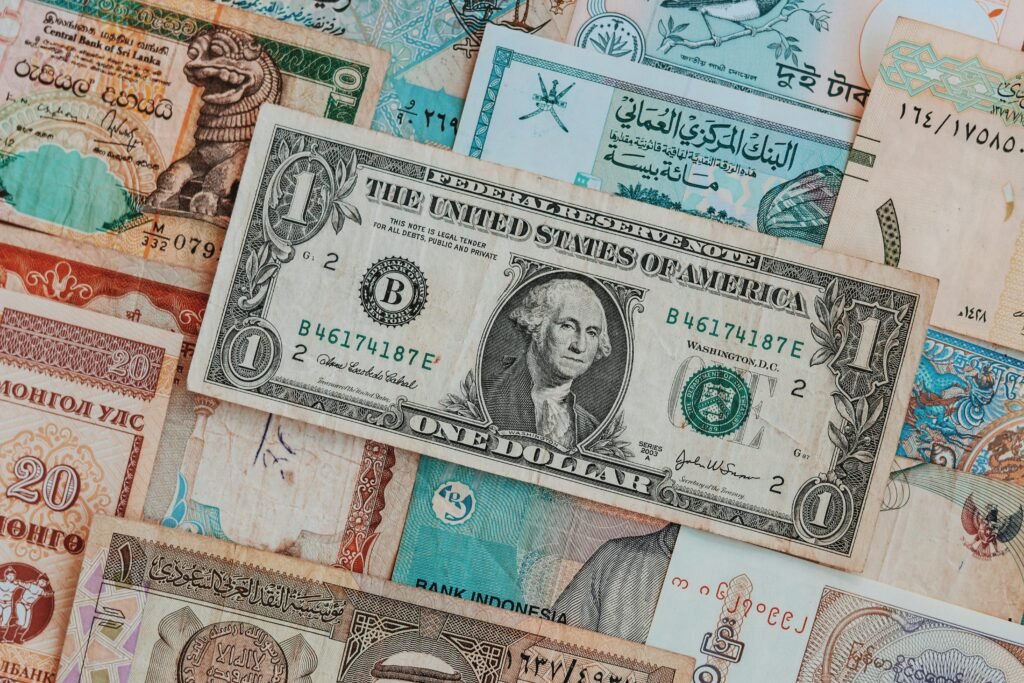
Private banks during the mid-1800s established their own currency printing operations. The money lost all value when the bank went bankrupt because it became “broken” and worthless. People used different designs during this time which included bills featuring local farmers and steamboats and Santa Claus images to draw in customers.
The Educational Series of 1896
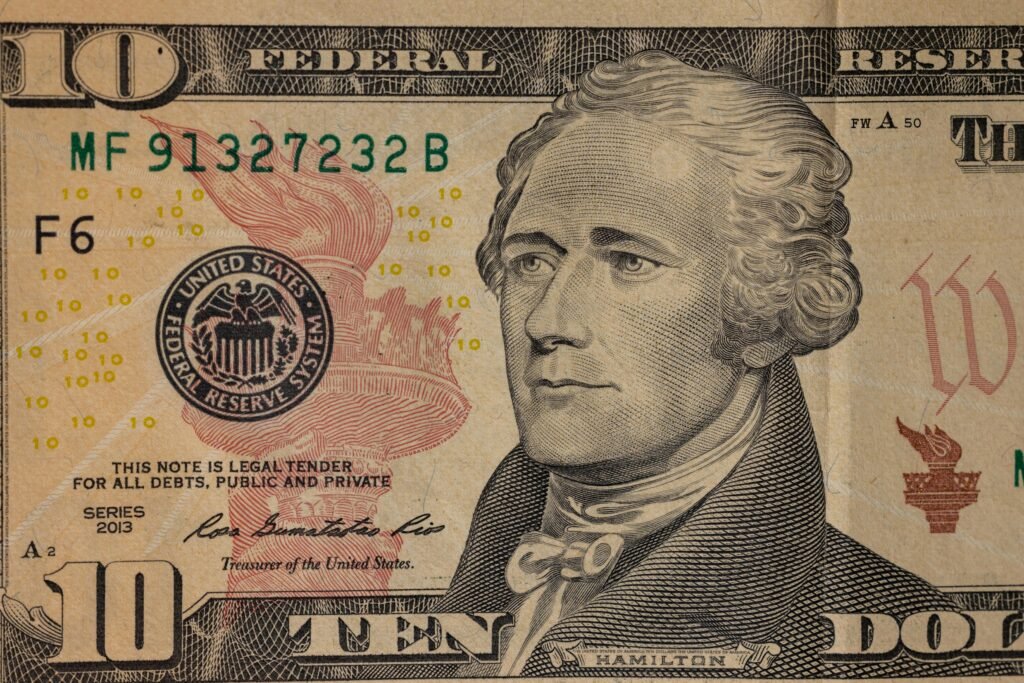
The silver certificates from this series represent some of the most beautiful money ever created because they feature neoclassical artwork that depicts “Electricity” and “Commerce.” The public needed to learn about modern innovations through the art which designers included in their wallet designs.
The Missing Female Portraits
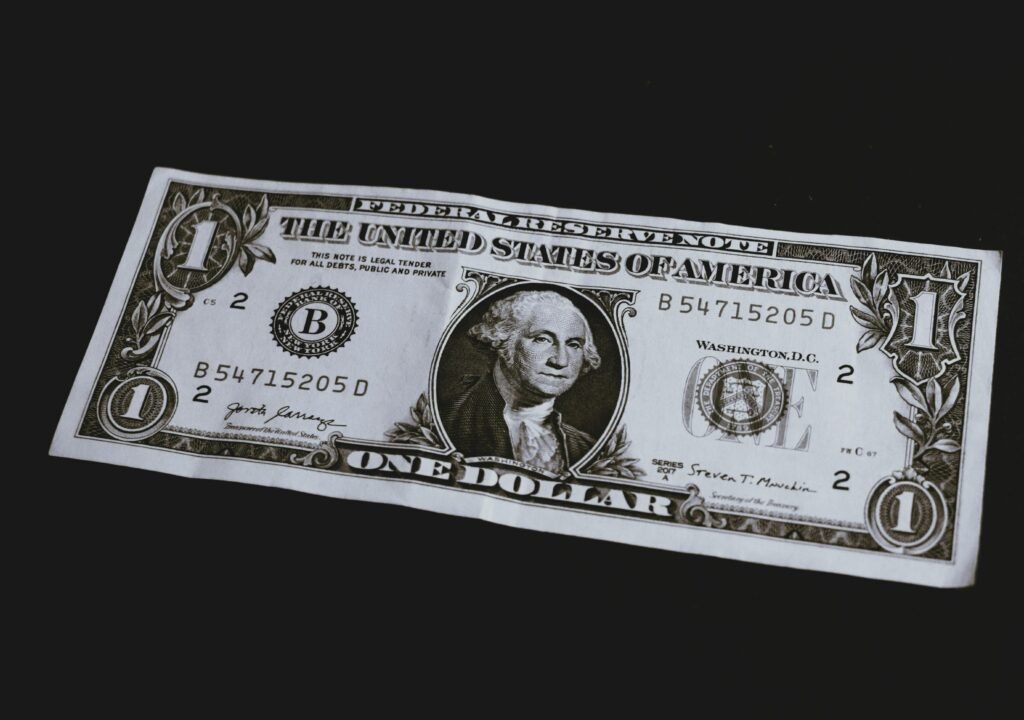
Martha Washington appeared on the $1 Silver Certificate in 1886 but most female figures represented abstract ideas instead of presenting actual physical appearances. The government shifted to honor specific historical presidents who had resided in the White House after using “Lady Liberty” as a representation of abstract freedom concepts.
The “In God We Trust” Addition
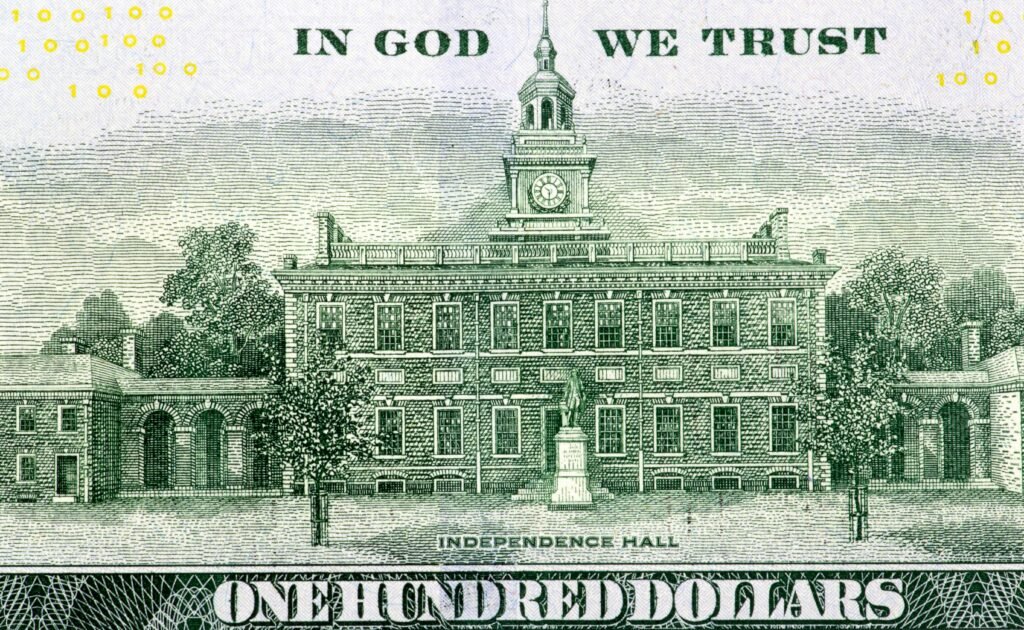
The motto became a permanent part of currency when it first appeared on coins during the Civil War because people showed more religious devotion. The mid-1950s mandated its use on all paper currency to unify the nation which started with its appearance on Civil War coins.