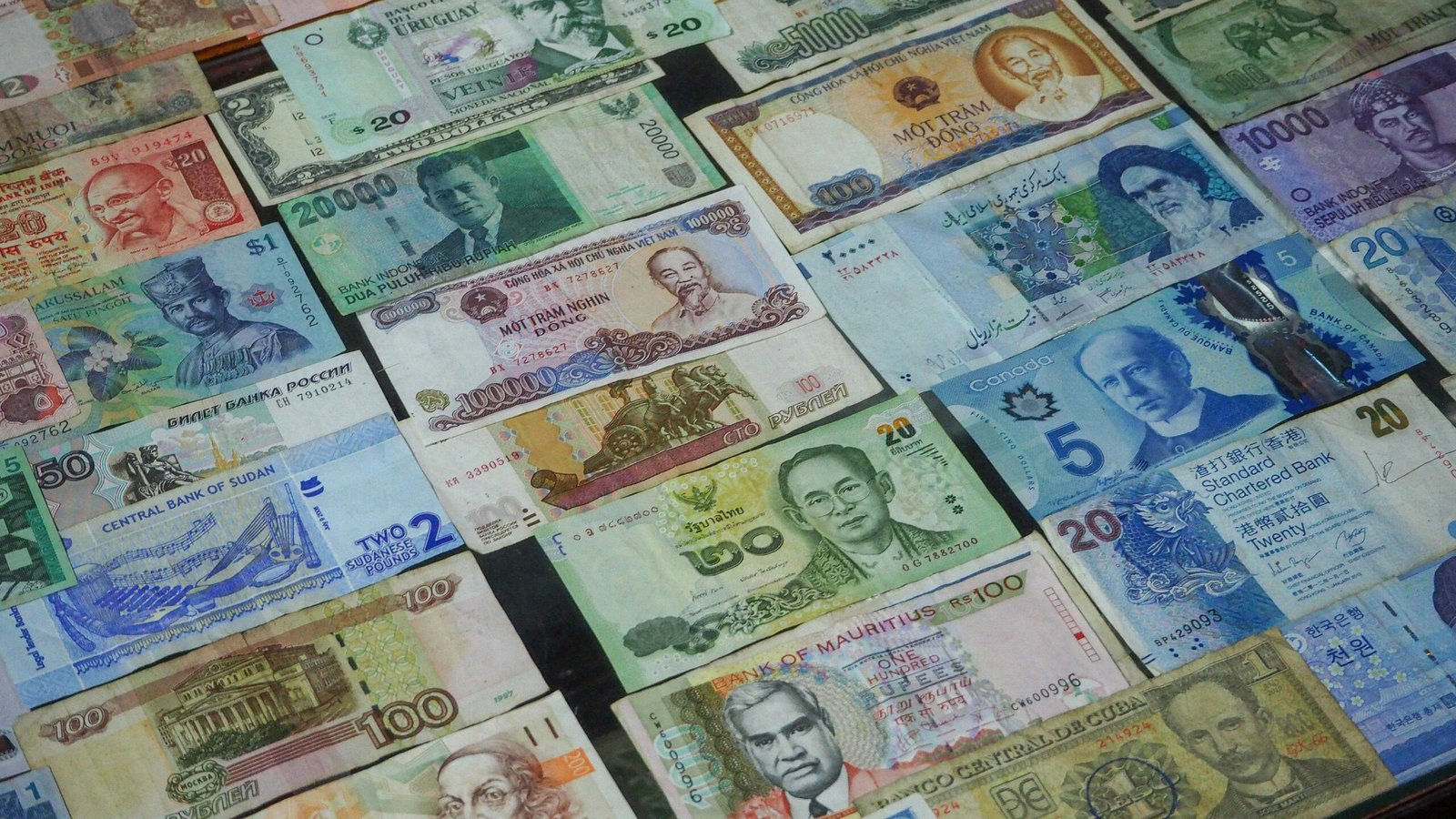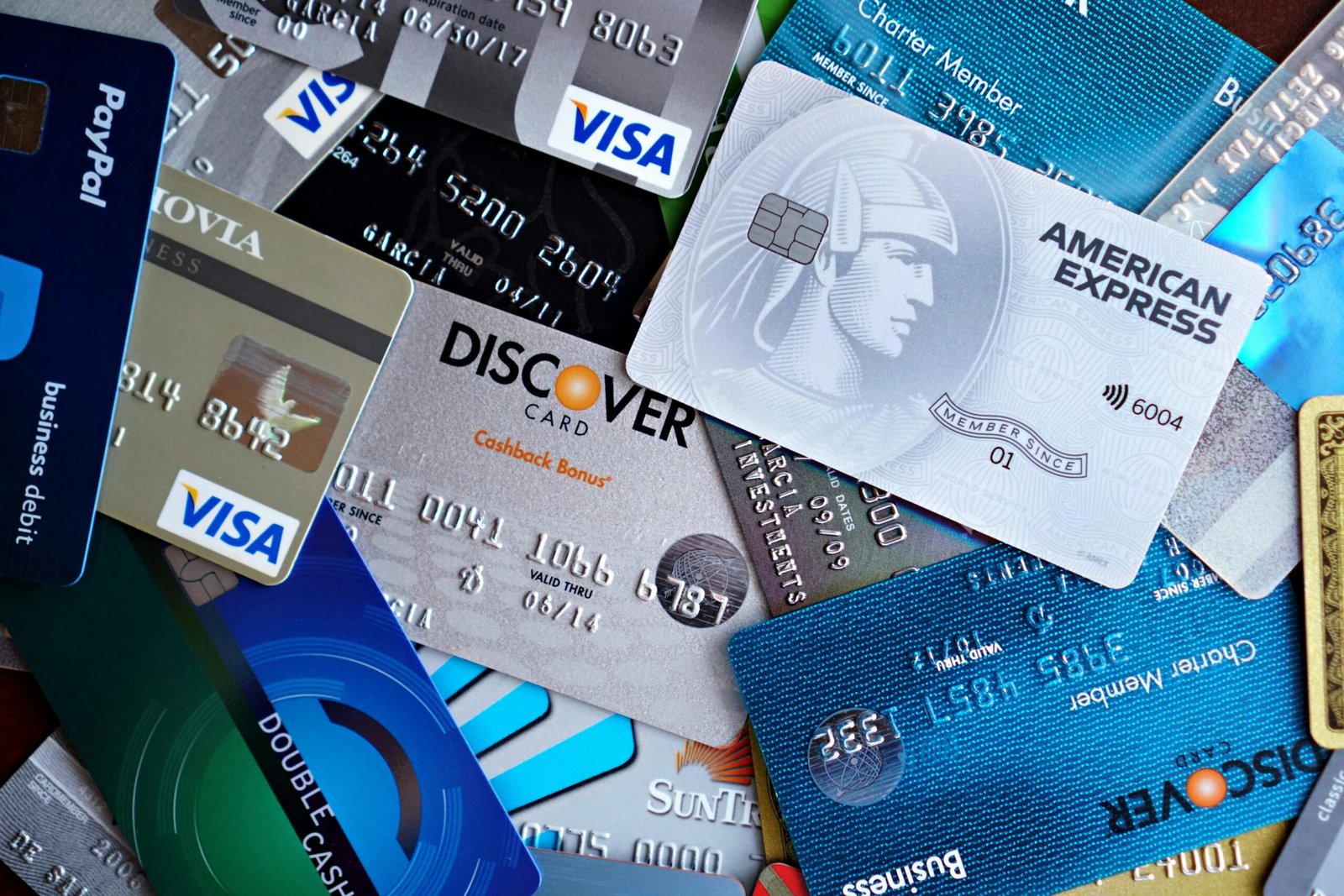
Money stands as one of the most exceptional innovations which people have developed throughout history. The design of money emerged as a solution to resolve the challenging situation which people faced when their needs did not match. The physical form of money has transformed into digital currency, yet its power to shape our everyday choices continues to affect us.
The Barter Problem

Before money existed, people needed to locate a specific individual who owned a chair and wanted to trade it for their goat. You faced a problem because they preferred to receive a chicken instead. The creation of money enabled people to initiate trades with any person in any location without requiring knowledge of the other person’s immediate needs.
From Shells to Gold
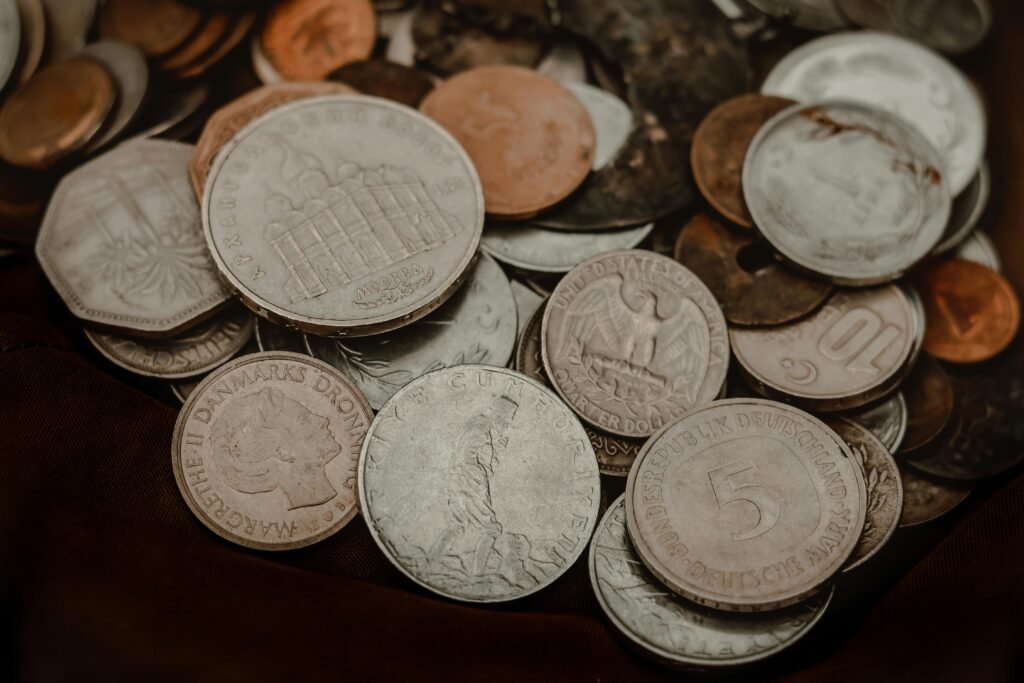
People created early money as their collective decision to use particular items as valuable currency instead of paper money. People across the globe used cowrie shells and salt and enormous stones as currency. People used these items as money because their scarcity and permanent nature validated their status as “store of value” that maintains worth throughout time.
The Invention of Trust
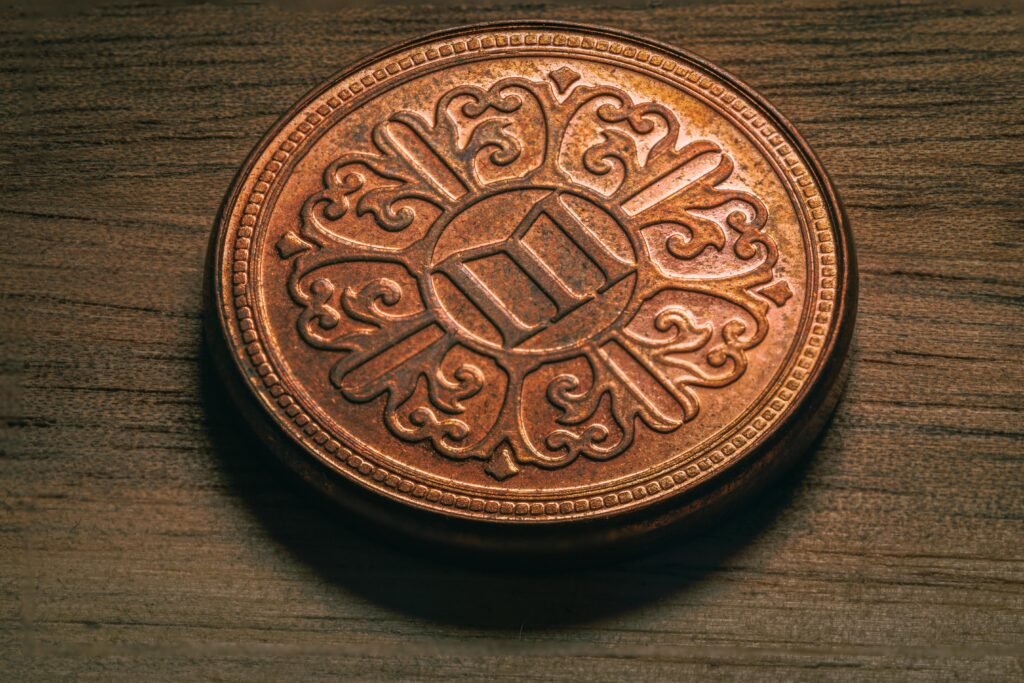
The first coins appeared in Lydia (modern-day Turkey) around 600 BC and by stamping a lion’s head on a piece of metal, the king was essentially giving his word that the coin was pure. The shift to contemporary economies began when societies abandoned weighing metal to establish trust in authoritative figures.
The Paper Promise
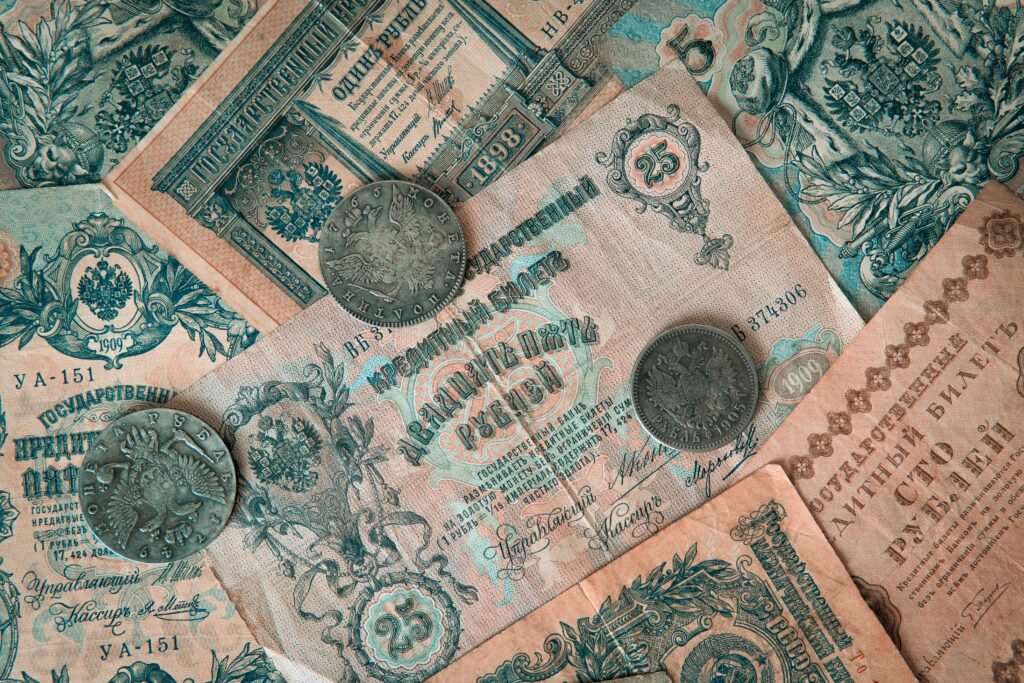
Chinese merchants developed paper money as a “receipt” system which confirmed the storage of iron coins in vaults. People found it more convenient to transport paper documents instead of carrying metal coins in a bag. The study showed us that money can exist as something other than weighty objects which shine because its value comes from its ability to function as a future promise.
A Language of Value

Money functions as an international communication system. It allows a coffee farmer in Brazil to “speak ‘to a software engineer in India. Through price assessment, we can determine the relative worth of a skyscraper compared to that of a sandwich which aids us in organizing the tasks of billions.
The “Future” Credit System
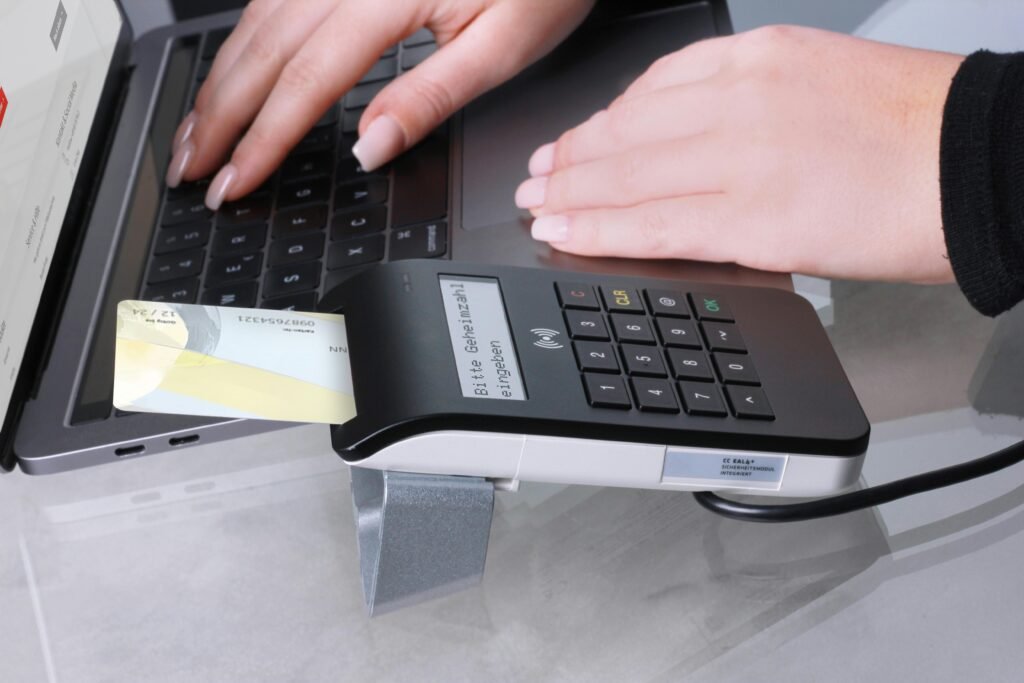
Current monetary systems function based on credit which represents money that people have not yet acquired. Your car loan functions as a mechanism through which you borrow your future work hours for immediate access. The system enables society to construct projects at a quicker pace, yet we dedicate our efforts to pay off our outstanding debts from previous periods.
The Psychology of the Number

Our biology drives us to pursue safety. Money loss triggers brain responses that mirror physical danger because money symbolizes essential resources which include sustenance and security. The loss of a hundred-dollar bill creates authentic “pain” because our brain interprets the situation as a survival-threatening event.
The Relative Worth Trap

People become prisoners of money because they utilize it to assess their social position. A neighbor who receives a salary increase will make us feel “poorer” even though our bank balance remains unchanged. People work beyond basic needs because they want to protect their social standing in the community.
Digital Invisibility
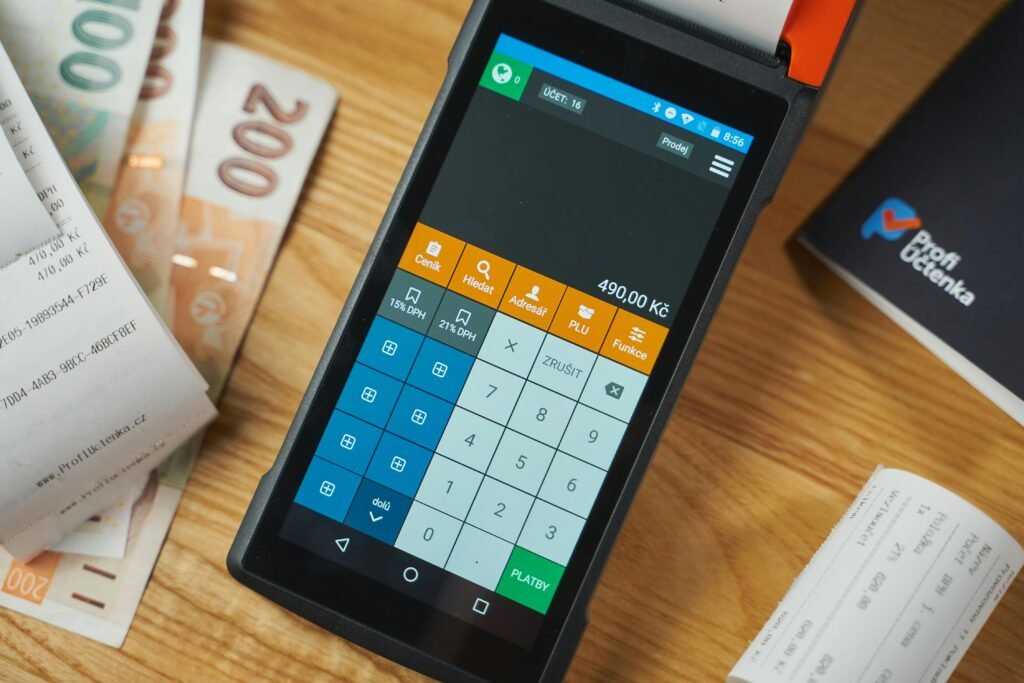
The current state of monetary transactions consists of numerical values which exist only on digital displays. Digital money enables people to spend their funds because they cannot experience the physical sensation of their digital currency disappearing from their accounts. The design departments of technology companies created “painless” spending experiences to lead customers through all stages of the financial ecosystem.
The Time Exchange
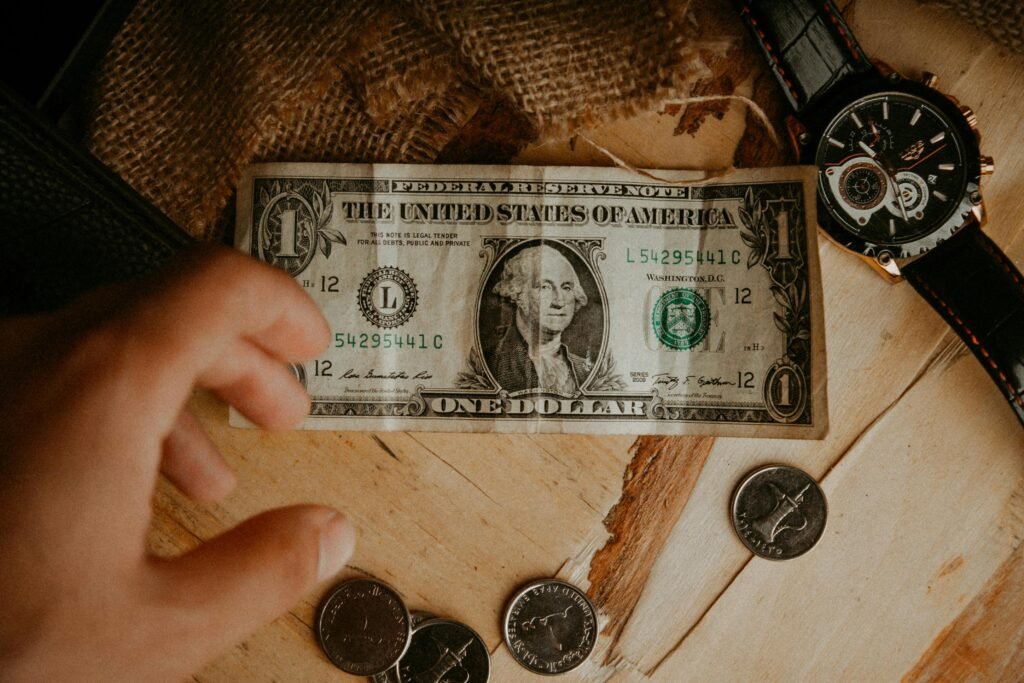
Money serves as a medium which enables you to preserve your personal “life energy.” Your work schedule of forty hours per week results in you exchanging part of your lifespan for monetary value. The world needs to realize that money should not dominate their lives because it exists to grant them liberty from control.