While high costs are the usual suspects, the real drama behind the small business struggle in 2026 is far more fascinating. It’s not just about the money; it’s about a massive shift in how the world actually works. Here is the “inside track” on why local shops are fighting for their lives in ways you might not expect.
The “Choice Overload” Exhaustion

Customers leave the store because they lack money but they actually need to leave because they reached their maximum capacity to deal with options. The continuous online options create a basic challenge for small businesses to establish their unique identity. The local gift shop loses its unique discovery experience when shoppers can find 500 different versions of a unique handmade mug.
The Death of the “Spontaneous Stroll”
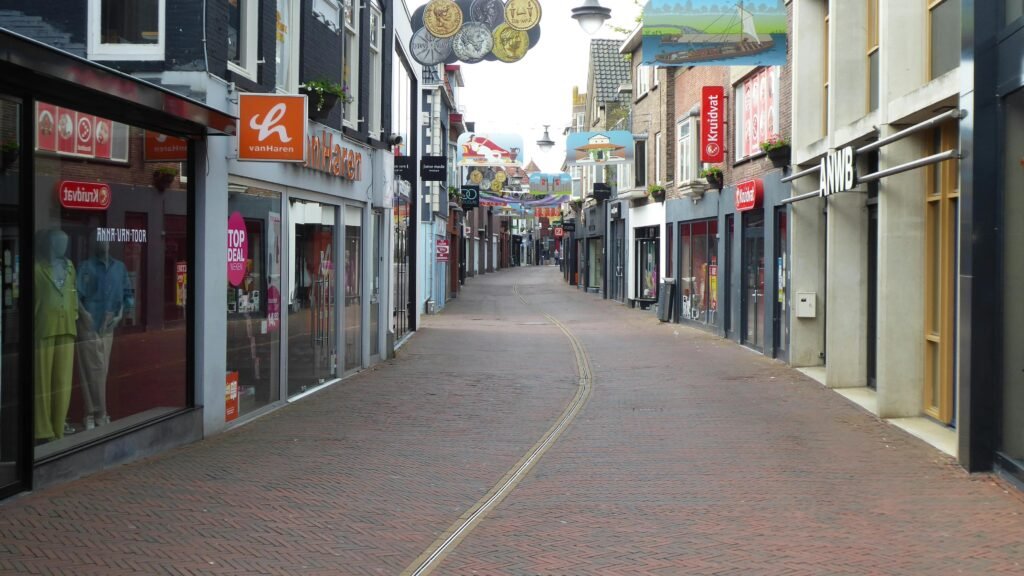
Remote work has permanently altered foot traffic patterns. The bakery that used to thrive on office workers grabbing a morning croissant is now quiet because those workers are in their kitchens and the situation creates a “geographic mismatch” because businesses operate in the city while all their customers stay home.
The “Subscription Fatigue” Ripple Effect
People spend their monthly money on digital subscriptions which include streaming services and apps and software applications. The “automated spending” system reduces available “flexible cash” which people need for unexpected trips to bookstores and boutiques.
The High Cost of Being Found
In the past, the presence of a suitable sign on a busy street ensured business success. Businesses need to pay social media platforms for “digital rent” to access their own follower base on social networks. The establishment requires advertising expenditure because they remain hidden from view even at one block distance.
The “Expertise” Gap

The process of finding a jack-of-all-trades professional has become more complicated than before. Small businesses face difficulties in building their workforce because they need to compete with large tech firms for specialized employees who can fill their delivery capacity needs.
The Instant-Gratification Standard
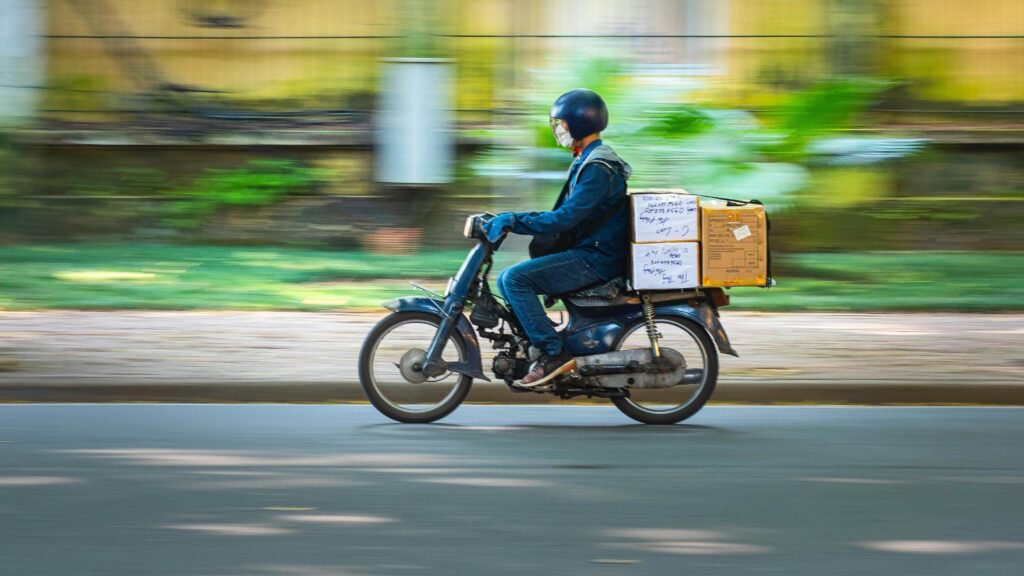
Massive delivery giants have created a customer expectation that everything should arrive “right now.” The hardware store takes too long to supply items for customers who expect instant delivery based on their experience with same-day drops.
The Review Economy Pressure

A single “bad day” for a staff member becomes permanent when they receive a one-star review which remains on their record indefinitely. Small business owners need to control their online presence because “reputation anxiety” prevents them from managing their actual store operations.
The “Curation” Crisis
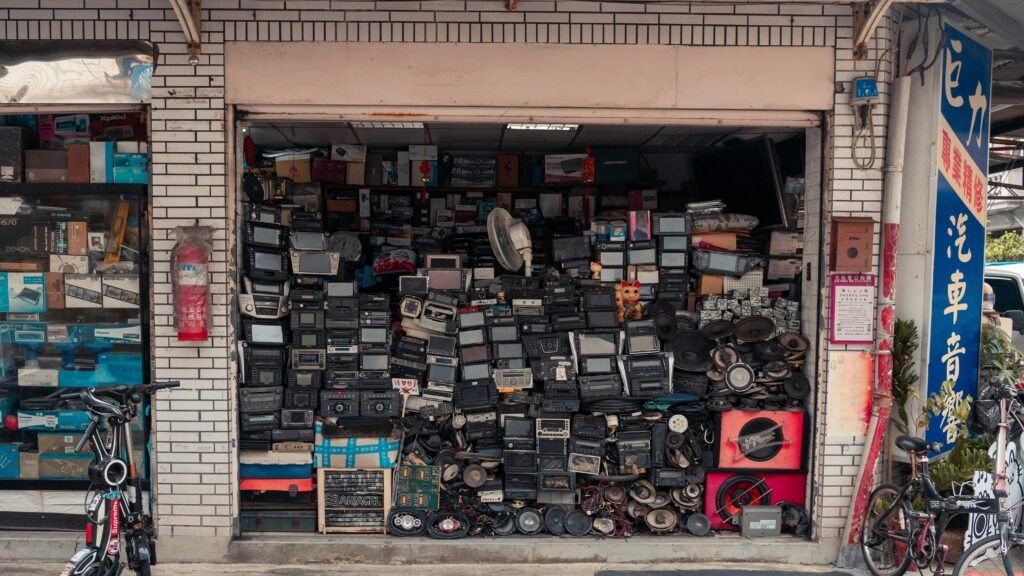
Big retailers use AI to know exactly what you want before you do. Small businesses depend on “gut feeling” which protects their human touch but results in more stock remaining unsold because trends no longer match the actual stock.
The Rise of “Experience” Spending

People prefer to dedicate their money towards “doing” activities instead of acquiring “having” possessions. The local shoe store is struggling because the customer would rather spend that $100 on a concert ticket or a specialized cooking class.
The “Founder Burnout” Wall

The modern business owner has to be a social media manager and accountant and chief executive officer at the same time. The digital environment operates continuously throughout the day which causes many small businesses to shut down because their owners lack the energy to manage everything.