Five years ago most people drove to an office five days a week without questioning it much. That version of work feels almost foreign now. Everything shifted faster than anyone predicted and the changes that came through are not going back. The American workplace is being rebuilt from the ground up and it is happening right now.
Remote Work Won the Argument

Full office return did not go the way a lot of companies planned. Workers had already adjusted, already proved the work got done, and were not particularly interested in going back to something that stopped being necessary. Most places ended up somewhere in the middle and that is where things have stayed.
AI Quietly Reshaped Daily Work
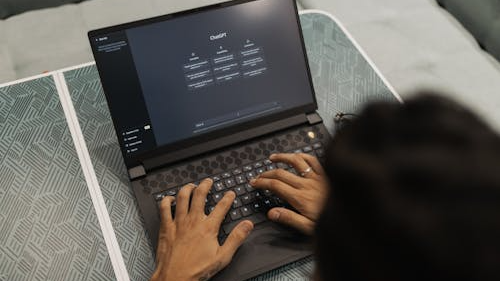
Nobody woke up one day and found their job gone. It was slower than that and honestly more interesting. Certain tasks just stopped taking as long. Workflows changed. People who paid attention to what was shifting around them found themselves more useful not less. The ones who ignored it entirely are playing catch up right now.
Salary Alone Stopped Being Enough

Younger workers coming into the workforce want flexibility, real growth opportunities, managers who actually communicate and some sense that the work means something. Companies that show up to hiring conversations with just a number are losing people to organizations that figured out the rest of it matters too.
Small Businesses Changed Too

This transformation did not only happen inside large corporations. Small business owners across the country adopted new tools, shifted to online operations and changed how they think about hiring in ways that would have seemed unnecessary before everything flipped. That layer of the economy looks genuinely different now.
Four-Day Workweek Is Getting Harder to Dismiss
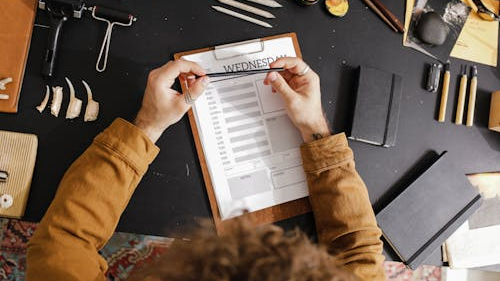
Still more discussion than action in most places but the companies that actually ran pilots found results that were difficult to argue with. Productivity staying flat or improving while people felt significantly better about their jobs tends to get the attention of anyone paying close attention to how their teams are functioning.
Mental Health Became a Real Workplace Conversation

Burnout and disengagement used to be things people handled quietly on their own. Now they show up in benefits packages, manager training and company policy. Organizations that took this seriously first are seeing the difference in how their people show up and how long they actually stay.
Automation Hit Beyond Office Work
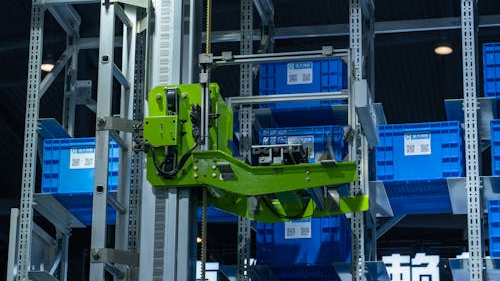
Warehouses, logistics, manufacturing floors — automation moved through these areas faster than most people outside those industries realized. Real displacement happened in specific communities and the support systems for workers caught in that transition have not kept pace with the speed of the technology itself.
Management Had to Actually Evolve
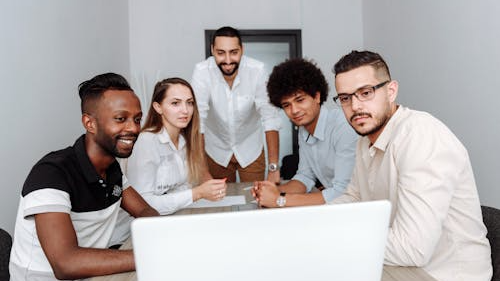
Pressure and control worked when people had fewer choices. That is not the situation anymore. Workers know what other options exist, they talk to each other, and they leave when something feels off for too long. Managers who figured out that trust and clarity actually retain people are keeping their teams intact. The rest are constantly refilling the same seats.
Location Became Less Relevant for Hiring
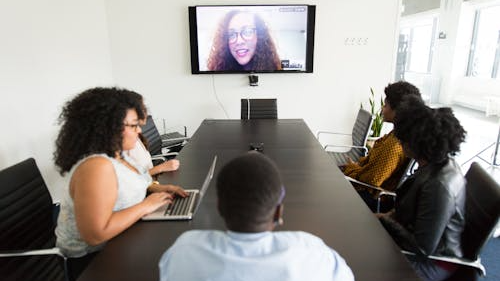
Companies that once hired only within driving distance started pulling talent from anywhere in the country. That opened real doors for workers in smaller cities who previously had very limited options. It also made competition for strong roles significantly wider for everyone involved on both sides of the process.
The Office Itself Got Rethought
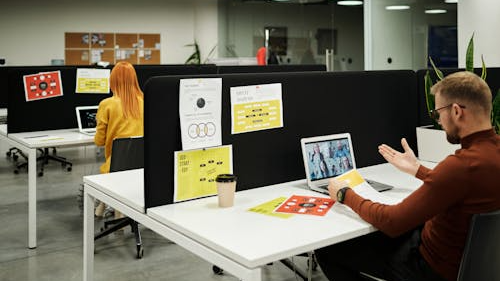
Physical spaces that stuck around got redesigned for what in person work is actually good for. Fewer rows of assigned desks, more areas built around collaboration and the kind of conversation that genuinely benefits from being in the same room. The office as a place people go just to sit quietly at a screen is largely finished.