Between 1860 and 1910 really, wasn’t just some neat chapter in a textbook it was like the moment the modern world kinda got lit up. In roughly fifty years, the United States went from a patchwork of little farms, local trade spots and general hustle into this global industrial giant. And yeah, that breakneck growth changed how people lived, worked, and even how they traveled, for good.
The Iron Backbone
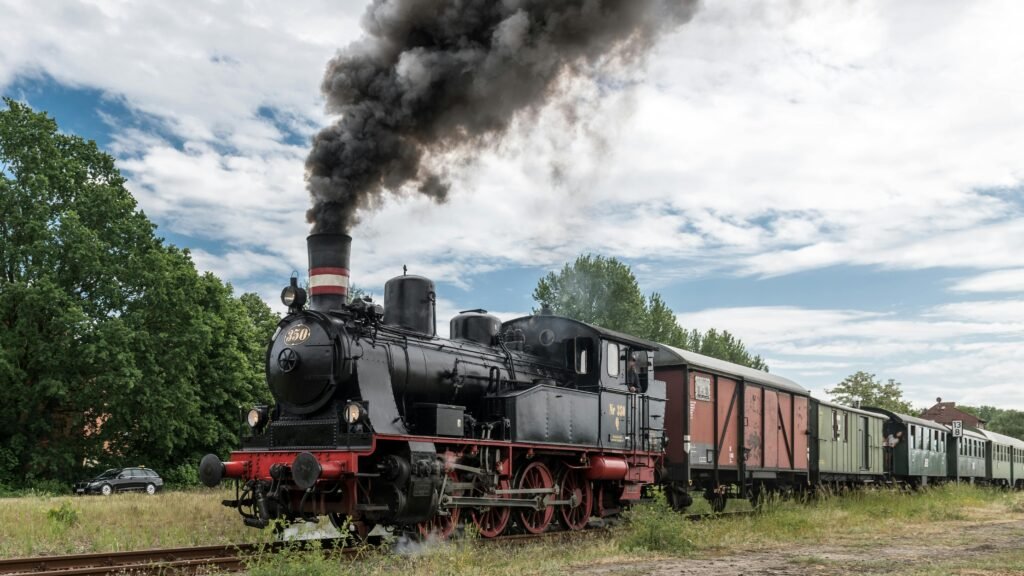
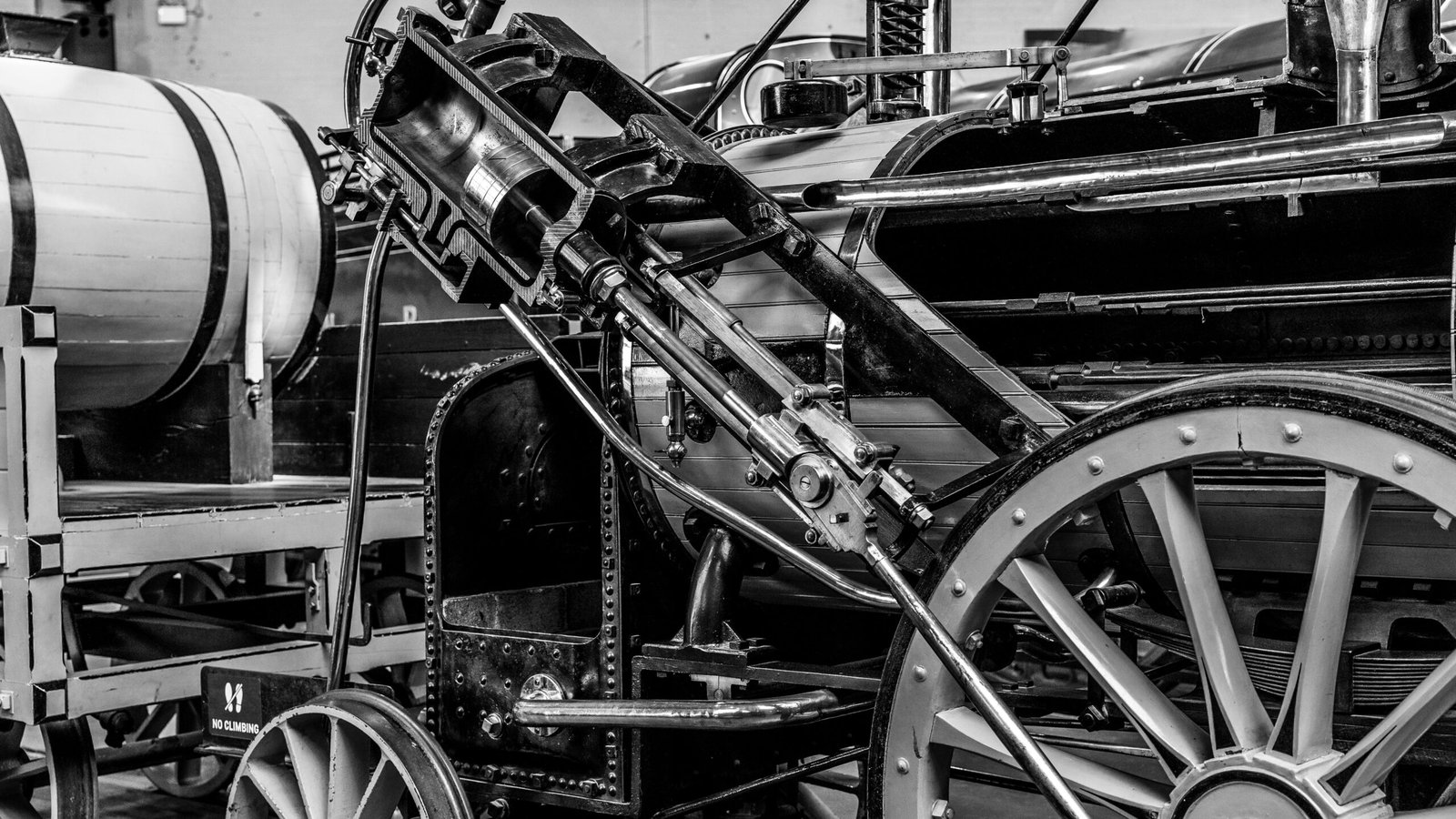
Railroads, those were the big sort of backbone, the main motor for expansion. Before all that, hauling goods across the country was painfully slow and expensive. Then, with thousands of miles of new track, the railroad stitched the Atlantic to the Pacific, giving the whole country this huge shared market. Suddenly products could move, pretty much anywhere in days, not weeks, and that alone pushed everything else forward.
Black Gold and Steel Giants
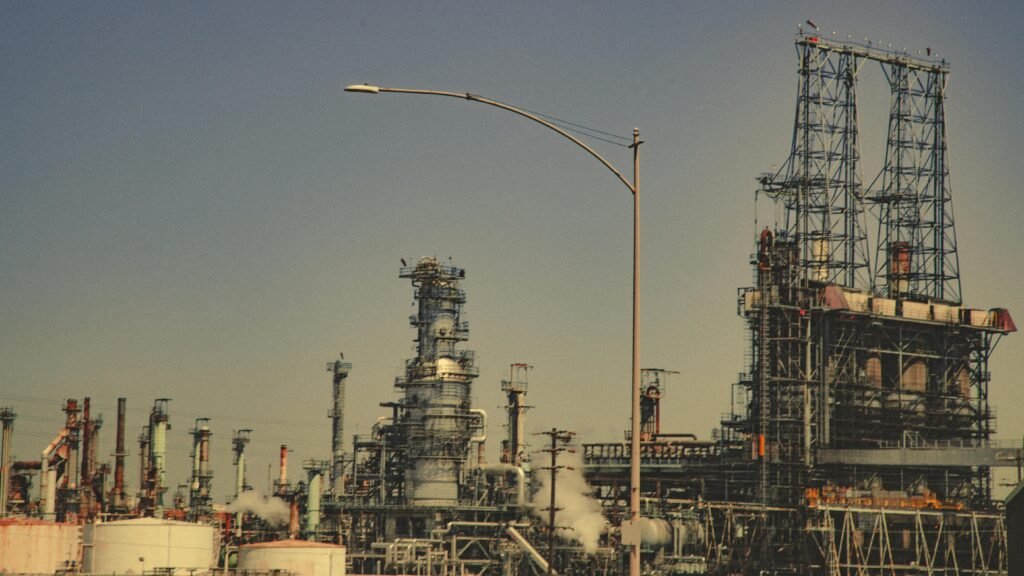
Processing raw stuff, like oil and ore, shifted the skyline in a very visible way. When huge oil reserves were found, and when the Bessemer process came around, suddenly steel got cheaper and tougher. So cities started to grow upward, then outward too. Steel basically became the skeleton for bridges and skyscrapers, while oil powered the machines behind that fast-moving age.
The Spirit of Invention

It felt like the golden stretch for the “lightbulb kind of idea,” you know that whole electricity moment. Inventors such as Thomas Edison and Alexander Graham Bell brought electricity and the telephone into everyday life. It wasn’t only neat gadgets either , they changed factories so work could happen 24 hours a day. Also companies could talk instantly across state lines, which made business faster than before, in kind of a simple unstoppable way.
Masters of Organization

Instead of staying small, family-run operations business leaders started leaning hard into big corporations. With vertical integration , companies managed nearly every step, from the raw mines to the final delivery side of things. That sort of tight control meant they could produce goods in huge quantities, at speed, like nothing most people had seen before.
A New Way to Shop
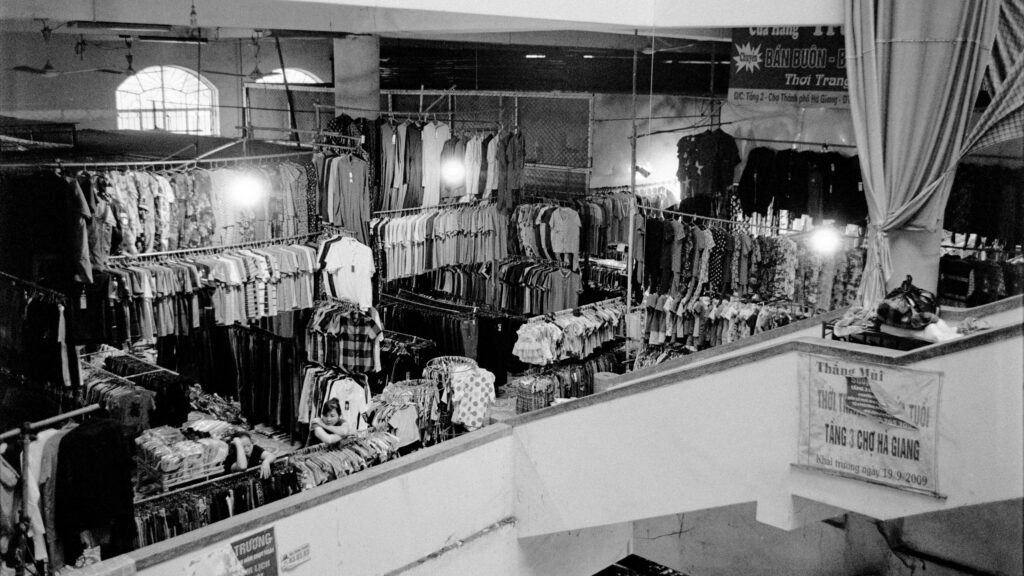
As these companies grew, the shopping habits shifted too. Department stores showed up first, and then mail-order catalogs rolled in, both of them bringing the newest fashions and tools to families in rural areas. For the first time, someone in a small village could buy products with the same quality level as people in big cities, which sounds normal now but then it wasn’t.
The Power of Capital
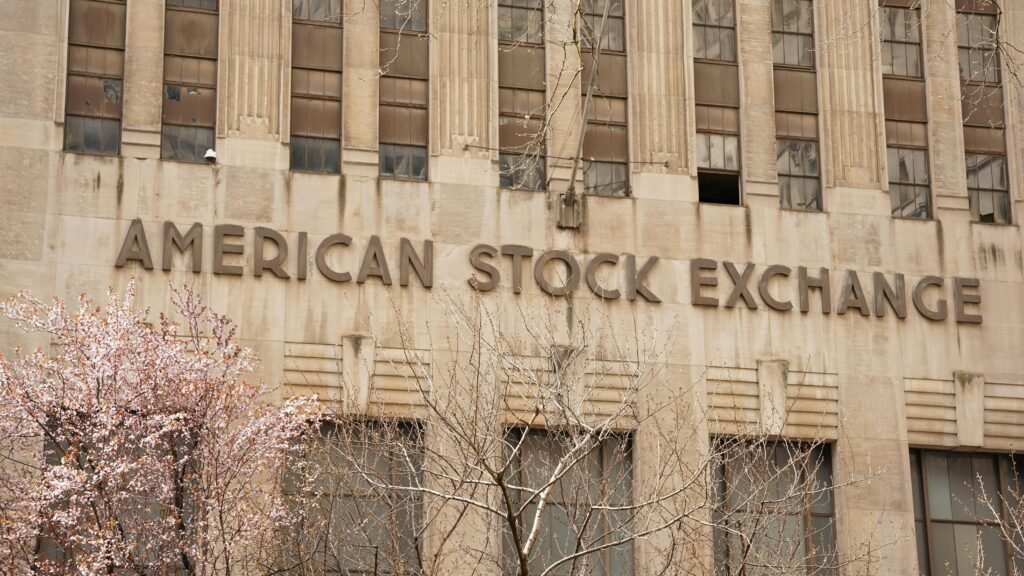
Wall Street became this central nerve center for the whole economy. Factories and rail lines needed massive sums, so investment banks rose up and got loud. They routed capital global savings and wealth into American projects, sort of like the “fuel” that fed the industrial boom.
Moving to the City
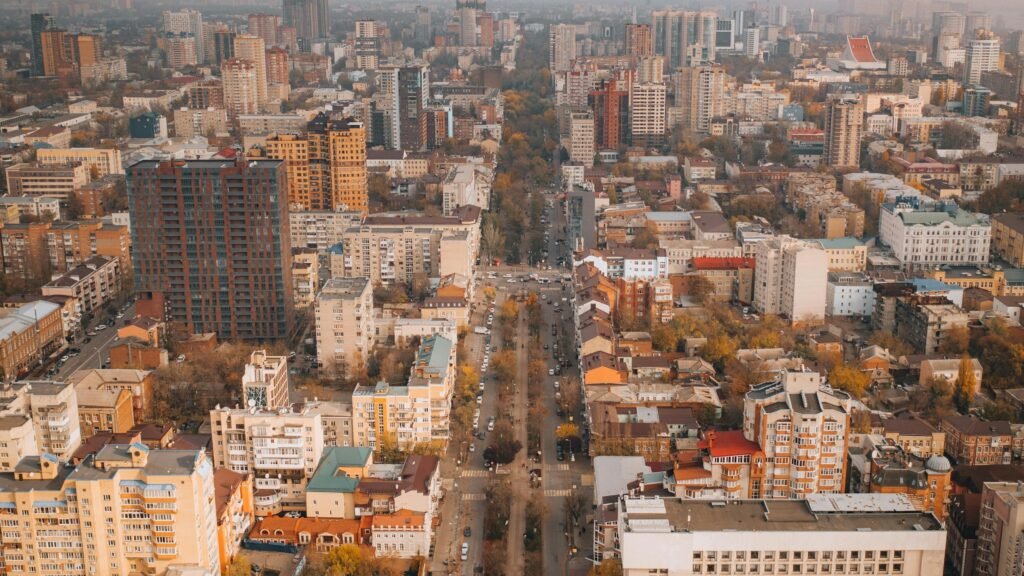
Big business also set off a huge migration wave. Millions left farms, or left countries behind, chasing jobs in the new industrial regions. Places like Chicago and Pittsburgh swelled quickly , turning into busy centers that felt nonstop and full of different communities.
The Birth of the Assembly Line
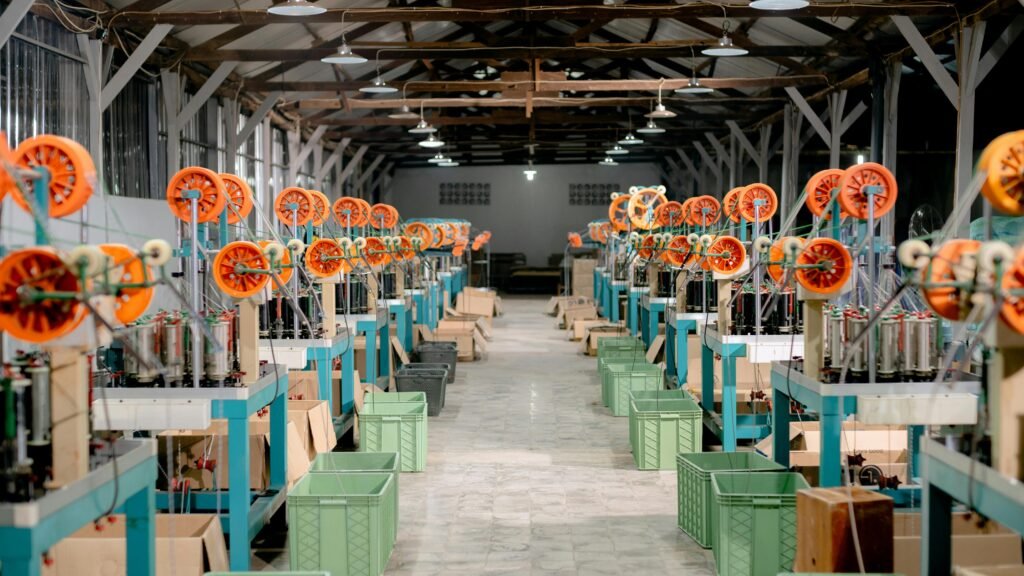
Efficiency turned into the main obsession. Factories started chopping down complicated tasks into smaller repeated steps. That “mass production” approach made items like clothing, furniture, and eventually cars affordable for regular folks. And when that happened, the general standard of living rose, for millions, not just a lucky few.
A Global Competitor
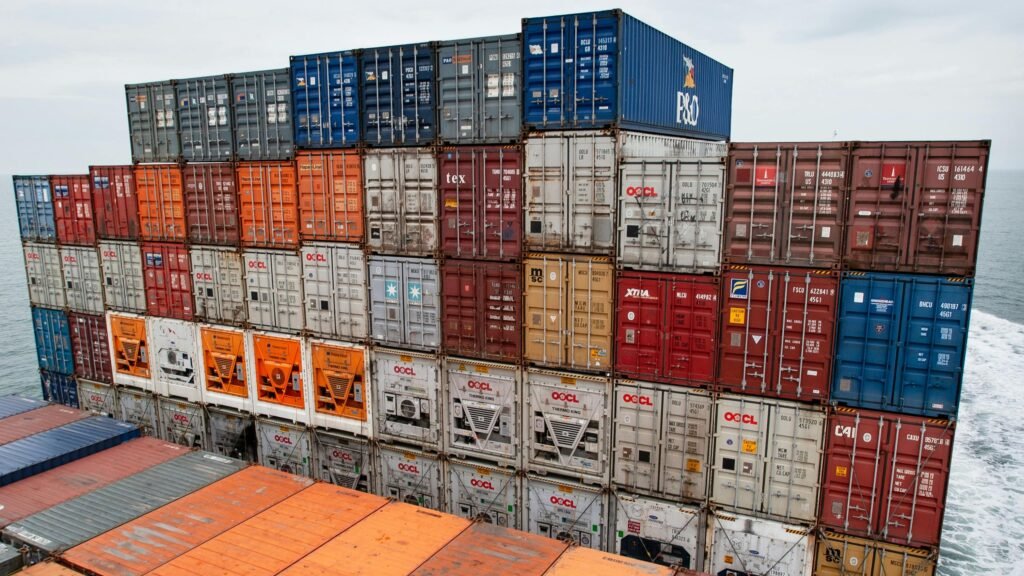
By the time the century rolled in, the U.S. was stepping onto the world stage in a serious way. American goods were showing up everywhere, in ports and markets around the globe. The sheer volume coming out of factories made the country an economic superpower, and it quietly reshaped global influence.
The Legacy of Growth

By 1910, the outline of the modern economy seemed basically finished. The inventions and business systems built during those decades formed the groundwork for the technology and everyday convenience we still lean on today. Overall it was like a rush of progress, a fast whirlwind, that turned a young nation into a real industrial titan.