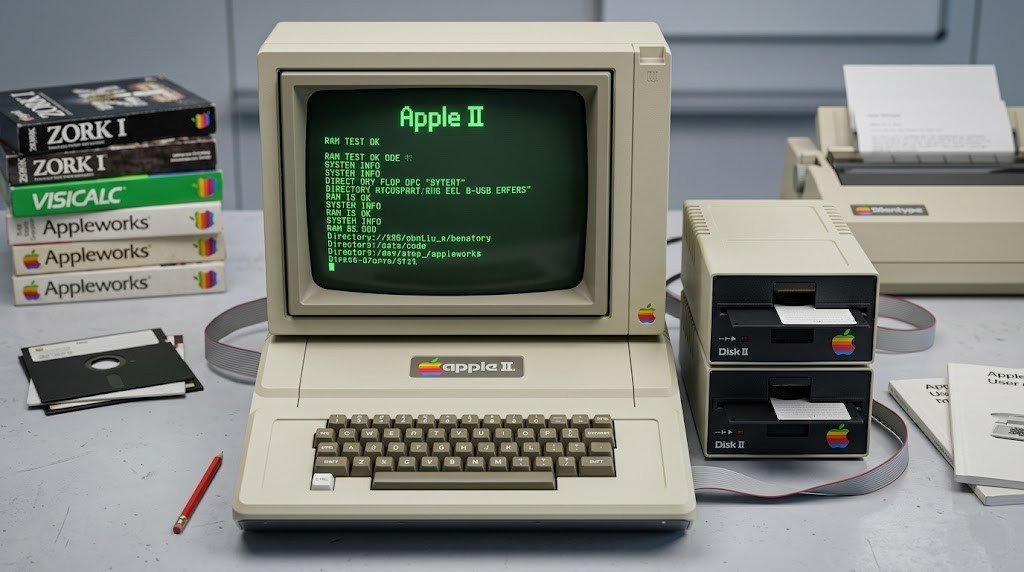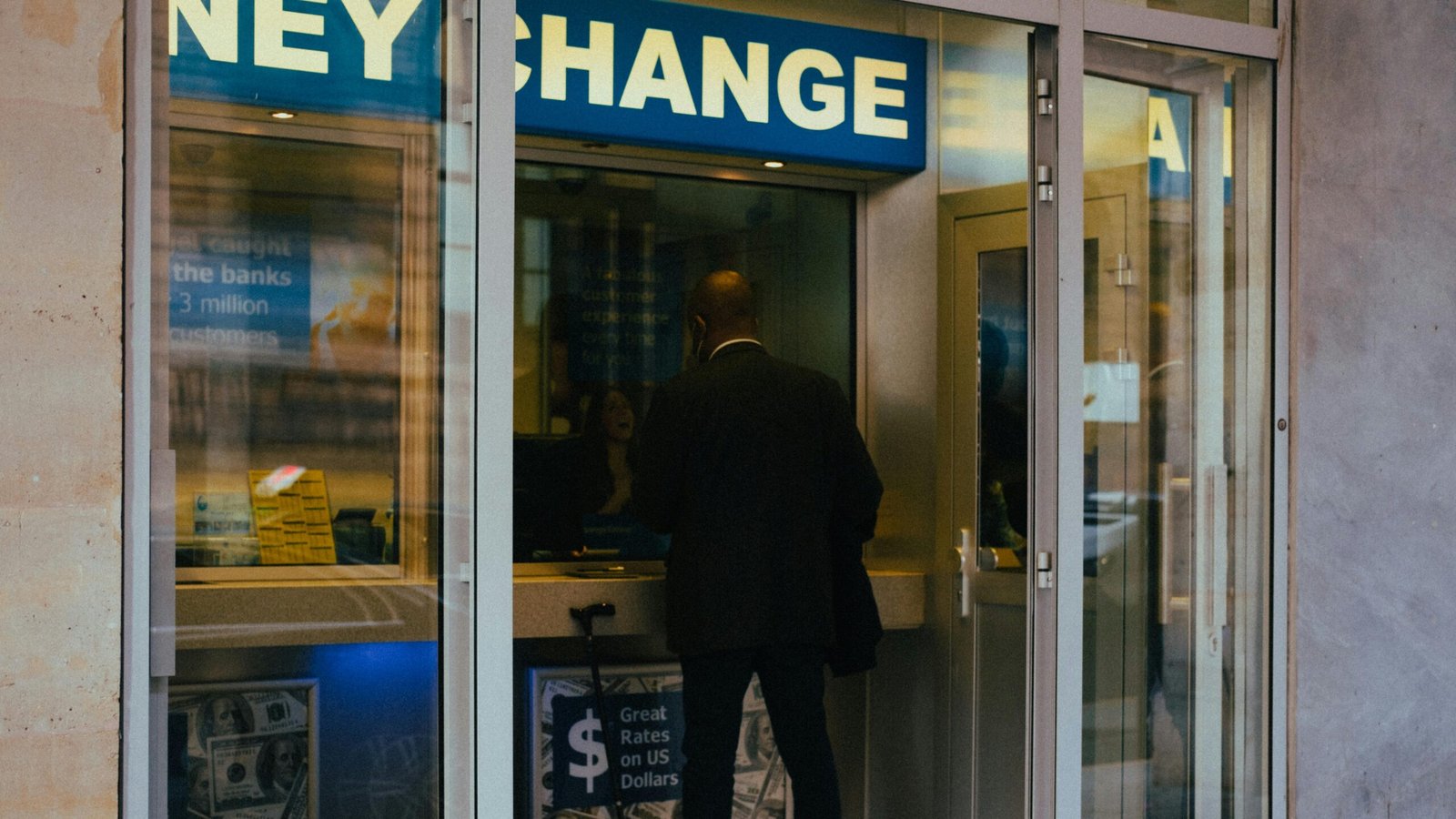
Banking back in the day was like, heavy ledgers, long lines, and these so called “bankers’ hours” that basically stopped the moment you actually needed cash. Then the digital revolution showed up, turning a slow paper bound setup into some kinda fast-moving everything, instant access and all that.
The End Of The Waiting Game
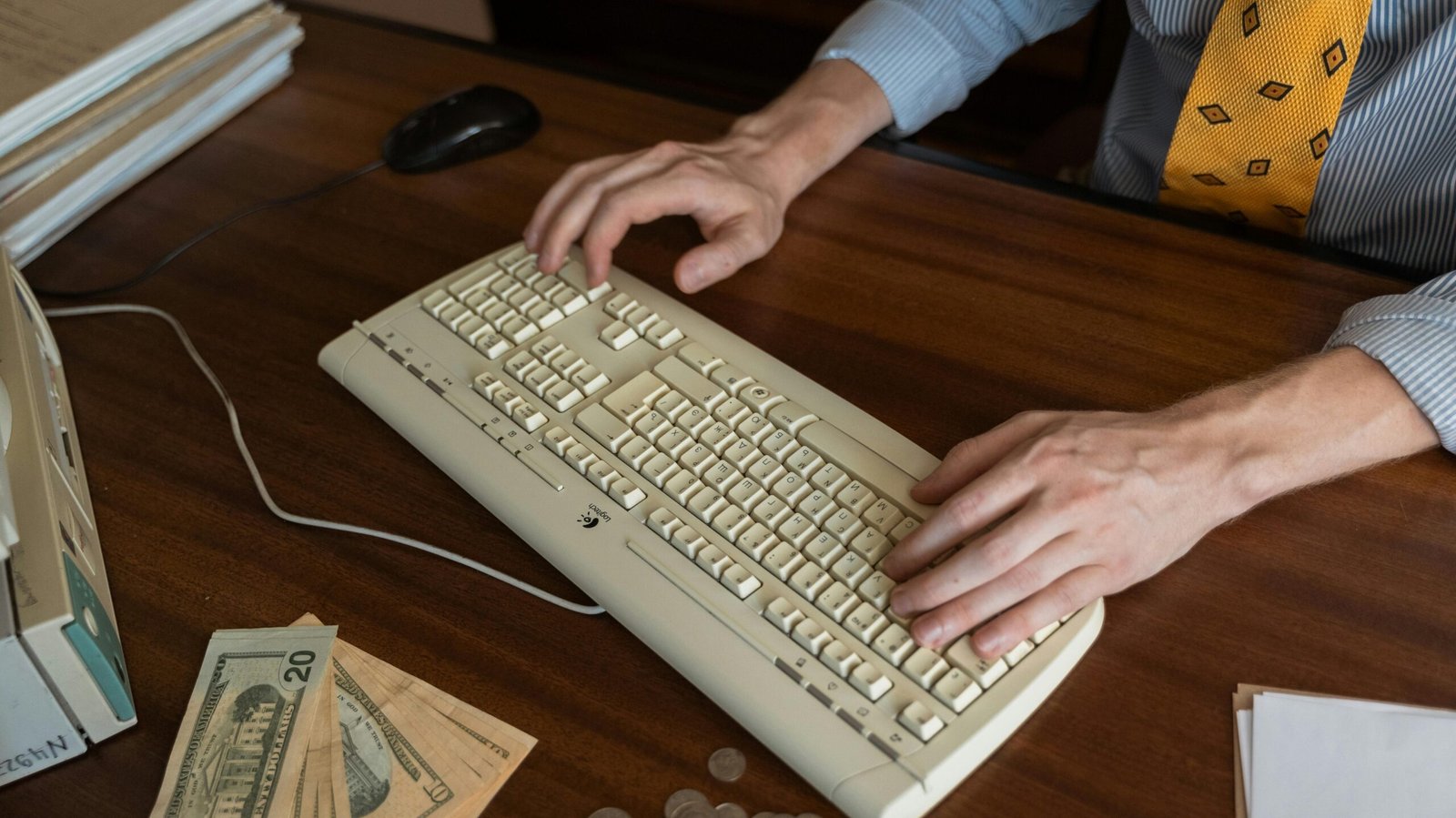
Back before computers, each transaction got written by hand. If you needed to withdraw, a teller had to go dig for your paper file, like physically search it out and then do the whole thing. Computers flipped that fast, data moving at lightning speed, so “waiting in line” became more of a choice than some real requirement you had to live with
Freedom From The Clock
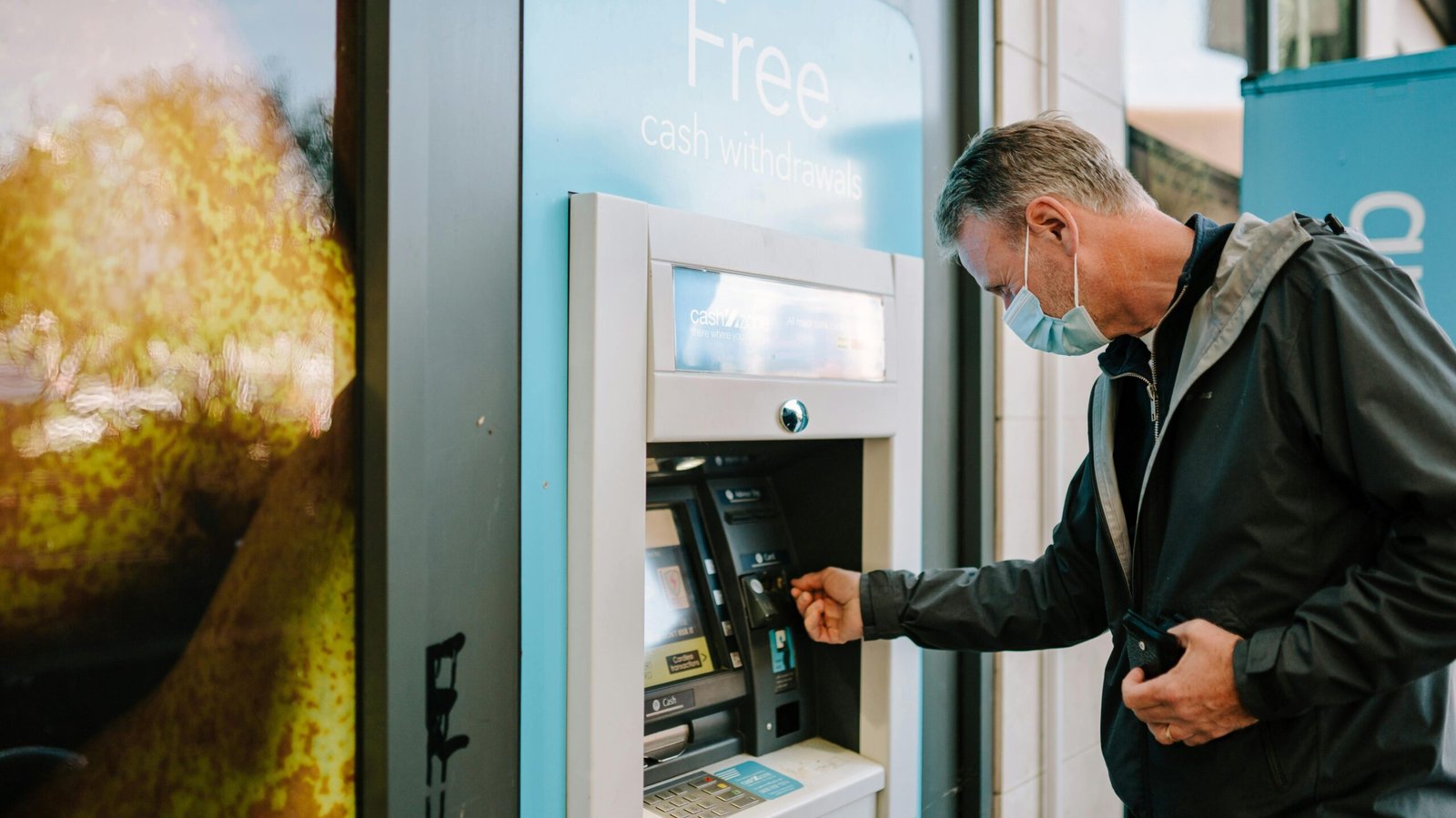
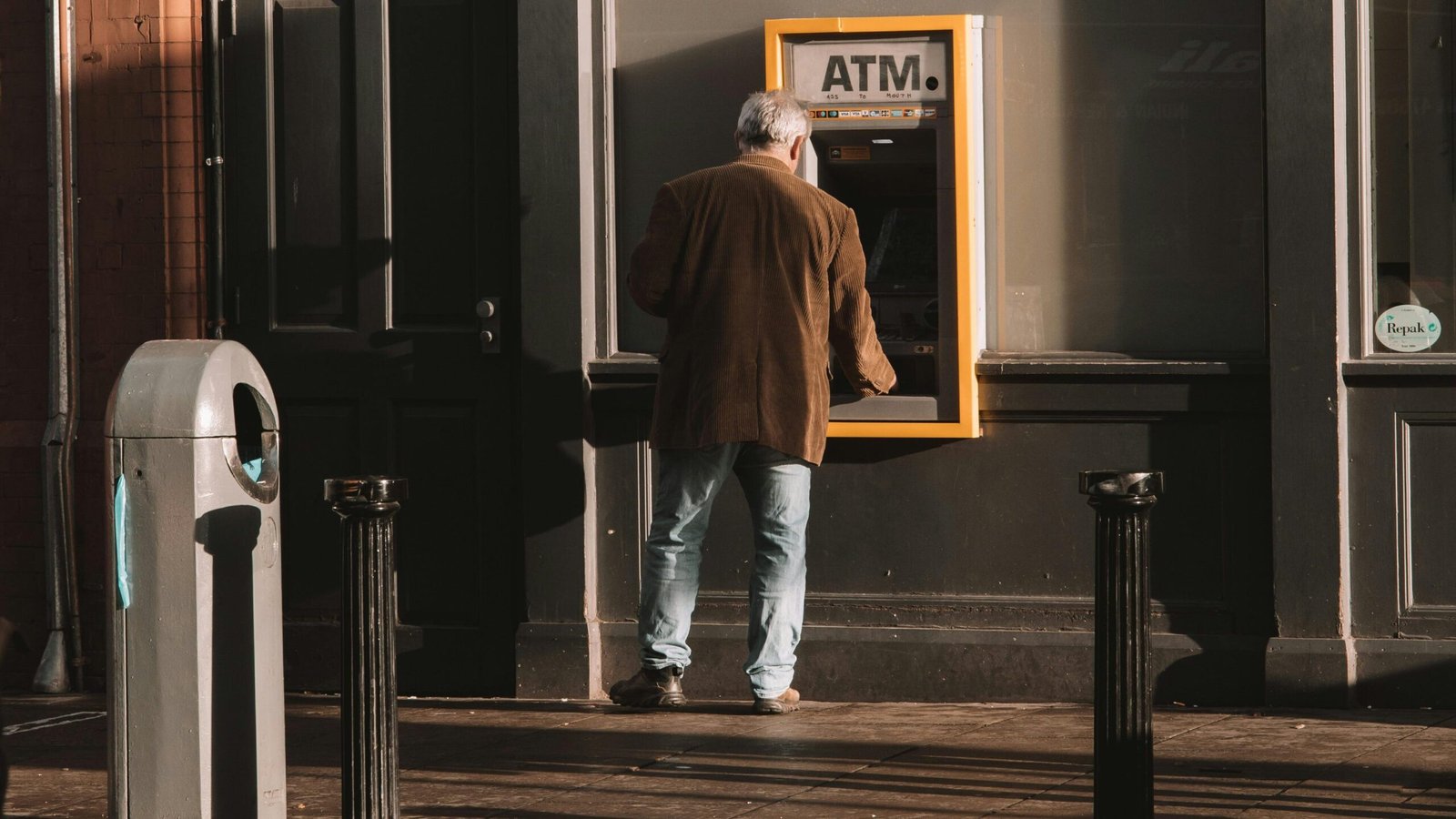
Then came the ATM, which honestly was the ultimate game changer. Suddenly you didn’t have to sprint to the bank before it closed at 3:00 PM. That “Hole in the Wall” kind of thing gave 24/7 access to your own funds, and it kinda cleaned up the old era where the sun pretty much told you when you were allowed to spend
Your Pocket Is The New Branch
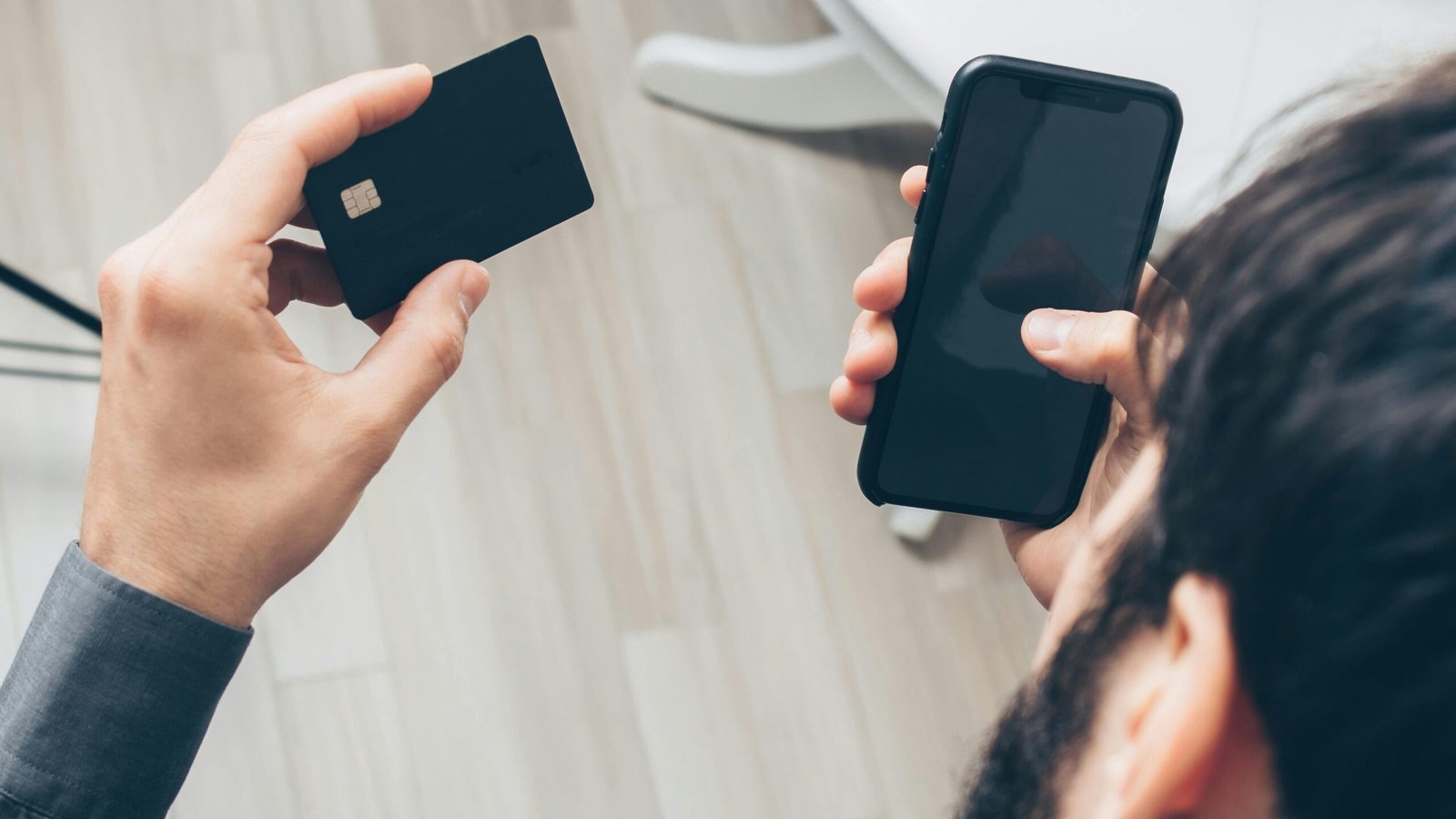
With smartphones plus banking software that runs circles around older systems, the whole bank can fit in your pocket. Deposit checks by snapping a photo, or transfer rent money while you’re sitting on the couch, not even thinking about branches. The actual building is almost optional now, you know
Plastic Over Paper
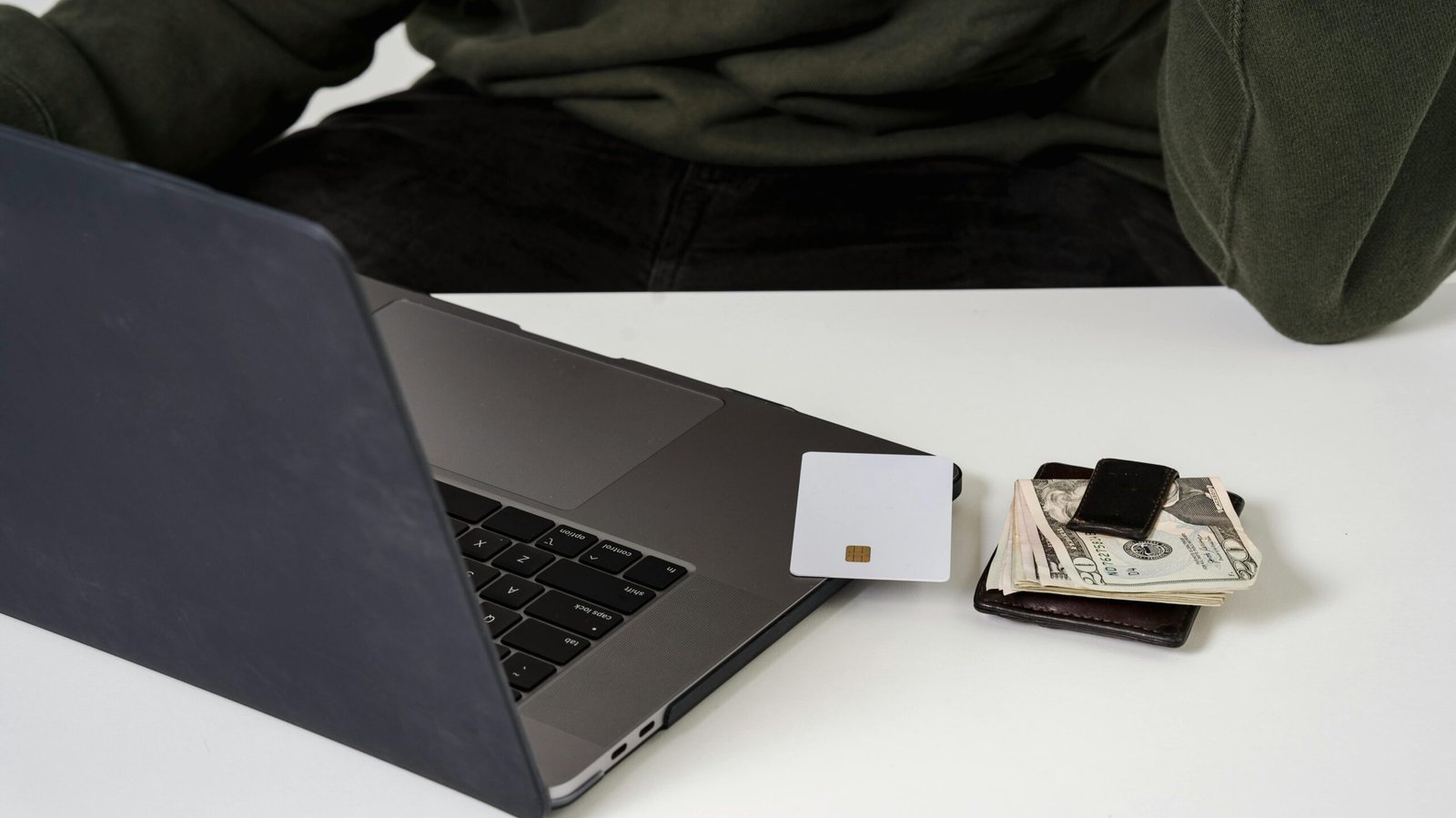
Computers helped credit and debit cards explode in size and usage. By tying your card to a digital database, stores could confirm your balance in seconds, not minutes. So the thick wallets full of bills turned into slimmer sleeves with just a few bits of powerful plastic
Precision And Accuracy
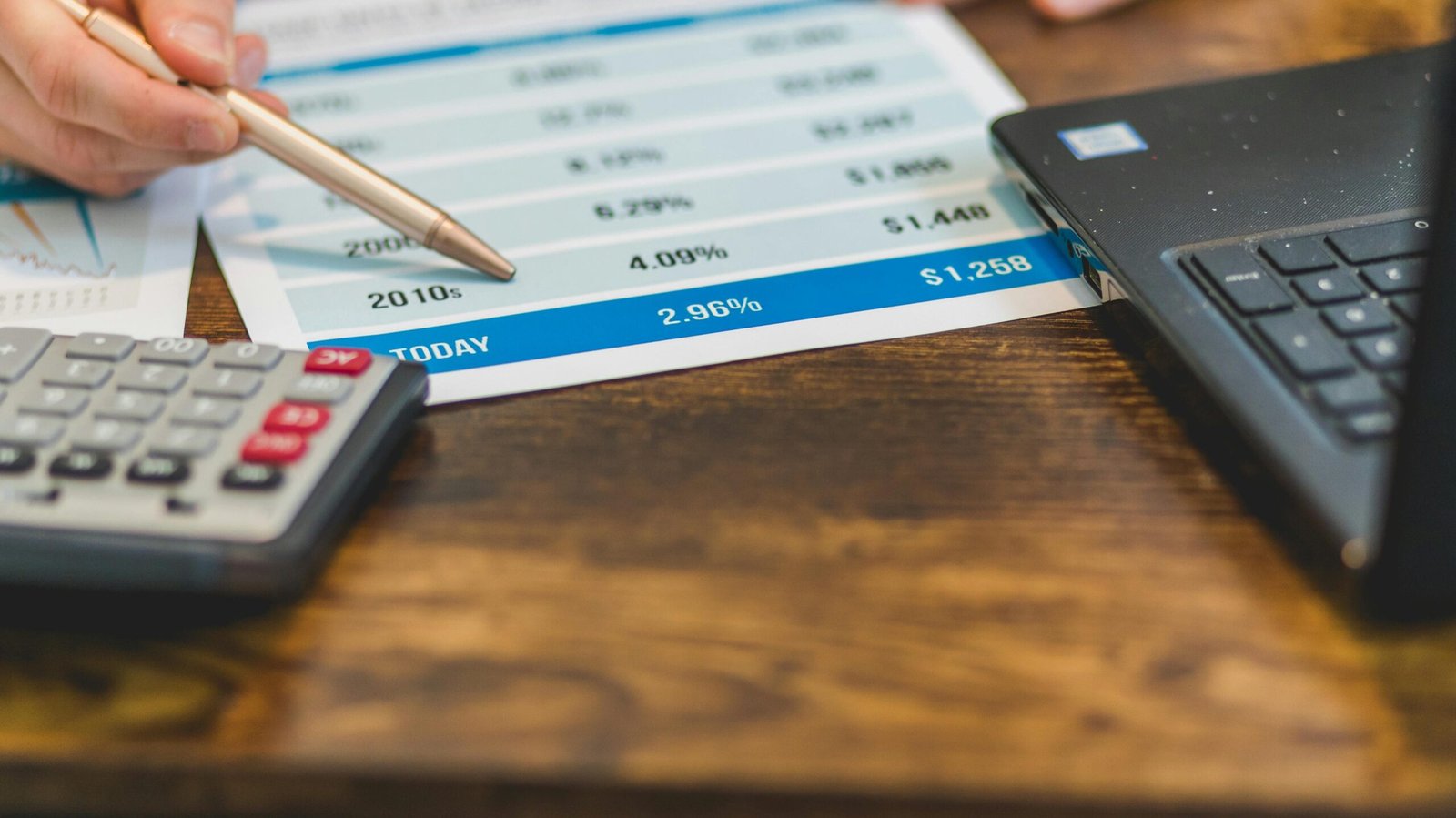
Mistakes happen, yeah, but in banking a misplaced decimal point is disaster, flat out. Computers brought this “math-perfect” level of precision to bookkeeping, making sure balances are computed exactly every single time
Global Money Movement
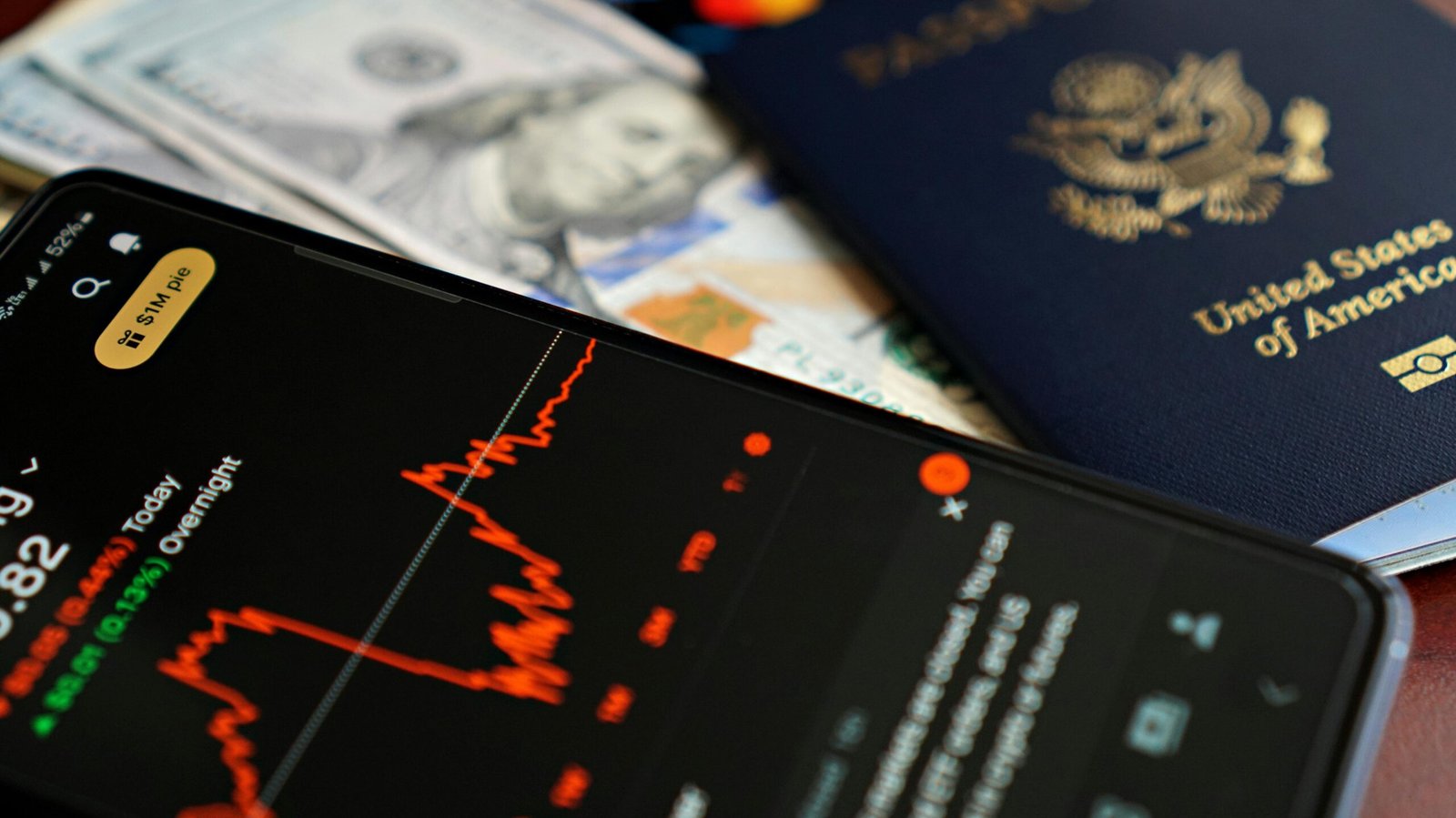
Sending money abroad used to be this week’s long ordeal, like some kind of odyssey. Now digital networks let capital jump across oceans in seconds. So instead of a mostly local economy, you get this global marketplace vibe
The Security Shield
Tech also brings fresh risks, but it brings protection that’s more high-tech than before. AI, plus complex algorithms, watches your accounts for strange patterns, and it can even freeze a stolen card before you realize it’s missing, sometimes
Smart Saving Tools
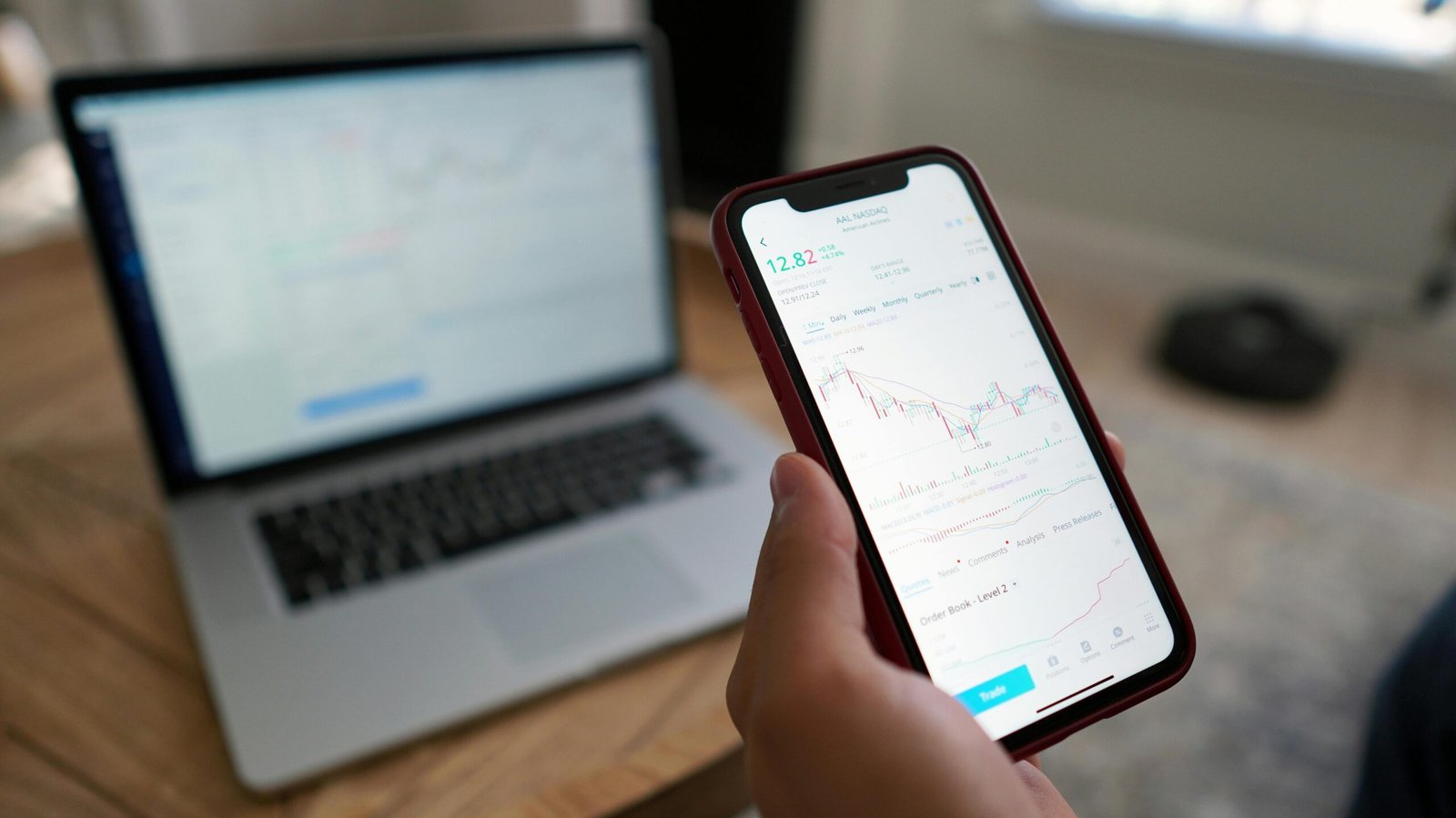
Modern banking apps use data to help you make better choices with your money. They notice spending habits, build automatic savings goals, and give you a “bird’s eye view” of your finances, not like the old paper passbooks ever did
Personalized Banking

With computers, banks can get a clearer picture of what people actually need. Instead of a one-size-fits-all plan, data helps institutions offer specific loans or rewards that match your lifestyle more closely, in a way that feels more tuned
The Invisible Bank
We’re heading toward a world where banking is almost “invisible.” An automatic subscription here, a tap-to-pay terminal there, and suddenly paying feels so seamless you barely notice the “bank” part anymore .