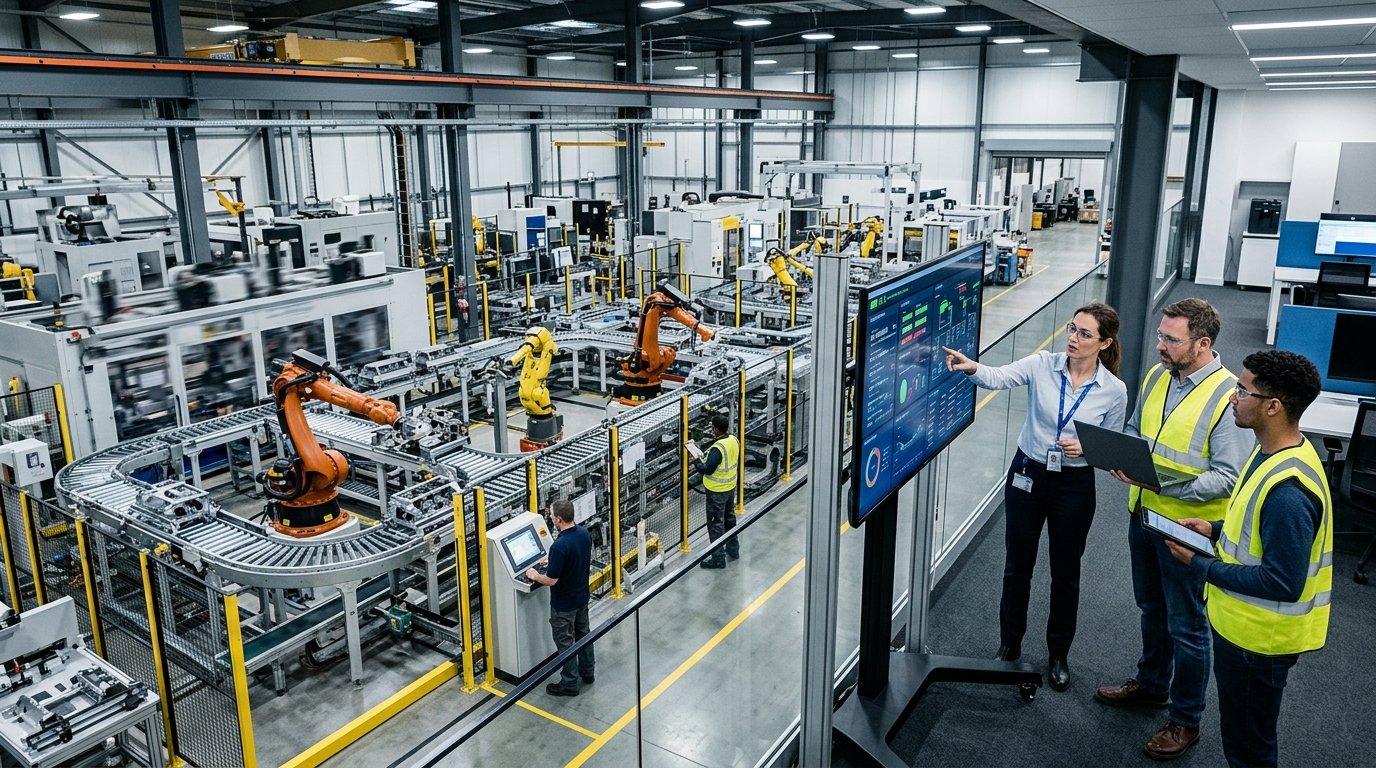
The whole American industry scene is moving faster than a software update on launch day. From the loud, busy floors in Midwest factories to the polished offices in Silicon Valley, automation is no longer some awkward futuristic “maybe,” it is basically the engine of the modern economy. Here’s an honest look at why companies are grabbing the machine age with both hands, and also a bit of panic sometimes.
The Search for Precision
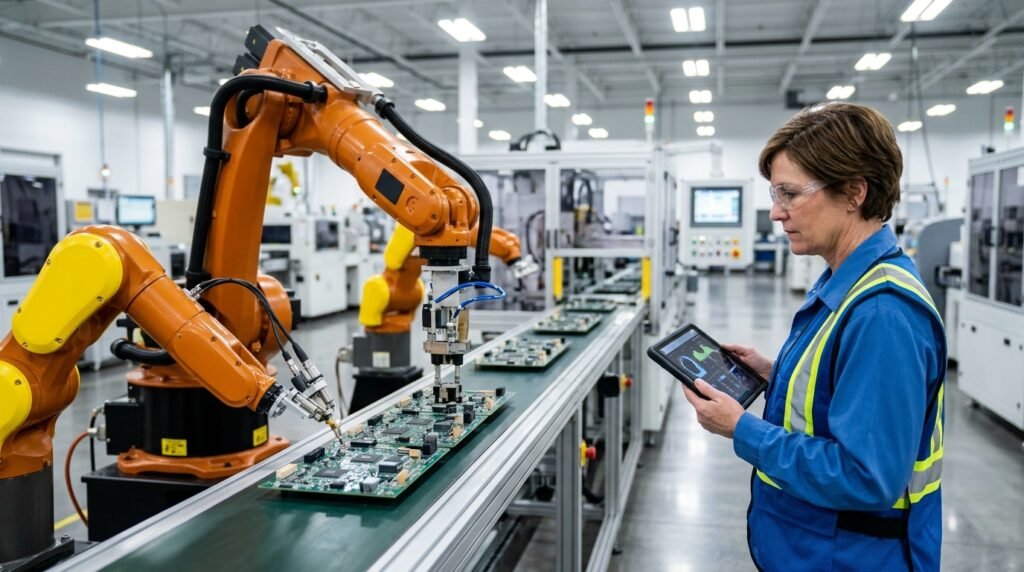
Humans are great, but we do have off days. Like we’ll miss a step, or misread a label, you know? Machines don’t really get tired. When companies bring automated systems in, they get a consistency that feels mathematically near-perfect. That usually means better products, and fewer errors that later turn into expensive “fix it now” moments.
Bridging the Labor Gap
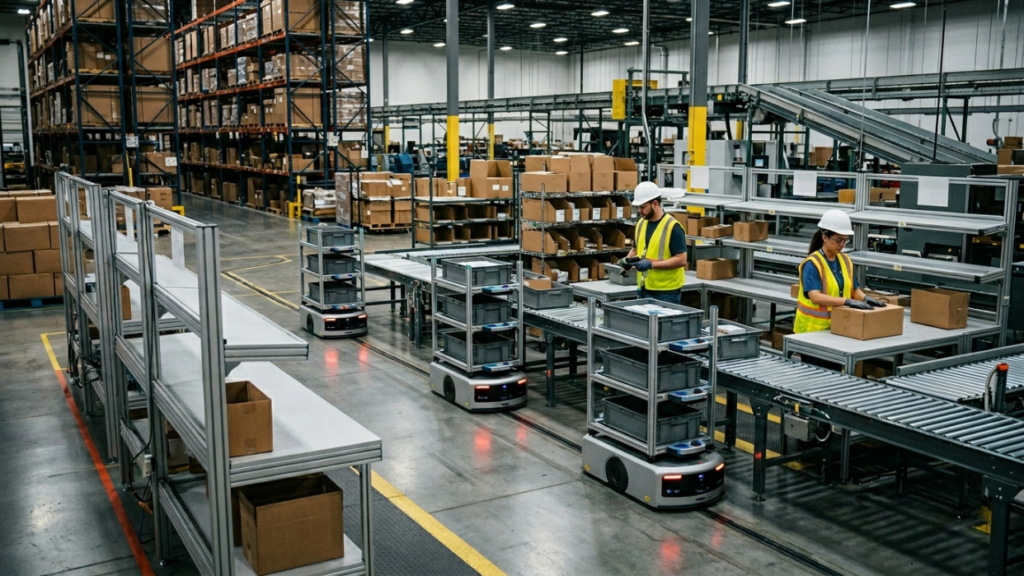
Right now, there are more open roles than available people in a lot of sectors. Automation isn’t always about “replacing” people, it’s more like it’s filling the empty chairs that keep showing up in the day-to-day schedule. Robots and smart machines take care of repetitive tasks that are harder to staff, so the whole workflow keeps rolling.
Speed as a Superpower
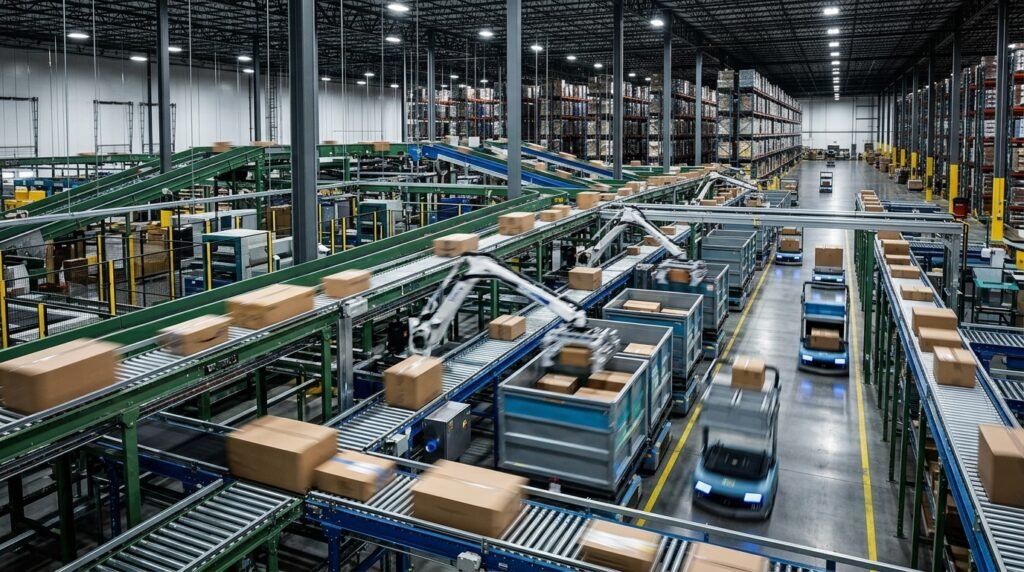
In a world where shipping shows up in one day, speed is basically the new currency. Automated sorting and logistics let companies move goods at a pace that manual labor simply can’t touch. It’s how they meet that instant-gratification thing customers expect, without losing their minds.
Data-Driven Decisions
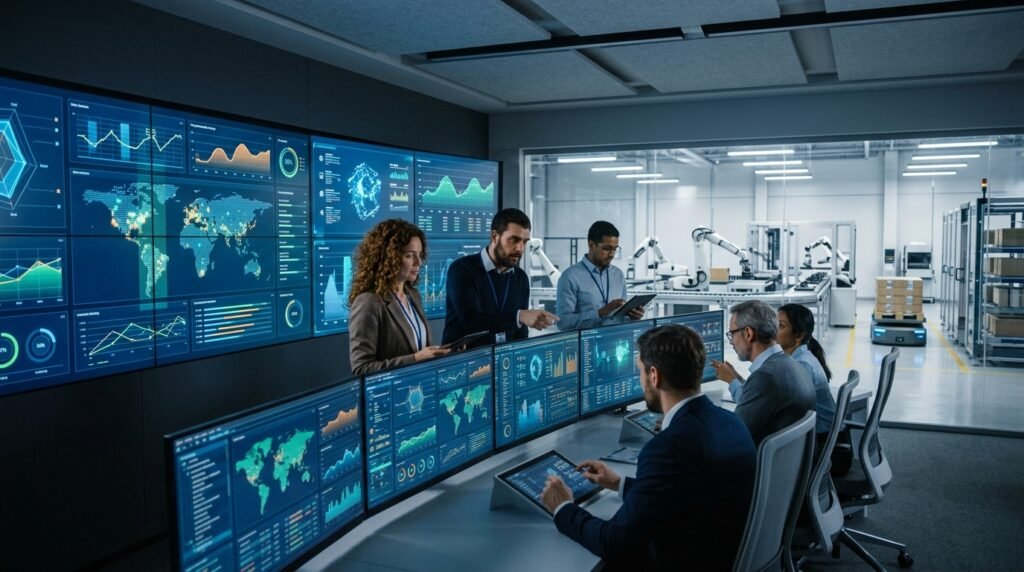
Modern automation tools aren’t just “muscle,” they are also brains and they gather huge amounts of data in real time, so managers can see where the bottlenecks are forming, then adjust course with surgical precision and it becomes less guessing, more measured action, even if the dashboards look chaotic at first.
Long-Term Cost Efficiency
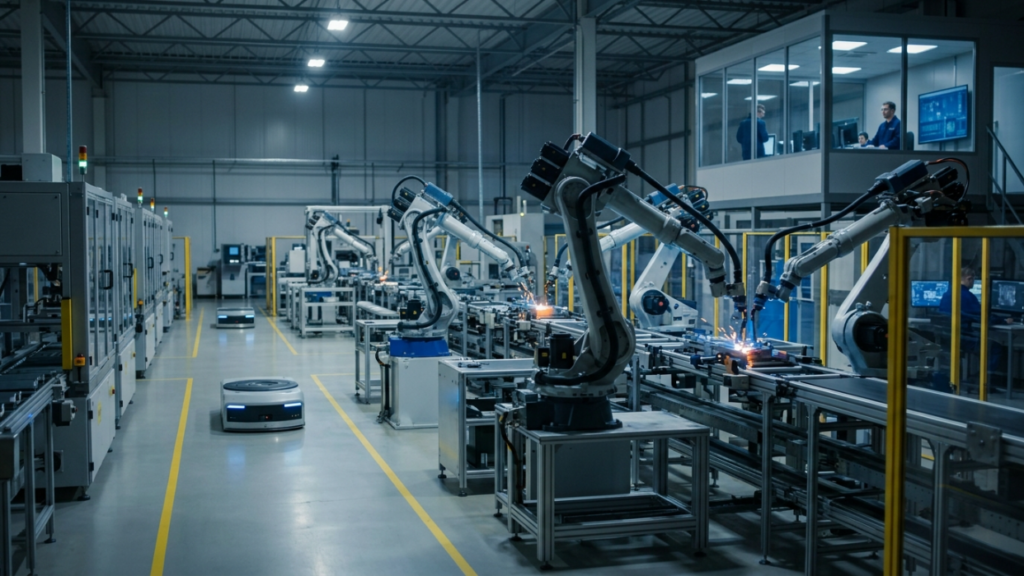
The upfront tech price can feel pretty hefty. But the long-term ROI is why the move sticks. When systems run 24/7 without needing breaks, or climate-controlled babysitting, the “cost per unit” often drops. Over time, businesses become more resilient, not just faster.
Scaling Without the Growing Pains
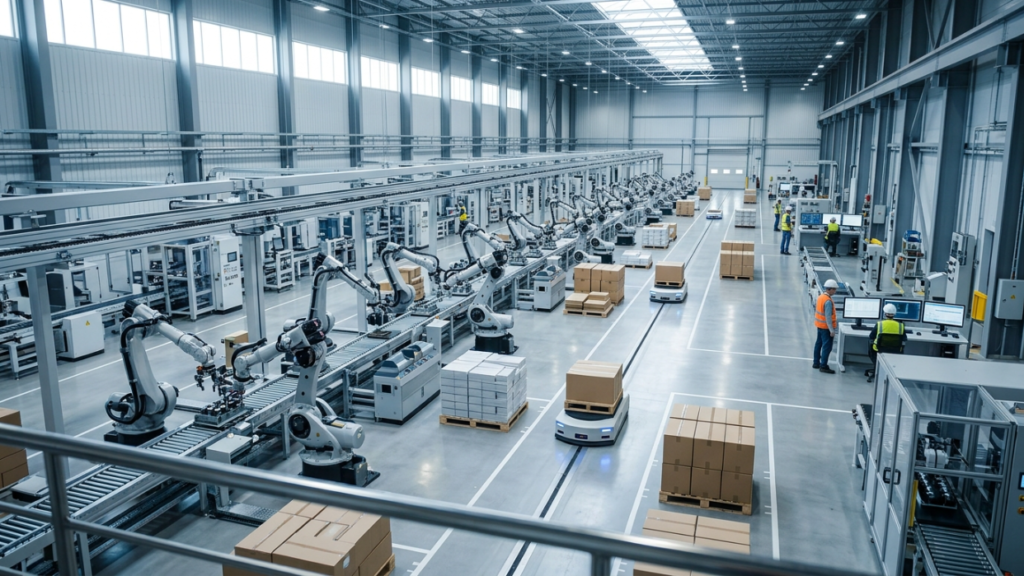
When a company suddenly grows, scaling up manually can turn into a logistical headache that never ends. Automated systems let businesses ramp production volume almost instantly, so they can ride the viral product wave without immediately crashing the supply chain, or burning through resources.
Freeing the Human Spirit

There’s also a big shift in what work is actually worth. By offloading the boring, soul-crushing tasks to algorithms, employees can spend more time on higher-level problem solving, innovation, and relationship building. The vibe changes from “do the same thing forever” to “help improve the whole system,” even if it takes some adjustment.
Global Competitiveness
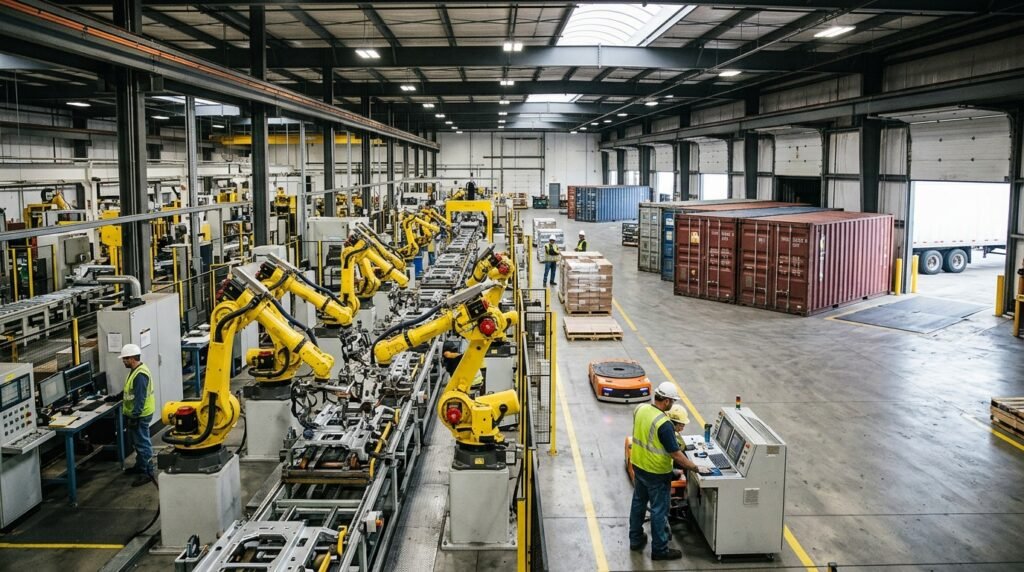
To stay competitive with international markets, U.S. companies need to remain lean and automation helps domestic firms keep production on home turf while still being price-competitive with global counterparts. It’s not just about cost though it’s about consistency and turnaround too.
Future-Proofing the Brand
Technology mostly moves forward and companies that invest now are building the foundation for what comes next, so they’re not stuck staring at the next digital leap from the sidelines. In other words it’s an investment in staying relevant, even when the rules quietly change overnight.