The 1920s wasn’t just jazz and flappers either, it was the moment when the “average Joe” kinda decided, hey i’m gonna have a go at the money game. After the heavy gloom around World War I, everything seemed to shift into high gear, like somebody flipped a switch, and suddenly people had this blueprint for wealth building that felt thrilling, sure, but also kinda dangerous and loosey goosey.
The Birth of the Consumer Culture
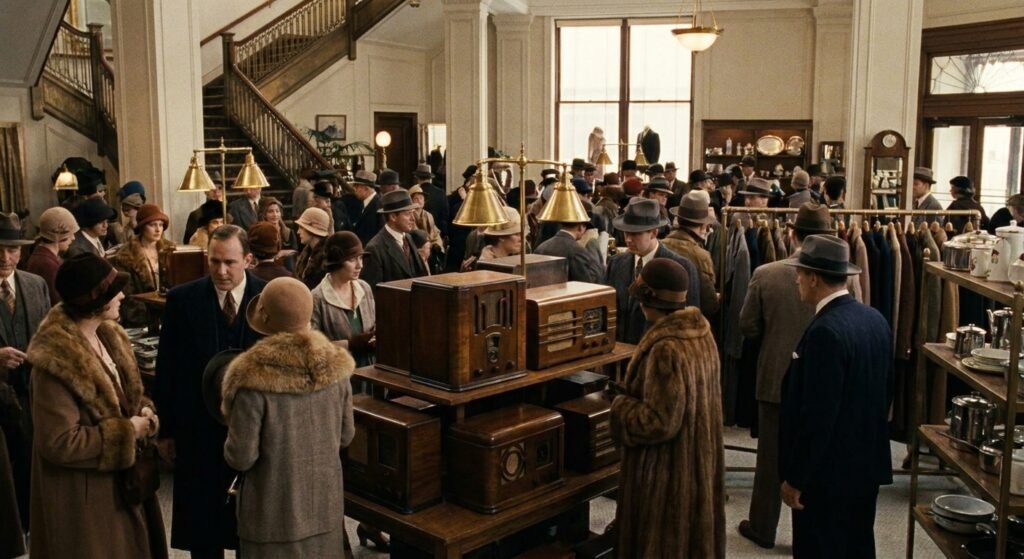
For the first time, people weren’t buying only the stuff they really needed and they were buying what they wanted, and there’s a difference. Mass production turned “must-have” goods into everyday items such as cars, radios, so the economy started humming. That spending rush fed corporate profits, and then the firms behind it looked like pure gold to regular investors, not just the fancy types.
The Magic of Installment Buying
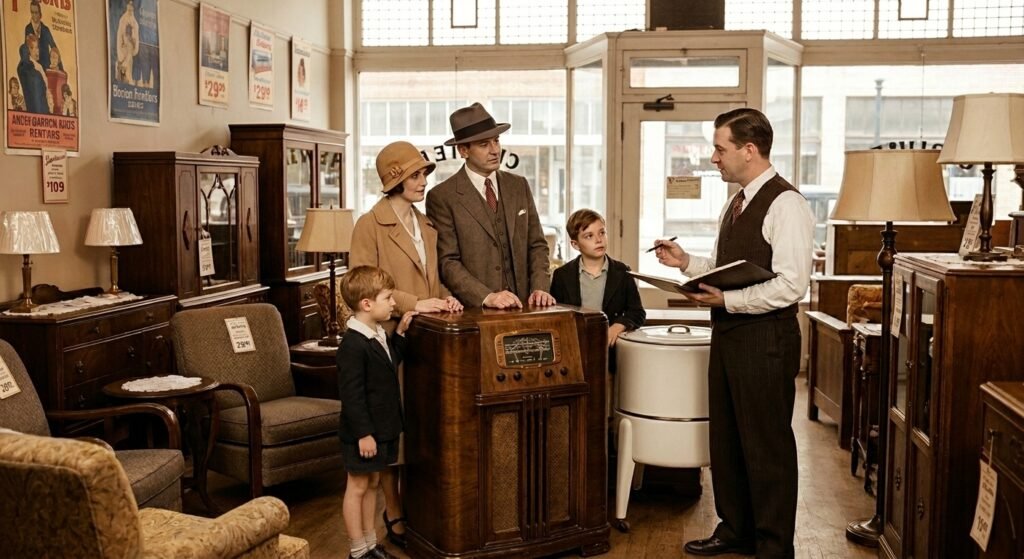
Before this decade, if you couldn’t pay cash then you simply didn’t get the thing. The 1920s rewrote that rule with “buy now, pay later.” Credit let families grab luxury items right away, and that sends huge amounts of money into the marketplace. In a way it kept the whole machine going, like the wheels of industry were never really allowed to slow down.
The Stock Market Goes Mainstream
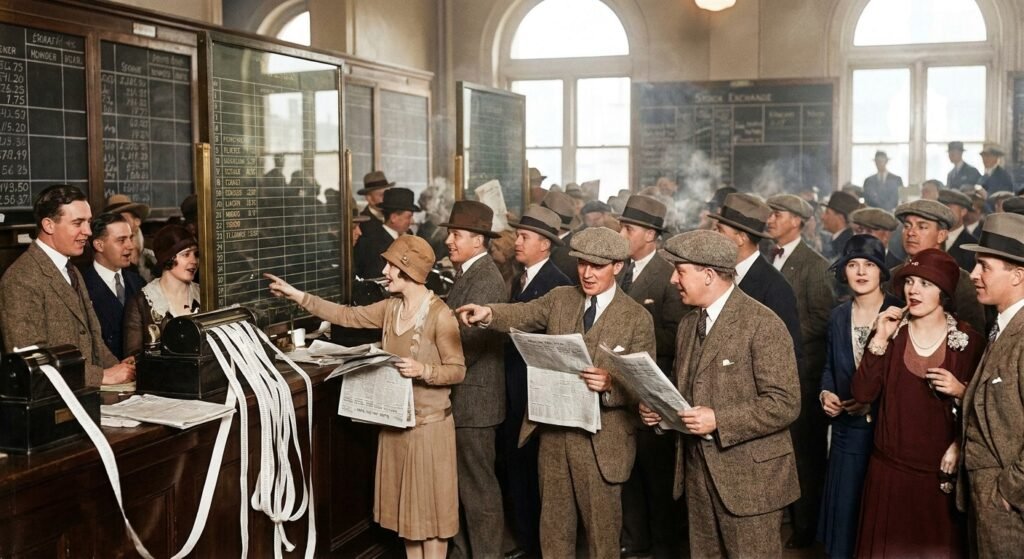
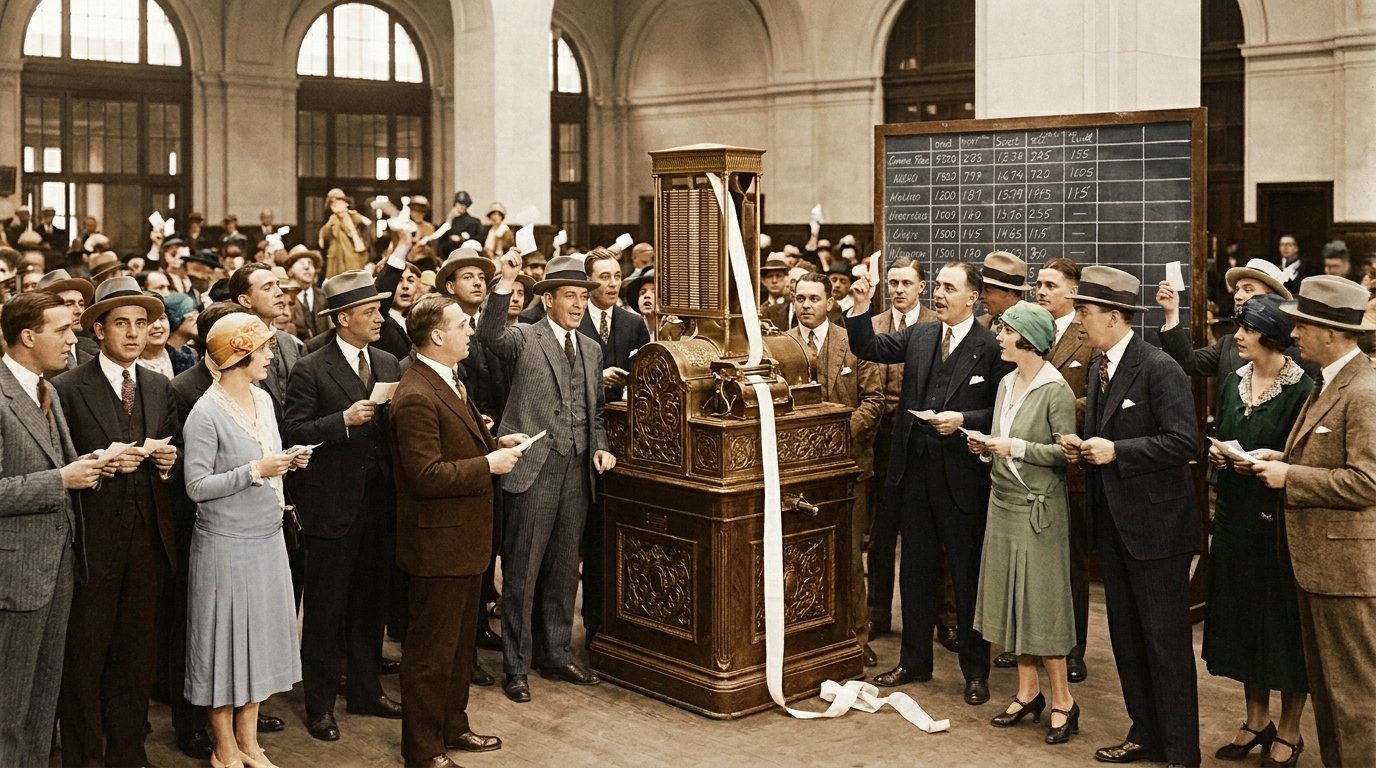
Stock trading moved out of the backrooms and into the kitchen-table zone. Newspapers started running daily tickers, and suddenly the public became obsessed with “playing the market.” Investing turned into this national hobby, and for a while it honestly looked like prices were just going up, and up, with no hard brakes.
Buying on Margin
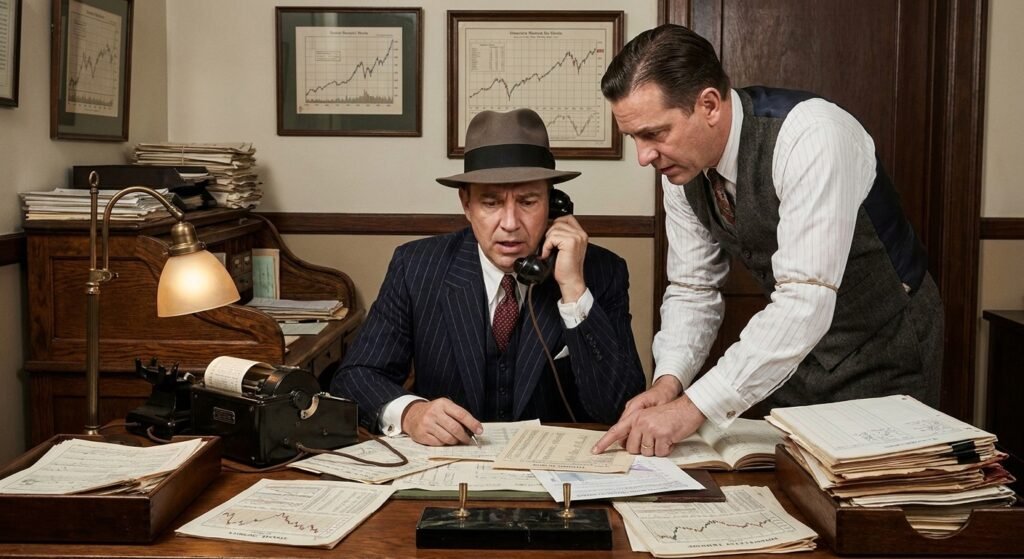
This part was basically the ultimate “get rich quick” trick. You could buy stocks by putting up only a small chunk of the full price, sometimes around 10%, and then borrowing the rest. If the stock climbed, the gains could feel huge compared to what you originally stashed. It was like free money, as long as the market stayed in that nice optimistic mood.
The Rise of the Radio Stars
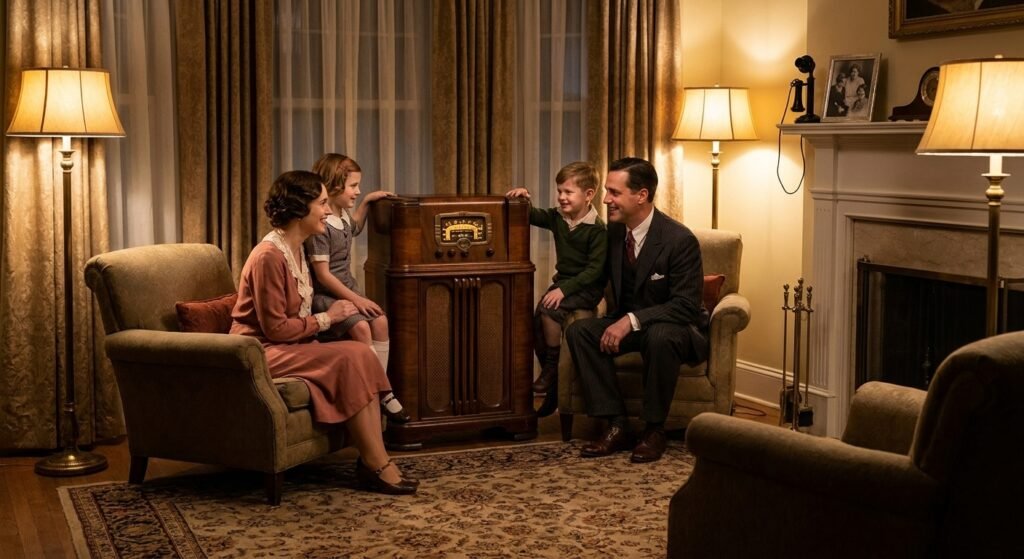
Innovation was doing most of the heavy lifting when it came to wealth. Radio became the centerpiece of the American home, and it created an entire new industry almost overnight. Investors who saw early on that communications tech was going to matter, their portfolios jumped fast because the world was getting more connected by the day.
Real Estate Fever
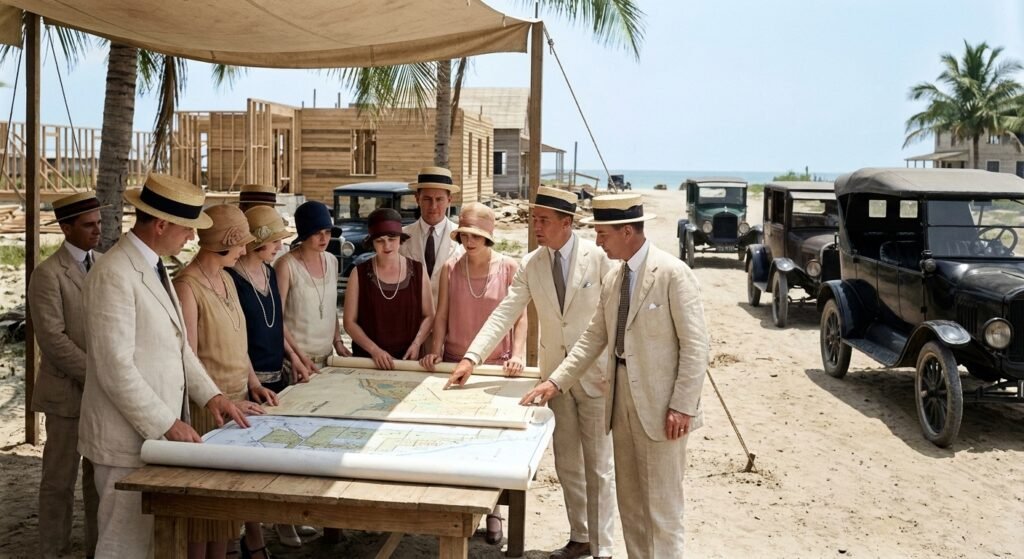
It wasn’t only Wall Street running the show. Florida, in particular, turned into the center of a massive land boom. People bought plots they hadn’t even visited, hoping to flip them for profit a few weeks later. The idea that land was limited, kind of rare by nature, pushed prices higher and higher until it felt like everything was floating away on hot air.
The Electricity Revolution
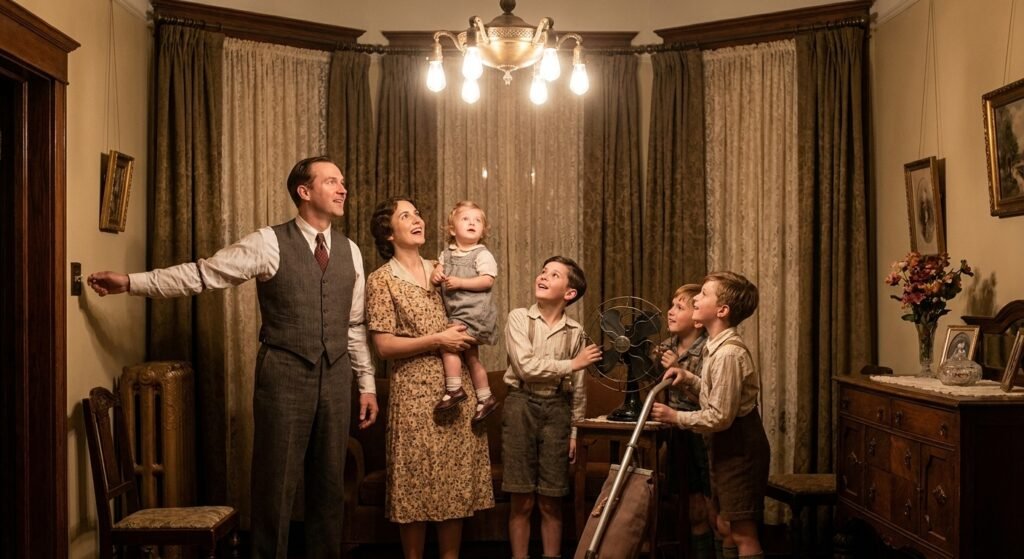
Electricity spreading quickly through homes and factories became this huge multiplier for economic growth. It wasn’t just powering light bulbs, it powered an entire wave of appliances and everyday convenience. Companies focused on electrical infrastructure became the “tech giants” of their time, even if nobody used that exact phrase back then.
Corporate Mergers and Efficiency
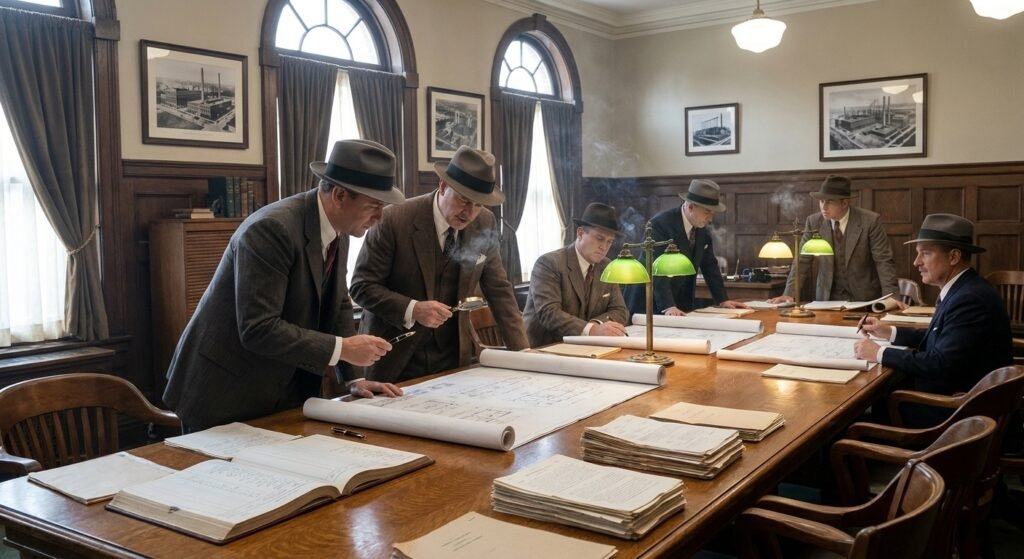
Businesses started getting bigger, and also more polished in how they ran. Mergers plus “scientific management” techniques made corporations more efficient than before. More output meant higher dividends for shareholders and the vibe of corporate momentum that felt unstoppable, at least for a while.
The Celebrity CEO
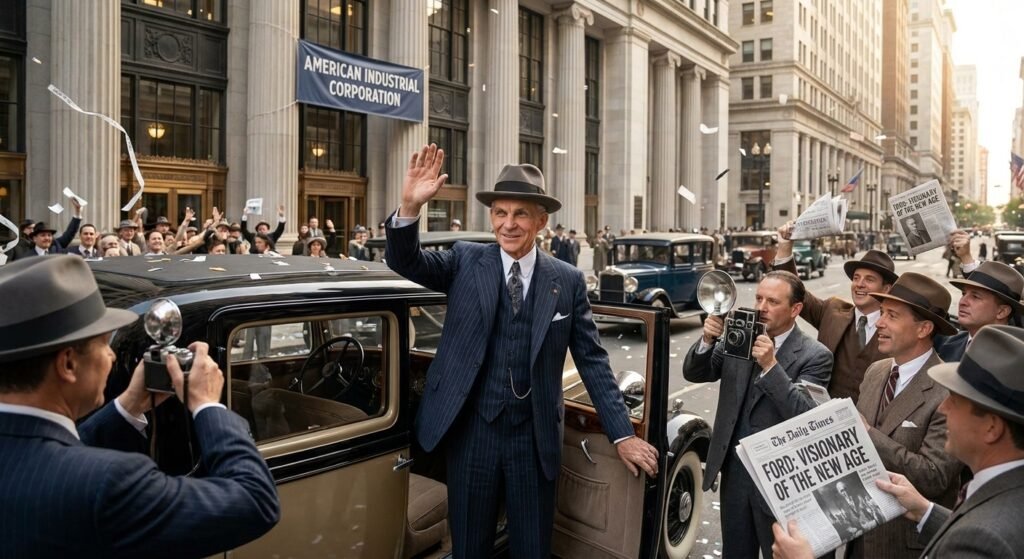
The 1920s also produced the business mogul as a real cultural figure, almost like a celebrity. Henry Ford and others weren’t just managers, they were branded as visionaries. When they captured people’s attention like that, investors wanted in, because they felt they could bet on the future of American ingenuity.
A New Philosophy of Optimism
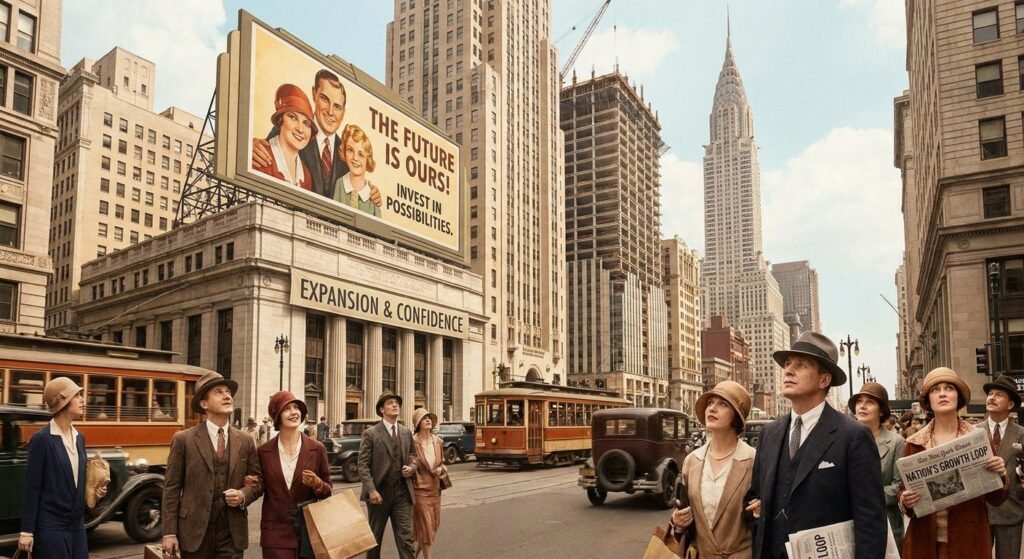
The biggest factor might’ve been the mindset shift itself. Americans drifted away from traditional “frugal” values toward a culture of expansion, possibility, and “why not.” That shared confidence became a self-reinforcing story, a kind of growth loop, and it shaped the decade’s very particular way of trying to build fortune.