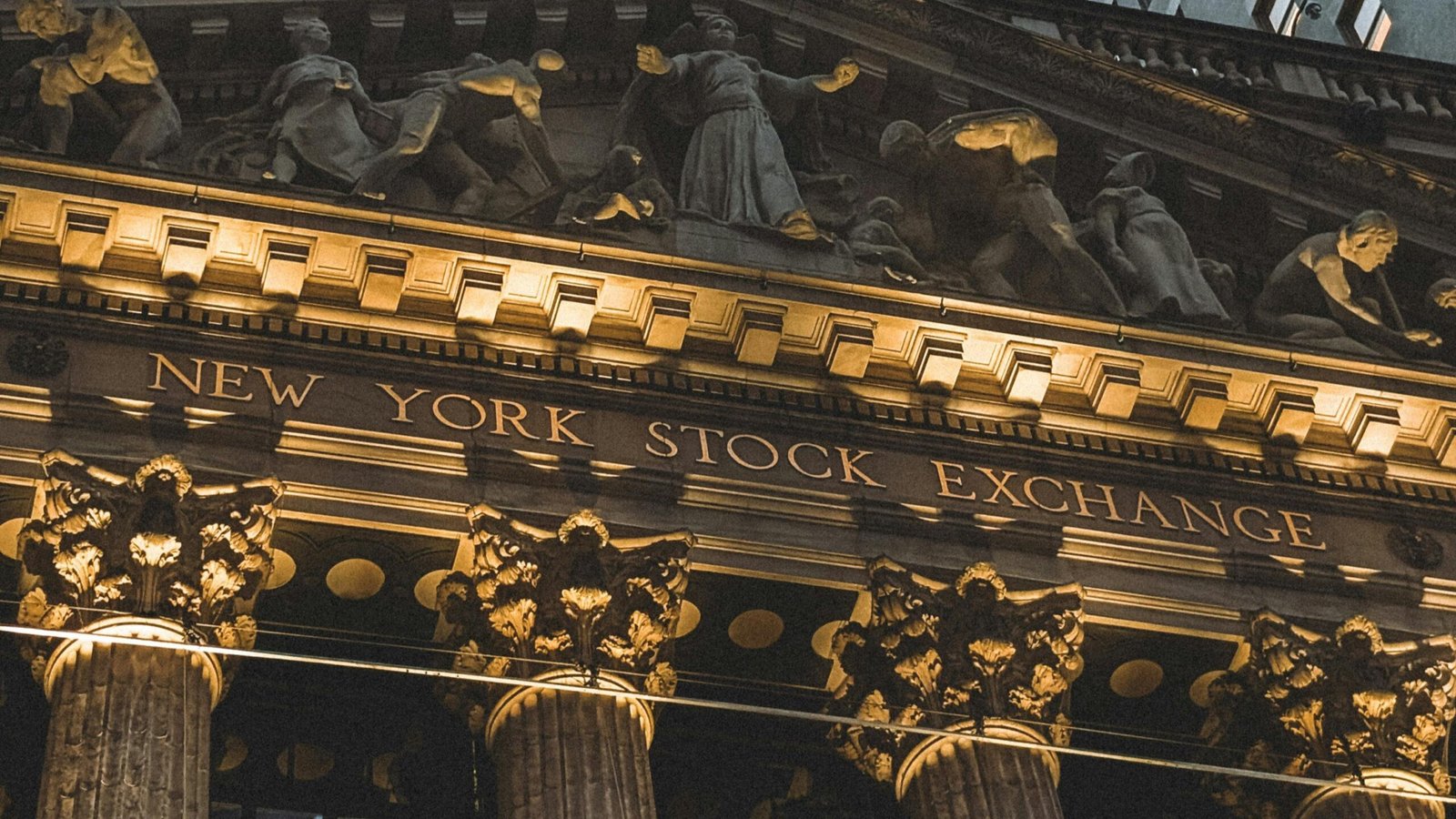
America’s first stock exchange was not an imposing glass tower or a meeting with computer displays. It started in the late 1700s in the congested streets of New York, where merchants, traders and investors came together to make trades of government bonds and shares. The market grew as the fledgling United States of America were looking for money after the Revolutionary War. It was just a few businessmen engaged in informal trade and overtime, which gradually evolved into an effective financial structure setting the course for the current financial system. The early stage of the market was fraught with danger, competition, fear and destiny that altered American history, behind every success and fortune.
Wall Street Origins

Over 200 years ago, the beginnings of America’s first stock exchange came to Wall Street in New York City. From the 1600s, it was originally named the “Dutch Wall Street” because of the original construction of the street with a wooden wall to protect against attacks and invasion from the Dutch.
Trading in the shade of a tree!

In 1792 traders met in a formal meeting beneath a button wood tree for an agreement on trading securities. This was referred to as the Buttonwood Agreement and was an important development in the organization of trading.
Bonds Before Stocks

The initial trading was more on government bond trading than on company stocks. Following the Revolutionary War, the U.S. government came back begging for funds; therefore, bonds proved necessary in the economy of the fledgling American nation.
Birth Of Trust

The market helped to establish investor confidence. Deals were frequently disorganized without any organized exchanges. With the introduction of standard rules, traders gained confidence and increased their financial transactions.
Wealthy Merchant Influence

Wealthy merchants and up-to-date bankers were among the first traders. Influenced much of the activity in the market by personal contact, they exerted control in financial matters and trade deals.
Panic And Fear

From an early stage, as the market’s newness, there was fear and instability. Short-term market gains and precipitous losses were frequently caused by rumours, politics and economic uncertainty.
Hamilton’s Financial Vision
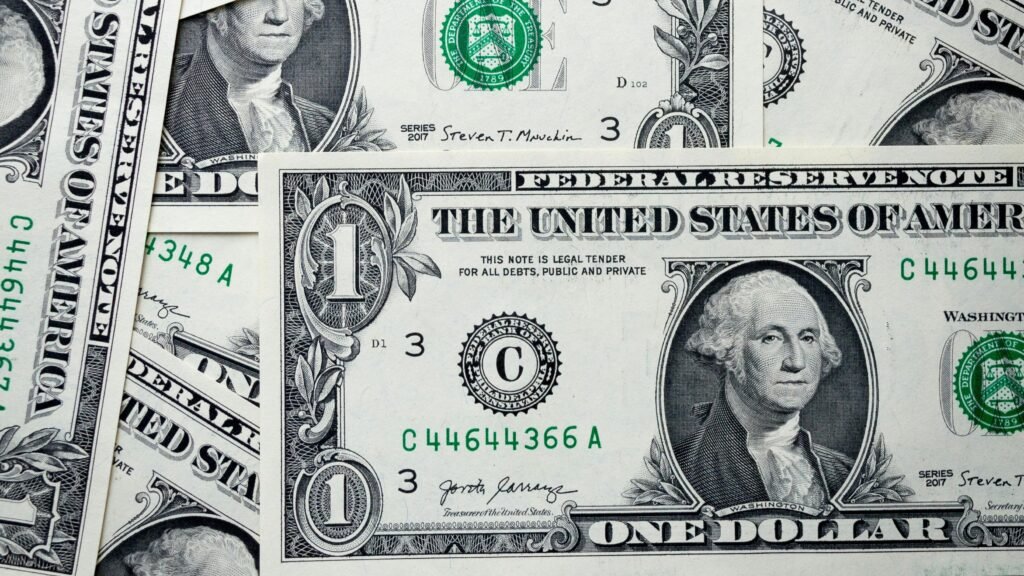
Alexander Hamilton made a significant impact on America’s financial landscape. His policies reinforced the credit of the federal government and promoted credit, which contributed to the growth of the market.
Rise Of Speculation

Soon it would be widely conjectured. Prices climbed quickly as traders purchased shares with the expectation that they would make great profits but, not knowing exactly what they were buying, at times.
New York Takes Control
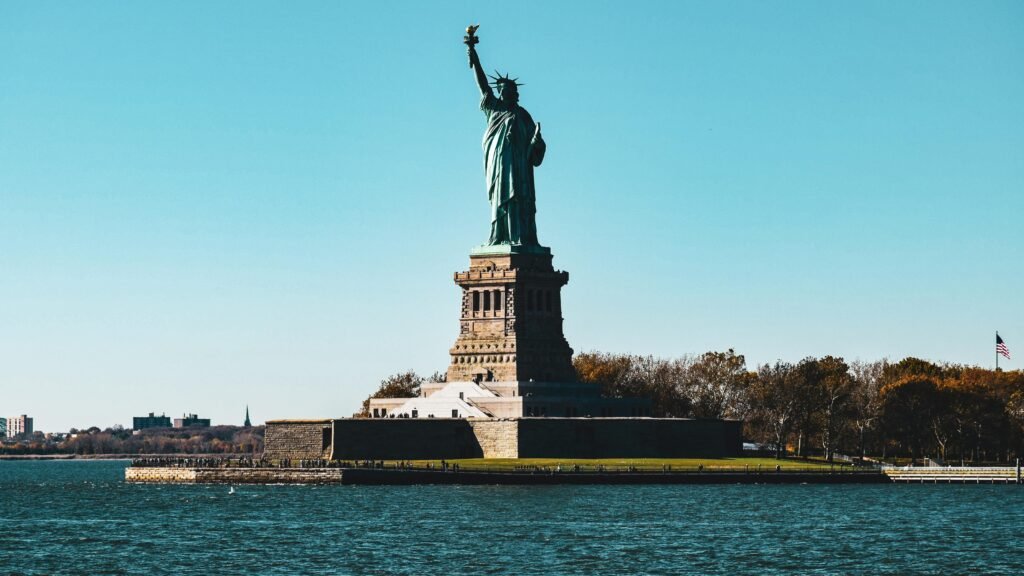
At the turn of the 18th and 19th centuries, the competition in price was a matter of every city, but eventually New York became America’s leading trading center. Its ports, companies, and expanding population will draw in additional funding and other companies.
A business that sells goods and provides services.

The technology behind the early stock market paved the way for present day monetary system. What happened during those years crystallised into organised exchanges such as the NYSE, which have continued to take place globally over the centuries.