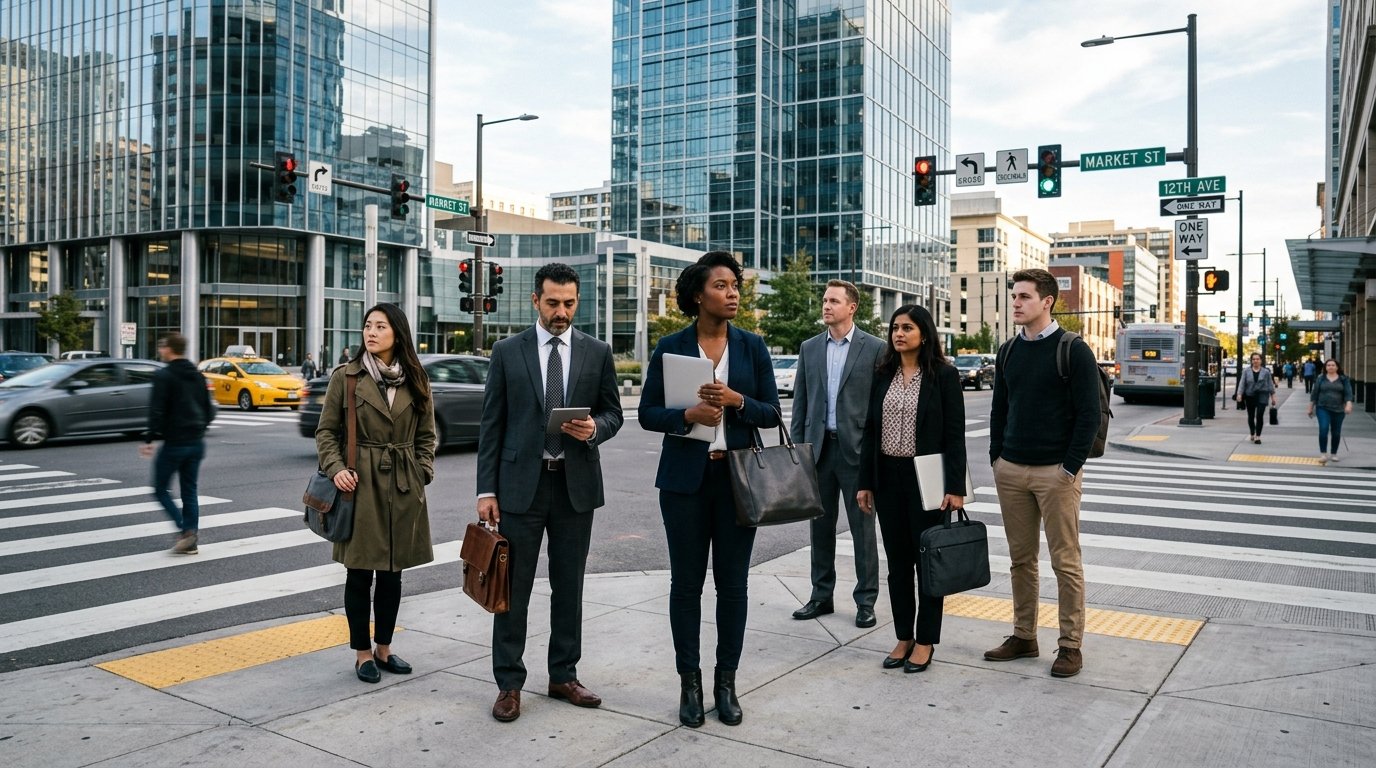
Remote work has moved from temporary solution to permanent feature of modern employment. As companies accept flexible work arrangements professionals are choosing where to live based on lifestyle affordability and community. This shift quietly redirects income spending and investment toward new regions. Small cities towns and scenic areas now receive residents who once filled big office towers. Their salaries flow into local housing food services and schools creating opportunities for businesses governments and workers alike. The places adapting quickly are seeing stronger economies and renewed confidence about their future growth and stability ahead today and tomorrow as communities evolve steadily.
Small Town Migration
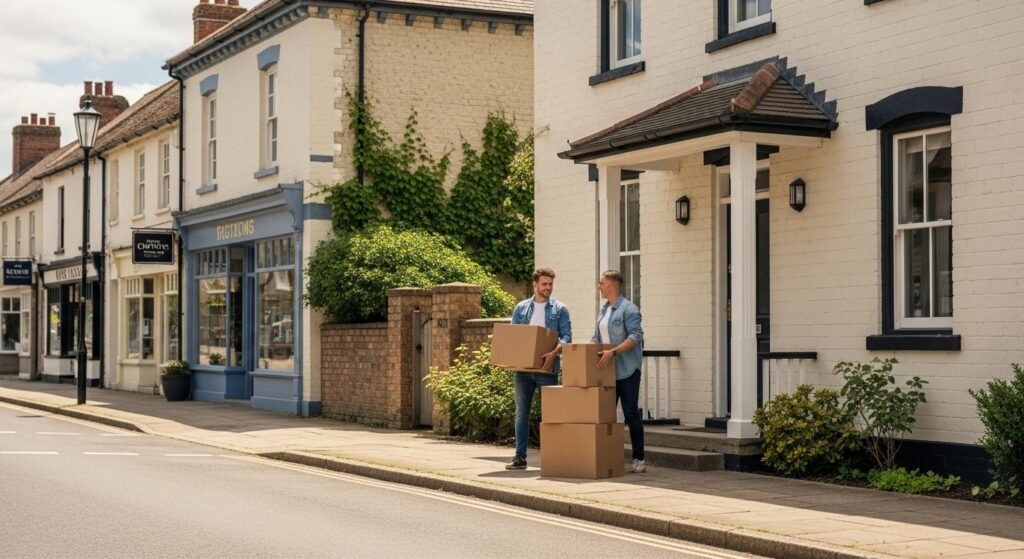
Small towns are gaining new residents as remote workers leave expensive metros. Their salaries travel with them. Local housing grocery stores and service businesses see steady demand. This quiet migration strengthens regional economies once overlooked.
Neighborhood Businesses Revive

Neighborhood businesses are seeing renewed foot traffic when remote employees spend weekdays close to home. Cafes fitness studios repair shops and childcare services benefit from consistent daytime customers. This stability helps owners plan hiring confidently.
Real Estate Demand Shifts
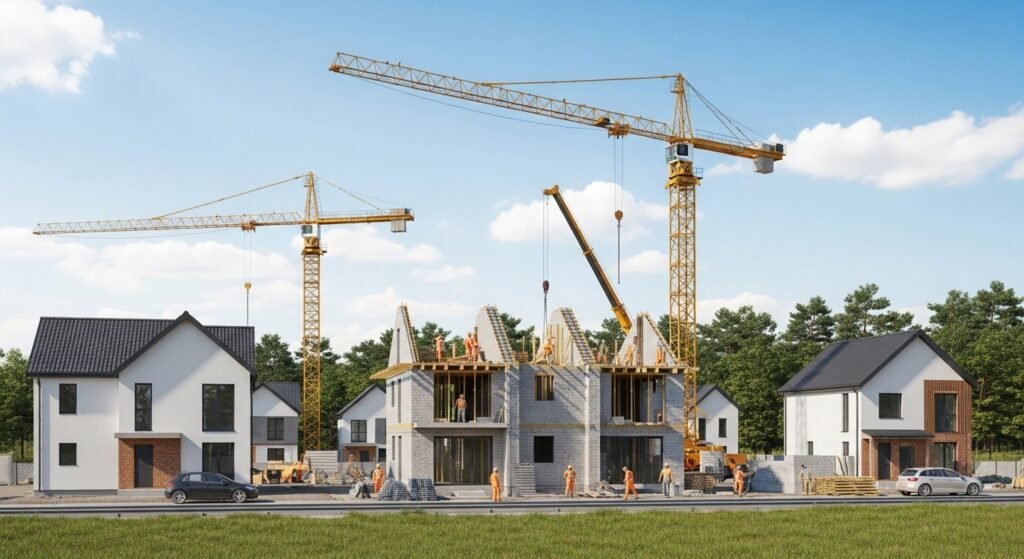
Real estate demand is rising in smaller cities and scenic regions. Remote professionals look for space comfort and affordability. Builders respond with new housing projects and renovations. Property taxes increase providing towns funds for infrastructure.
Stronger Local Tax Revenue
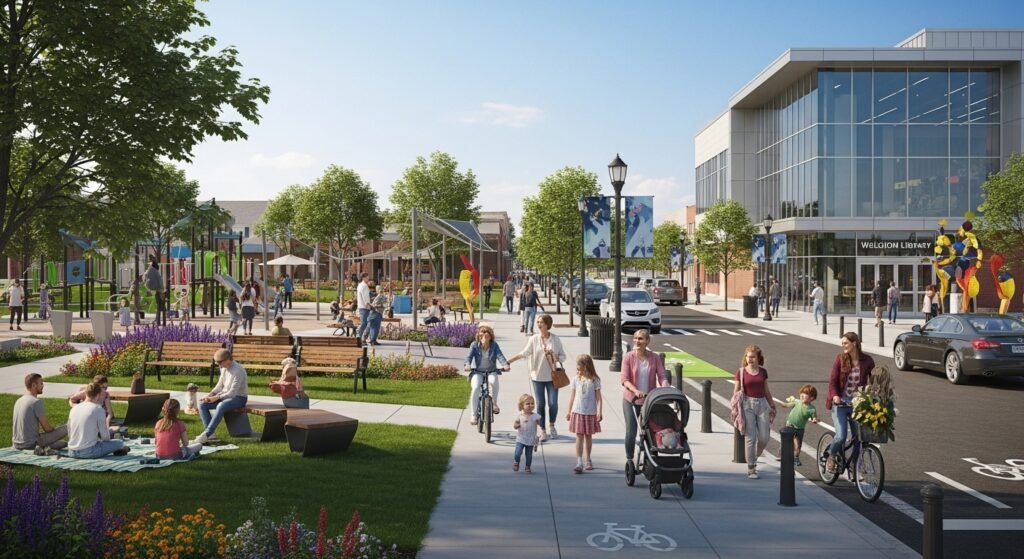
Local governments notice stronger tax bases as remote workers relocate. Income property and sales taxes grow steadily. Leaders invest in parks libraries transport upgrades and digital networks. These improvements attract more residents and responsible businesses.
Regional Talent Retention

Regional graduates once left for big cities. Now remote opportunities allow them to stay near family while working for global companies. Their spending power supports housing retail education and healthcare services in hometown economies stability.
Growth of Coworking Spaces
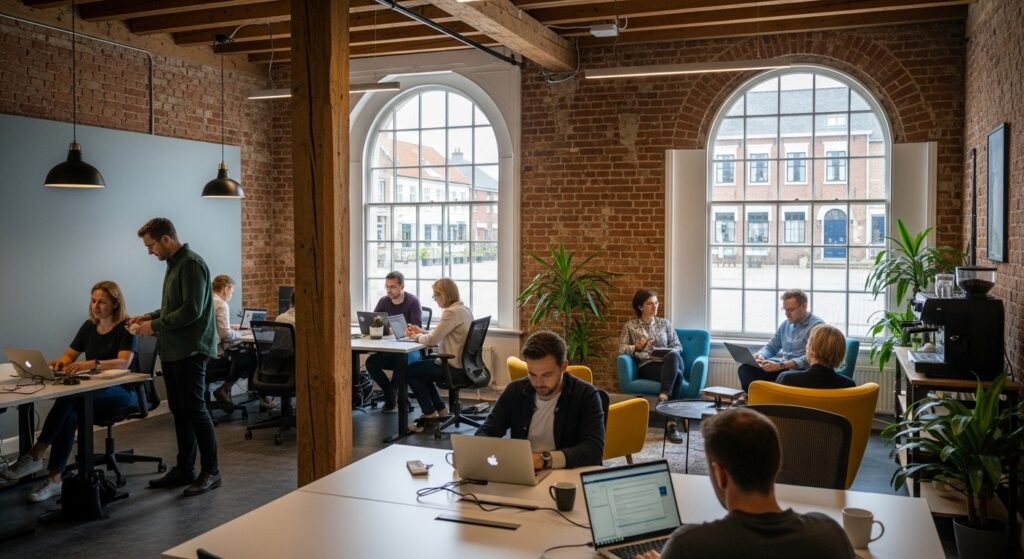
Coworking spaces appear in smaller communities offering quiet offices fast internet and professional networks. Remote employees use them for meetings collaboration and focus sessions. These hubs encourage entrepreneurship partnerships and knowledge sharing across local industries.
Digital Infrastructure Expands
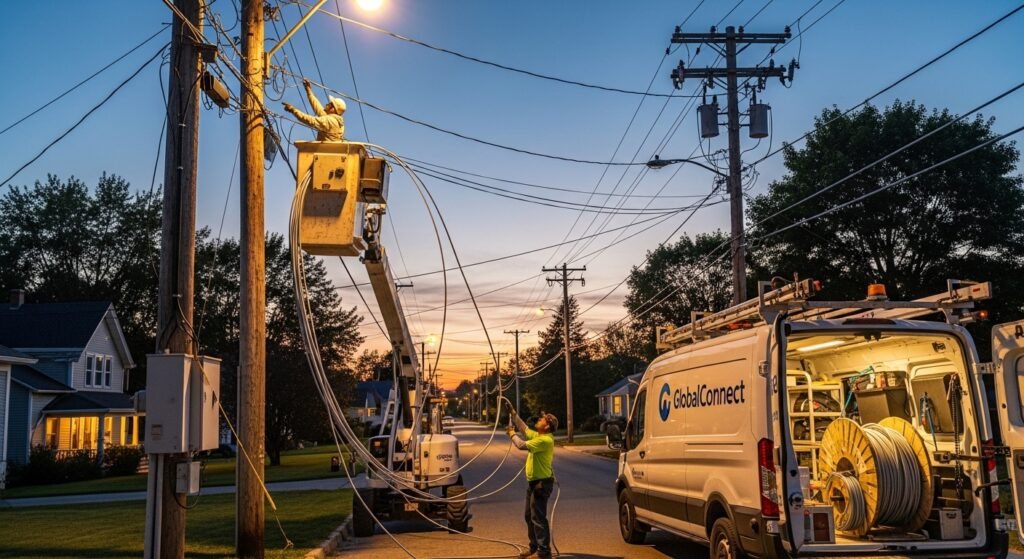
High speed internet becomes essential for regions welcoming remote professionals. Governments and telecom providers expand fiber networks. Better connectivity supports online education telehealth e commerce and remote services benefiting households schools startups farms and small enterprises.
Tourism and Lifestyle Spending

Remote workers often choose locations known for nature culture and calm living. Their presence supports local tourism restaurants markets arts events and outdoor activities. Weekday exploration spreads visitor spending beyond holiday seasons helping communities thrive.
Diverse Local Economies

When remote professionals settle in a region they bring varied skills technology finance design education consulting. Their expertise encourages new startups mentorship programs and partnerships. This diversity strengthens resilience during economic shifts or industry slowdowns.
Reduced Urban Pressure
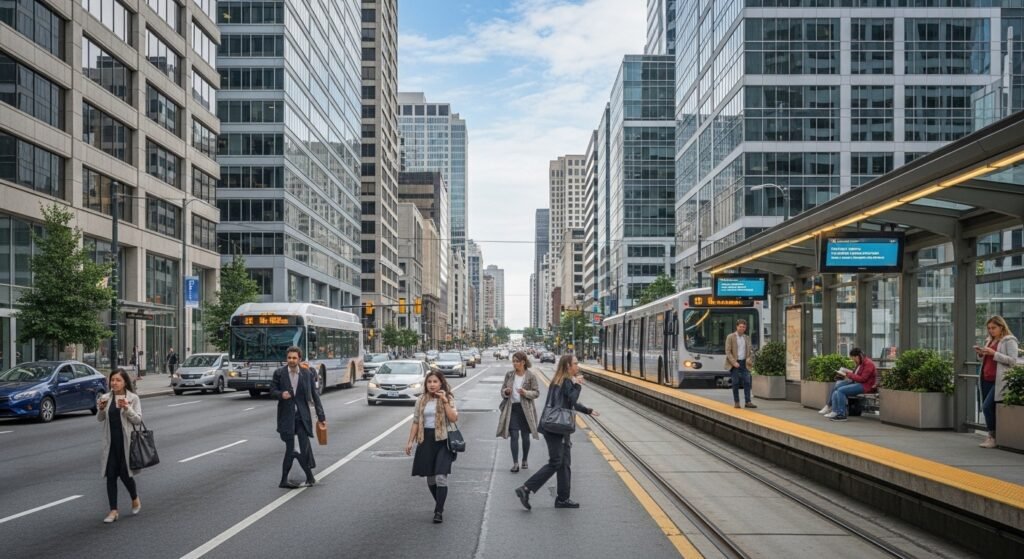
Major cities experience lighter pressure on housing transit and daily congestion as some employees work elsewhere. This shift allows planners to rethink land use improve services and support balanced national development across multiple growing regions.
A More Balanced Growth Model
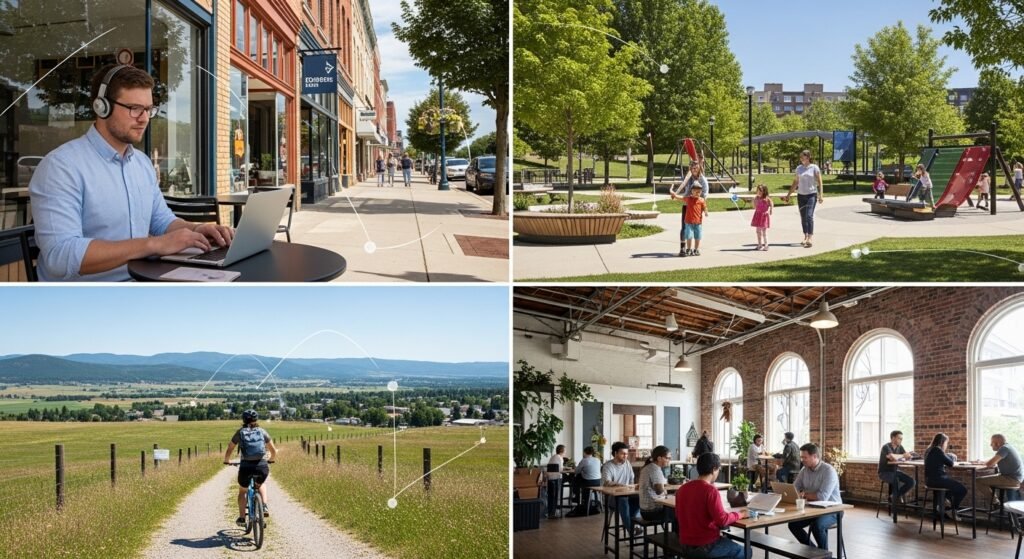
Remote work spreads income opportunities across many regions rather than concentrating them in a few megacities. Communities that welcome talent invest in infrastructure and protect quality of life are emerging as strong economic winners today.