
The dot-com era was one of the greatest eras to witness in financial history which happened in the late 1990s. With the fast development of the internet, investors realized that any business done online will transform the world and make gigantic profit. From the technology department, start-up companies would lure in massive amounts of money with little or no viable business model or revenue. There was excitement and euphoric optimism, pushing stock prices higher over the uncertainties of the market. When the deflating bubble finally came to a grinding halt, billions of dollars were lost, businesses went out of business in a single night and investors got a painful taste of speculation, risk, and sustainable business growth.
Internet Fever
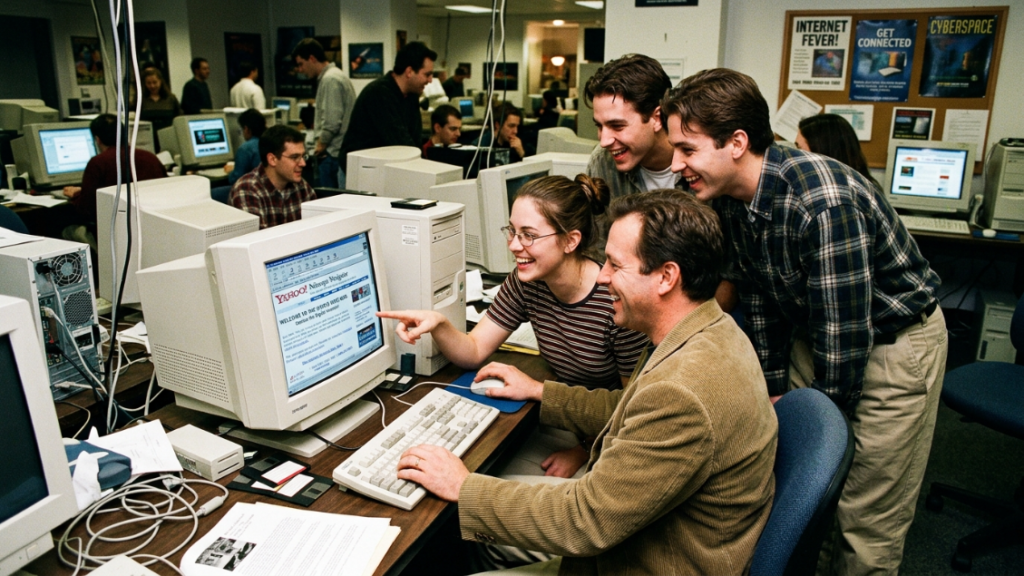
With the increasing availability of web access, companies went into the web. With new frontiers in digital commerce, communication, and entertainment, investors had their eyes on the internet with excitement.
Easy Funding

Start ups received much interest from venture capital firms. Mostly, the companies with a mere website and a business plan have garnered funding with millions of dollars.
Sky-High Valuations

The use of traditional approaches to valuation were mostly bypassed. The investors were less interested in the profits that they are interested in traffic to the website, growth of the user base, and what they expect the website to offer in the future.
Media Hype

The internet businessmen were touted as visionaries, in financial news channels. Ongoing exposure saw the level of investor enthusiasm grow and more investors pour money into technology shares.
Fear of Missing Out

Investors expressed concern about not recognizing the next great success. This dread encouraged people to purchase stock in companies, even if they had not made any profits.
The Nasdaq Surge

Stock indexes of technologies surged. The Nasdaq came to stand as an emblem of the Internet bubble as investors rushed to buy into tech stocks.
Reality Sets In

Eventually, investors started wondering how much of it would become profitable to invest in startups. Confidence saw a decline due to disappointing earnings.
The Market Crash

It was in 2000 that technology stocks began to decline drastically. Investors panicked and began selling, leading to a sell-off that saw the values of all companies slide.
Companies Vanish

A number of start-ups ran out of cash and closed their operation. It was only months after the downturn that businesses once thought “Too big to fail” were gone.
Lasting Lessons

The break-down was an example of the ills of breeding on the stock market and over-optimism! Attendees heard that viable business fundamentals are more of a value than great promises, and that surviving technology-based companies emerged “_cleaner,” demonstrating a positive influence on the digital economy of today.