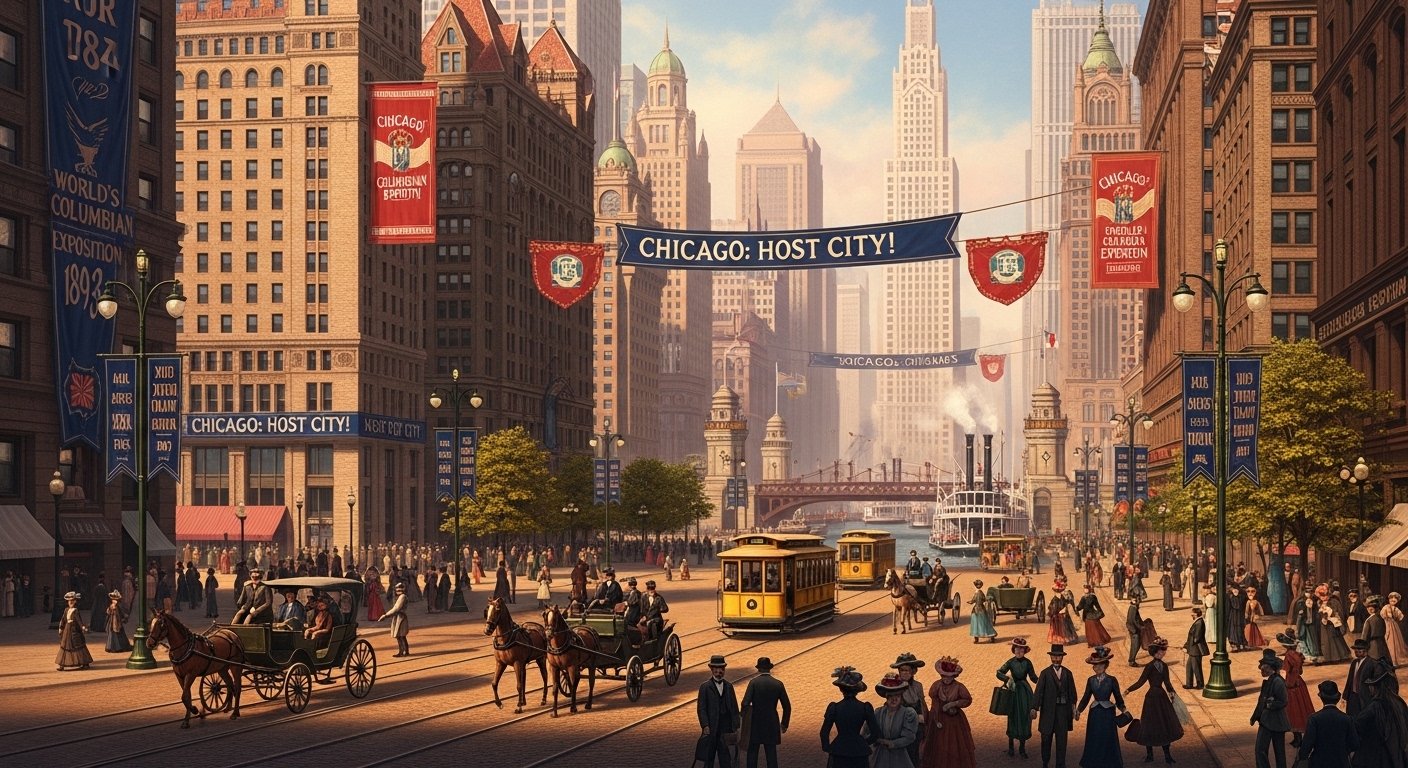
In the late nineteenth century, American cities competed fiercely for recognition and opportunity. One historic moment arrived when Chicago secured the honor of hosting the 1893 World’s Fair. Officially known as the World’s Columbian Exposition, the event commemorated the 400th anniversary of Christopher Columbus arriving in the Americas. At the time, Chicago was rebuilding its reputation after the Great Chicago Fire. Winning the fair was more than symbolic. It proved the city’s determination, ambition, and growing influence. Civic leaders, architects, and business figures worked together to present a powerful vision. Their efforts eventually convinced the United States Congress to award the international exposition to Chicago.
A Fierce National Competition
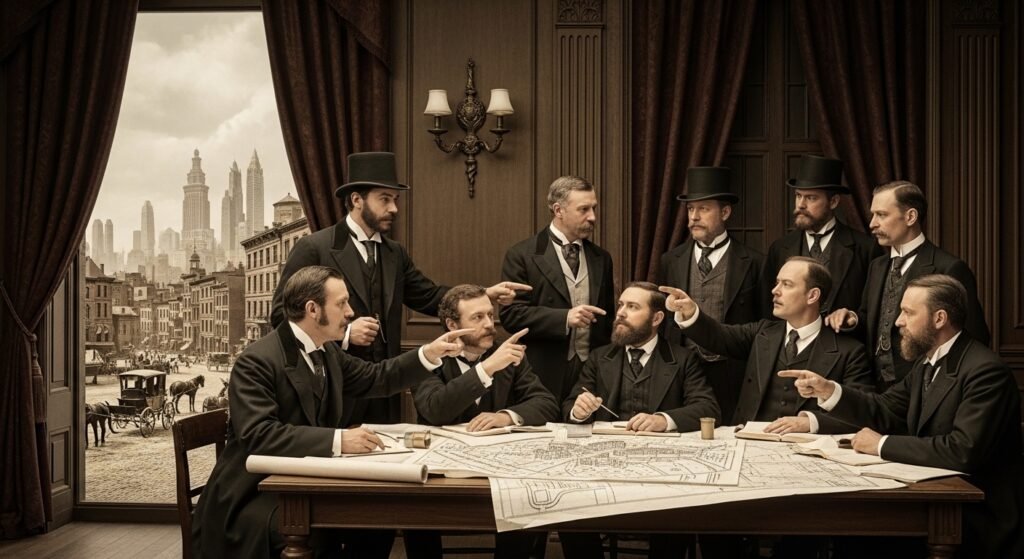
Several major cities wanted to host the World’s Columbian Exposition. Strong contenders included New York City, St. Louis, and Washington, D.C.. Each city promoted its strengths. Chicago impressed decision makers with energy, funding commitments, and a clear plan.
Chicago’s Bold Proposal
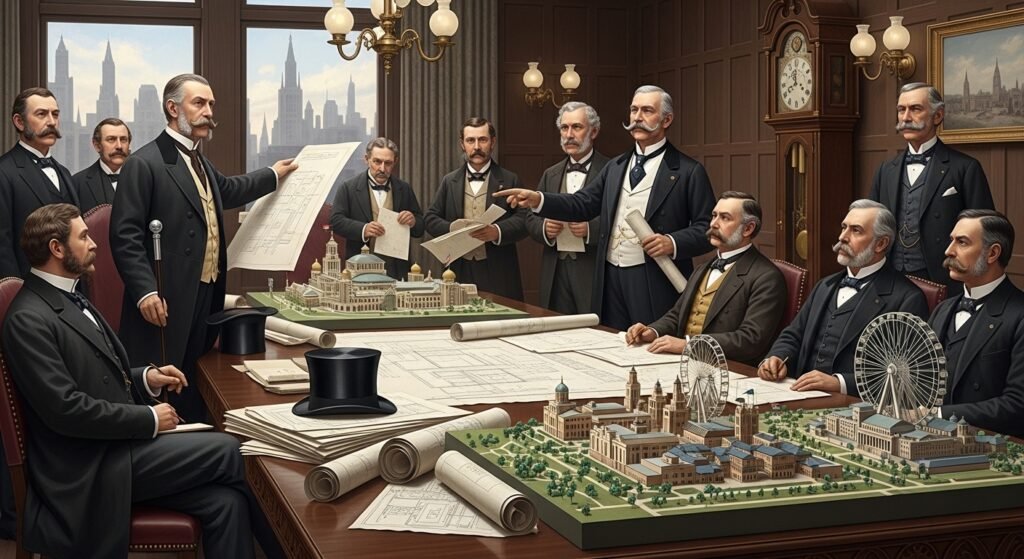
Civic leaders in Chicago organized a strong campaign. Business leaders pledged financial support. Community groups promoted the city’s growth and transportation network. The proposal showed Chicago could manage a global event and welcome millions of visitors.
Congressional Decision
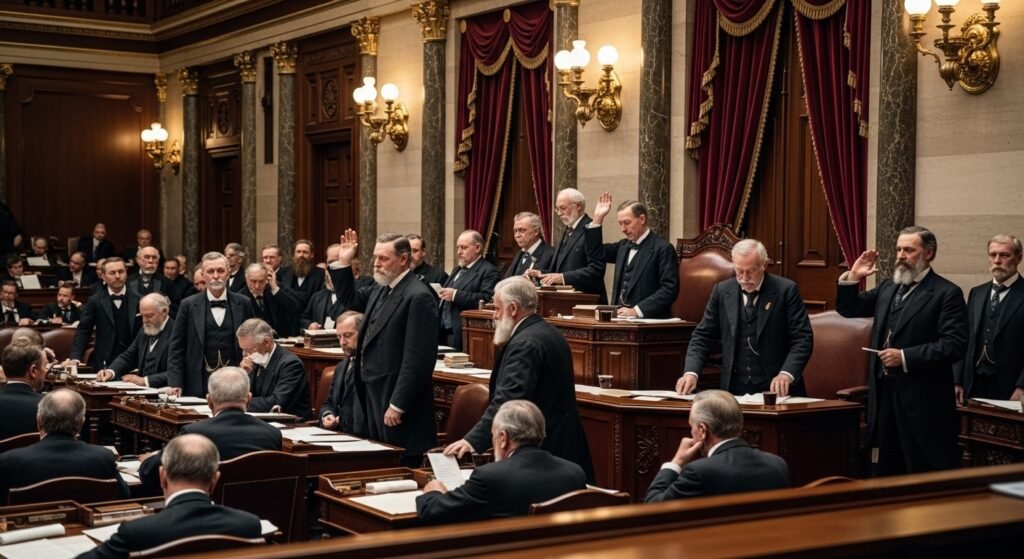
The final decision rested with the United States Congress. After several votes, Chicago secured the winning bid in 1890. The decision reflected confidence in the city’s rapid development and organizational strength.
Symbolic National Celebration
The fair honored the anniversary of Christopher Columbus reaching the Americas in 1492. Organizers wanted an event that displayed innovation, culture, and international cooperation. Chicago offered the scale and ambition required for such a celebration.
The Role of Visionary Planners
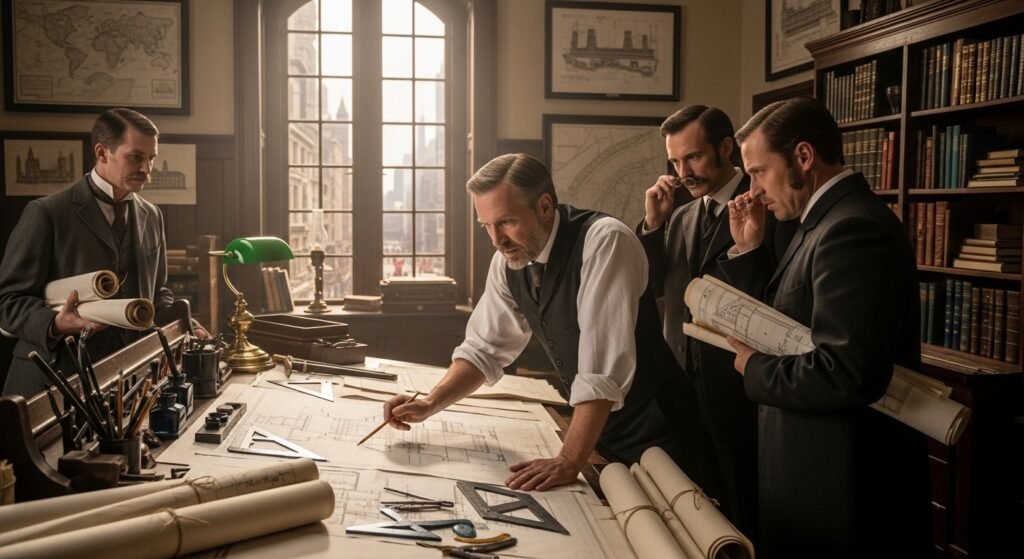
Architects and planners quickly began designing the fairgrounds. One key figure was Daniel Burnham. His leadership helped shape the project’s architectural vision and organizational structure.
The Creation of the “White City”
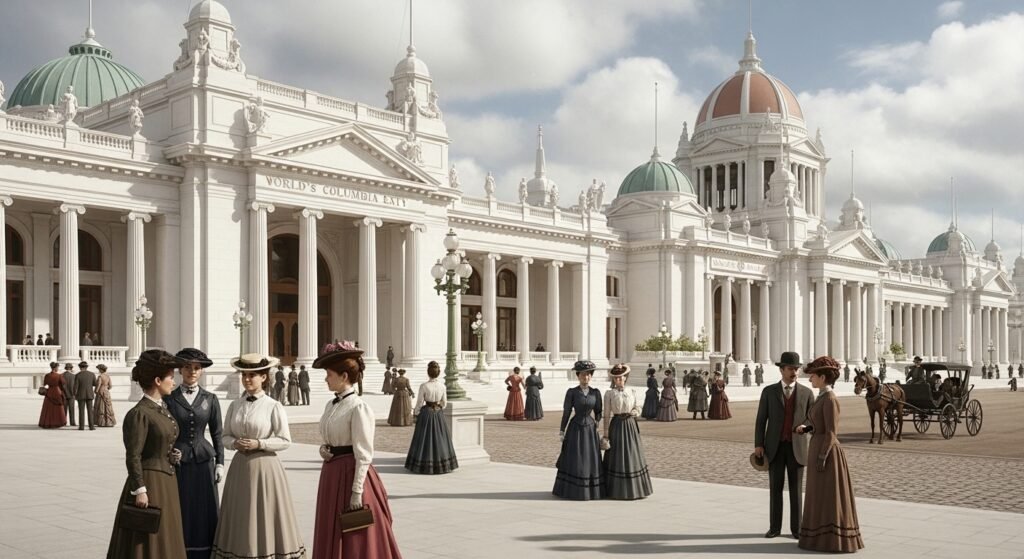
Designers built grand buildings with bright facades. Visitors later called the fairgrounds the “White City.” The project highlighted classical design and urban planning ideas that influenced future American cities.
Transforming Jackson Park
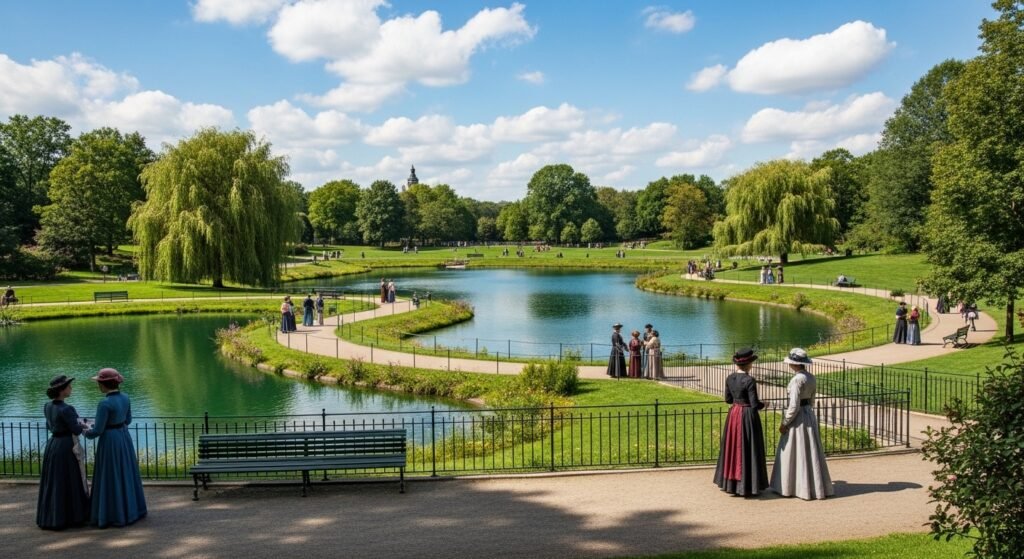
The exposition site was chosen in Jackson Park. Landscape architect Frederick Law Olmsted helped shape the grounds. Lagoons, pathways, and green spaces created a welcoming environment for visitors.
A Showcase of Innovation
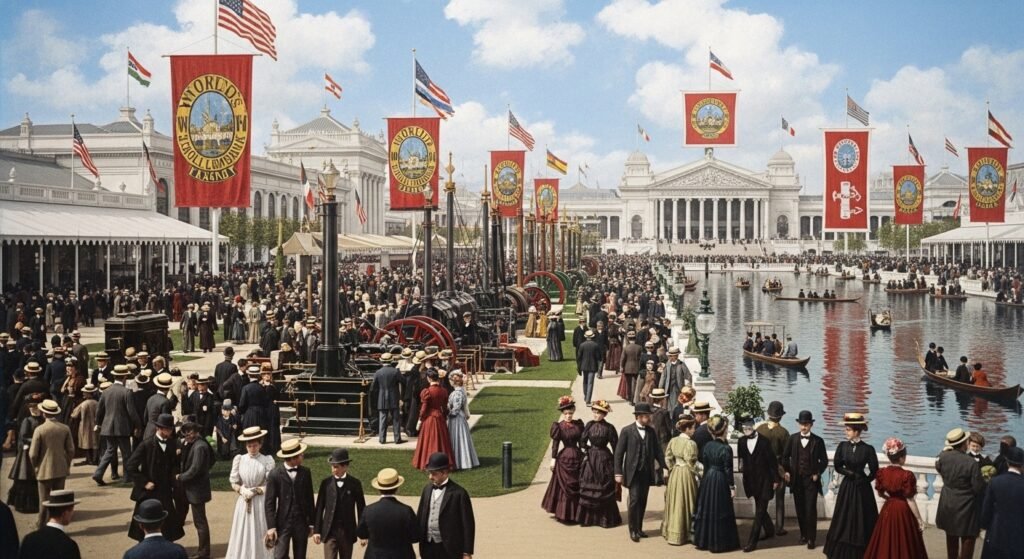
The fair presented new technologies and cultural displays from many countries. Visitors saw inventions, architecture, and engineering achievements. The exposition helped introduce modern ideas about design and industry.
Lasting Cultural Influence
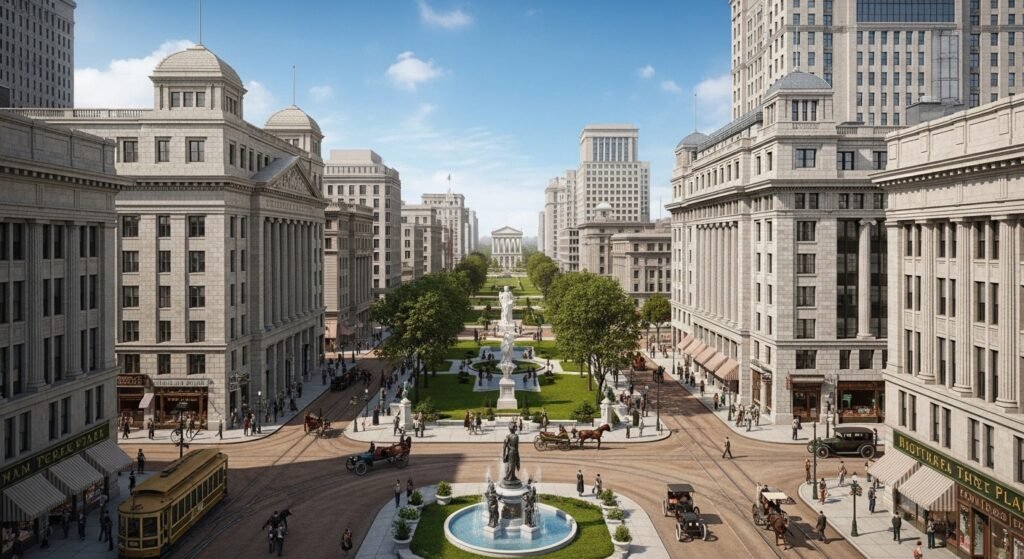
The success of the World’s Columbian Exposition inspired urban planning movements. It influenced later city beautification projects and public architecture across the United States.
A Historic Turning Point
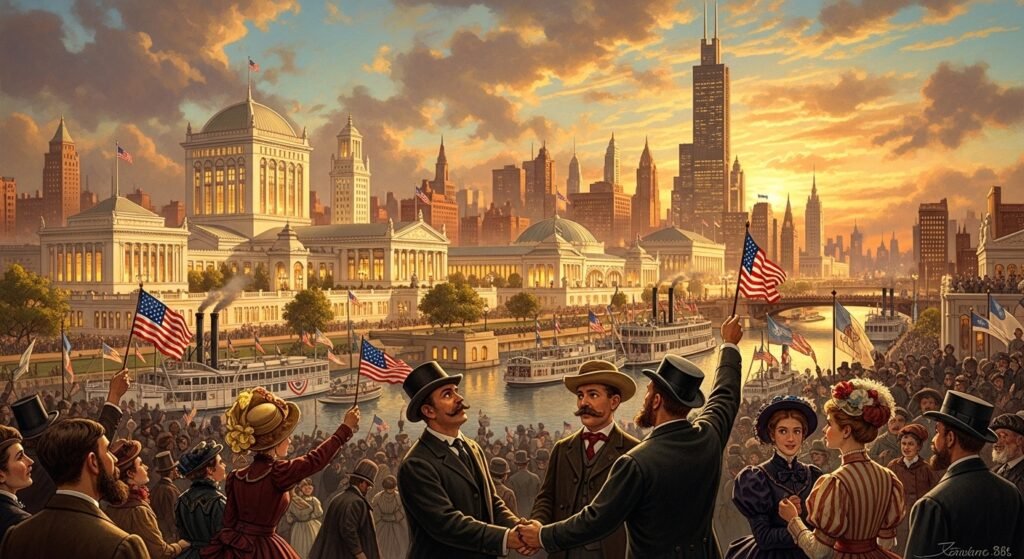
Winning the bid marked a turning point for Chicago. The fair brought global attention and lasting pride. Today, historians still recognize the decision as a defining moment in the city’s development and identity.