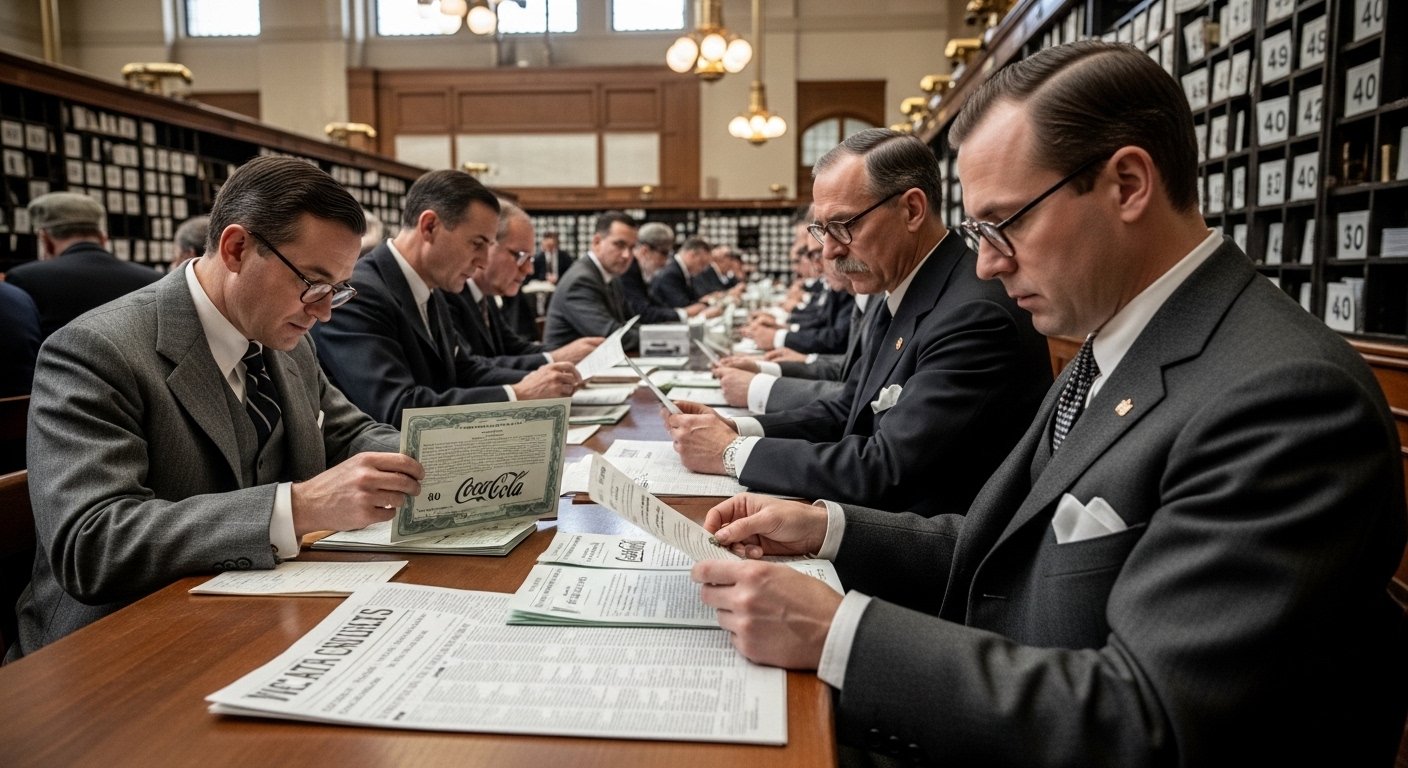
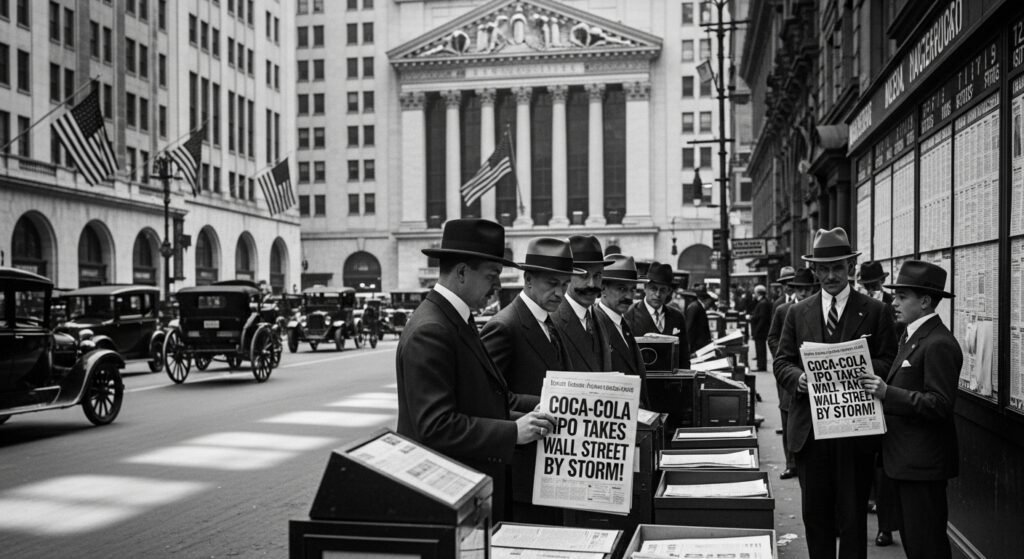
In 1919, a major moment in American business history unfolded when The Coca-Cola Company entered the public market. At that time, the company was already a recognizable beverage brand, but its financial journey was only beginning. The initial public offering priced shares at $40, a figure that now seems modest considering the company’s later global influence. Organized by investors including Ernest Woodruff, the IPO helped reshape ownership and brought the company to a wider group of investors through the New York Stock Exchange. Looking back at that moment offers insight into how a growing beverage business became one of the most recognized corporate success stories in financial history.
The Early Bottling Vision
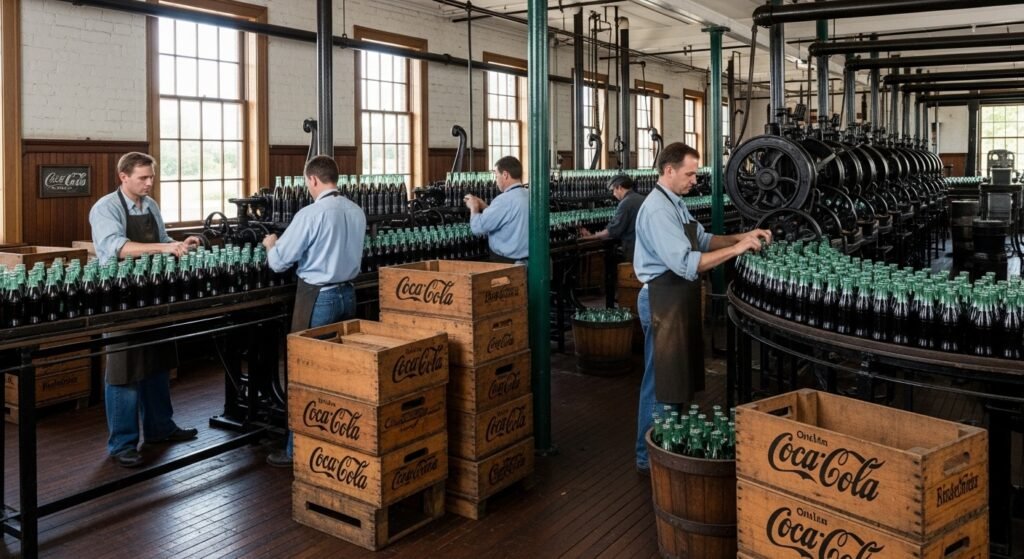
Before the public offering, Coca-Cola had already developed a strong identity through its syrup formula and expanding bottling partnerships. These early distribution strategies created confidence among investors who believed the beverage could reach markets across the United States.
Investor Leadership
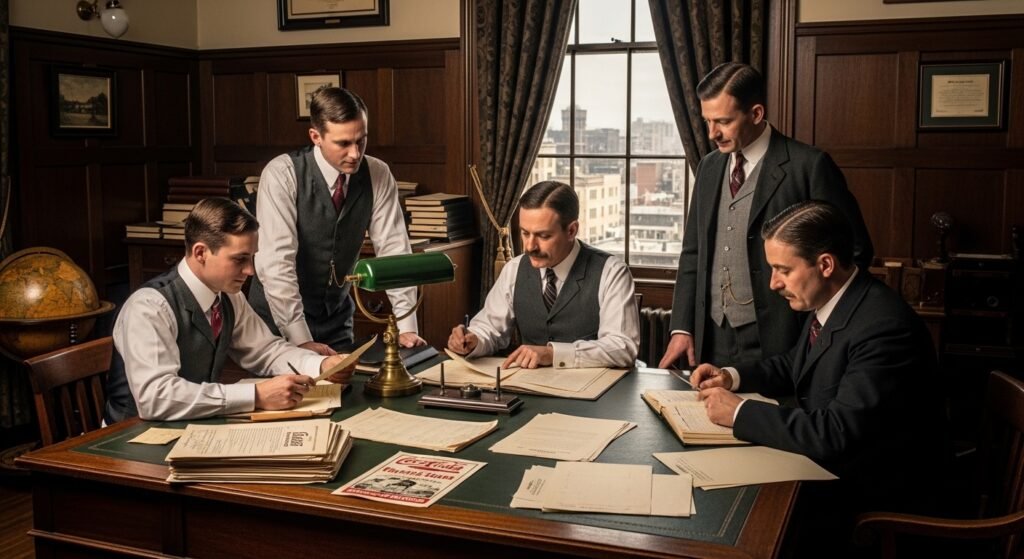
The 1919 IPO was largely organized by a group of investors who saw the brand’s commercial promise. Their leadership helped transform the company from privately controlled ownership into a broader shareholder structure with new financial backing.
A $40 Share Price
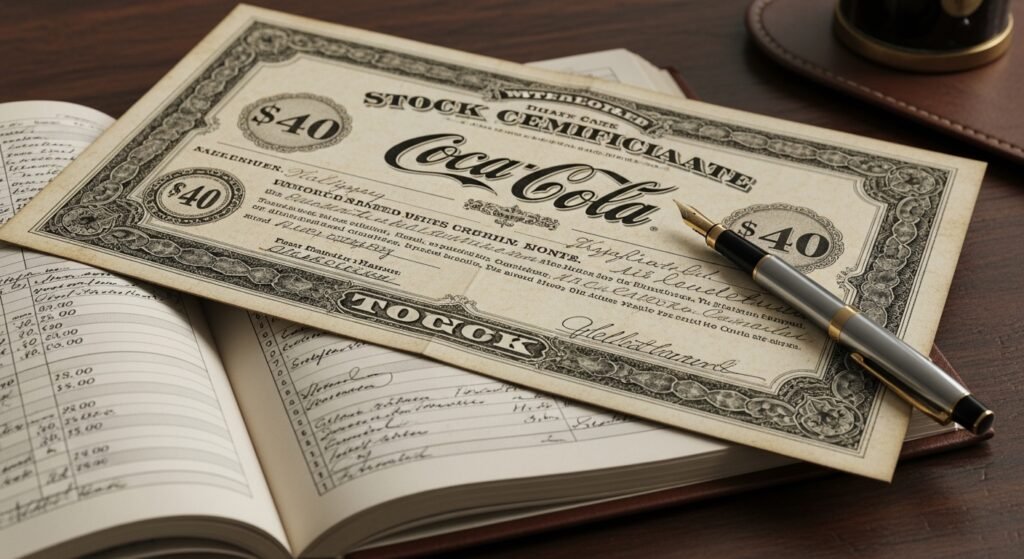
When shares were first offered to the public, the price was set at $40 each. At the time, this represented a significant investment but also allowed individuals outside the founding circle to participate in the company’s growth story.
Expanding Market Interest

The offering attracted attention from investors interested in consumer goods businesses. Beverage companies were beginning to show the potential for consistent demand, making Coca-Cola’s stock an appealing opportunity in the expanding American market.
A Turning Point in Ownership
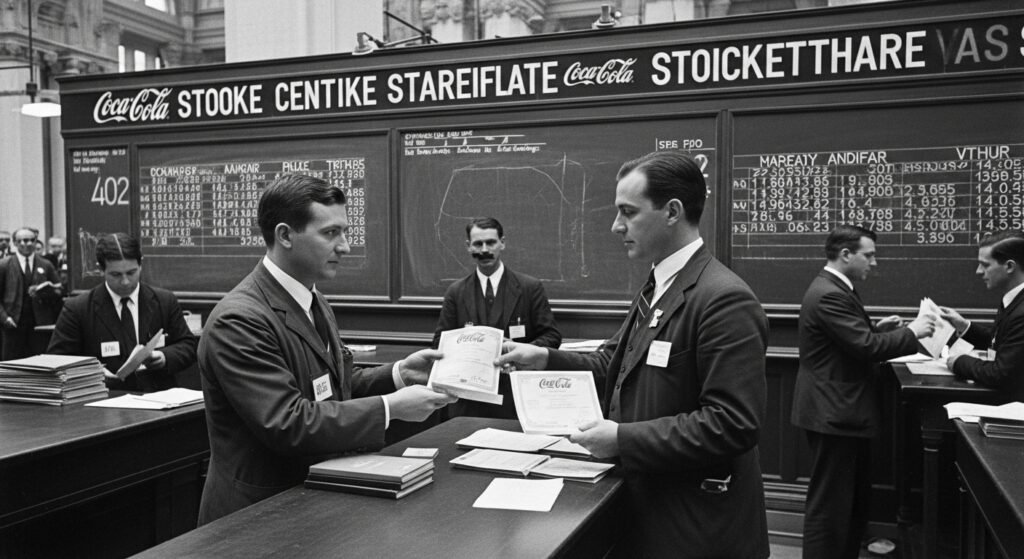
Before the IPO, ownership of the company had been concentrated among a smaller group of stakeholders. The public offering redistributed shares more widely and allowed the business to raise capital for future expansion.
Growth Through Bottling Networks

One reason investors were confident in the company was its franchised bottling system. This structure allowed independent partners to produce and distribute the drink locally, helping the brand reach new communities efficiently.
Challenges After the Launch

The early years following the IPO were not entirely smooth. Market fluctuations and economic uncertainty affected many companies. However, Coca-Cola continued building its brand presence and maintaining steady demand for its beverage.
Building a Recognizable Brand
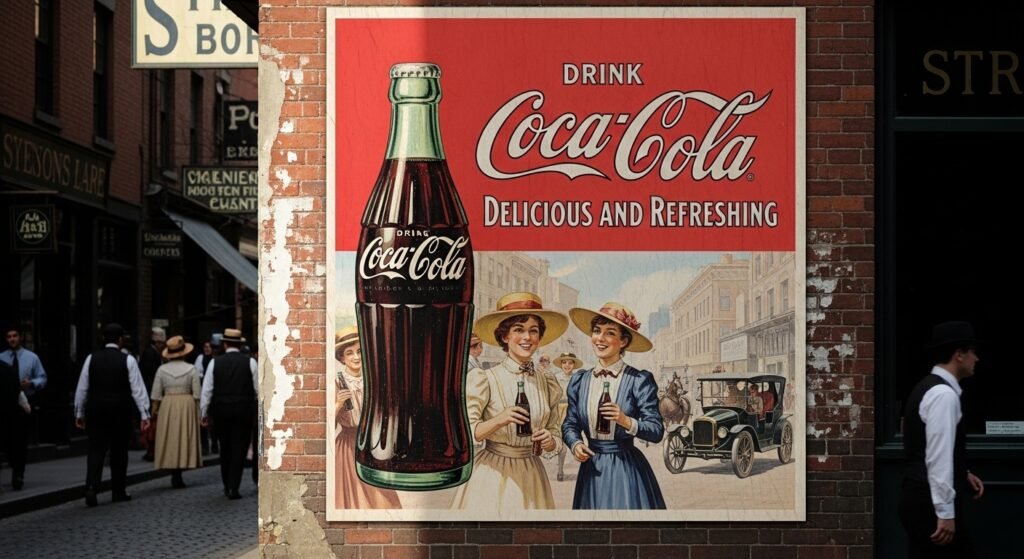
Advertising campaigns and consistent packaging played an important role in strengthening the company’s identity. These marketing efforts helped transform a simple soft drink into a product associated with refreshment and everyday enjoyment.
Long-Term Shareholder Value
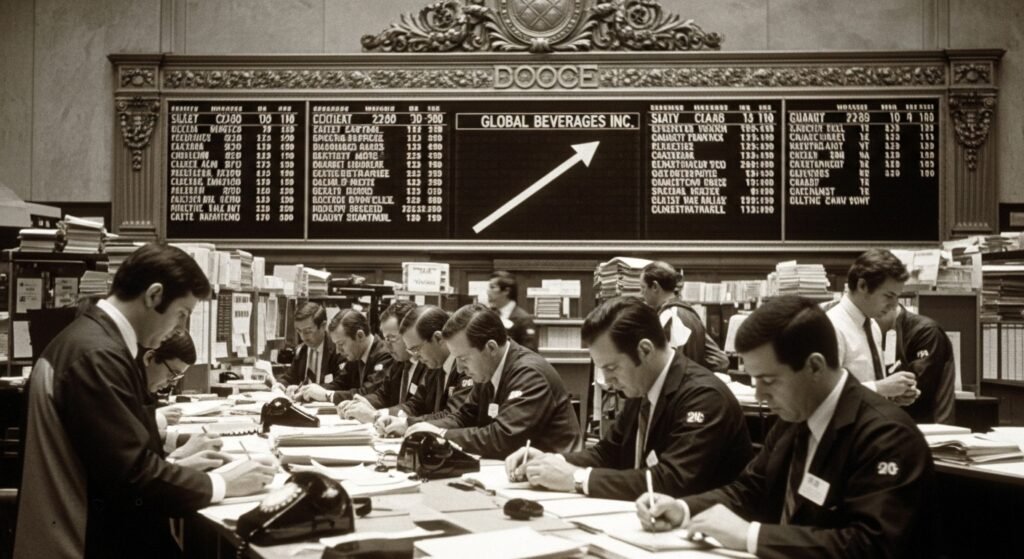
Over the decades, the company expanded internationally and diversified its beverage portfolio. Investors who held shares for long periods witnessed substantial growth, illustrating how early participation in strong companies can reward patience.
Lessons for Modern Investors
The 1919 IPO story shows how emerging brands can develop into powerful global companies. Investors often look for businesses with recognizable products, scalable distribution, and consistent consumer demand when evaluating long-term opportunities.
Remembering a Historic Offering

Looking back today, the moment when Coca-Cola shares sold for $40 reflects the early stage of a company that would later become a worldwide brand. The IPO remains an important chapter in financial and corporate history.