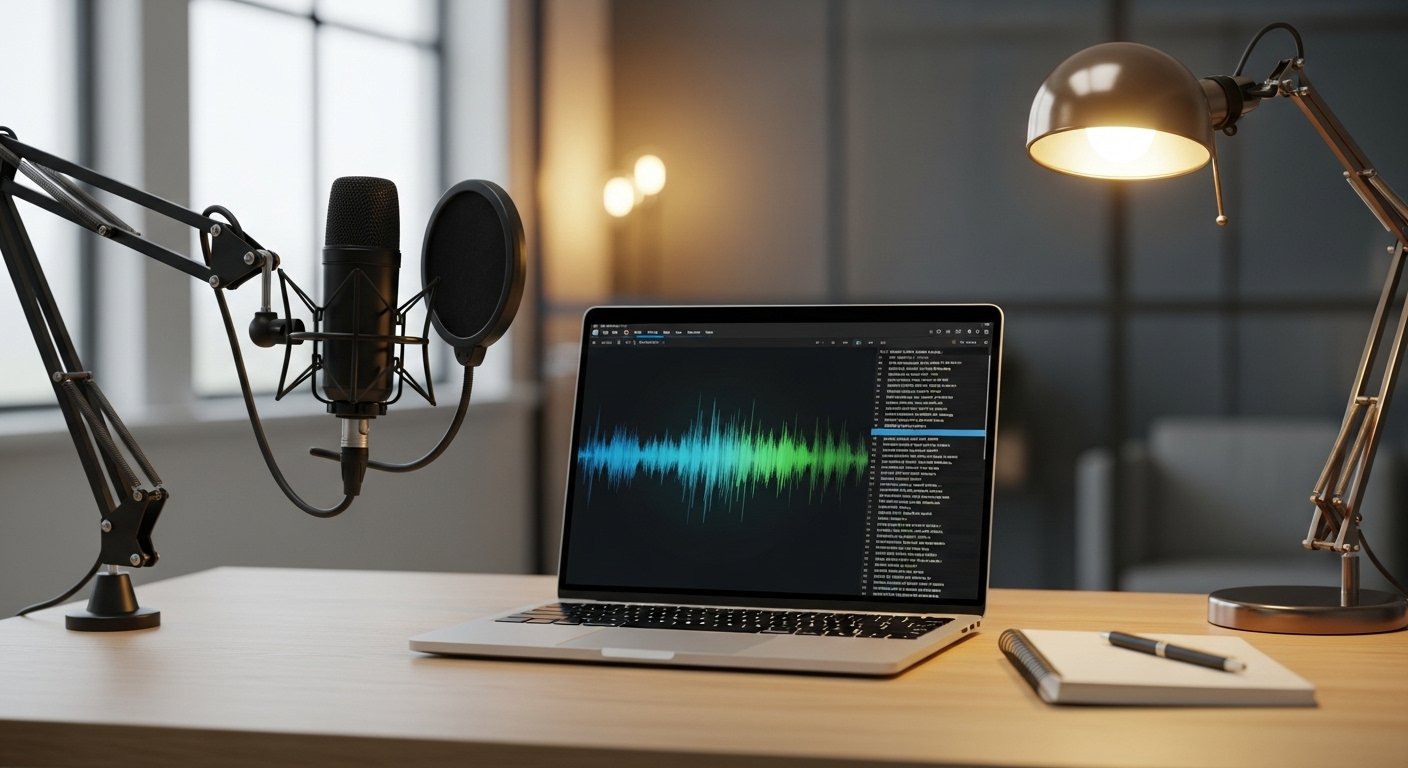
Audio content is growing across podcasts, interviews, webinars, and online discussions. However, spoken content often reaches a limited audience unless it is converted into written form. Audio transcription helps creators transform spoken material into text that can be reused in many ways. Articles, social media posts, newsletters, and educational resources can all begin with a simple transcript. This process saves time and preserves important ideas that might otherwise be missed. Many professionals rely on transcription to organize information and extend the life of recorded conversations. When handled thoughtfully, a single recording can support multiple pieces of content and reach readers across several platforms.
Converting Podcasts into Articles

Podcast recordings often contain thoughtful insights and detailed discussions. Transcribing these conversations allows creators to transform spoken ideas into structured articles, making the information easier to search, reference, and share with audiences who prefer reading.
Creating Social Media Snippets

Transcripts help identify short and meaningful statements from longer recordings. These lines can become captions, quotes, or short posts on social platforms, allowing content teams to maintain a consistent presence without creating entirely new material.
Improving Content Accessibility
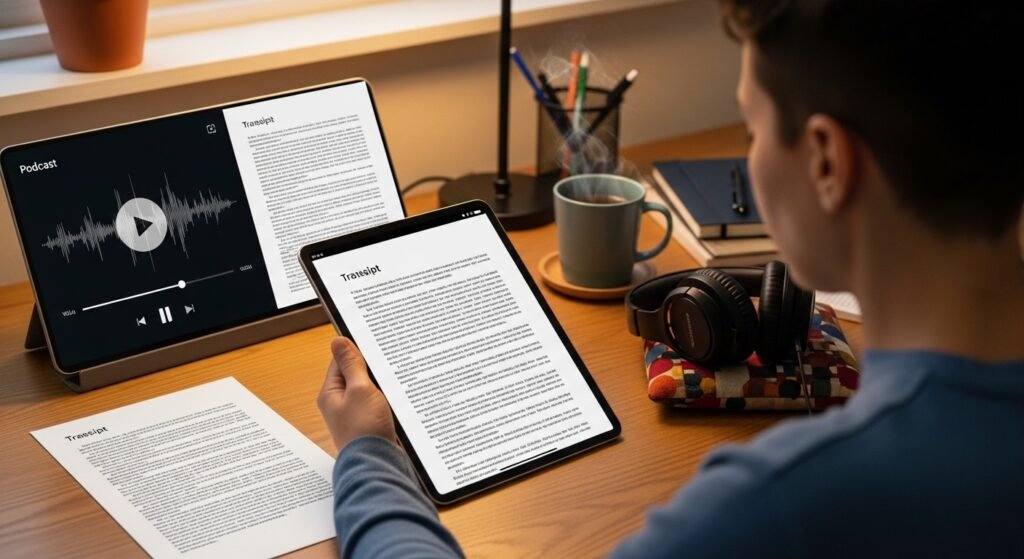
Written transcripts make audio material accessible to people who cannot listen to recordings. Readers can follow discussions at their own pace. Clear text also benefits individuals who prefer reading instead of listening during work hours.
Supporting Search Visibility
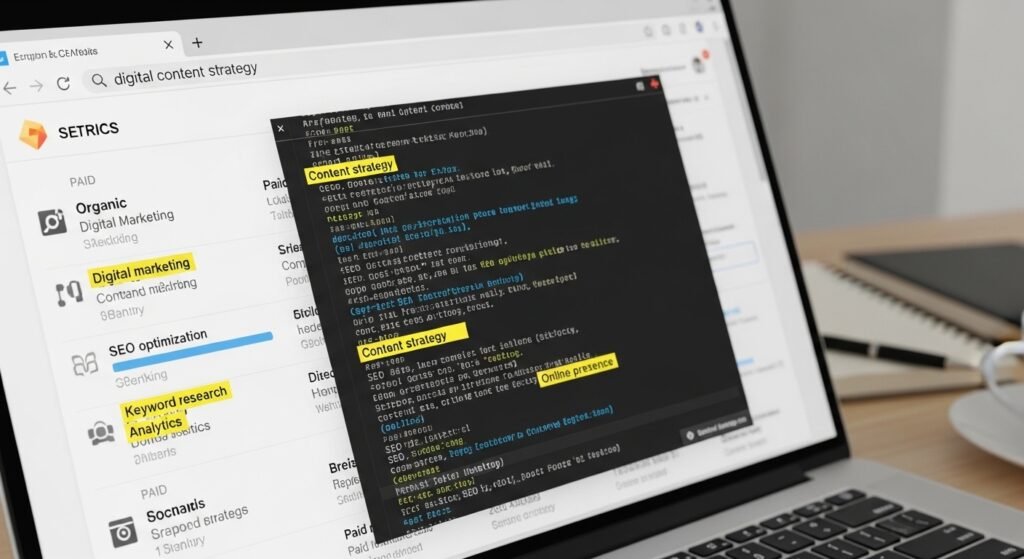
Search engines recognize written content more easily than spoken recordings. A transcript adds searchable text that helps articles appear in relevant results. This allows valuable insights from audio conversations to reach readers looking for specific information.
Building Educational Resources

Transcribed audio can become learning material such as study notes, guides, or reference documents. Teachers, trainers, and industry experts often rely on transcripts to organize knowledge in a format suitable for structured learning environments.
Simplifying Content Editing

A written transcript allows editors to review discussions without replaying long recordings. Key points can be highlighted quickly. Writers can then refine ideas, adjust structure, and remove unnecessary sections before creating final content.
Developing Newsletter Content

Email newsletters often require thoughtful summaries and informative segments. Transcripts provide reliable material that can be condensed into short sections. This helps maintain regular communication with readers while preserving the original message.
Creating Video Subtitles

Many videos benefit from clear subtitles. Transcripts form the foundation for accurate captions, allowing viewers to follow conversations even in quiet environments. Subtitles also help audiences understand complex topics presented in recorded discussions.
Preserving Important Conversations

Interviews, expert panels, and discussions often contain valuable perspectives. Transcription preserves these insights in written form. Readers can revisit ideas later without listening to entire recordings again.
Generating Multiple Content Formats

A single transcript can inspire blog posts, reports, summaries, and discussion pieces. Content teams often use transcripts as a starting point for several formats, helping them maintain consistency across different communication channels.
Strengthening Content Archives

Organizations record many conversations during meetings, events, and presentations. Transcripts create organized records that can be stored and referenced later. This structured archive supports research, writing, and future planning.