There was Pan Am, before Delta, before United, before any airline you are flying to today; there was Pan American World Airways. Pan Am not only flew the flights, but they designed the blueprint of world aviation, formed US foreign policy at 35,000 feet, and made the world accessible to the common Americans. Pan Am was the wings of America for more than sixty years. It disappeared almost overnight, however. Here’s the full story.
A Dream Takes Flight
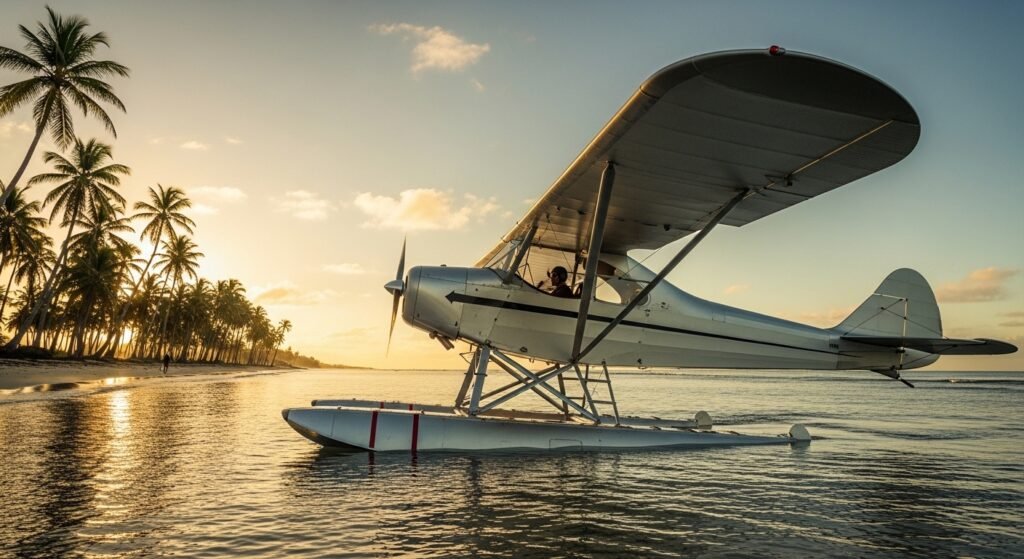
Juan Trippe started Pan American World Airways in 1927 with a single mail route from Key West to Havana. This humble start was the masked face of a spectacular vision; to bridge America to the world and the whole world to America by commercial airliners, one magnificent route at a time.
Building the Empire
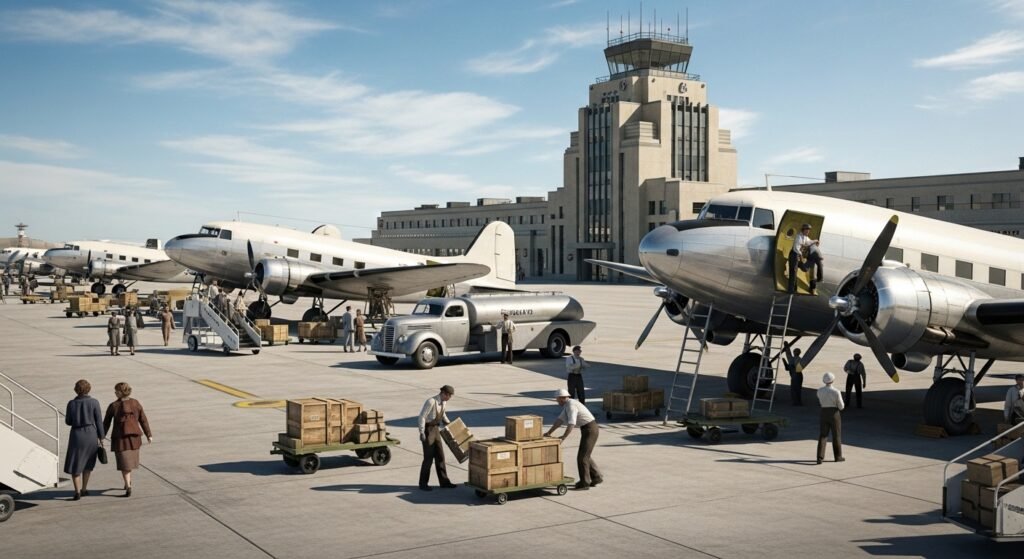
During the 1930s, Pan Am radically spread in Latin America, the Pacific, and the Atlantic. Trippe talked about landing privileges that the government could not deny, creating an unofficial global airline monopoly in the US between Pan Am America, which made Trippe a virtual ambassador of the airline around the world.
The Clipper Revolution
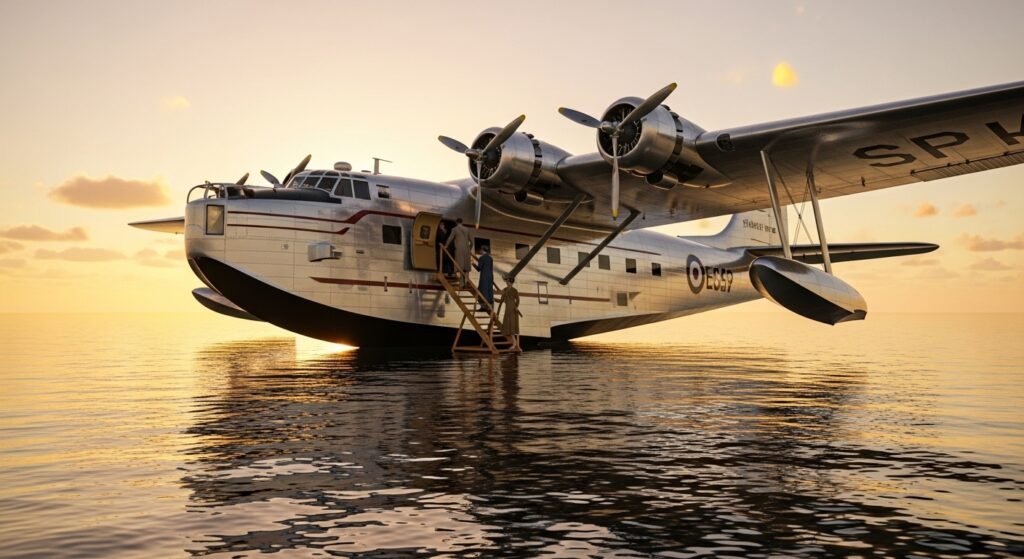
Pan Am’s iconic flying boats in the form of the China Clippers, which were made up of Boeing 314s, redefined the luxury in the late 1930s. These wonderful planes provided sleeping quarters, dining halls, and white-glove service, making transoceanic flight more of an adventure than a new way of living.
War Changes Everything
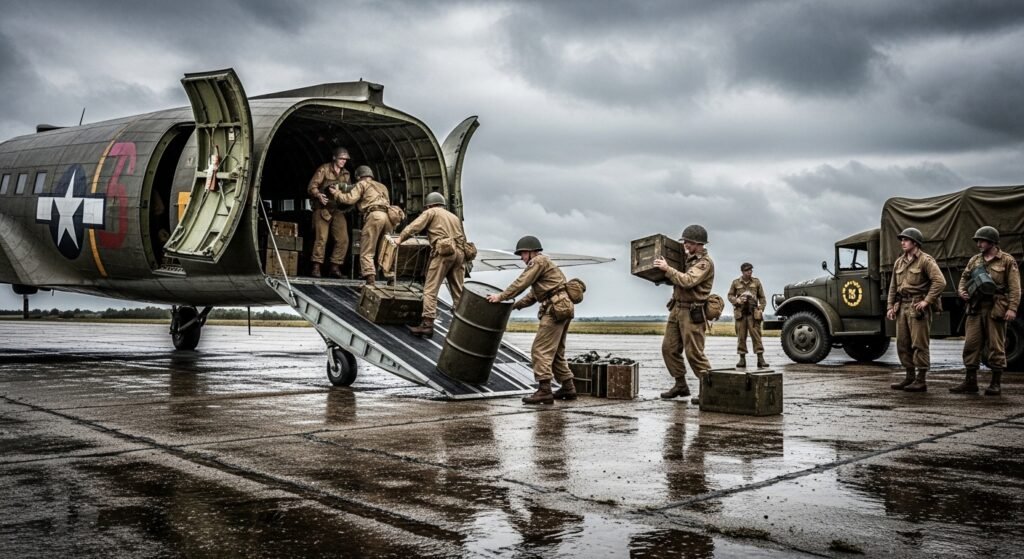
In World War II, the US government availed the fleet and expertise of Pan Am and used it to fly important military and supply missions across the globe. The war alliance enhanced the impact of Pan Am on politics and established its position as the patriotic flagship carrier of America.
The Jet Age Arrives
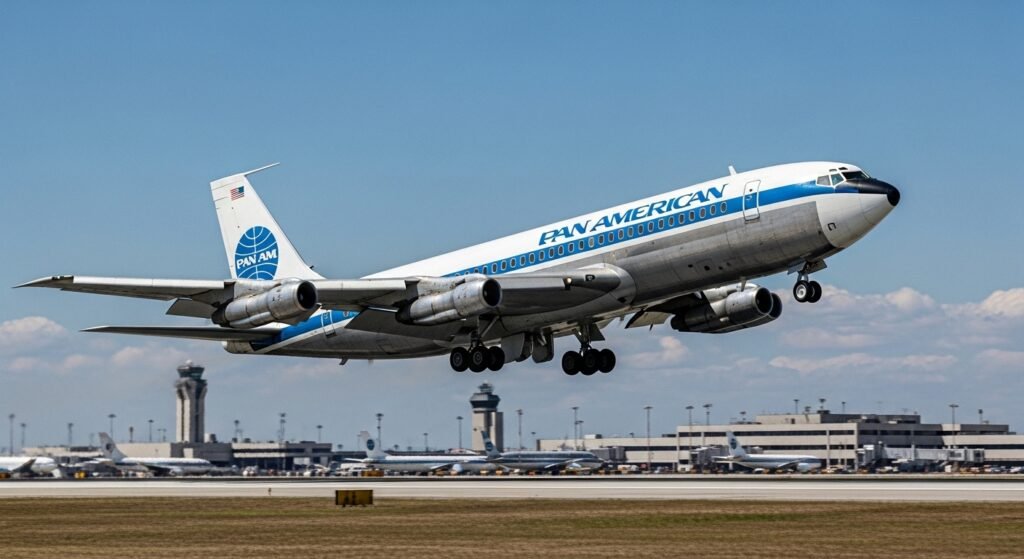
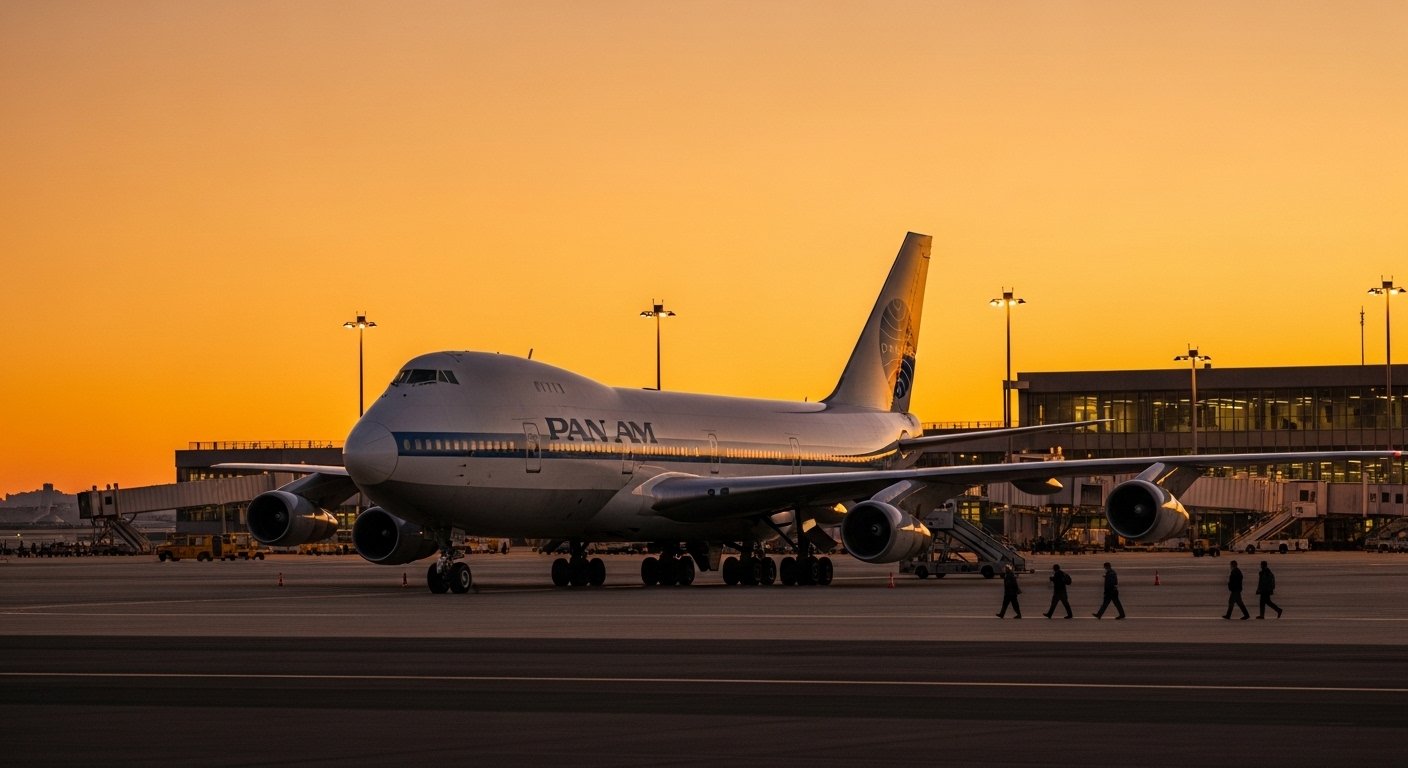
Pan Am was the first airline to fly the Boeing 707 transatlantic and started the commercial jet-engine age all by herself in 1958. Lower costs and higher speed of travelling exposed millions of Americans to international skies that they would never have dreamed of being on.
The 747 Gamble
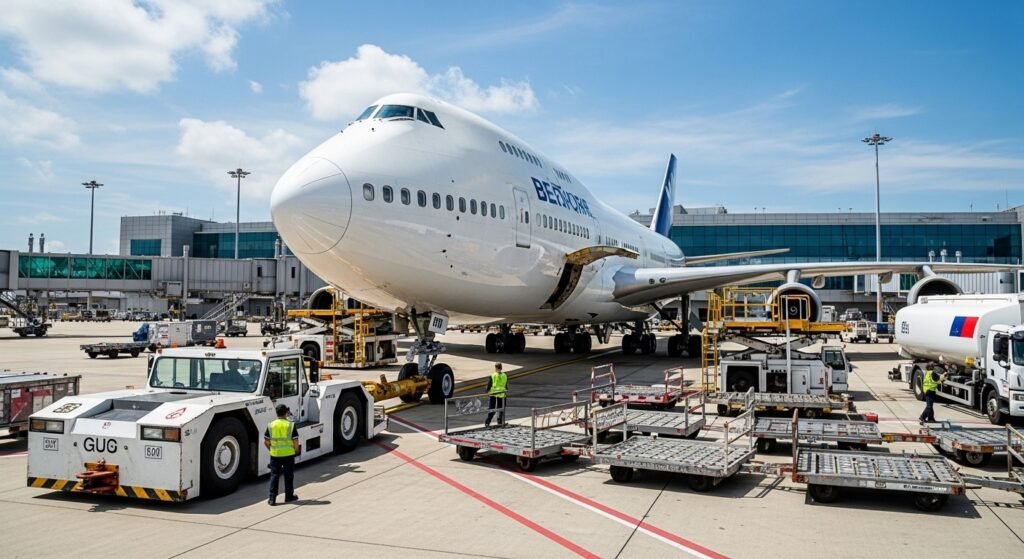
Trippe made a risky gamble with the whole company by ordering 25 747 jumbo jets in the year 1966. It was the bravest decree in the history of aviation. The democratization of air travel by the 747 meant that ticket prices were cut and international flights were no longer reserved for only the wealthiest American families.
Cracks in the Fuselage
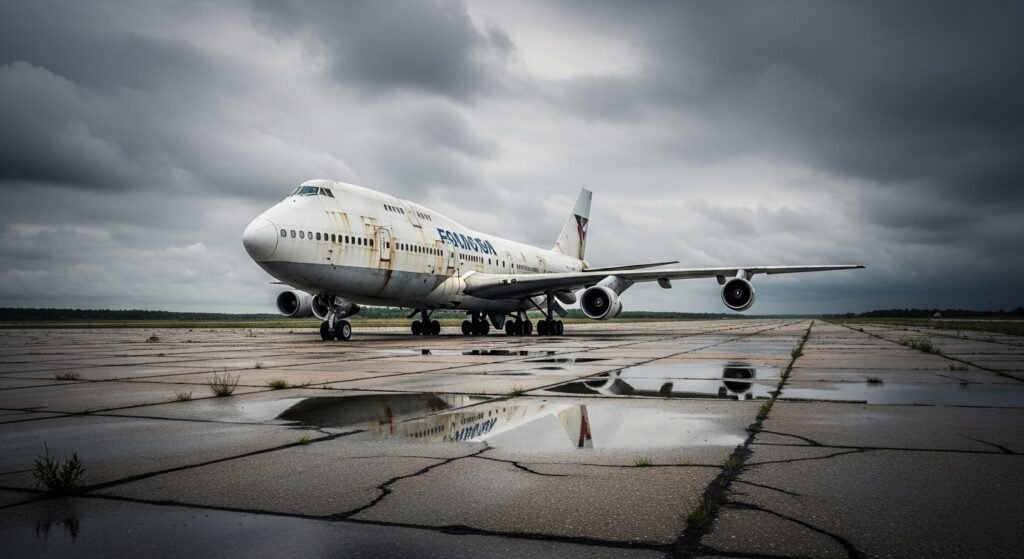
Presuming an operational cost increase, the surge of competition, and the fuel crisis started revealing the structural weaknesses of Pan Am in the 1970s. The airline had grown too wide, and it was not profitable in domestic routes and relied on long-haul international routes that were pressurized by other airlines.
Deregulation Hits Hard
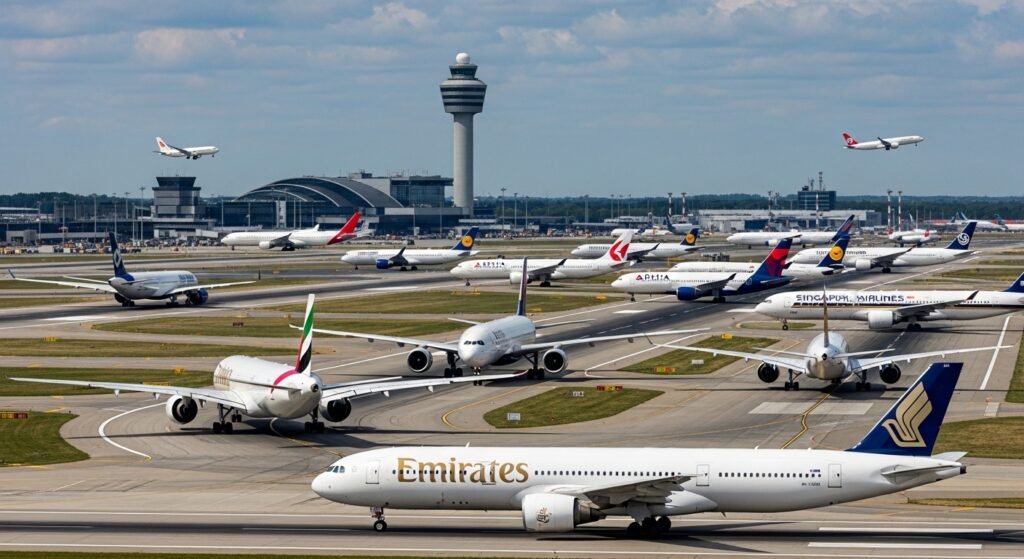
In one night, the Airline Deregulation Act of 1978 erased the shield of protection that Pan Am had over its advantage. Low-cost domestic carriers suddenly entered the market in large numbers. The lack of a domestic feeder system to maintain the level of revenue trimmed Pan Am financially, as its competitors established carrier route systems that Pan Am was unable to compete with.
Tragedy and DeclineThe
Pan Am Flight 103 Lockerbie bombing of 1988 killed the reputation and passenger trustworthiness of the airline. The tragedy hastened a disastrous fall since it was not the most economically stable. Sell-off of assets, dumping of routes, and laying off of workers came very soon and heralded the start of the inevitable demise.
The Final Boarding Call
On 4 December 1991, Pan Am went into bankruptcy and closed down all its operations, ending 64 years of aviation history. The most well-known brand of airlines in the history of the plane,t Pan Am, was ruined, and its downfall became the most famous business warning sign in American history concerning the excessive expansion, inability to adapt, and inappropriate budgeting.