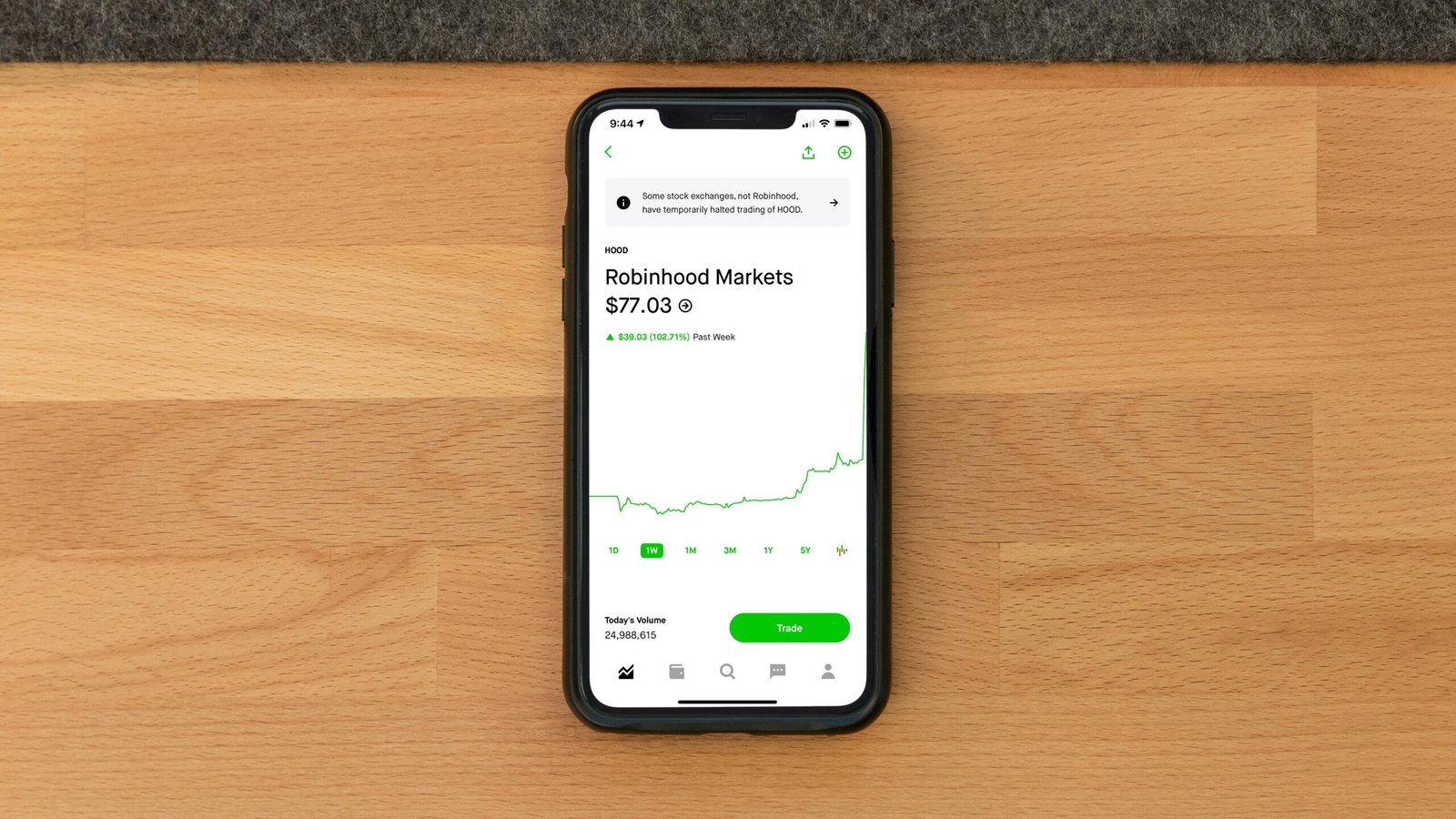
Many people believe the safest place for money is a traditional savings account. While savings accounts provide security and easy access, they rarely generate significant growth. Wealthy individuals typically think differently about how money should work. Instead of leaving large sums sitting idle, they focus on placing capital in assets that can appreciate, generate income, or protect value over time. Their strategies often emphasize diversification, long-term planning, and calculated risk management. By spreading investments across different sectors, they reduce dependence on a single income source. Understanding where affluent investors commonly allocate their wealth offers helpful insights for anyone interested in building financial stability and long-term prosperity.
Stock Market Investments

Many wealthy investors allocate a portion of their wealth to publicly traded companies. Stocks offer long-term growth potential and dividend income. By holding diversified portfolios and focusing on strong businesses, investors aim to benefit from economic expansion over time.
Real Estate Holdings

Property investments remain a common choice for wealth preservation and income. Residential, commercial, and rental properties can generate steady cash flow while appreciating. Real estate also provides diversification and a tangible asset that often performs well over long periods.
Private Businesses and Startups

Affluent investors frequently fund or acquire private companies. Ownership in businesses allows them to participate directly in profits and long-term growth. Some also invest in early-stage startups, accepting higher risk in exchange for potential high returns.
Investment Funds and Index Funds

Many wealthy individuals place money into professionally managed funds. Index funds and diversified investment funds spread risk across numerous companies and industries, making them a convenient option for maintaining exposure to broad market performance.
Bonds and Fixed Income Assets

Government and corporate bonds provide more stability compared with equities. They deliver predictable interest payments and help balance portfolios. Wealthy investors often combine bonds with other assets to maintain financial resilience during market fluctuations.
Venture Capital Opportunities

Some investors allocate capital to venture capital funds that support emerging companies. While these investments carry greater uncertainty, they also offer the chance to participate in innovative industries that may grow rapidly over time.
Precious Metals

Assets such as gold and silver are sometimes used to store value during economic uncertainty. Precious metals do not depend on corporate performance, making them a useful hedge against inflation or currency volatility in diversified portfolios.
Art and Collectibles

High-value art pieces, rare collectibles, and historical artifacts can appreciate significantly. Wealthy collectors view these items as alternative investments that combine cultural interest with financial potential, especially when pieces gain recognition or historical importance.
Agricultural Land and Natural Resources
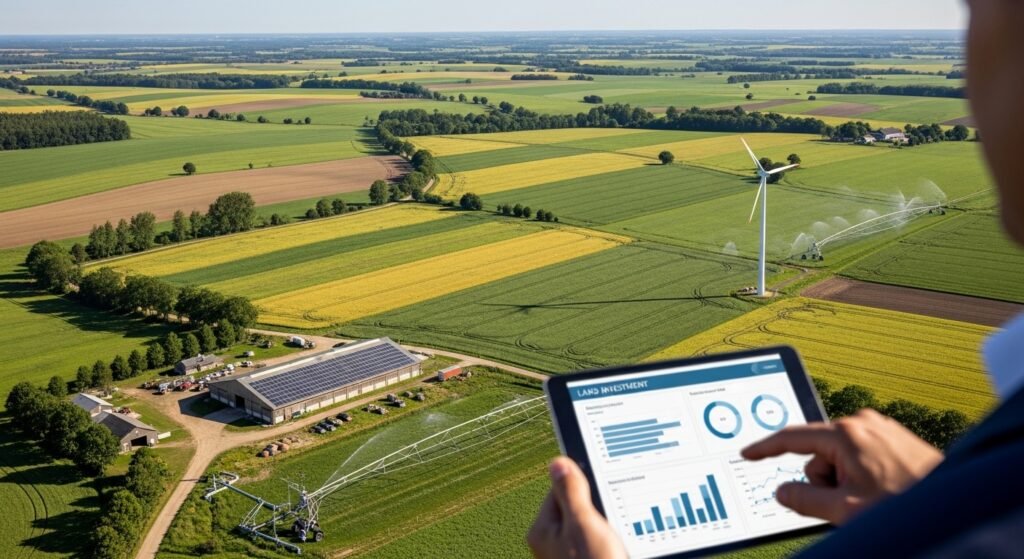
Farmland, timberland, and other natural resource assets can produce steady income and long-term appreciation. These investments benefit from global demand for food, materials, and land, making them attractive for portfolio diversification.
Philanthropic Foundations

Many affluent individuals place portions of their wealth into charitable foundations. These structures allow them to support social causes while maintaining organized financial management of donated assets and long-term community impact.
Diversified Global Portfolios

Rather than concentrating wealth in one country or market, experienced investors often spread investments across different regions. Global diversification helps reduce risk and allows investors to benefit from economic growth in multiple parts of the world.