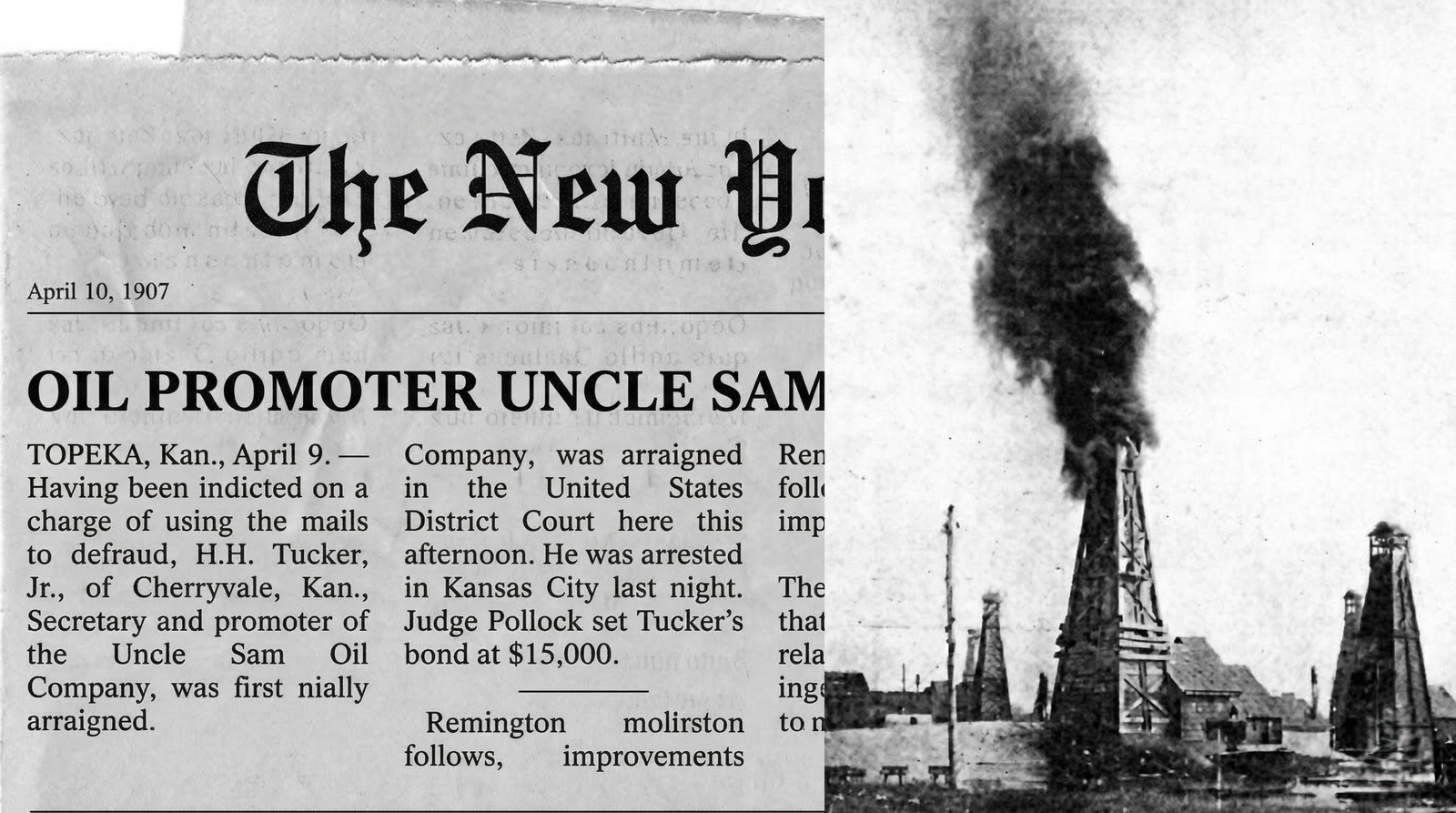
When the future of the energy supply in America was in the hands of Standard Oil, a new company was formed in Kansas in 1905 that proclaimed itself as the champion of the people. Henry Harrison Tucker Jr. started Uncle Sam Oil Co., which assured investors of a share of the flourishing oil industry. What ensued was one of the most dramatic tales of ambitions, deception, and corporate rivalry in the history of early America that altered the perception of investment fraud in the country.
Monopoly Reigns
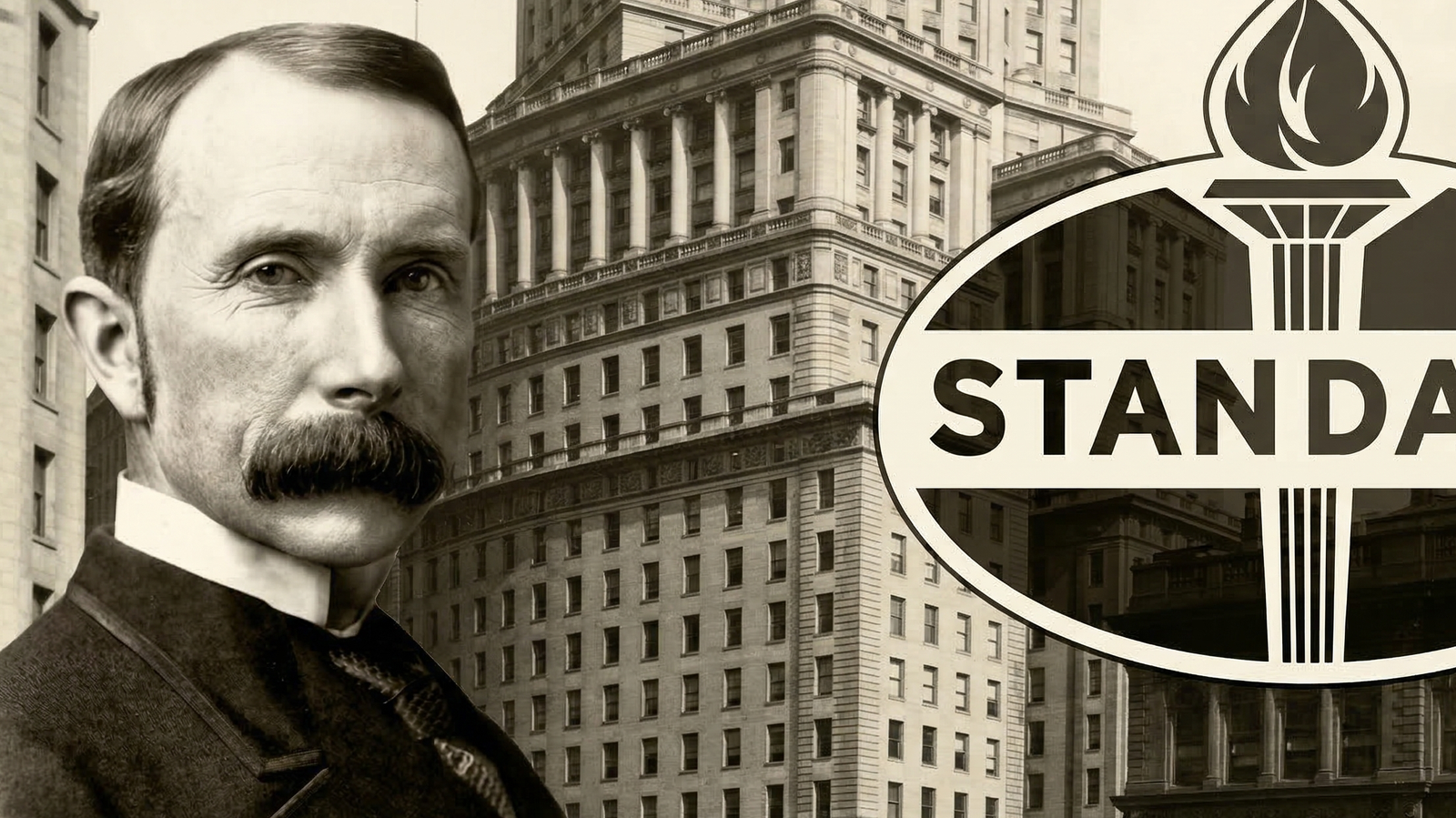
The Standard Oil, led by John D. Rockefeller, controlled almost every production and distribution of oil in the United States. Its pricing power, railroad dealings, and enormous resources, which gave it control over all the pipelines and refineries all over America, gave its small competitors virtually no chance.
Tucker Rises
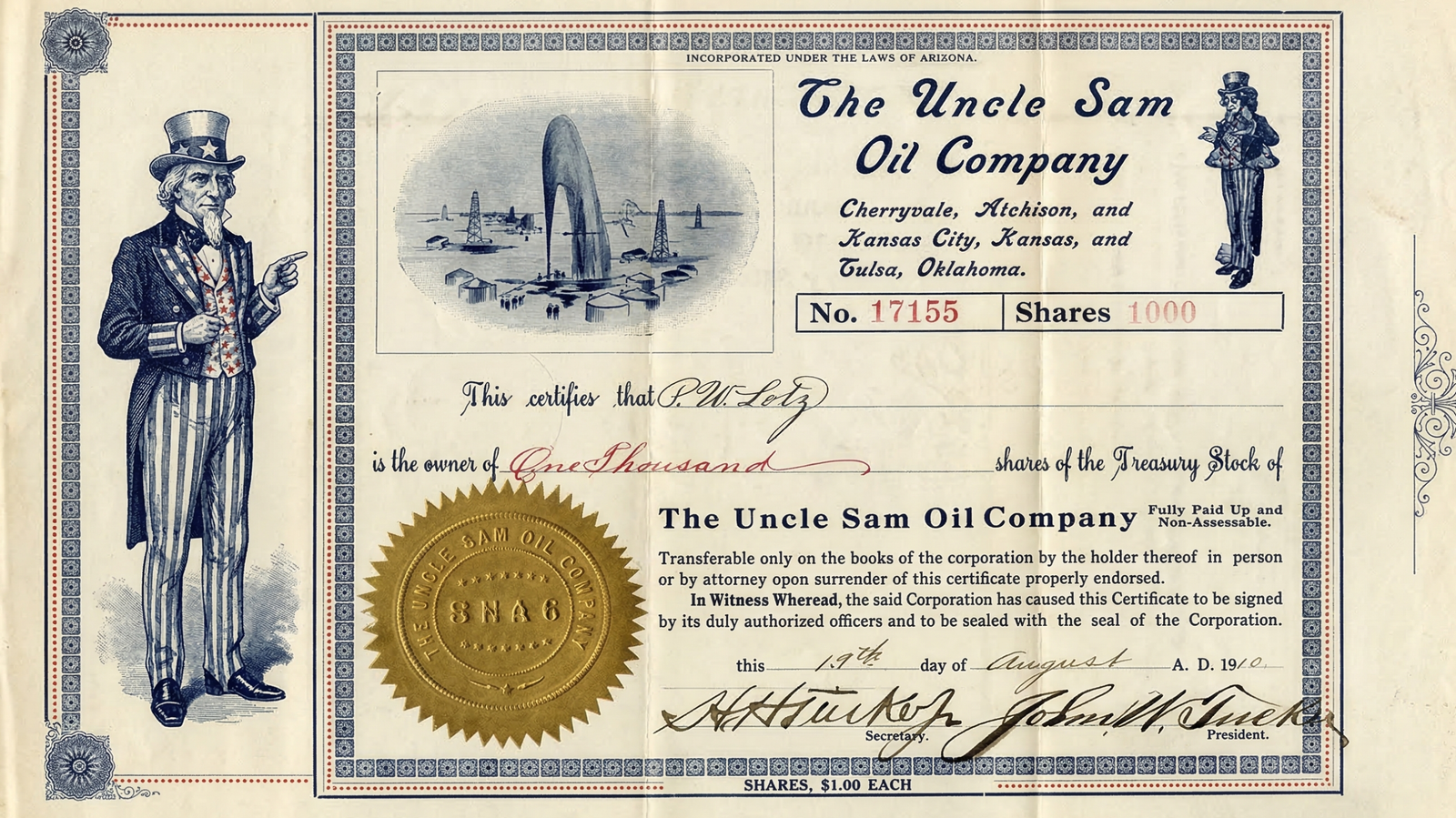
Uncle Sam Oil was started by Henry Harrison Tucker Jr. as a consciously patriotic brand. The decision to name the company after one of the most iconic symbols of the United States of America was a strategic one and aimed at capturing the interest of ordinary investors who thought that they were helping to develop healthy competition on the free market against a major monopoly.
Bold Claims
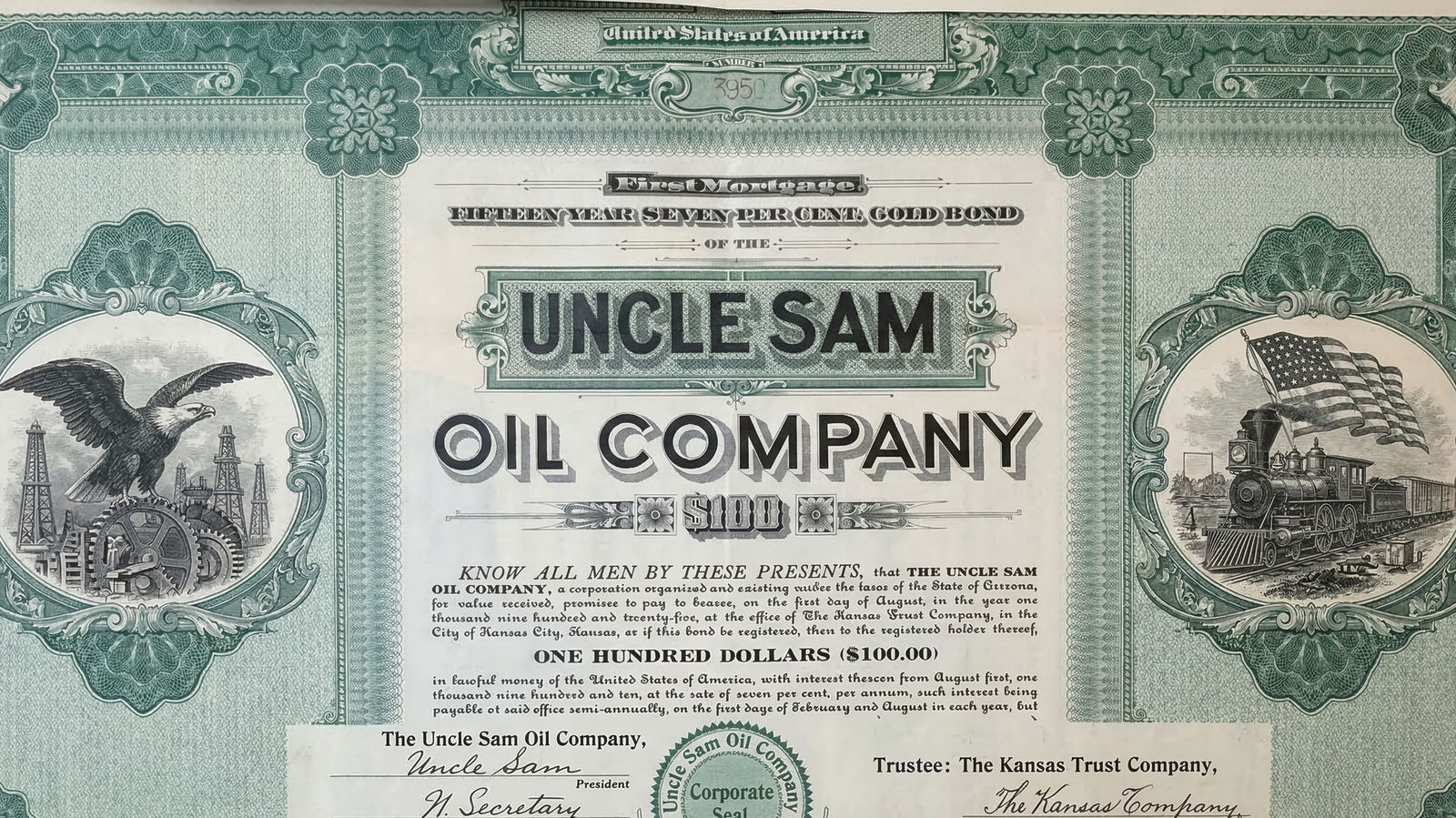
Tucker marketed the company as occupying the oil-laden land in Kansas and Oklahoma. Such grand projections made thousands of other enthusiastic investors invest in what seemed like a great and all acceptable energy project.
Patriotic Packaging
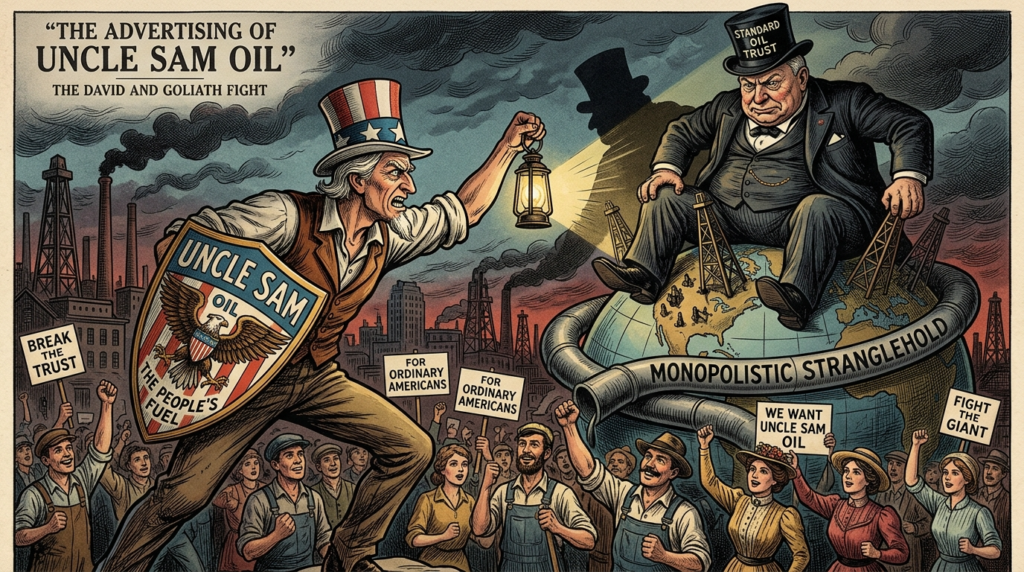
Advertising had placed Uncle Sam Oil as a snarling underdog that was working on behalf of ordinary Americans. The David-versus-Goliath tale appealed to the masses, who were already highly suspicious of the suffocating monopolistic stranglehold of the Standard Oil on the energy supply of the entire nation.
Hidden Losses
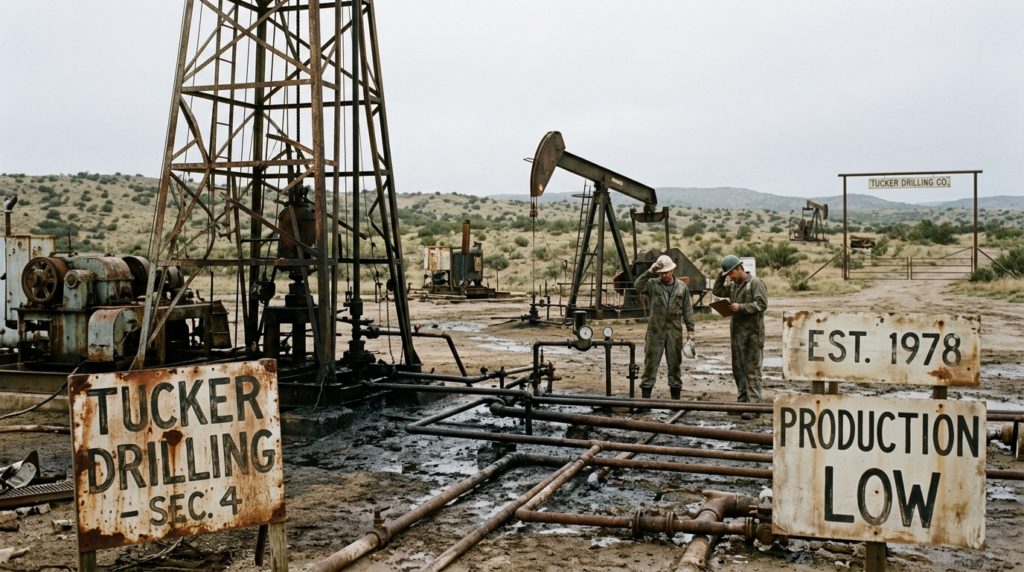
The fact was much less impressive. The drilling areas that Tucker purportedly owned were a mess, nor were they the entirety of the company, nor did they produce the amount of oil, when compared to the company, that was sufficient enough to settle increasing debts or to provide the assured returns to the shareholders.
Ponzi Exposed
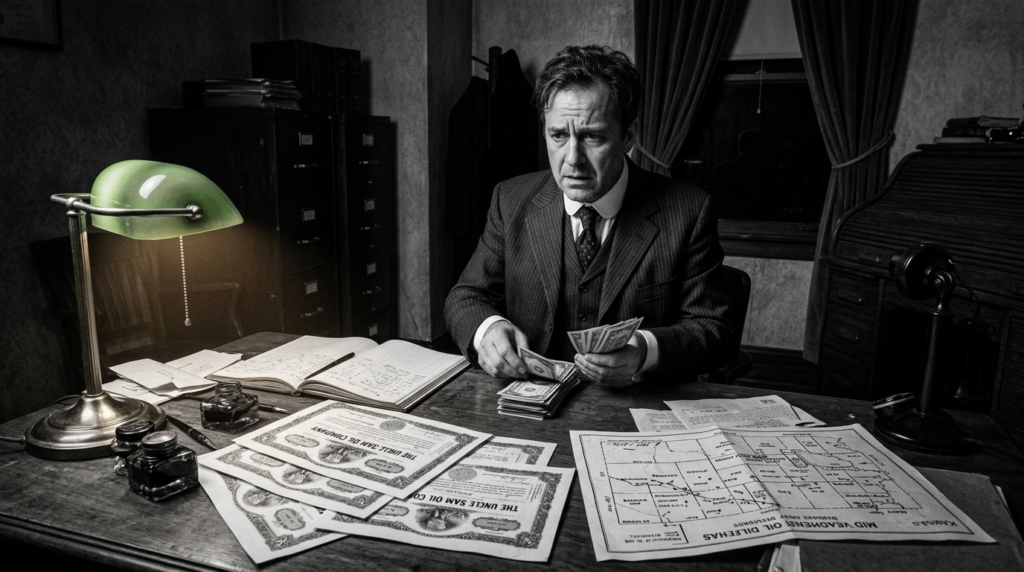
The previous supporters were quietly paid off with new investor money to give the appearance that the company was making money. This is the traditional scam that made the scheme operate even when the real production of oil was at a level that could not sustain any business, let alone being honest.
Federal Investigation
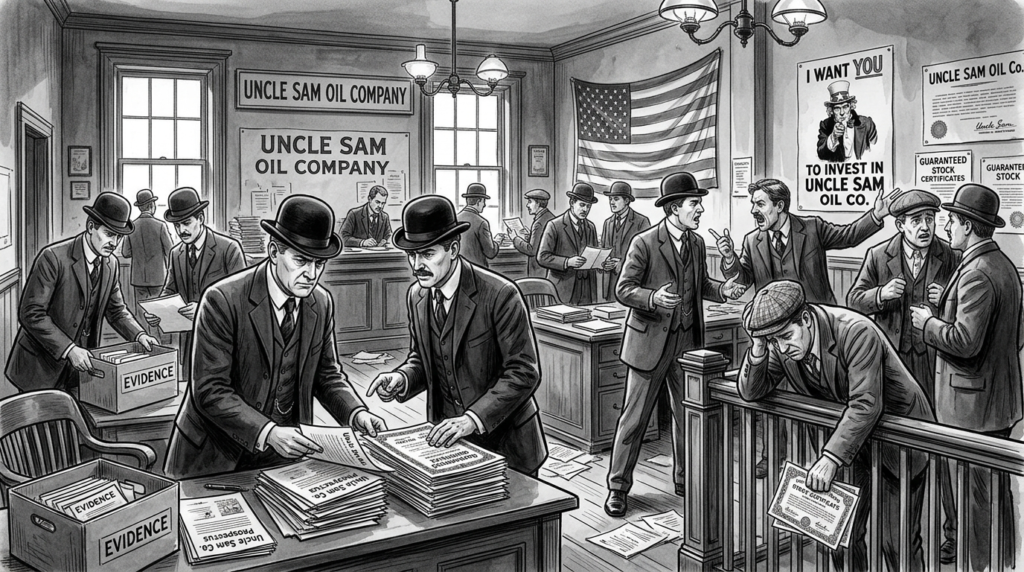
Since Tucker was in contact with the investors using mail, the federal postal inspectors established an official investigation. They started discovering forged papers and misleading promotional postulations, and a well-financed lie concealed beneath the label of patriotism.
Tucker Flees
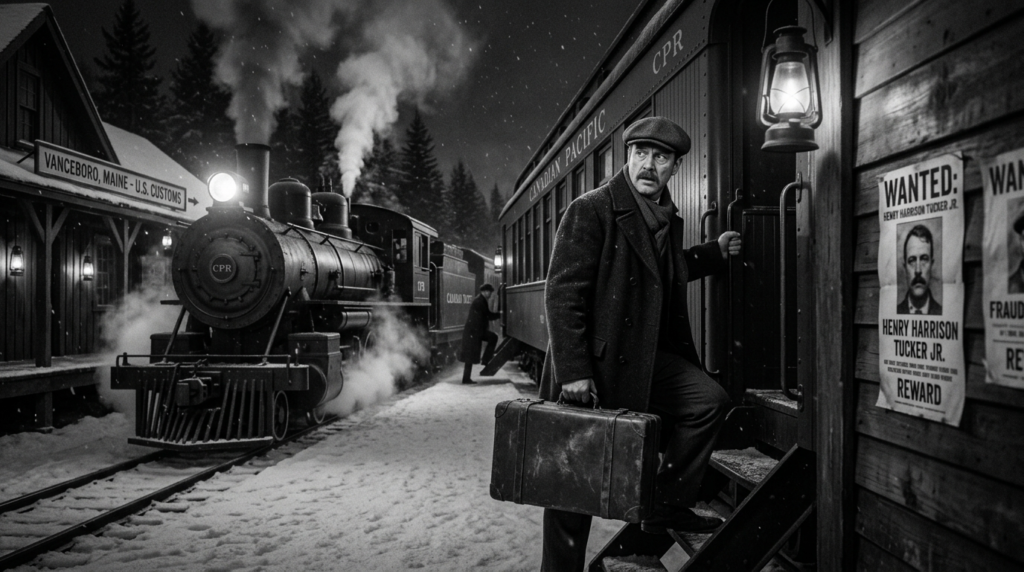
Feeling the investigation following him, Tucker moved across the border to Canada. His location was tracked by the authorities, and he was extradited and brought back to the United States, where he faced trial in the case of fraud, sentencing him to federal prison.
Total Collapse
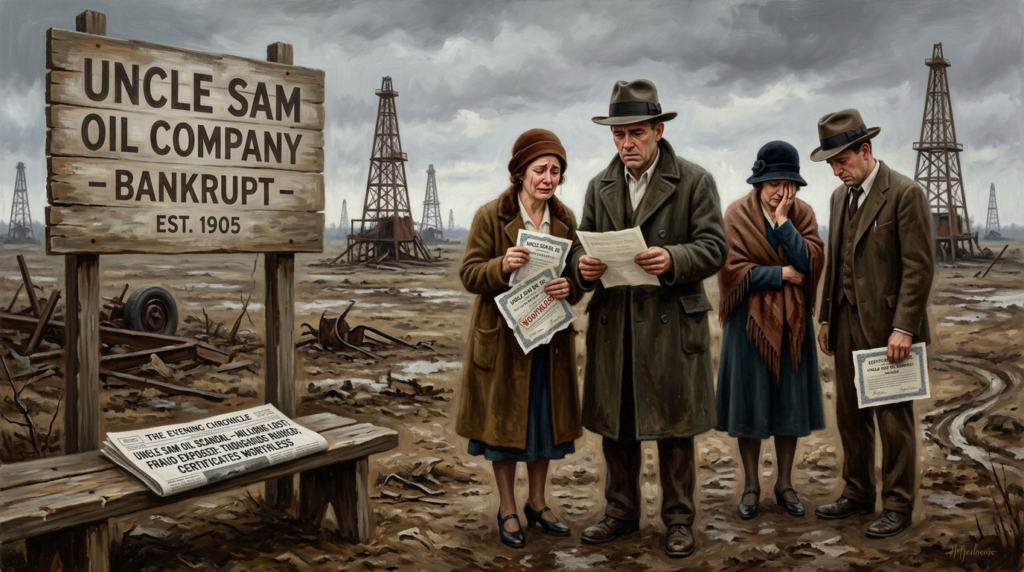
Uncle Sam Oil was declared to be in receivership. Its other assets were sold off, and shareholders in 1925 got not a single dime in terms of returns. The certificates that had been promising turned out to be totally worthless, aside from being seldom-seen historical pieces to serious, Wall Street memorabilia lovers.
Lasting Legacy
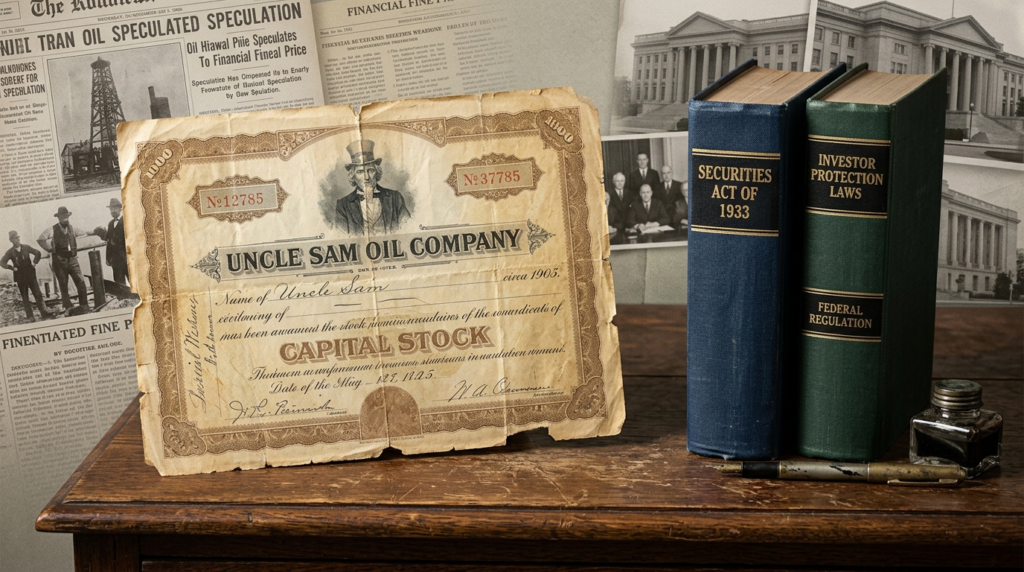
The plot by Tucker was a classic warning story that reaffirmed the dire necessity of America to have better financial controls. It aided in channeling the country to a higher corporate responsibility, stricter investor protection laws, and strict federal implementation of financial fraud principles.