
Any serious investor should be aware of the openings, entry, and exit of the market. The New York Stock Exchange has a systematic program worked out over one hundred years. In order to make investments at the right time, it would be good to know about the trading day, pre-market, holidays, and any emergency closures of the NYSE calendar to allow them to make smart investment decisions throughout the year.
Hours Established
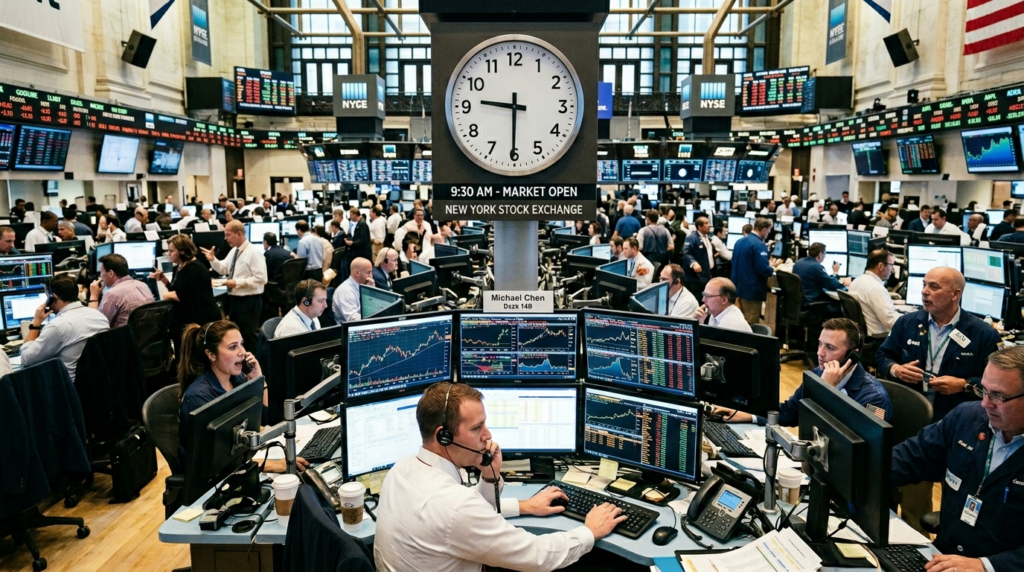
The 9: 30 am to 4: 00 pm trading day at the NYSE has also taken more than a hundred years to evolve. The markets that were present in the early nineteenth century worked for not more than two hours a day. The complexity, accelerated communications, and numerous global links caused the trading activities to have increased length and to be highly structured.
Extended Trading
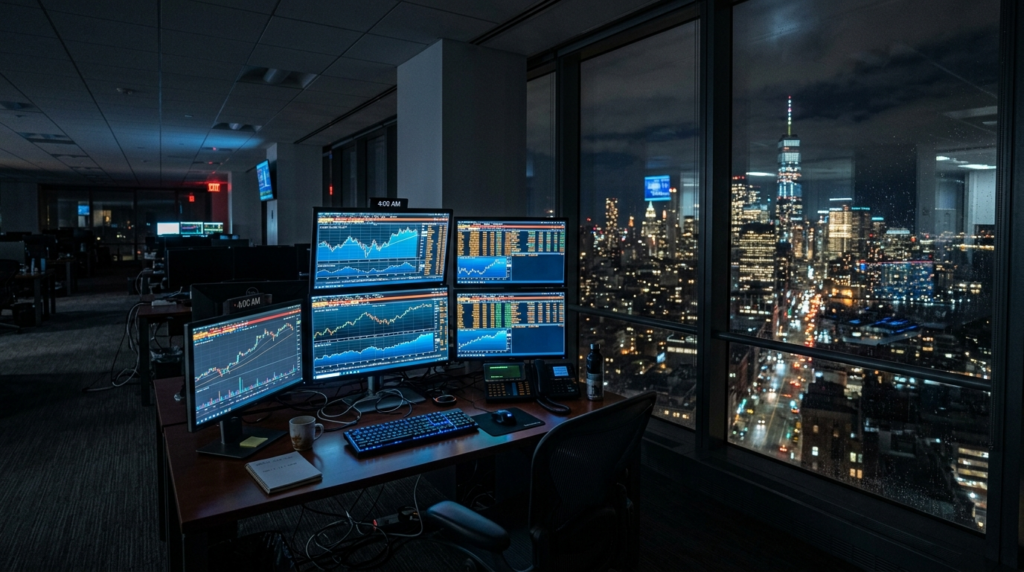
Pre-market trades commence at 4: 00 AM and after-hours trades up to 8: 00 PM. These are quick replies to earnings and economic news beyond the usual trading hours and have reduced liquidity and increased volatility.
Technology Transforms

With the help of electronic trading systems, the physical presence was eliminated, and the transaction could be accomplished at any time and place. This revolution provided more opportunities for trading beyond the normal hours, leading to the establishment of almost a round-the-clock trading system in the whole world, where world events can easily influence American markets.
Emergency Closures
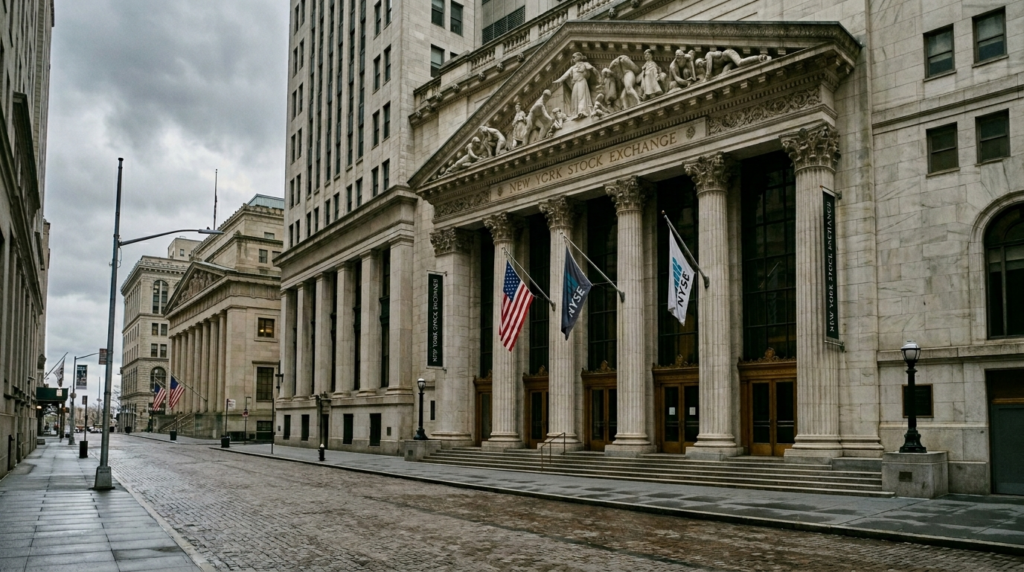
The NYSE has also shut down in times of national crisis, such as the attacks of September 11 and Hurricane Sandy. The infrequent closures guarantee the safety of the staff and integrity of the market in the event of the most severe disruptions, which highlights the importance of robust contingency planning and resilient financial infrastructure of contemporary exchanges.
Global Influences

The Asian and European market trends tend to have a direct impact on the American pre-market activity in the morning. Significant foreign policy announcements or economic changes cause the U.S. investors to jump ship before the first whistle, which explains the significance of international awareness in effectively investing in the US.
Federal Holidays

The NYSE is closed on New Year’s Day, Martin Luther King Jr. Day, Presidents’ Day, Good Friday, Memorial Day, Juneteenth Day, Independence Day, Labor Day, Thanksgiving Day, and Christmas Day. In case a holiday is on a weekend, the nearest weekday is the one that is taken as the closure.
Early Closures
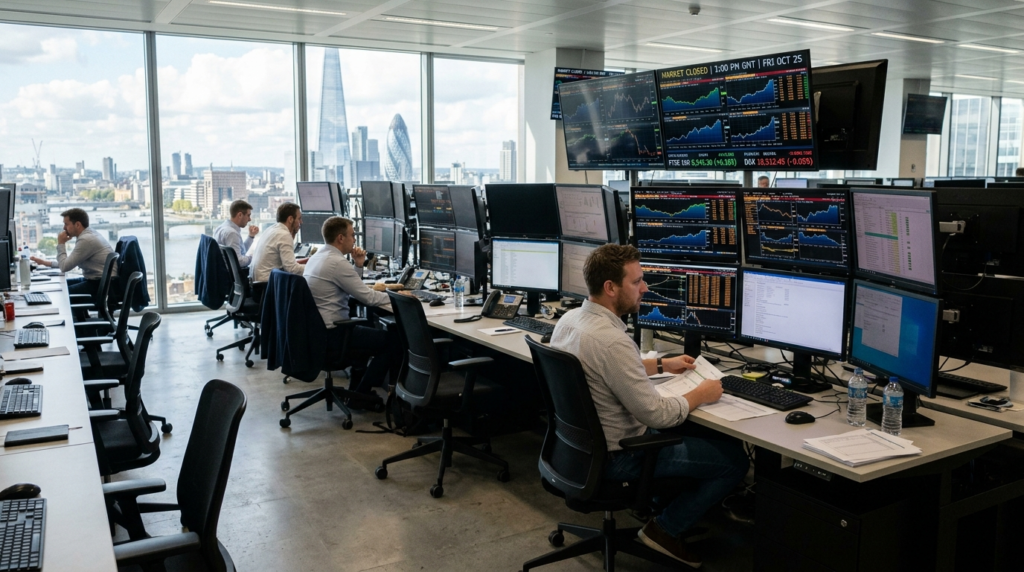
It has reduced the number of trading days to two that end at 1:00 PM, Eastern Time on Fridays: on weekdays, the Friday after Thanksgiving, and right before Christmas Eve. To counter the thin afternoon market, planners of positions should take care of them to avoid taking positions in the afternoon.
Weekend Rules

On such significant holidays as New Year’s Day, Independence Day, or Christmas, when they happen on a Sunday, the NYSE is closed the next Monday. The official NYSE calendar is to be consulted by investors rather than making automatic assumptions that the weekend functions automatically or on weekdays.
Liquidity Peaks
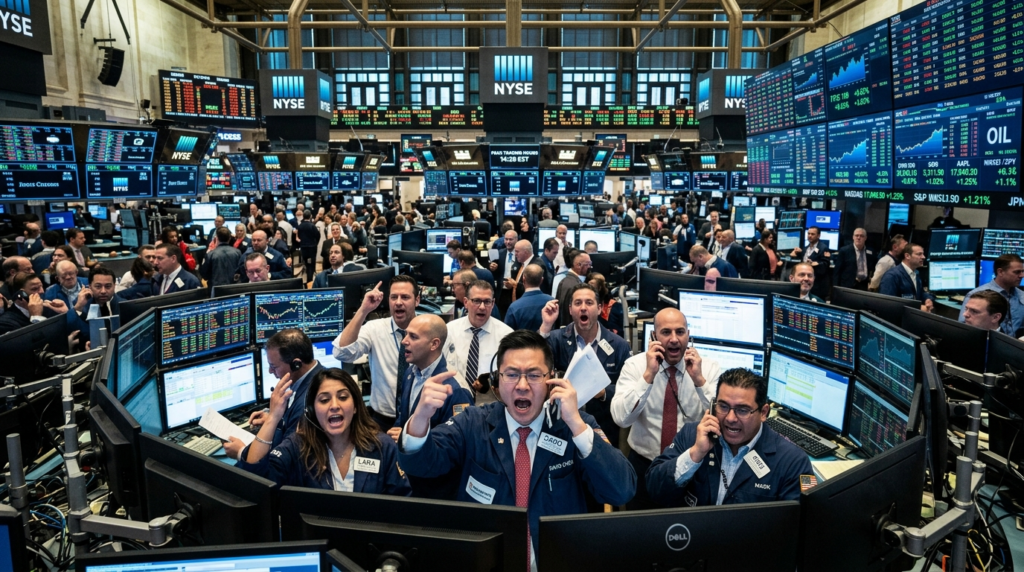
The time between 9: 30 AM and 4 00 PM is a good sign of the most liquidity in the market. Throughout this time, there is efficient trading between buyers and sellers, spreads narrow, and price discovery will optimize, and therefore, this is the best time to make reliable decisions when investing.
Stay Informed

The schedules of trading may vary as a result of unforeseen events in the country or changes in the calendar of federal holidays. Investors are advised to refer to the official announcements available on the NYSE to obtain the latest scheduling information rather than using past trends to tune their efforts to match the reality in the market.