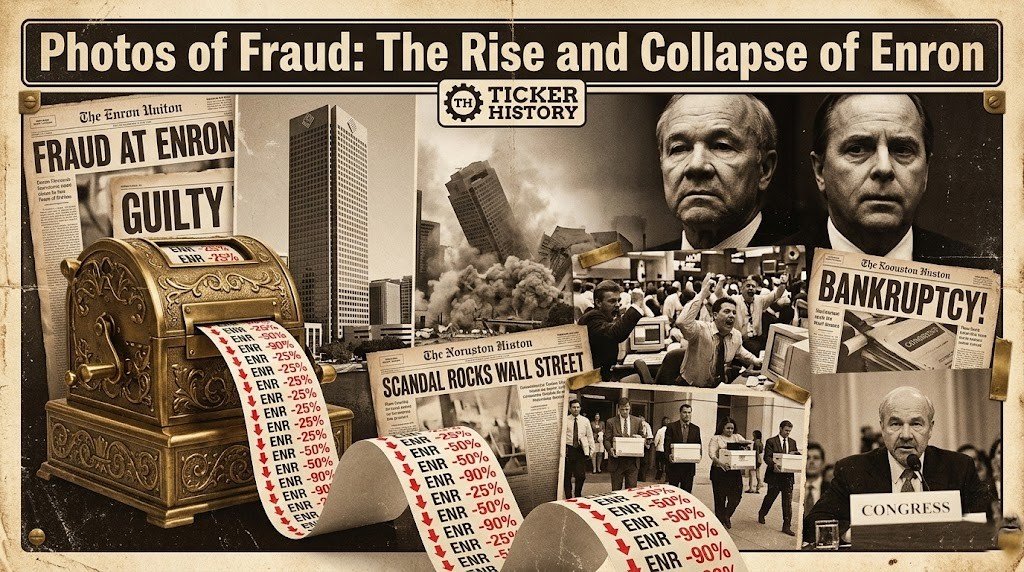
Enron was one of the greatest corporate failures that American history witnessed. The energy giant was founded in 1985, and it competed fast to become one of the biggest companies in America, but due to the culture of fraud, deception, and unabated greed, it was ruined after a very short period. Its bankruptcy petition as of December 2001 caused an earthquake on Wall Street and altered the manner in which the world would never view corporate governance, accounting integrity, and regulatory supervision. The story of Enron is all this.
Lay Begins
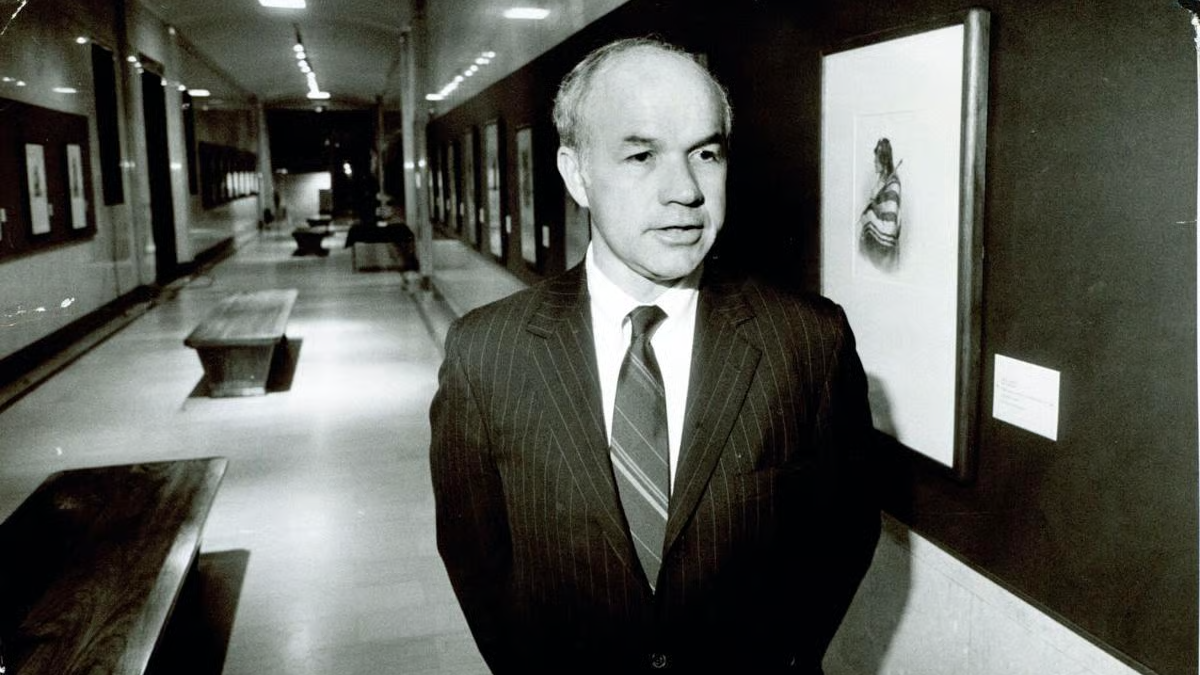
In 1985, Kenneth Lay entered Enron by combining two companies dealing with natural gas. He developed it into one of the energy giants at a rapid rate, setting new trends in market creation and energy trading, which Wall Street began to notice, and corporate investors jumped in, investing their money into the company with enthusiastic support.
Houston Headquarters
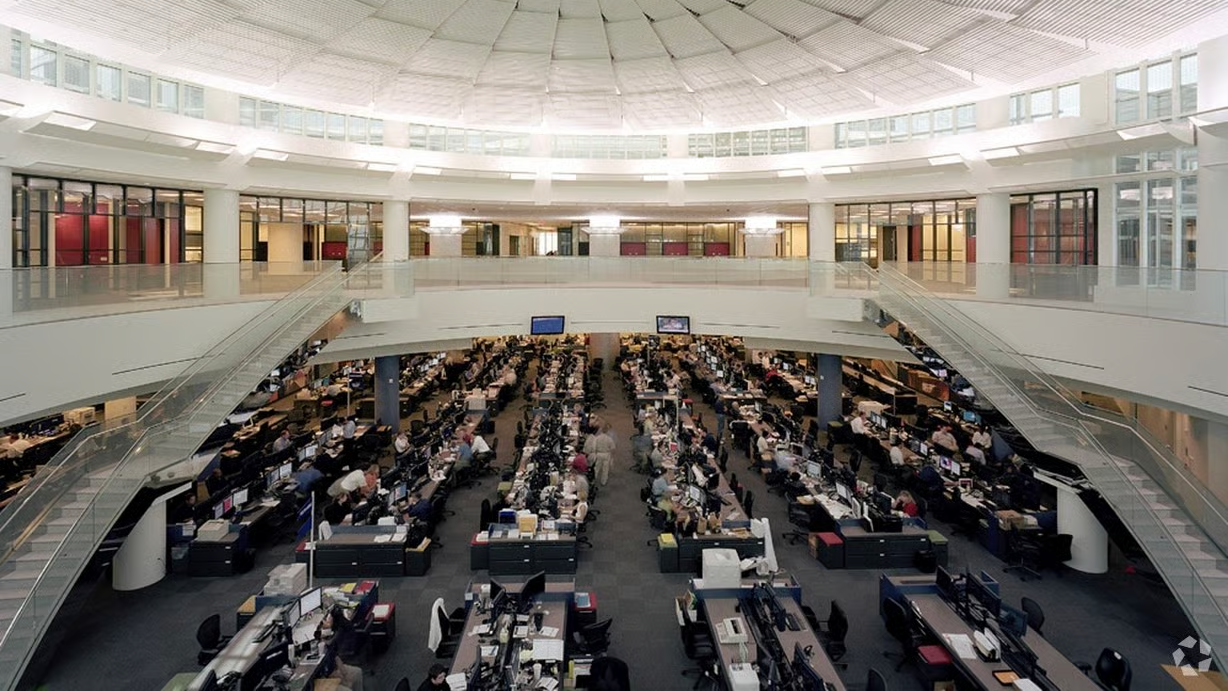
Enron established itself in downtown Houston, where it sat in a high office complex that put across its might, durability, and affluence. Through that great surface, however, there were sinking roots of fraudulent accounting and highly doubtful financial fabrications, things the company was not publicly posing to be.
Skilling Arrives
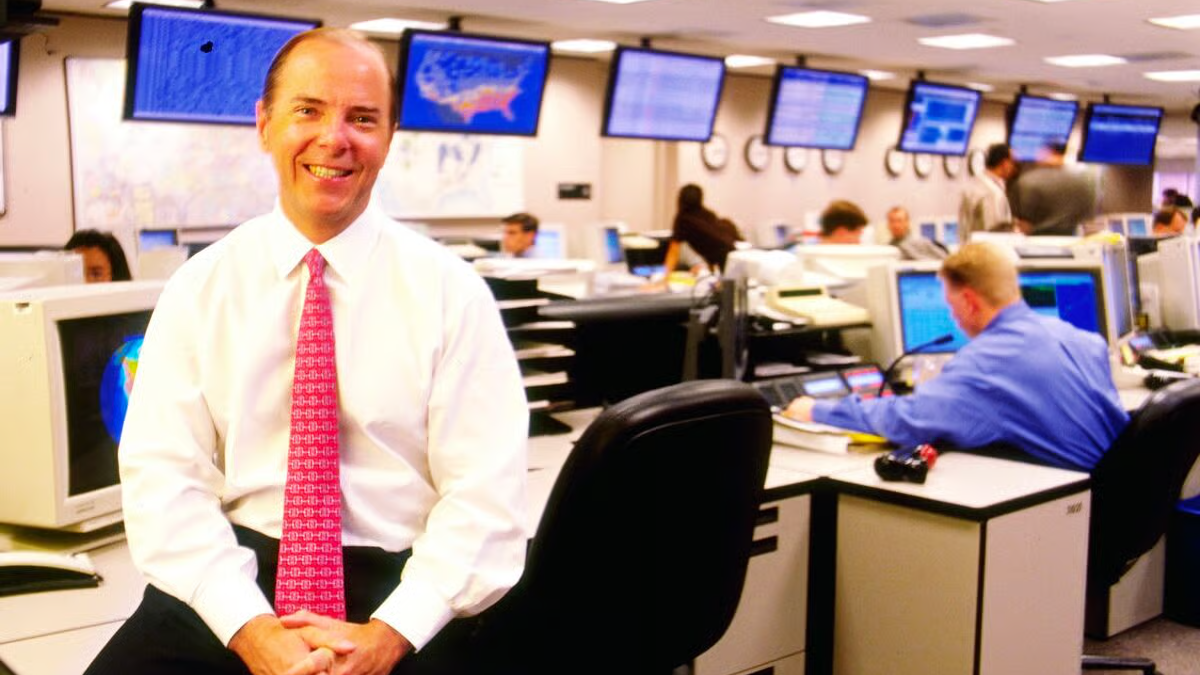
Enron hired Jeffrey Skilling in the year 1990, where he had aggressive ideas and a risk-taking appetite that helped the company rise. He was a hero of multi-tiered financial solutions that were marvellous to Wall Street analysts and disguised systemic fraud that would ultimately send the whole organization into collapse in spectacular fashion.
Executive Excess

The leadership culture at Enron boasted of sumptuous retreats and glitzy shows of corporate success. An event in a motocross brought about executives who are way out of traditional corporate behavior. Such excess and short-term thinking were merely a manifestation of the greater ethical malpractices that were festering at the root of the company.
Trading Floor
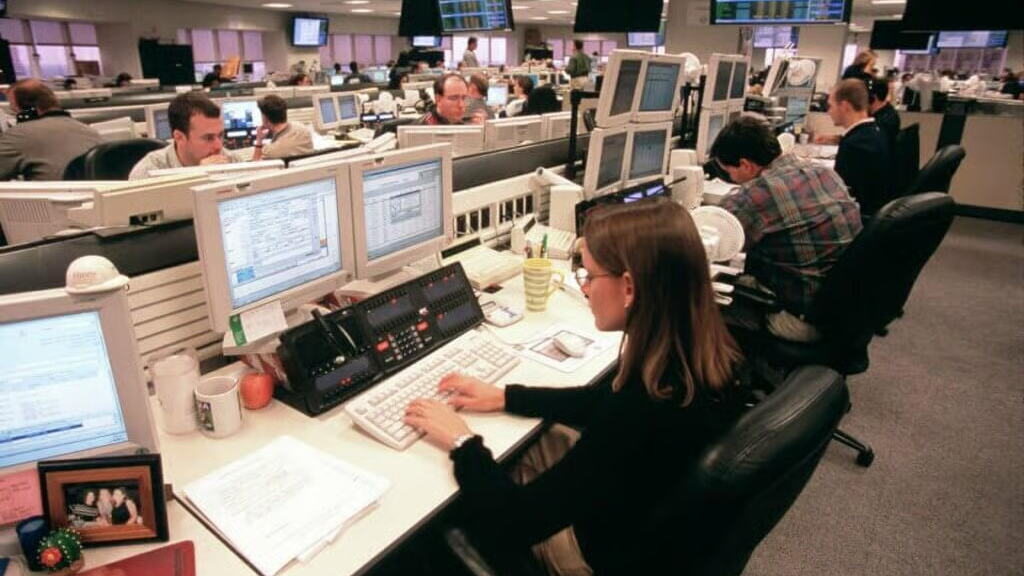
The Enron trading floor during 1990s was full of electricity and aspiration. There were hundreds of traders who traded billions of deals in energy markets in the country. It was like the engine of a gloriously innovative firm as seen on the outside. As a matter of fact, it was a well-formed illusion that had very weak foundations.
Stadium Naming
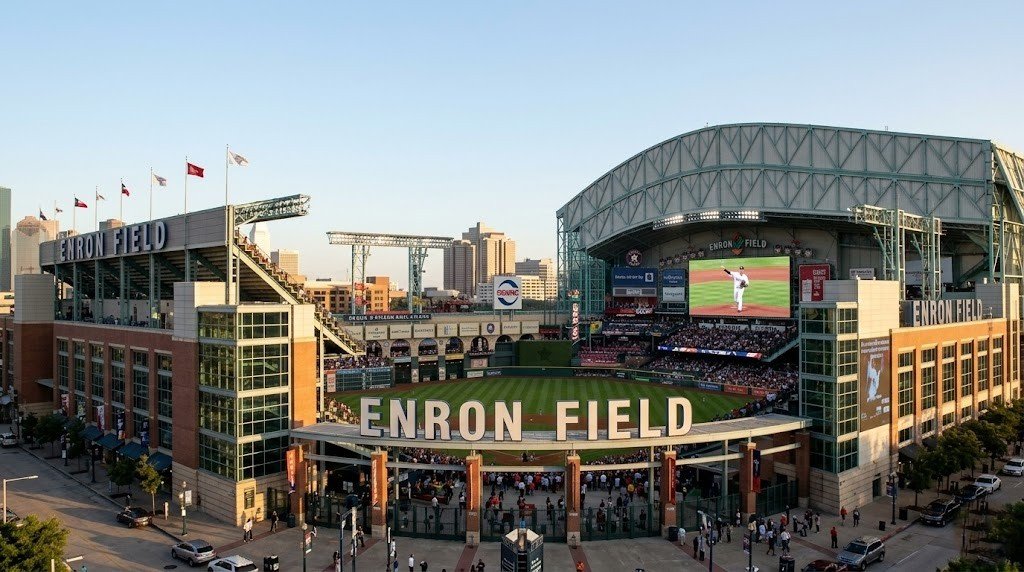
At its peak of authority in 2000, Enron bought the naming rights of the professional baseball stadium in Houston. The opening pitch at Enron Field represented the ultimate level of confidence and social feast of the company, only months before the same set of confidence started to break down in an eventual and irreversible way.
Employees Leave
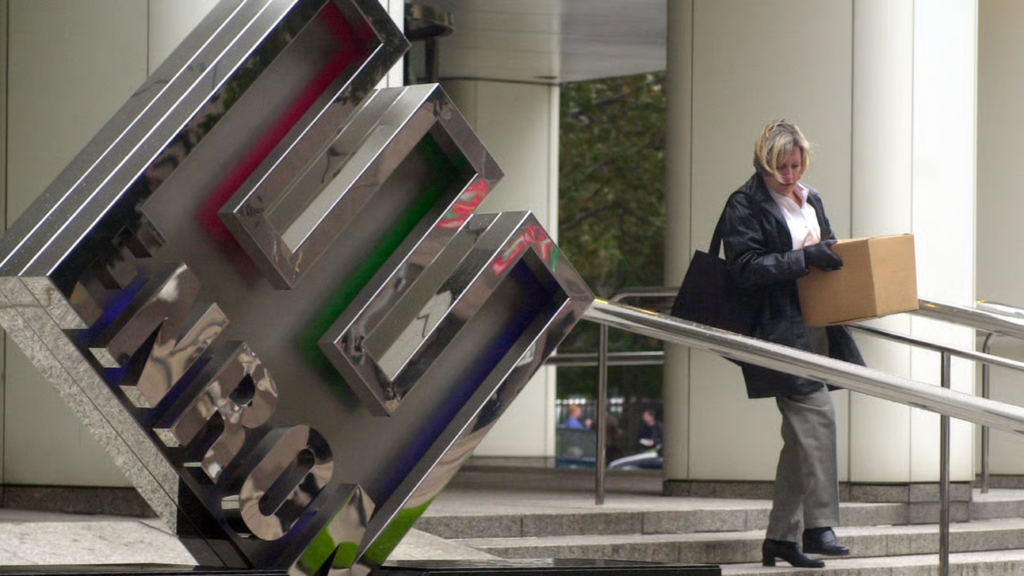
When Enron failed in late 2001, thousands of innocent workers were suddenly rendered jobless, and their retirement savings were absconded with. The devastating human cost of decisions made by executives who were far above them in the organization, the heartbreaking photographs of workers walking with personal items out of the quarters, captured the horrific human cost of the decisions made.
Congress Testifies
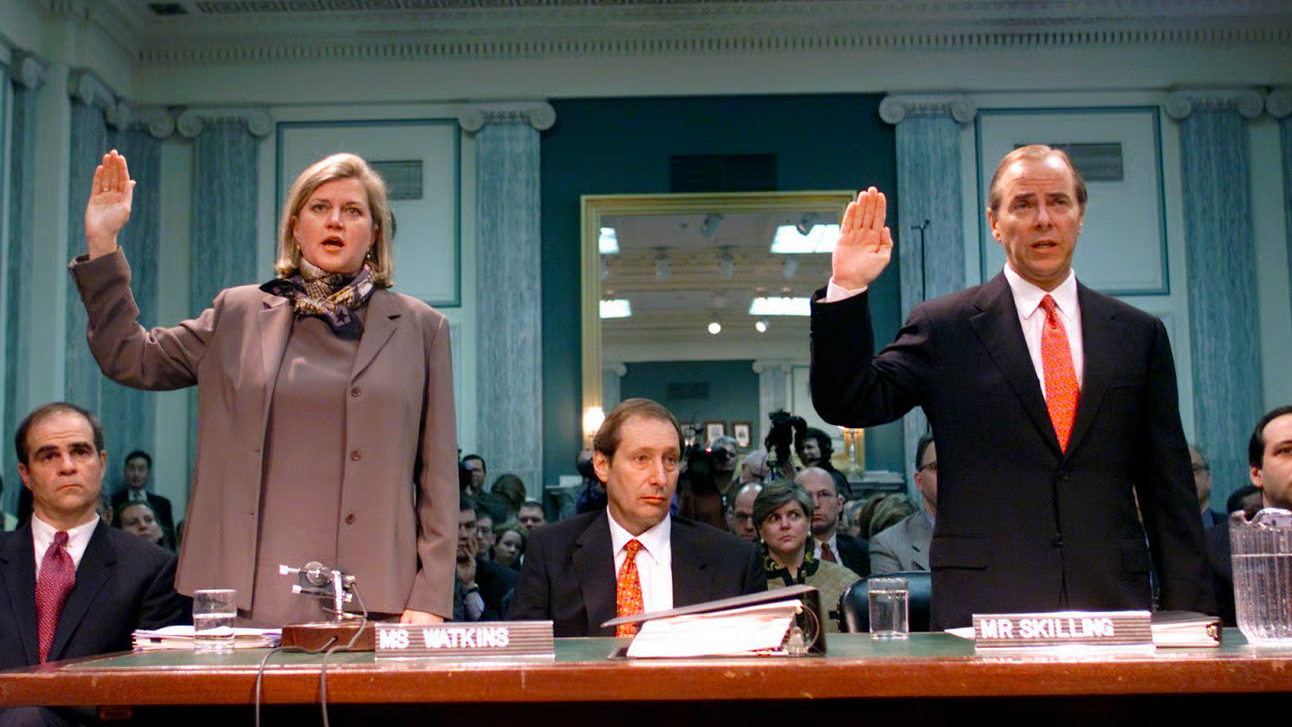
The investigators wanted explanations concerning the scandal, and Jeffrey Skilling appeared before Congress to provide his testimony. His appearances became iconic in the public account of the Enron downfall, and they compelled the lawmakers of America to address the systemic regulatory flaws that enabled the fraud to exist for so long without detection.
Guilty Verdict
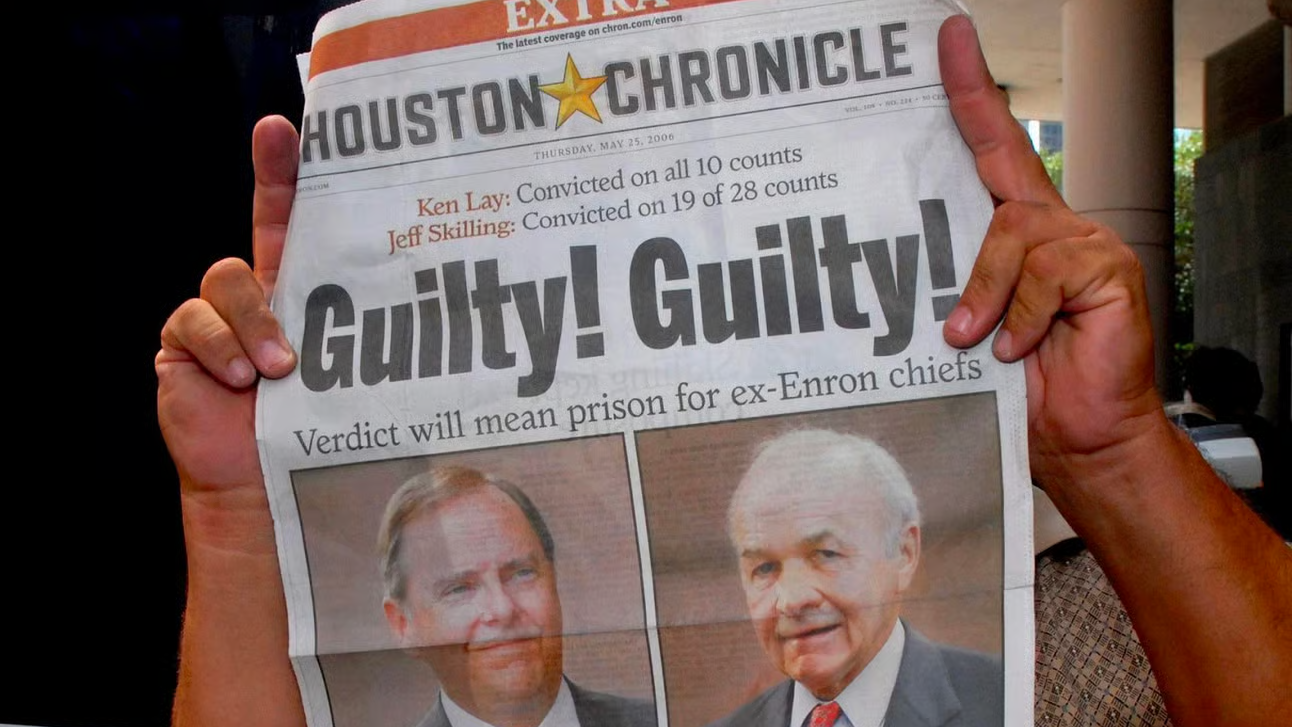
In 2006, the headlines of newspapers reported that both Kenneth Lay and Jeffrey Skilling were guilty and charged with various fraud and conspiracy offenses. The convictions proved the long-time presumption of investigators that the Enron downfall was not just an accident but a lifestyle decision made under careful, thoughtful, and perpetual corporate deceit.
Skilling Imprisoned
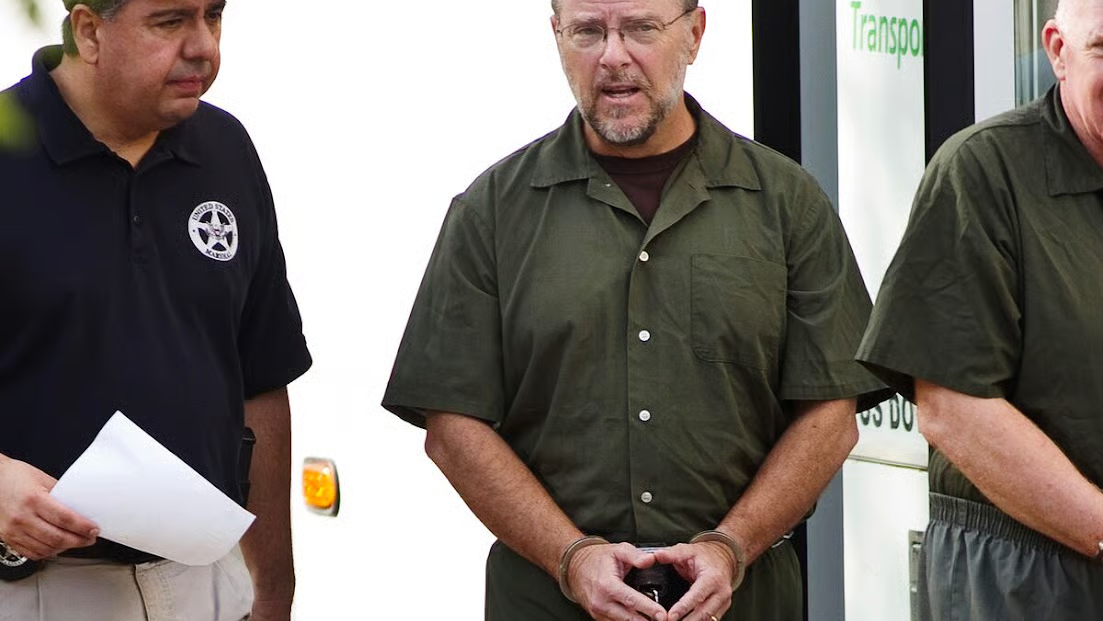
Jeffrey Skilling was taken to prison, and his prison photographs have now become timeless images of corporate responsibility. By being put in jail, he shut the door to one of the darkest periods in Wall Street history, but still acted as a strong reminder that even the most influential executives will not be able to get out of the aftermath of long-term financial fraud.