
Retirement abroad has always appealed to adventurous types, but a growing number of Americans are now doing the maths and realising it makes serious financial sense too. From Panama’s zero tax on foreign income to Greece’s 7% flat rate on everything you earn outside the country, the right destination can save retirees hundreds of dollars every single month. The catch is that American citizens owe U.S. taxes regardless of where they live, so the real opportunity lies in choosing a country that minimises your total burden on both sides. Here are five of the most compelling options right now.
Panama: zero tax on foreign income and no currency conversion

Panama does not tax foreign-based income at all, meaning pensions, retirement funds, and overseas savings are entirely exempt. It uses the U.S. dollar, eliminating any currency risk. The Pensionado Program requires just $1,000 a month in guaranteed income, includes a one-time $10,000 duty-free household goods exemption, and comes with an established American expat community already in place.
Greece: a 7% flat tax on all foreign income for up to 15 years

Greece taxes all foreign-sourced income, including pensions and investments, at a flat 7% for up to 15 years, far below any U.S. income bracket. The cost of living runs 30% to 40% lower than in the U.S., real estate is relatively affordable, and property taxes are moderate. When coordinated with U.S. tax credits and treaty protections, the overall tax friction can be reduced significantly.
Belize: English-speaking and tax-free foreign income

Belize is the only Latin American country where English is the official language, making the transition unusually straightforward for Americans. Its Qualified Retired Persons program exempts all foreign income from tax, allows duty-free import of personal effects in the first year, and requires just $2,000 a month in foreign income to qualify. Residency only requires one month per year in the country.
The Philippines: affordable living with a favorable U.S. tax treaty

The Philippines exempts foreign-based income from tax and benefits from a U.S.-Philippines Tax Treaty that prevents double taxation on any locally paid taxes. Its Special Resident Retiree’s Visa, open to applicants 35 and older, includes travel tax exemptions and senior discounts on healthcare. English is widely spoken, and the country’s cost of living is among the lowest of any popular expat destination.
Costa Rica:$1,000 a month qualifies you; healthcare is top-tier
Costa Rica taxes no foreign income and its Pensionado program requires only $1,000 a month to qualify, with perks including an import tax exemption on household goods and a 20% discount on medical bills. Costs are rising with its growing popularity but remain well below U.S. levels. Its public healthcare system, CAJA, is considered one of the best in the world.
U.S. citizens still owe taxes regardless of where they live

Moving abroad does not cancel your U.S. tax obligations. American citizens are taxed on global income regardless of residency, which means the real benefit comes from combining a tax-friendly foreign system with U.S. tax credits and treaty protections. An international tax advisor is essential before any move, as some countries trigger taxation on global income the moment you establish residency.
Medicare stops working the moment you leave the U.S.
Medicare does not cover care abroad, so healthcare costs must be factored into any retirement budget. Private international health insurance for someone aged 65 to 70 runs roughly $100 to $200 a month in Costa Rica, $80 to $150 in Thailand, and $150 to $250 in Portugal. Many countries allow retirees to join national healthcare systems, but the terms vary significantly by destination.
What to know: Test the country before you commit to it
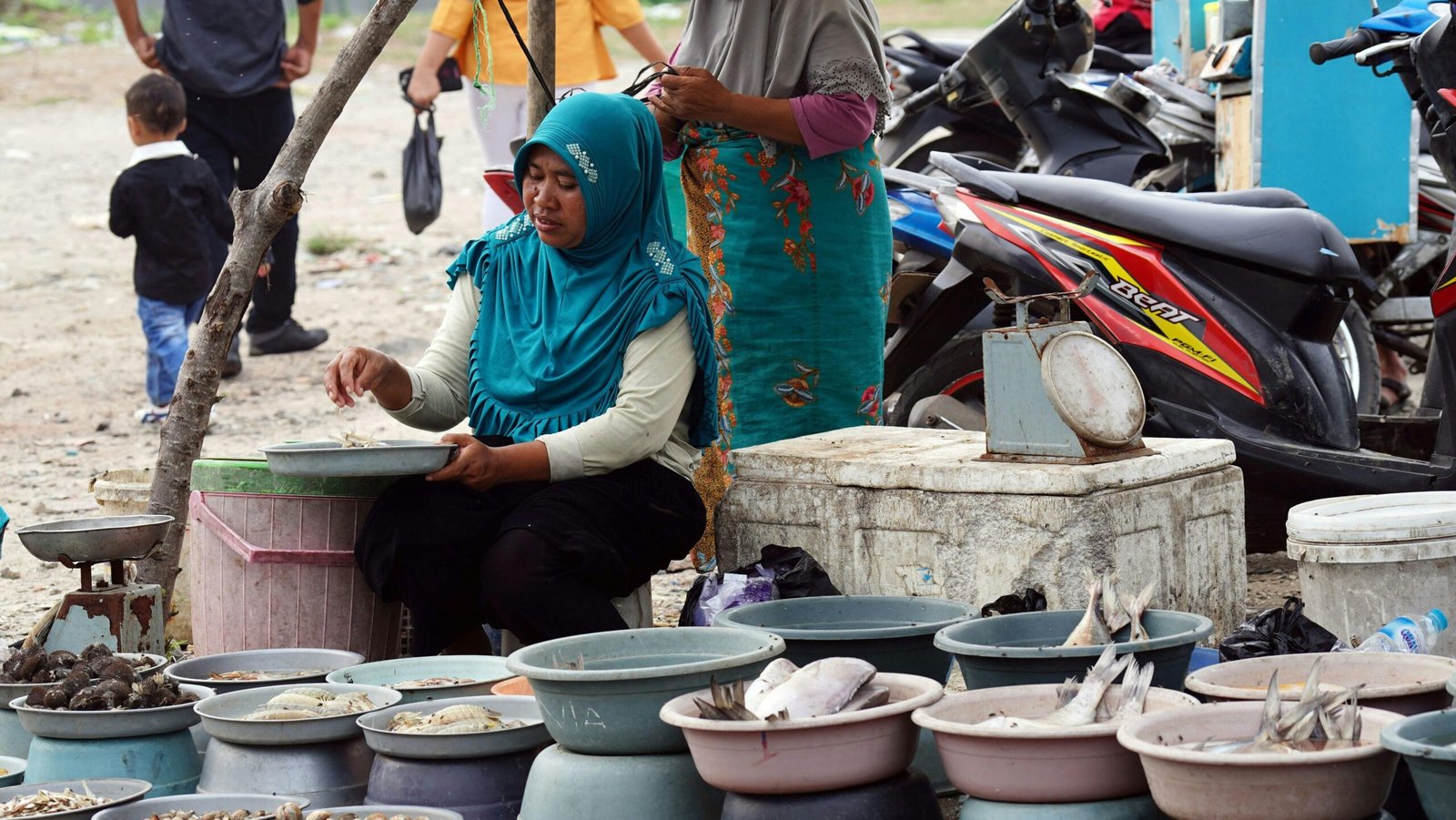
Tax savings and low costs mean little if the daily reality of a country does not suit you. Renting for several months before committing is widely recommended, as it moves you beyond tourist mode and into the rhythm of actual life. Consider property ownership rules, healthcare access, public transport, community, and the risk that tax regimes change. Portugal’s popular NHR programme ended recently, leaving newcomers facing significantly higher rates.