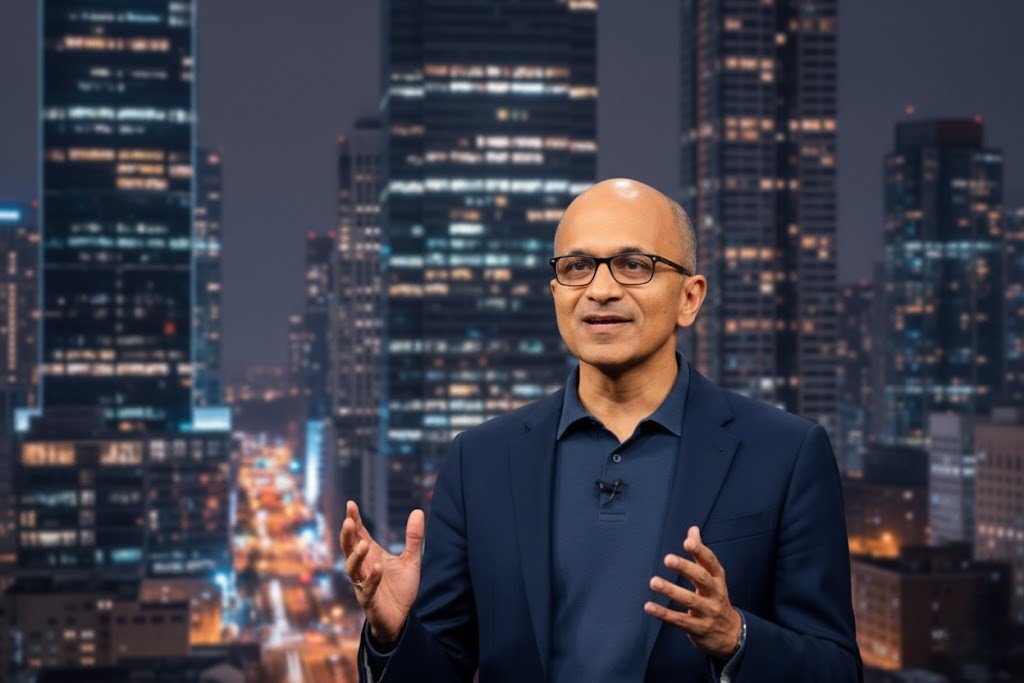
In 2014, Microsoft was losing. Culture was bad, stock was flat, and the technology world had basically declared the company a relic of a past era. Then the CEO’s office was visited by Satya Nadella, who just destroyed everything that was weighing down one of the most successful technology companies in America. What ensued was the greatest company turnaround in contemporary business history. Here is exactly how he did it.
Empathy First

The major and most surprising leadership decision made by Nadella was the emphasis on empathy as a fundamental operating idea of the Microsoft culture. He was raised on a growth mindset philosophy that billions of business decisions are made with better judgment by leaders who truly know people, such as employees, customers, and competitors, versus those whose primary objective is to create competitive aggression when they make decisions.
Kill the Stack

The notorious stack ranking system used by Microsoft had managers rate an employee on a curve, which ensured that there was always one employee on a team who would always be judged a failure, despite the actual performance at work. Nadella removed it as soon as possible. That decision alone opened up the real teamwork within the company, and it started the process of reviving a culture that was choking on internal competition.
Cloud or Die
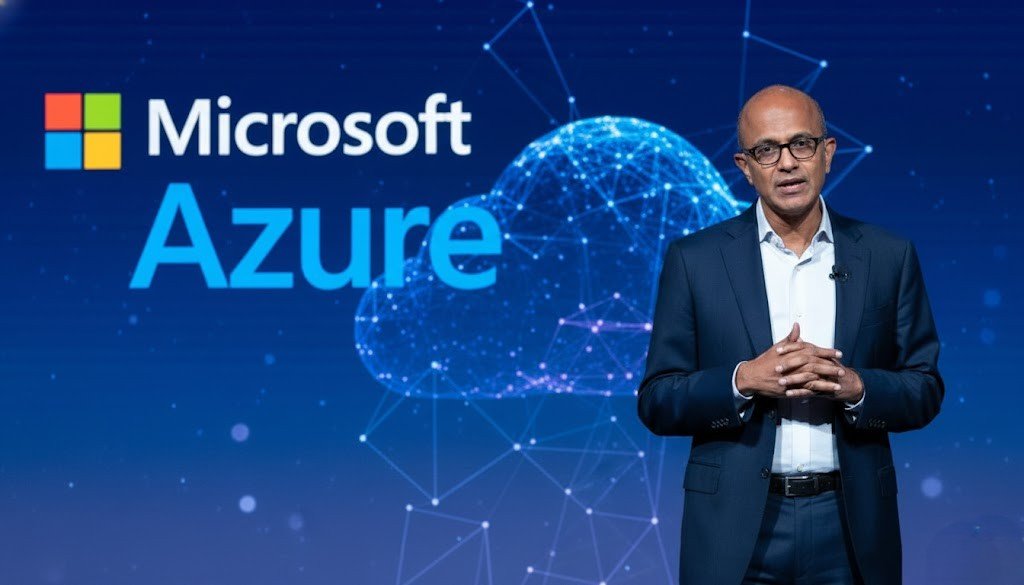
Nadella realized that what most of the Microsoft leadership did not want to accept was that the future of enterprise technologies was cloud computing, and Microsoft was now so much behind. He focused the full strategic force of this firm on Azure in the belief that it left his colleagues squeamish and stockholders scared. The conviction would, within five years, turn Azure into the second-largest cloud platform on earth.
Growth Mindset

Nadella used the framework of growth mindset made by Carol Dweck and applied it to all tiers of Microsoft leadership and declared it the culture of the corporation. His move towards turning around a culture of know-it-alls into a culture of learn-it-alls, as he famously termed it, fundamentally altered the way failure, innovation, and the frenzied rate of technological innovation were dealt with within Microsoft as well as in America and the rest of the world.
Partner Up

Nadella proposed a paradigm shift – strategic partnership in a place where Microsoft has viewed any other rival company as an existential threat to be destroyed. Salesforce, Red Hat, Linux, and even long-time rival Apple were joined as partners and not enemies. This philosophical method of fighting through collaboration broadened the market outlook of Microsoft in a manner that pure competition could never do any such independent achievement on its own.
Acquire Boldly

Some of the most fateful acquisitions made in American technology history, LinkedIn at 26 billion dollars, GitHub at 7.5, Activision Blizzard at 69, and the paradigm-shifting investment in OpenAI that put Microsoft at the very center of the artificial intelligence revolution before much of the market even comprehended what was in fact going on, were all authorized by Nadella.
Mobile First

Among the first and the most visible statements made by Nadella was that Microsoft was going to be a mobile-first, cloud-first company, a statement that directly recognized the disaster of Windows Phone and the fact that Microsoft had completely missed the smartphone age. By acknowledging the fact of failure openly, it was a clearance to the whole organization to proceed in good faith.
Culture Eats Strategy

Nadella has taken over a company where geniuses were habitually frustrated by a mentality of politics, dread, and politeness. In fact, throughout his various speeches and the literature, he always repeated that culture was not a mushy organizational subject, but it was the platform upon which each product decision, each partnering relationship, and each billion-dollar strategic move was either built upon or ruined.
Reinvent Office
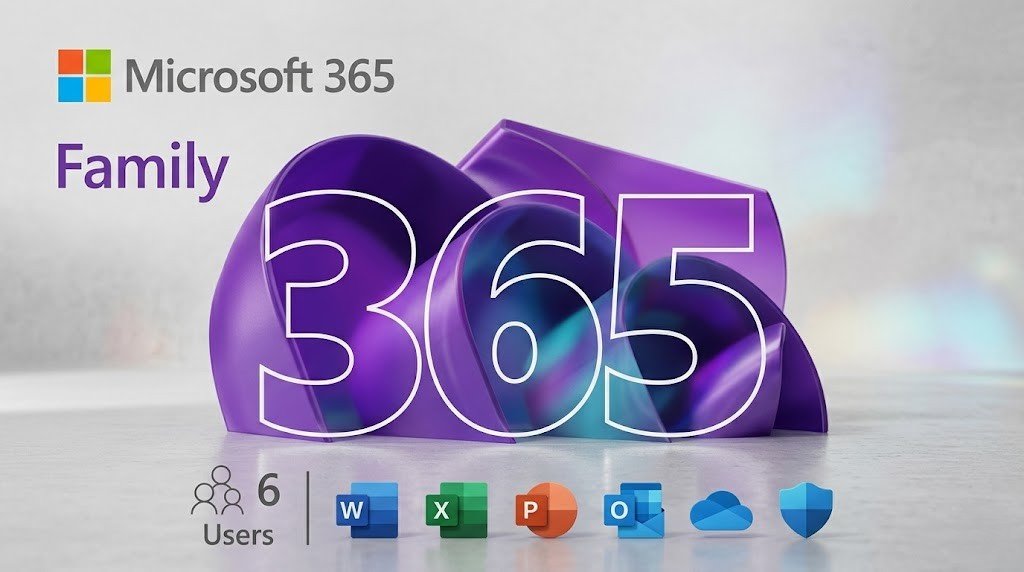
Nadella transformed Microsoft Office from a legacy product into the successful cloud-based subscription platform, Microsoft 365. The shift to recurring, rather than a one-time, revenue-generating software purchase was an absolute paradigm shift in the Financial profile and long-term valuation path that Microsoft was headed to.
The Trillion Dollar Result
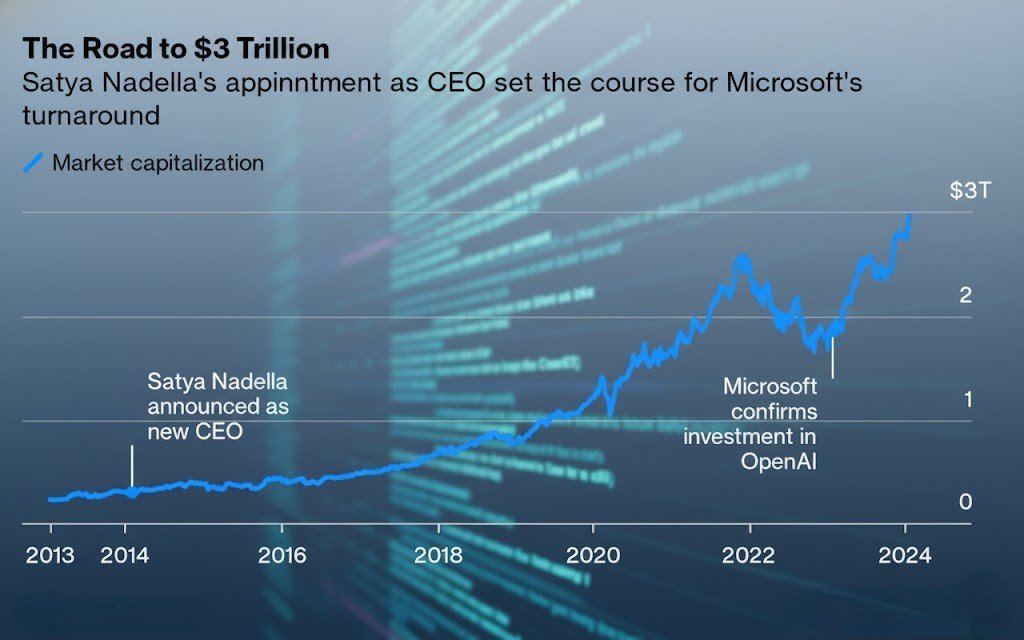
When Nadella took office in 2014, Microsoft’s market cap was about 300 billion dollars. By 2024, it exceeded three trillion, making Microsoft one of America’s most valuable companies. The designer of such change was not a product, nor an acquisition, nor an algorithm. It was a management philosophy that was founded entirely on transparency, compassion, and relentless innovation.