
It is truly difficult to establish a thriving business. Killing one who is so prosperous proves to be far too easy when made in the wrong choices and with limited restraint. The history of American business is filled with warnings about billions lost, jobs vanished, and corporate empires that seemed stable until they weren’t. These are not boring business school cases, but intriguing and costly lessons every financially curious American should learn quickly.
Kodak’s Miss

Kodak invented the digital camera in 1975 but buried it to protect film interests. By 2012, the company, once a leader in American photography, declared bankruptcy with $6.8 billion in debt. The Harvard Business Review noted it as the most costly case of a company sabotaging its own innovation for short-term safety.
Blockbuster’s Fumble
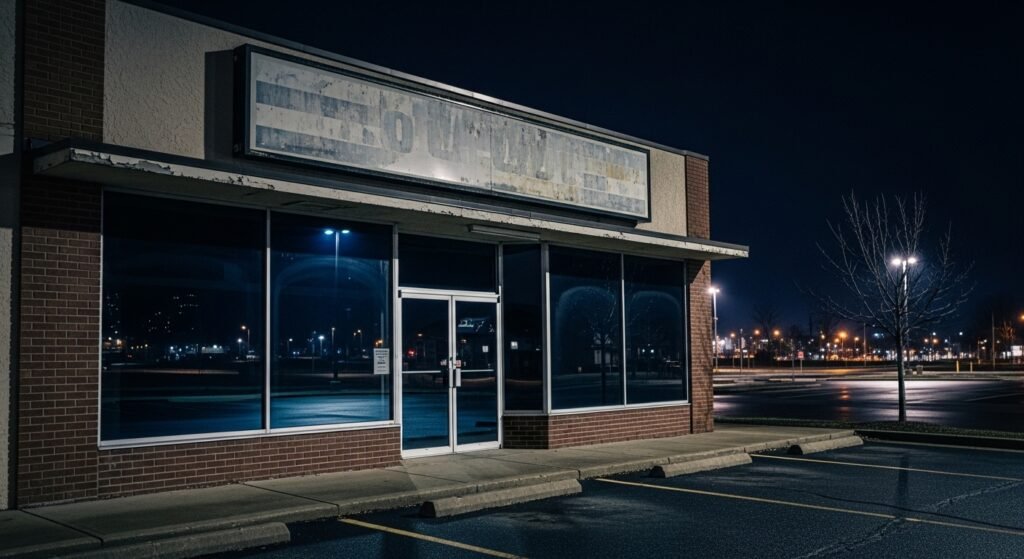
In 2000, Blockbuster managers failed to purchase Netflix for $50 million, which is now worth about $250 billion. After declaring bankruptcy in 2010 with $900 million in debt and 9,000 stores in America, only one Blockbuster remains open in Bend, Oregon, serving as a nostalgic museum exhibit.
Enron’s Implosion

In 2001, Enron destroyed $144 billion in shareholder value and cost 200,000 American jobs. Despite this, it was named America’s most innovative company by Fortune Magazine for six consecutive years while running a massive accounting fraud scheme. The boldness was unprecedented.
Lehman Brothers

The 2008 bankruptcy of Lehman Brothers, with a debt of $613 billion, triggered a financial crisis that cost the American economy about $12.8 trillion. The collapse of the 158-year-old investment bank, due to overleveraging in subprime mortgages, reshaped global banking regulations. This is why discussions of recessions still unsettle your parents.
Nokia’s Era End

In 2007, Nokia held 40 percent of the global phone market, the same year Apple launched the iPhone. In 2013, Nokia sold its mobile division to Microsoft for 7.2 billion, far below its peak valuation of 250 billion. Scholars attribute Nokia’s failure to internal resistance to software innovation, with leaders focusing on hardware, causing lasting harm.
Toys R Us Gone

Toys R Us, a staple of Gen Z childhoods, went bankrupt in 2017 after a 2005 private equity takeover that left it with $5 billion in unmanageable debt. Financial experts agree the debt was not caused by Amazon but was inherent to the company’s structure, making its collapse inevitable. The real issue was leveraged finance, not the internet.
WeWork’s Spiral

The key startup lesson for business schools is WeWork’s swift fall from grace in 2019, leading to bankruptcy in months. The company’s prospectus revealed losses of $1.9 billion against $1.8 billion in revenue, showcasing a significant failure to convert investment into success, which initially attracted serious investors.
GM’s Bailout
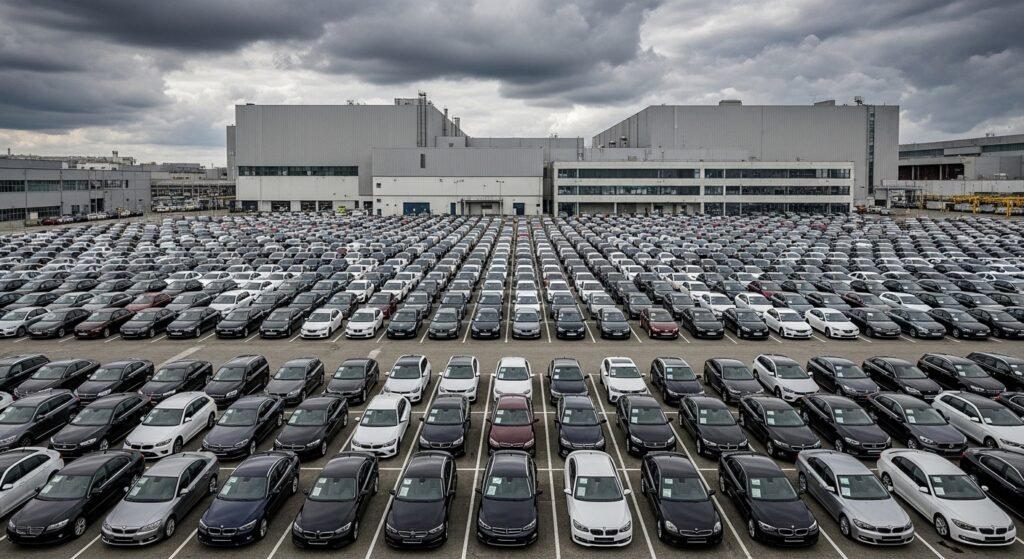
General Motors, once the largest company in American history, declared bankruptcy in June 2009 with 172 billion in debt. To prevent a complete collapse of the automotive industry, the US government injected 49.5 billion. GM’s failure to allocate resources to fuel-efficient vehicles, while foreign competitors innovated, was less fatal at the time but marked a slow-motion disaster stemming from the leadership’s failed strategy.
Theranos Fraud

Theranos raised $945 million from investors based on blood testing technology that never worked. In 2022, the founder was convicted of federal fraud for defrauding patients, investors, and partners over nearly ten years. The collapse cost investors nearly $1 billion and damaged the reputation of celebrated disruptors in Silicon Valley.
The Pattern

Harvard Business School’s study on large American company failures identified three main drivers: leader overconfidence, resistance to disruptive innovation, and unsustainable financial leverage. Once, all failed businesses seemed invincible; true corporate humility and adaptability are often overlooked but crucial in American business history.