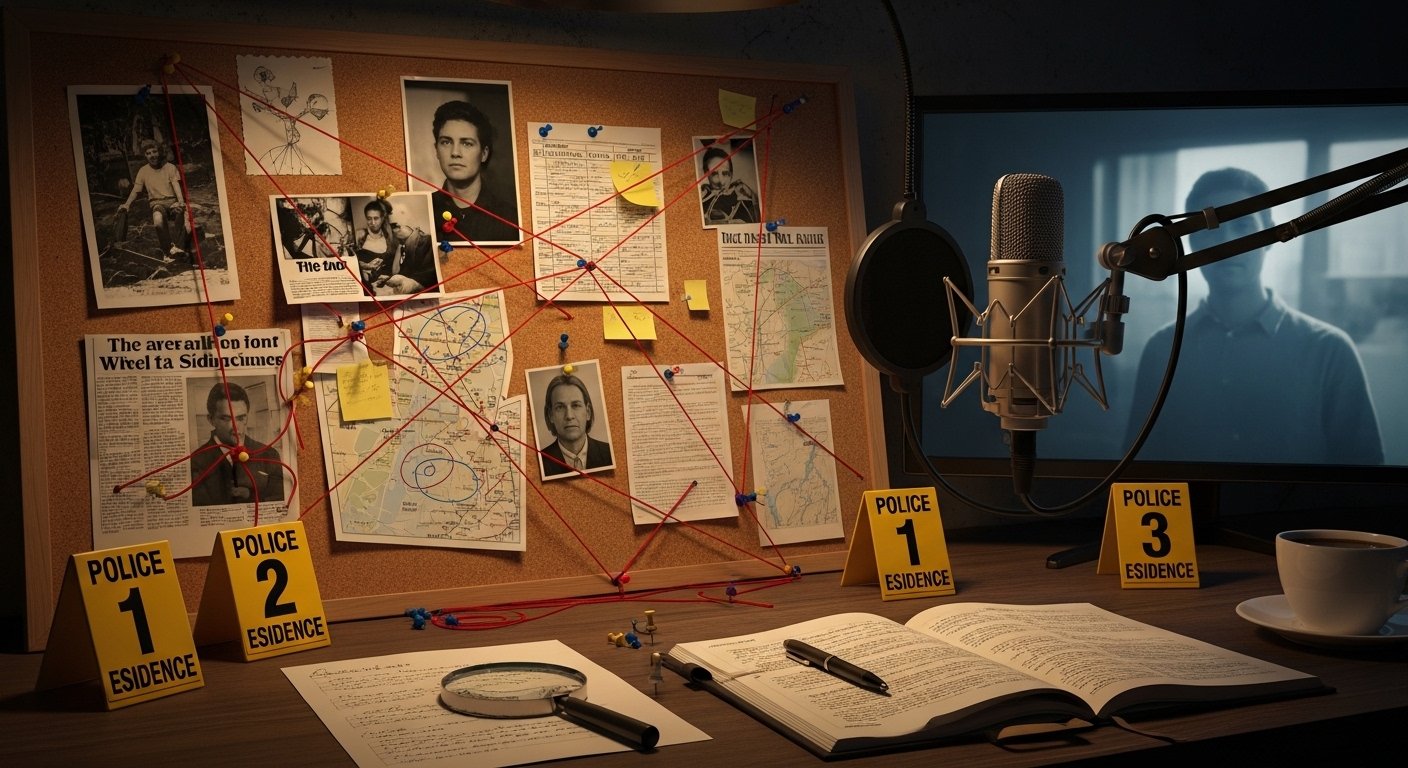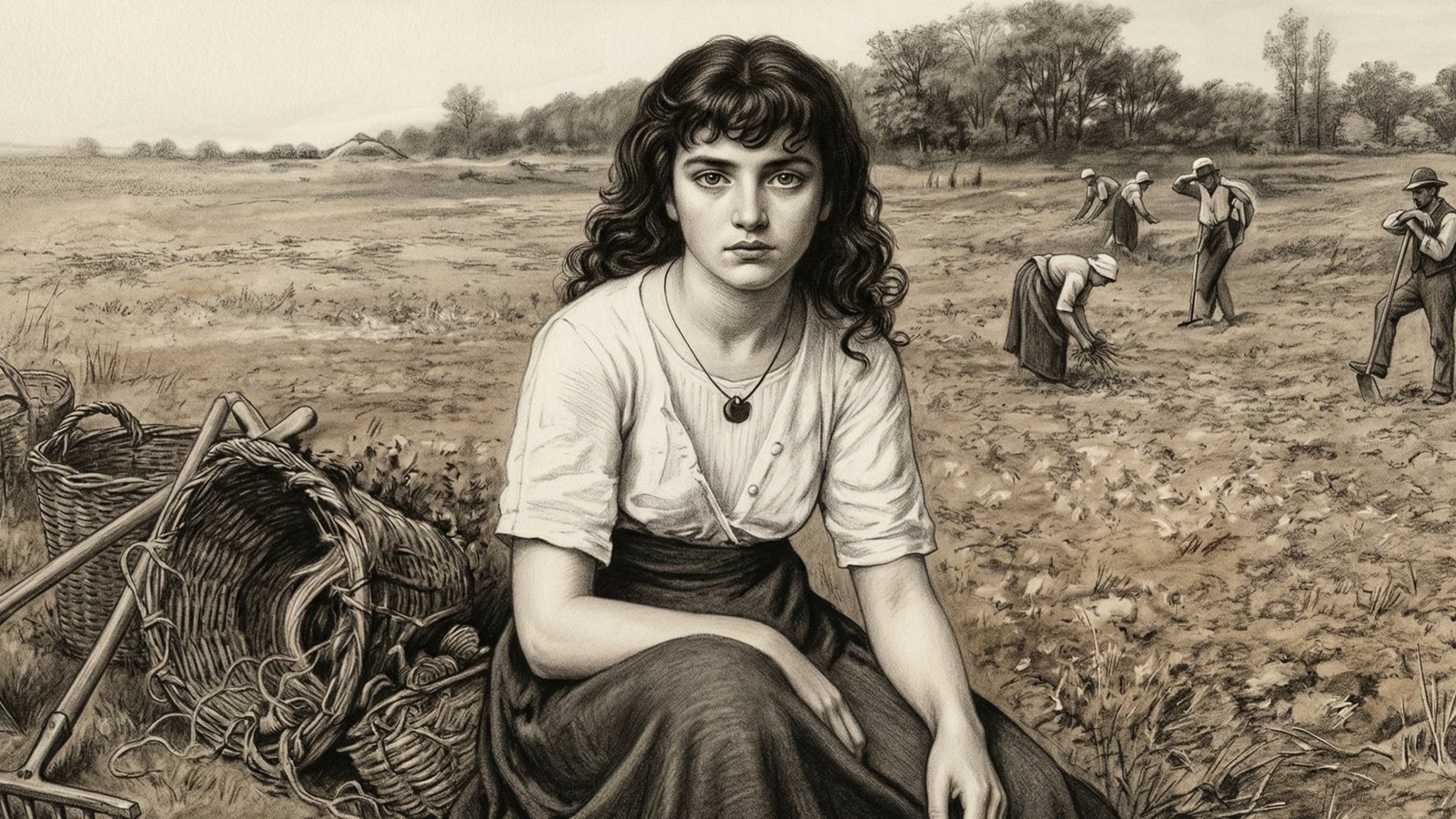
This is a terrifying painting by artist George Fuller painted in 1857 following his visit to the South. During his visit, he saw a young Black girl being auctioned in Augusta, Georgia. He did not get to know her name and no historical records name her. but she made a profound impression on him. Fuller wrote in a letter of the remarkable beauty of the girl, a quadroon whose fair color and features rendered her nearly white. The three dark-skinned slaves in the field serve as a backdrop in his painting, contrasting with the rest of the scene that depicts the diverse range of the enslaved population that Hollywood has overlooked.
1. The Whitewashing of Slavery in the movies
Slavery in American films and television is always distorted. The movies nearly always portray the slaves as having a homogenous dark complexion and just one or two generations away in Africa. Hollywood was intentional in not being historically true to this subject after 1930s. Terms like quadroon, octoroon, and mulatto are no longer used in scripts, as they are associated with the racial caste system of the slavery era. These classifications could not be separated to the sexual exploitation of the mixed-race women, who were sold at a premium price exactly due to their light skin and European appearance. The Hollywood Production Code (Hays Code) was actively hostile to any overt mention or representation of so-called miscegenation and it was virtually unachievable to reflect the multifaceted racial reality of antebellum America on screen.
2. The Foundations of Miscegenation
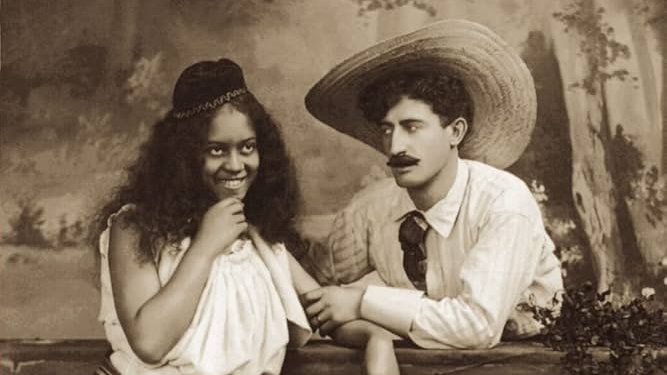
Miscegenation is a word that was coined in the United States in 1863, during the Civil War. It was invented by two anti-abolitionist newspaper reporters as a political hoax a forgery of a pamphlet intended to rouse racist anxieties among Northern voters and weaken the popularity of Abraham Lincoln and emancipation. This term soon became a common language to refer to interracial sexual behaviors, marriage, or reproduction particularly between Black and white. What started as propaganda turned into an eternal classification of something that slaveholders had been doing since time immemorial without referring to the word.
3. Hattie McDaniel in Gone with the Wind
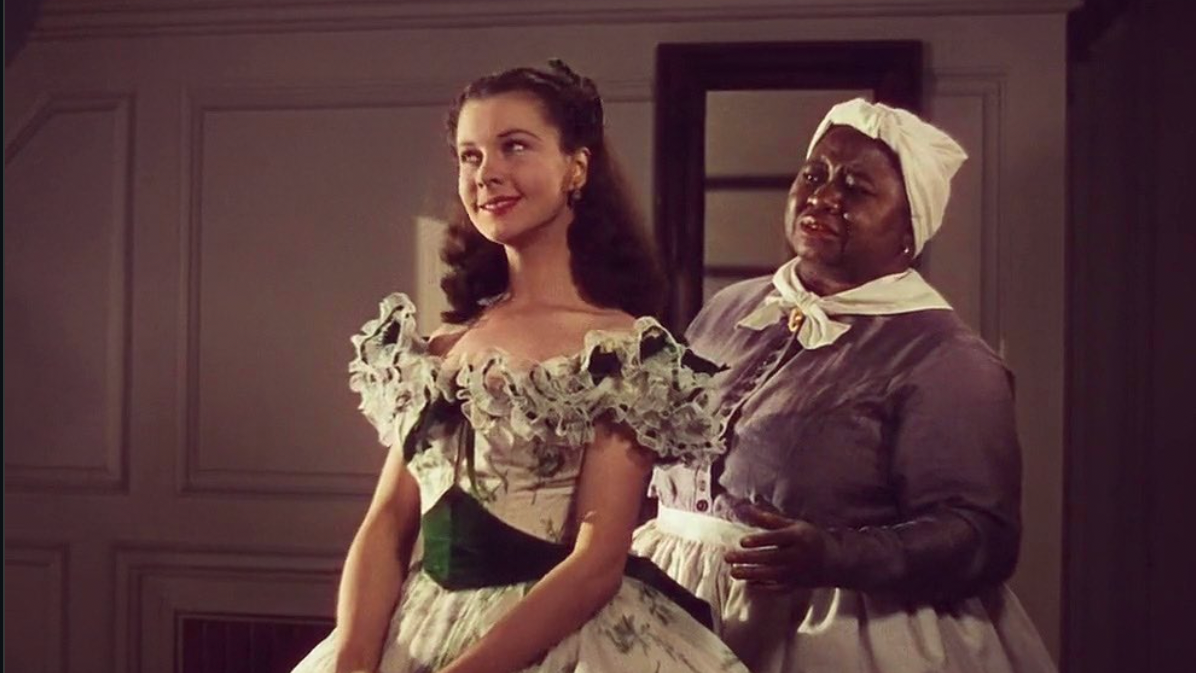
The best-known representation of a woman-slave in classical Hollywood is still Hattie McDaniel as Mammy in Gone with the Wind (1939) – a heavy-skinned, dark-skinned house servant. Although McDaniel gave a performance that was strong (the first Oscar ever won by a Black actor), her character only supported the small visual template of slavery that had dominated the cinema of the middle of the 20th century.
4. Lupita Nyong in Twelve Years a Slave
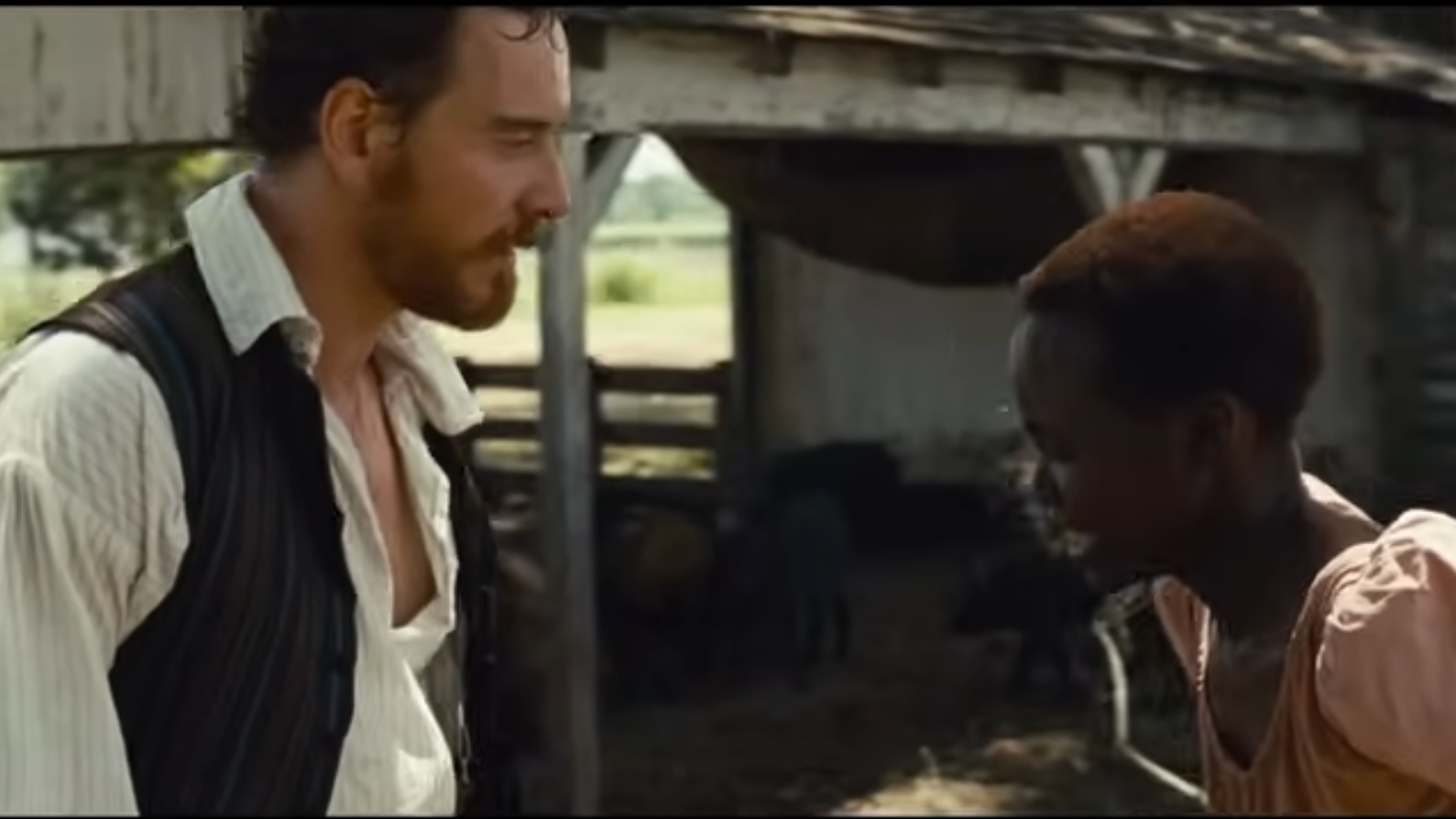
Even in more recent, critically-acclaimed movies such as Twelve Years a Slave (2013), the emphasis is too much placed on dark-skinned characters. It is a heart-wrenching performance of Lupita Nyong due to the heart-wrenching role of Patsey, yet it is a cinematic cliché.
5. Djimon Hounsou in Amistad
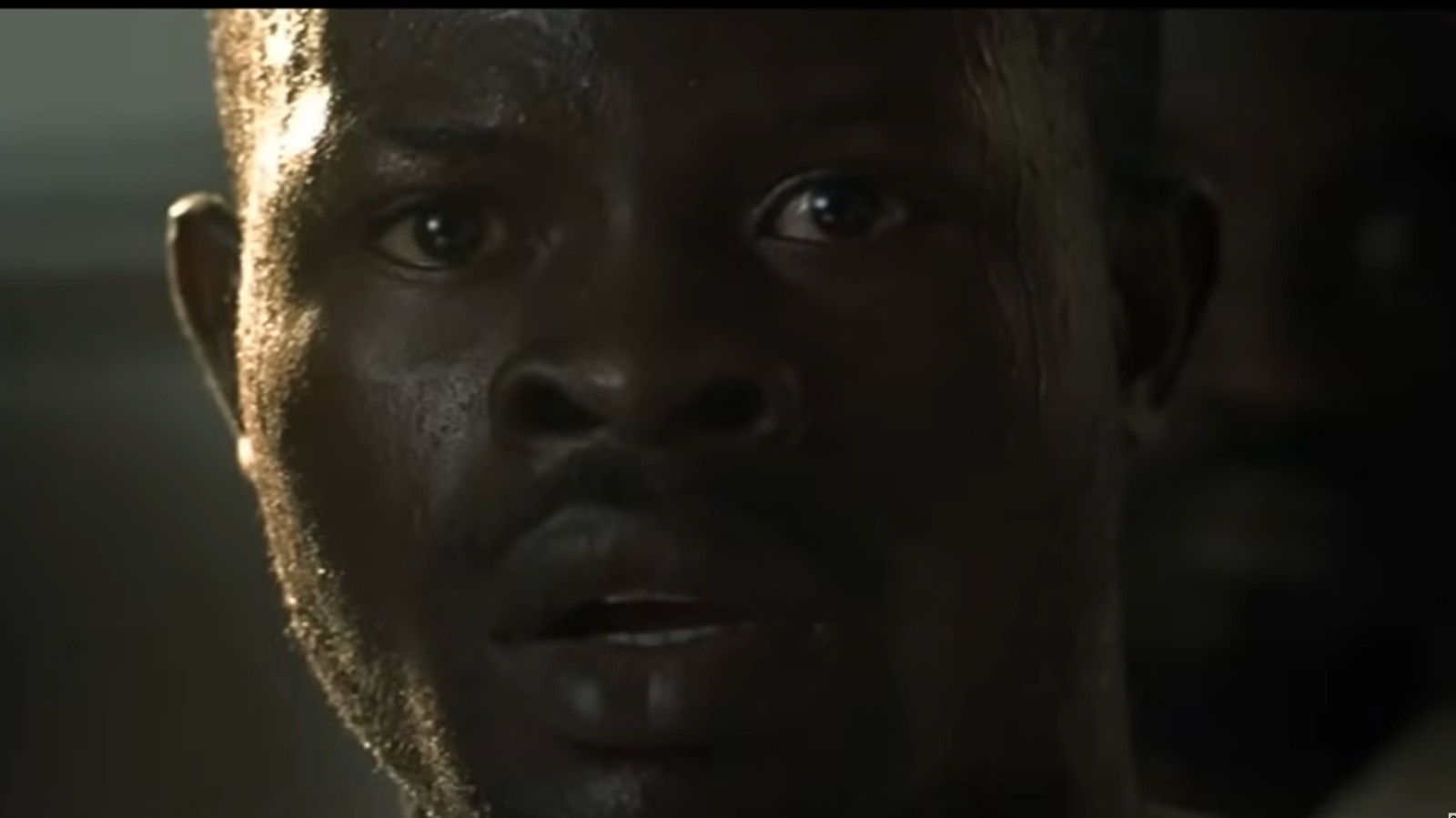
Djimon Hounsou was nominated in the Oscar category of Best Supporting Actor in Amistad (1997). His impressive stature as the leader of the rebellion gave the story dignity, but once again, the film was focused on Africans who had just been stolen off their land and not the multi-generational, racially mixed, American plantation slavery.
6. Wallis in Twelve Years a Slave, played by Quvenzhané
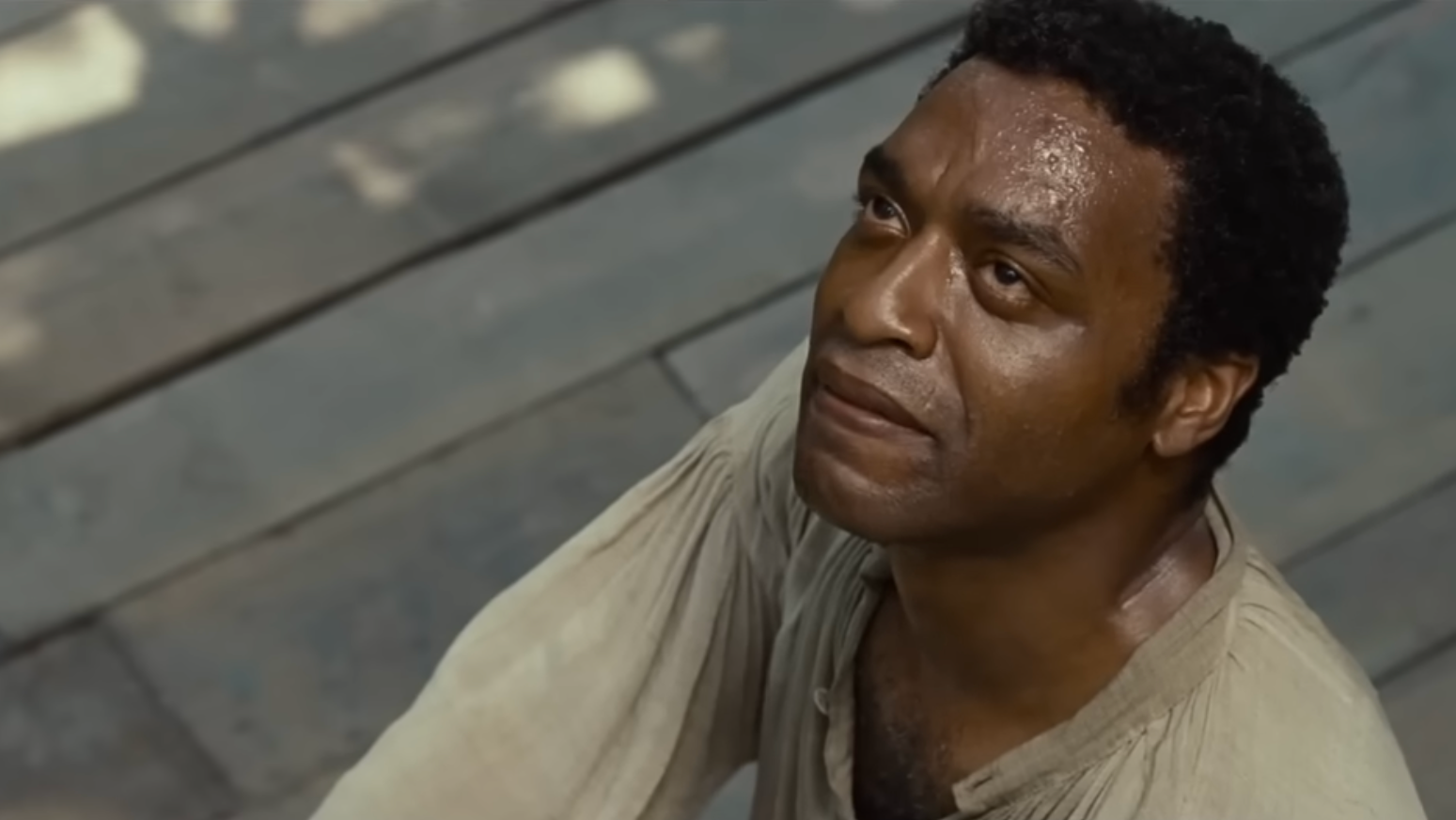
Young Quvenzhanane Wallis featured in Twelve Years a Slave as a child actor giving emotional significance to the story. Her role, as with the others, remained in the darker-skinned type which prevails in the Hollywood visual language of enslavement.
7. The Presented Image of Enslaved People
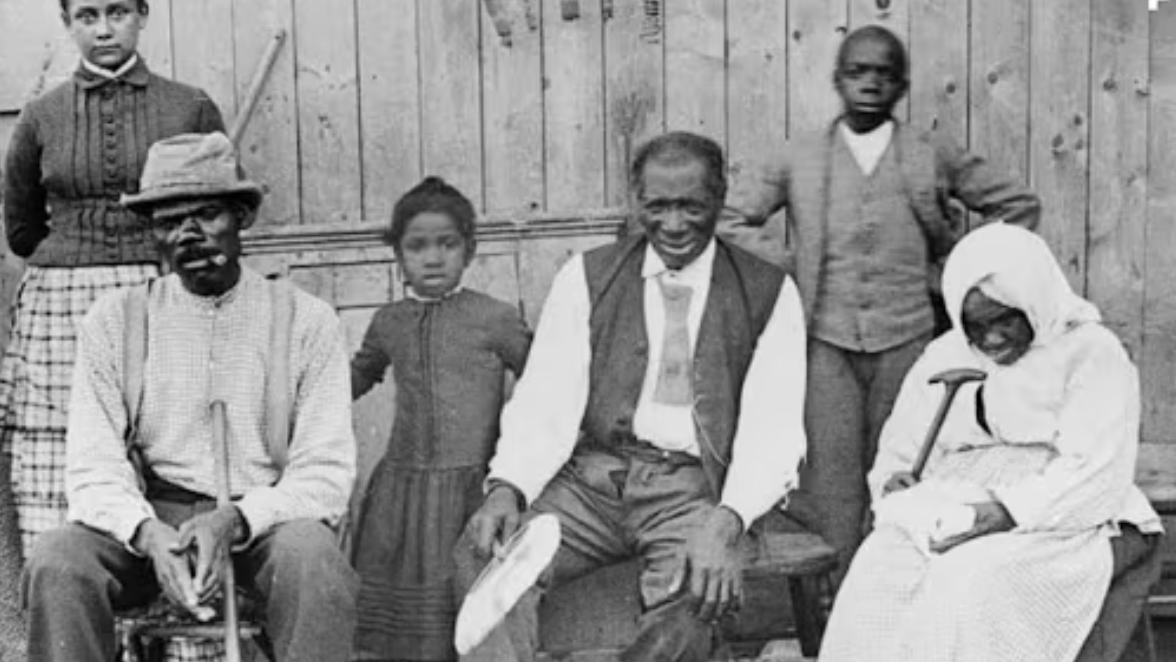
The American films have tended to reinforce a slavery image in which slaves were black and not much distanced to their African ancestry. This has been exceptionally true in a few instances. Sally Hemings in Jefferson in Paris (1995) was played by Thandiwe Newton. The light-skinned Newton, however, is even here seen to be getting a bit darker than the historical Sally Hemings was.