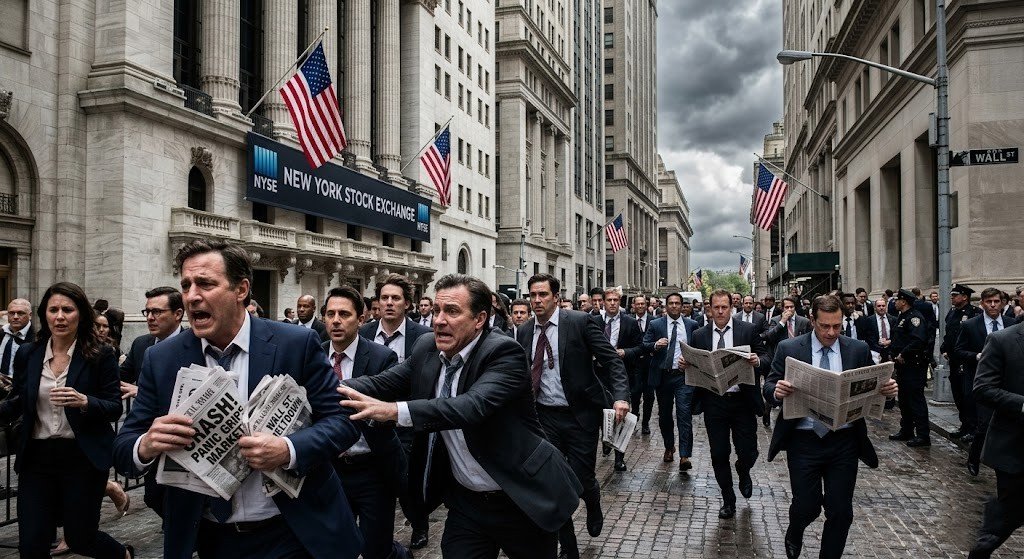
Most Americans were not watching the ticker. They were going about their lives — working, paying bills, picking up groceries – completely unaware that the entire financial system was quietly unraveling behind closed doors. But during the catastrophic week of September 2008, Wall Street came closer to total collapse than most people will ever fully realize. Here is a clear, honest breakdown of the most terrifying week in modern American financial history and why it still matters today.
Monday Morning Shock
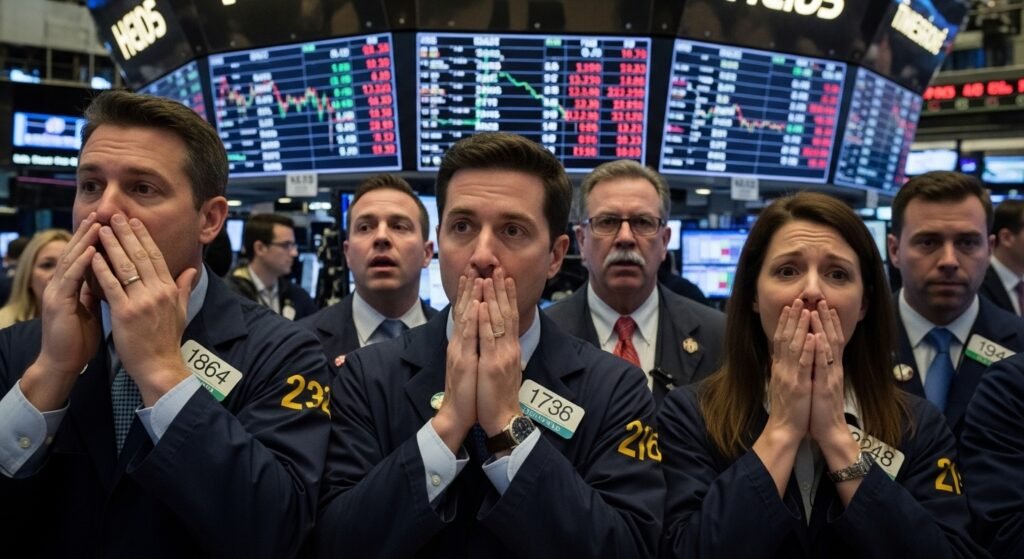
Monday, September 15, 2008 opened with news that stopped Wall Street cold. Lehman Brothers – a 158-year-old financial institution and one of America’s largest investment banks – had filed for bankruptcy overnight. It was the biggest bankruptcy filing in United States history, and the shockwave hit global markets within minutes of opening bell.
Lehman’s Fall
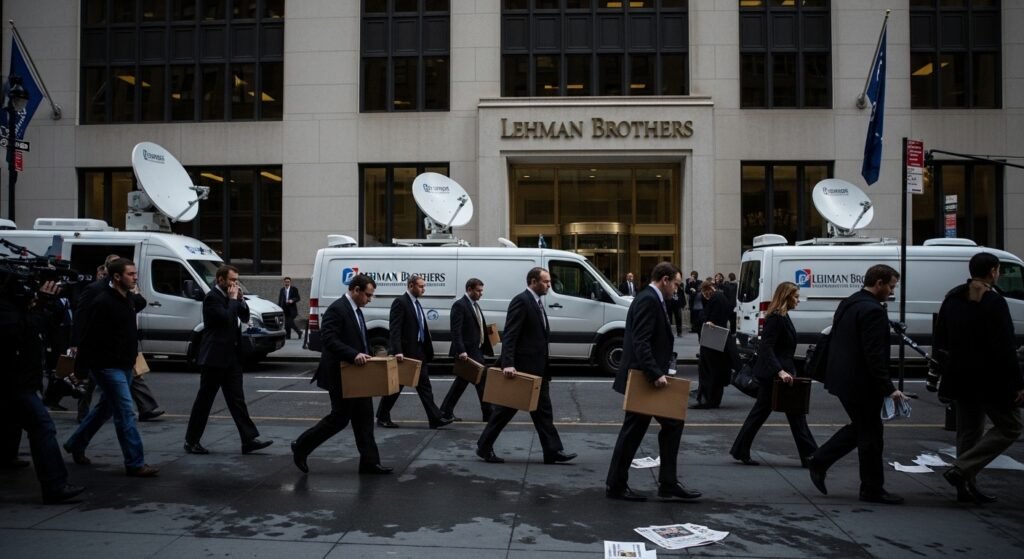
Lehman Brothers did not collapse suddenly. Years of dangerously overleveraged bets on mortgage-backed securities quietly built an unstoppable pressure. When housing values dropped, those bets imploded simultaneously. The firm owed over six hundred billion dollars it simply did not have. No buyer stepped in. No government rescue arrived. The doors closed permanently.
Merrill Disappears
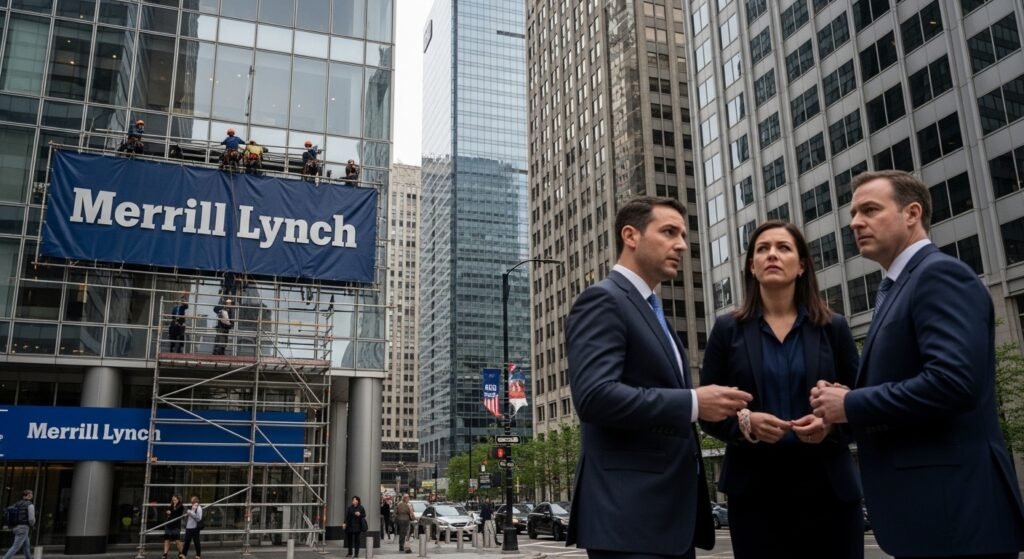
On the very same weekend Lehman filed for bankruptcy, Merrill Lynch — another legendary Wall Street name — was quietly sold to Bank of America in a desperate emergency deal. Merrill’s exposure to toxic mortgage assets made independent survival impossible. One weekend effectively erased one of America’s most recognizable financial brands from independence forever.
AIG Trembles
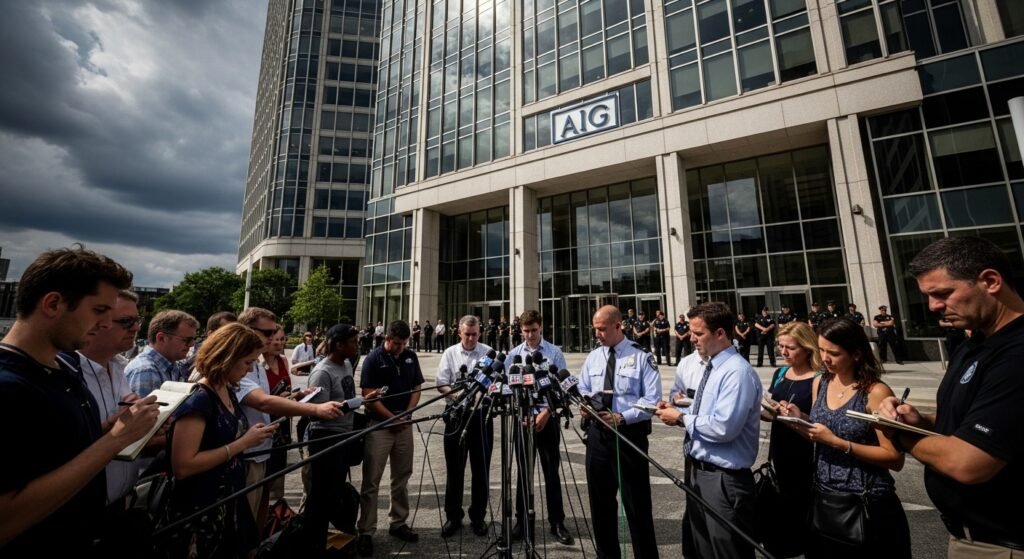
Insurance giant AIG had insured trillions of dollars worth of mortgage securities through complex financial instruments called credit default swaps. When those securities failed simultaneously, AIG faced immediate collapse. A failing AIG would have triggered a global chain reaction. The Federal Reserve stepped in with an emergency eighty-five billion dollar bailout to prevent it.
Money Markets Freeze
A crucial but little-discussed casualty of that week was the money market fund industry. The Reserve Primary Fund — considered an extremely safe investment — broke the buck, meaning its value dropped below one dollar per share. Panic spread instantly. Businesses and institutions began pulling cash in massive amounts, threatening to freeze everyday American commerce completely.
Washington Scrambles

Treasury Secretary Hank Paulson and Federal Reserve Chairman Ben Bernanke spent that entire week in emergency sessions with Congressional leaders. Behind closed doors, officials warned lawmakers that without immediate government intervention, credit markets could freeze entirely within days. The frank severity of those private warnings reportedly left seasoned politicians visibly shaken and deeply alarmed.
Credit Markets Lock

Ordinary business lending essentially stopped that week. Banks refused to lend to each other because nobody trusted anyone’s balance sheet anymore. Companies that relied on short-term borrowing to fund daily operations suddenly could not access basic financing. The invisible machinery that keeps the American economy functioning was grinding to a dangerous, frightening halt.
TARP Is Born
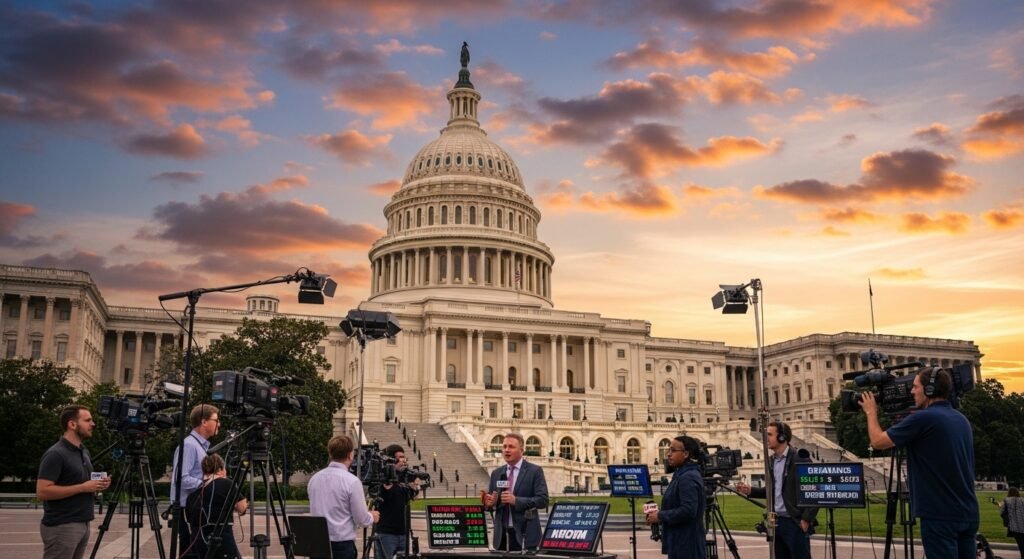
Facing potential systemic collapse, the Bush administration proposed the Troubled Asset Relief Program (TARP), a seven hundred billion dollar emergency rescue package. The proposal was controversial, deeply unpopular with the American public, and initially rejected by Congress. The stock market responded to that first rejection by dropping seven hundred and seventy-seven points in a single session.
Public Fury Rises
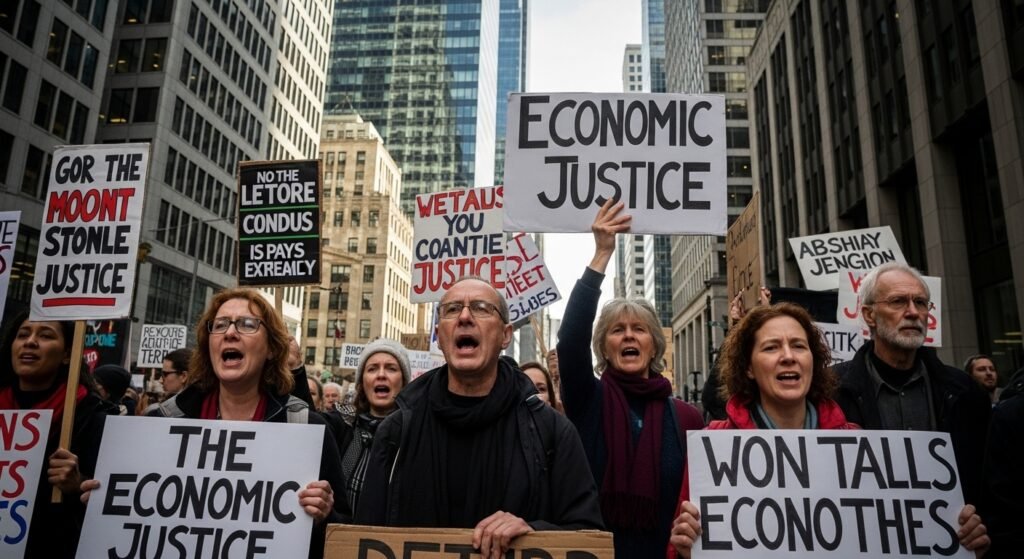
While Wall Street sought government rescue, ordinary Americans were furious. Millions had lost retirement savings, home equity, and financial security through no fault of their own. The idea of taxpayer money rescuing institutions whose reckless decisions caused the crisis generated enormous, justified public anger that shaped American political conversations for years afterward.
Lessons Still Ignored
The Dodd-Frank Act passed in 2010 introduced new financial regulations designed to prevent another systemic collapse. Oversight increased, stress tests became mandatory, and capital requirements tightened. Yet financial experts continue debating whether America has truly addressed the deeper structural vulnerabilities that allowed one catastrophic week to nearly bring down the entire global financial system.