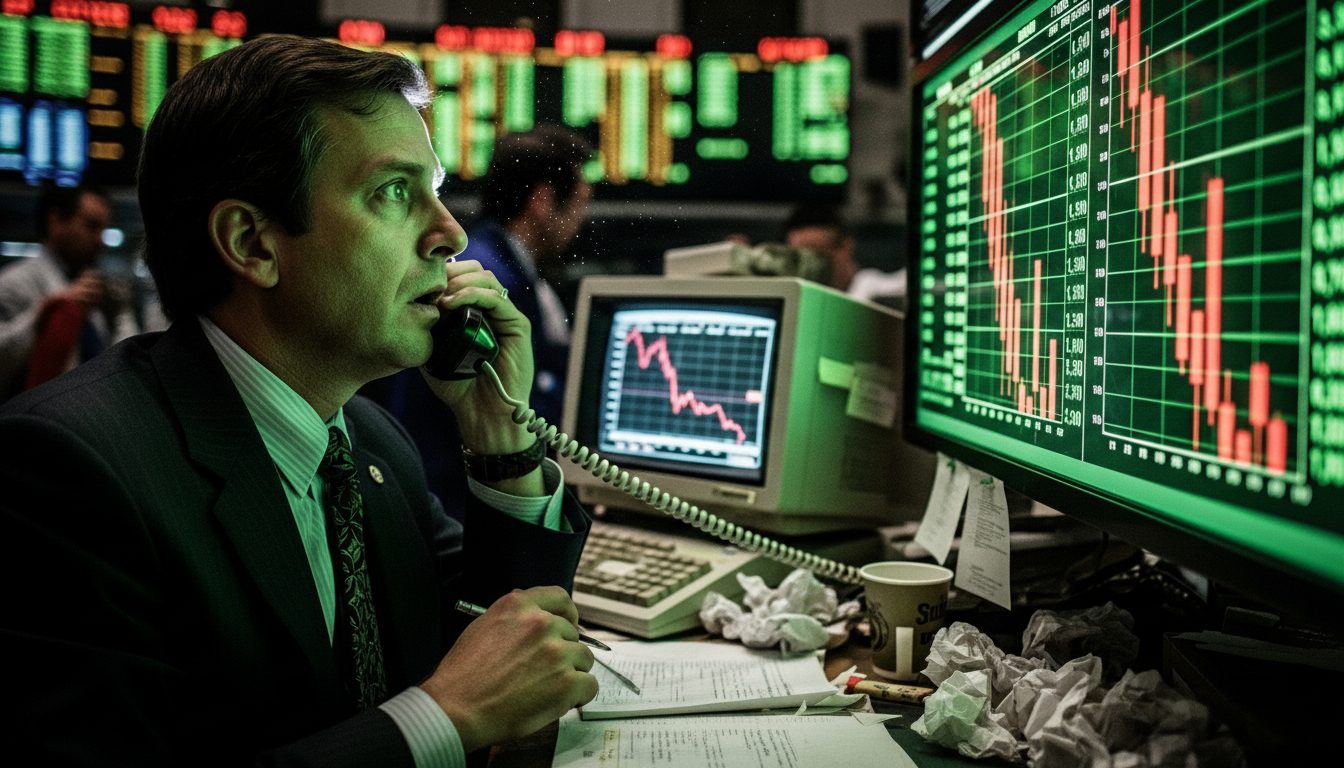
The stock market crash of October 1987 remains one of the most dramatic moments in financial history. On a single day, global markets fell sharply, leaving investors and institutions stunned. Known widely as Black Monday, the event revealed how quickly confidence can disappear when fear spreads through financial markets. The decline happened despite a relatively strong economic backdrop, which puzzled many analysts. Rapid computer-based trading, heavy selling pressure, and global market reactions all played roles. The panic reshaped financial regulation and trading systems in the years that followed, prompting reforms designed to slow extreme market swings and restore investor confidence.
Rising Market Optimism Before the Crash
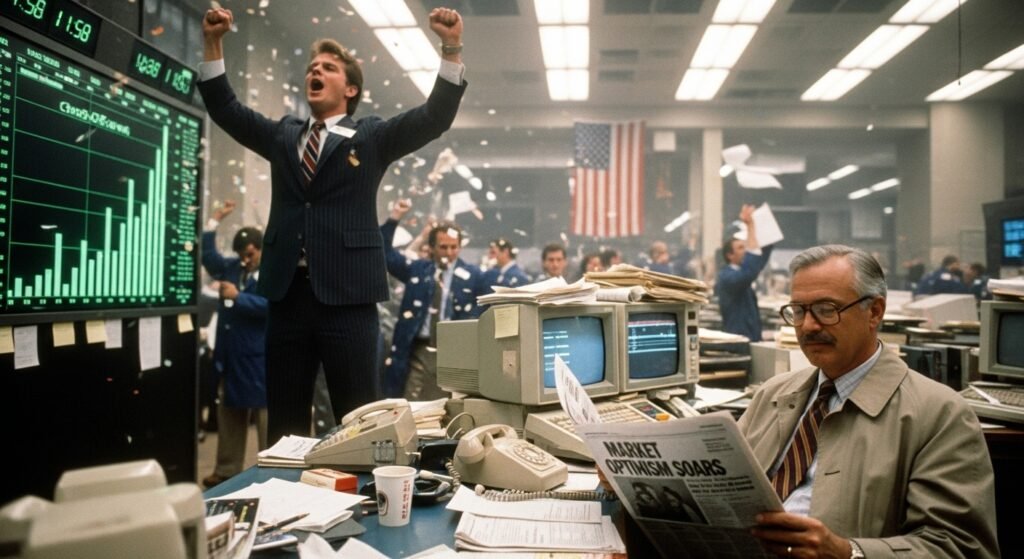
Throughout early 1987, stock prices had been climbing steadily. Many investors believed the market would continue rising, encouraged by economic growth and strong corporate earnings. This widespread optimism quietly increased risk across portfolios and financial institutions.
Growing Concerns About Valuations

As the year progressed, some analysts warned that stock prices were climbing faster than company profits. These concerns led cautious investors to question whether the market had become overheated and vulnerable to sudden corrections.
Global Markets Begin Showing Weakness

In the days before the crash, several international markets started declining. Losses in Asia and Europe signaled growing nervousness among investors worldwide. These early drops added pressure on Wall Street as trading opened.
Heavy Selling Pressure Builds
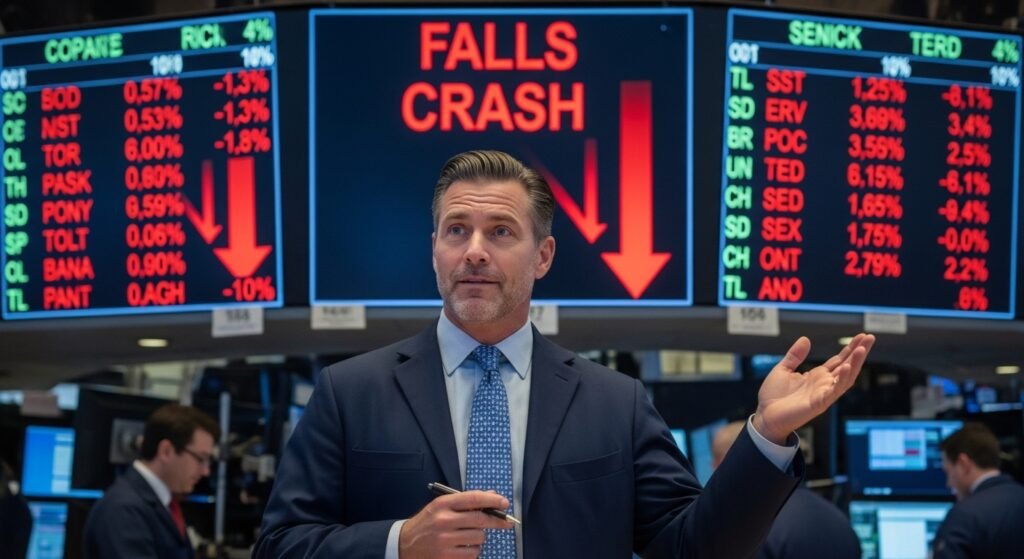
Large institutional investors began selling stocks to protect their positions. As selling intensified, prices started falling faster. The rapid pace made it difficult for traders to find buyers willing to step in.
Program Trading Accelerates the Decline

Computer-driven trading strategies automatically triggered additional selling once markets dropped to certain levels. This process, known as program trading, caused waves of rapid transactions that pushed prices lower throughout the day.
Black Monday Strikes Wall Street
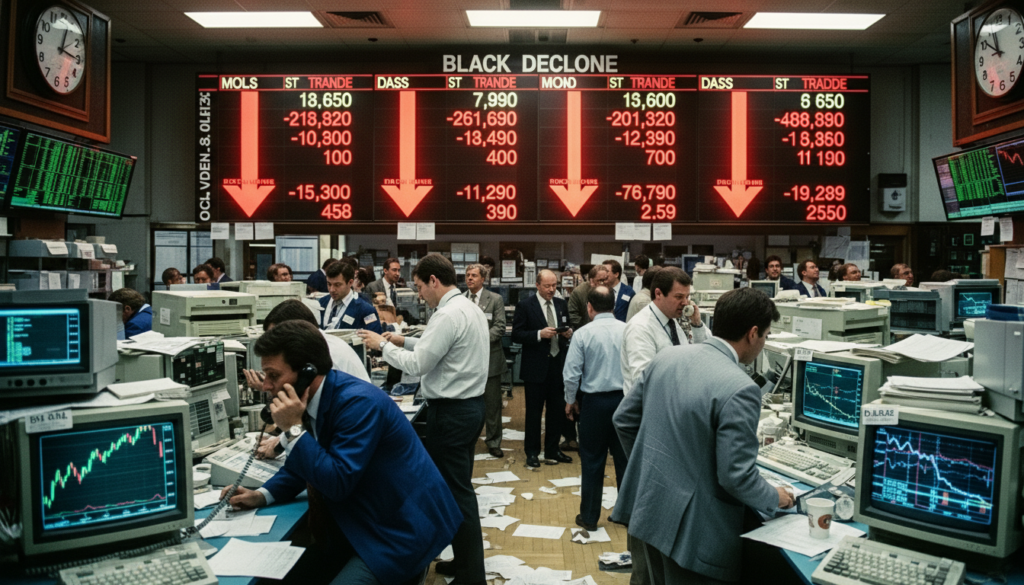
On October 19, 1987, the market experienced its steepest single-day percentage decline in modern history. Major indexes dropped sharply within hours, leaving traders stunned by the speed and scale of losses.
Communication Breakdowns on the Trading Floor

During the panic, trading systems struggled to keep up with the surge of orders. Phone lines jammed, price updates lagged, and brokers faced difficulty processing trades, creating confusion across financial markets.
Investor Fear Spreads Quickly

As prices continued falling, fear spread among individual investors and institutions alike. Many rushed to sell holdings to avoid deeper losses, adding further downward pressure on already fragile markets.
Global Ripple Effects
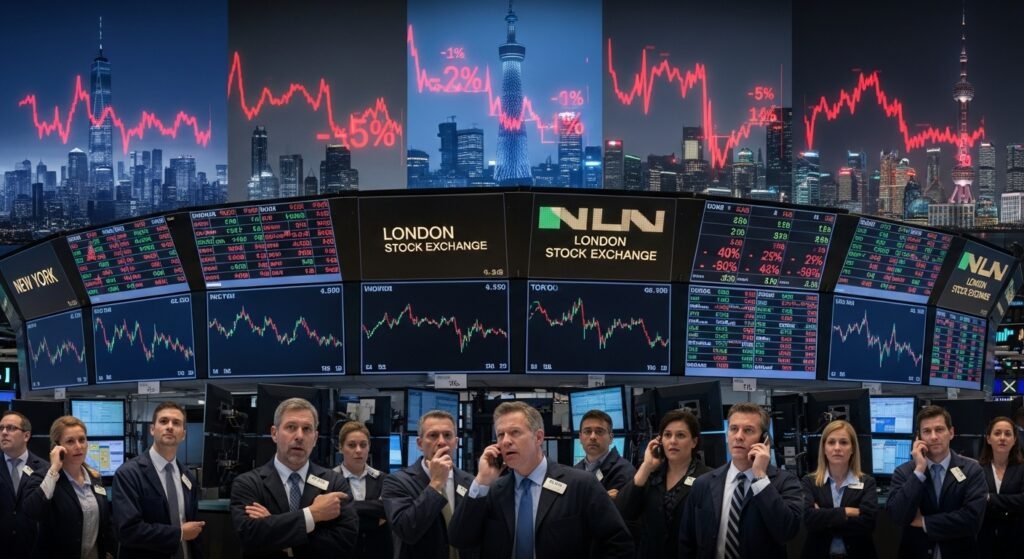
The shock was not limited to the United States. Markets across Europe, Asia, and other regions also experienced sharp declines. The event highlighted how interconnected financial systems had become.
Central Banks Move to Stabilize Markets
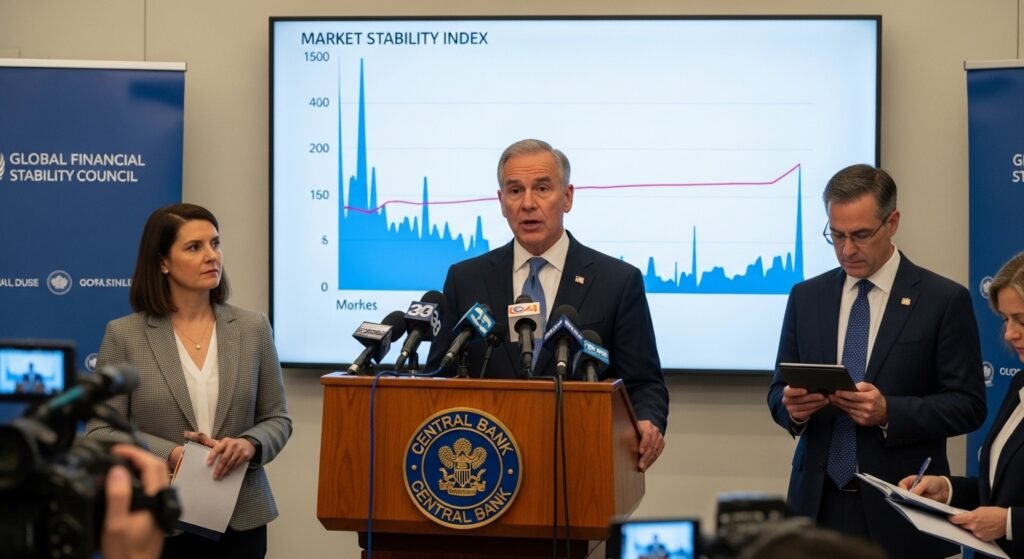
In the days following the crash, financial authorities reassured investors that the banking system remained stable. Liquidity support and calming public statements helped restore a degree of confidence.
Lasting Reforms in Market Structure
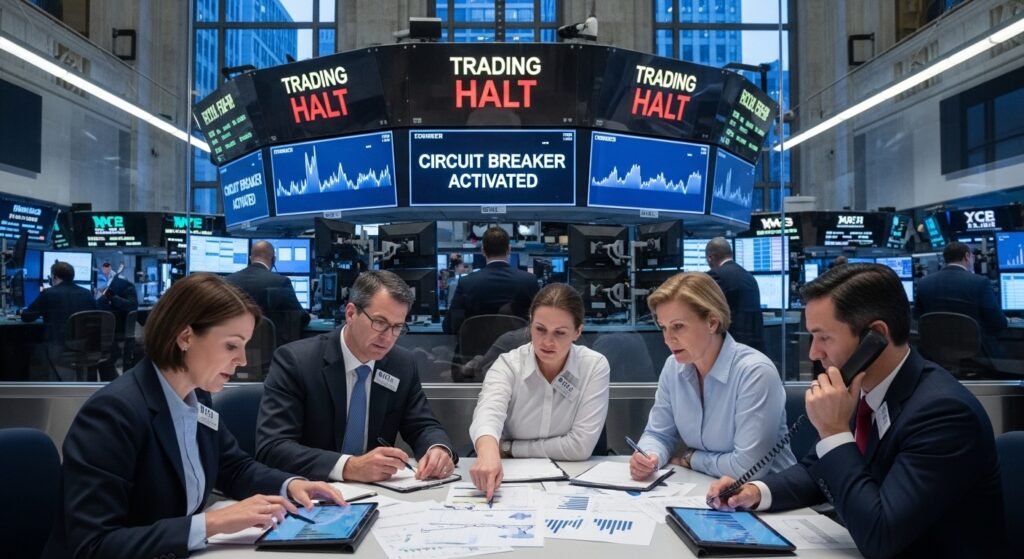
After the crisis, regulators introduced safeguards such as trading pauses and circuit breakers. These measures were designed to slow extreme price swings and provide investors time to evaluate market conditions.