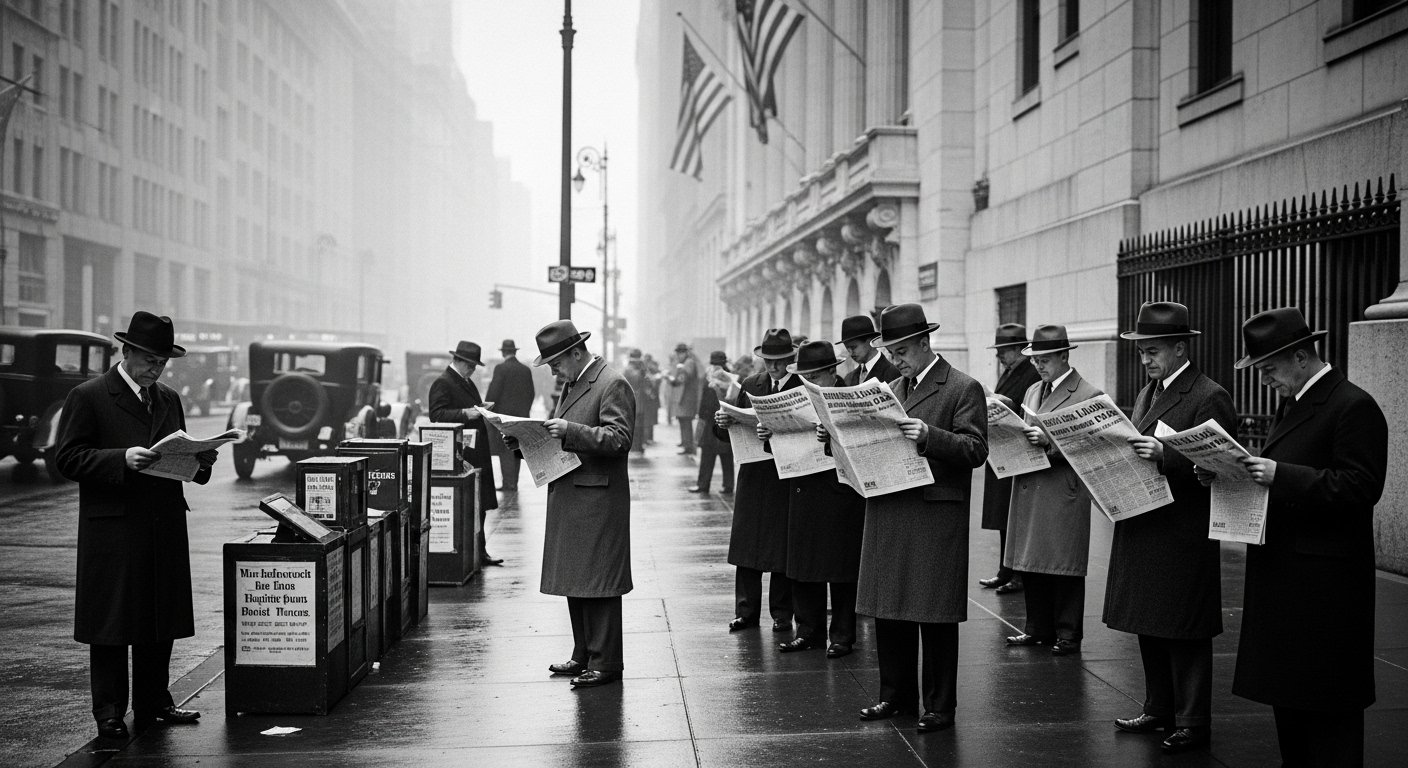
The morning after the historic stock market collapse of 1929 revealed a different side of financial history. What had once been a lively center of trading and ambition suddenly looked uncertain and subdued. Outside the Wall Street and the New York Stock Exchange, crowds gathered not in excitement but in silence. The shock from the events known as Wall Street Crash of 1929 began reshaping public confidence and the broader economy. That moment soon expanded into what history remembers as the Great Depression. Observers described a city waking up to uncertainty, reflection, and a financial world suddenly changed overnight.
Silent Streets Around the Exchange
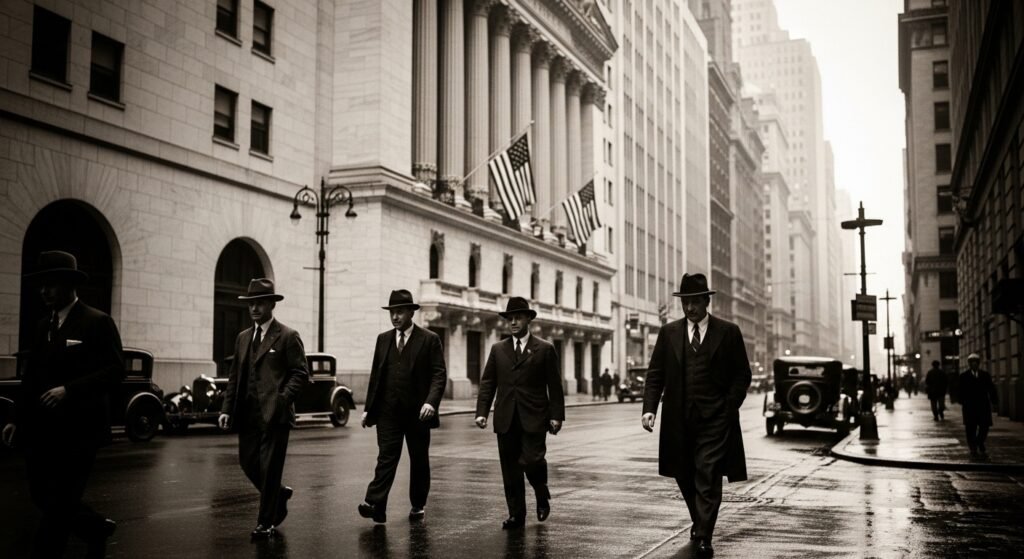
The usually energetic streets near Wall Street appeared unusually calm. Traders, clerks, and investors walked slowly toward offices, speaking quietly. The noise of celebration that once followed profitable days had disappeared.
Crowds Gathering for Information
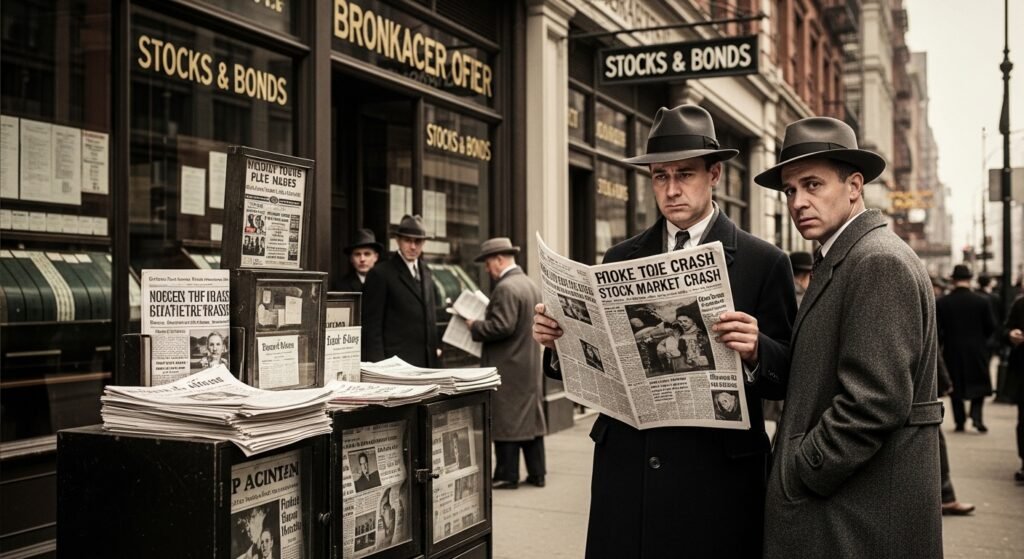
Groups of people stood outside brokerage offices and newspaper stands searching for the latest updates. Many simply wanted clarity. Without modern digital updates, printed headlines and word-of-mouth reports became the primary sources of information.
A Different Mood Inside Offices
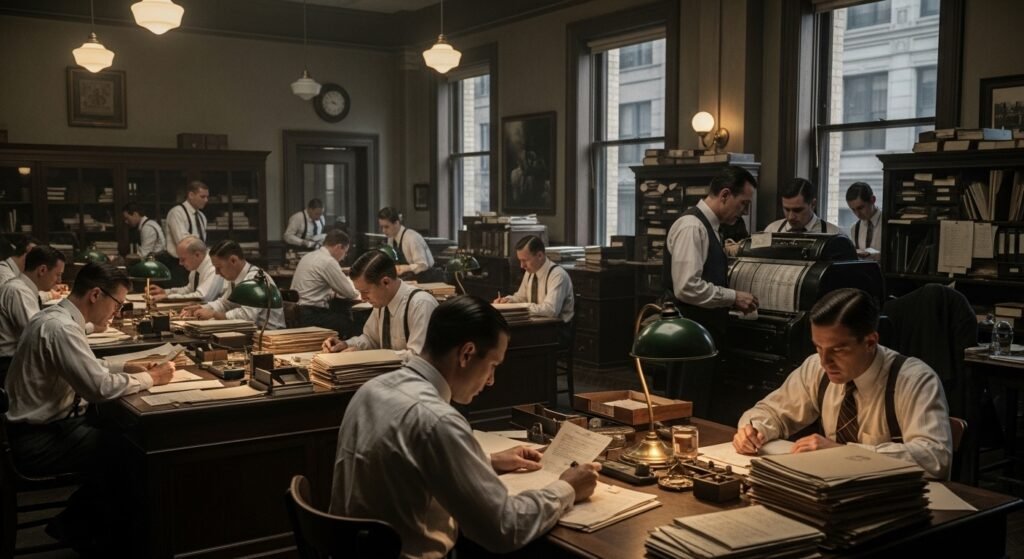
Inside financial offices, the tone shifted from confidence to caution. Employees reviewed account books carefully, discussing losses and uncertain market conditions. Conversations focused on stability rather than speculation, reflecting a dramatic change in outlook.
Newspapers Carrying Sobering Headlines
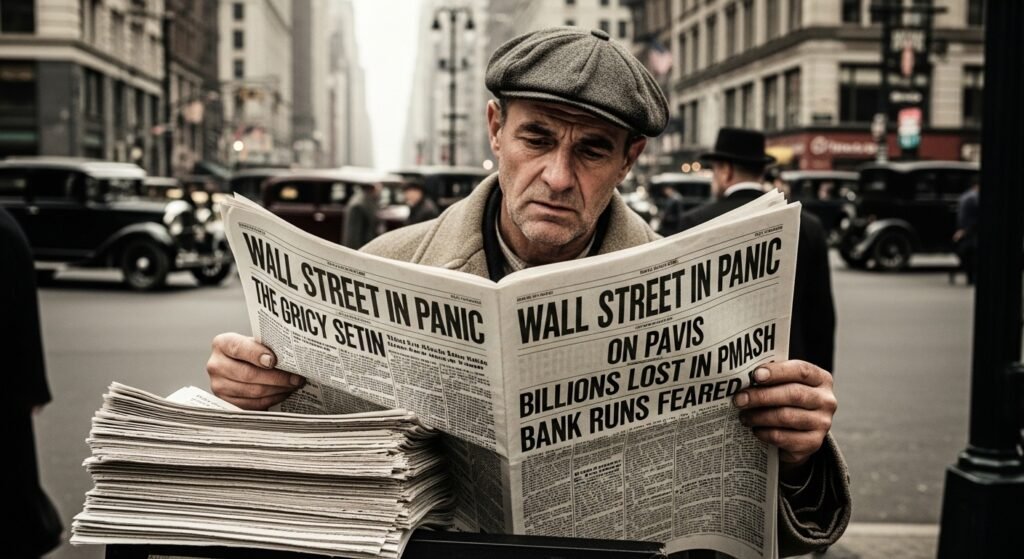
Morning newspapers displayed detailed reports about the previous day’s events. Articles described dramatic price declines and market confusion. Readers studied every line carefully, hoping to understand what the sudden downturn might mean.
Investors Reconsidering Their Plans
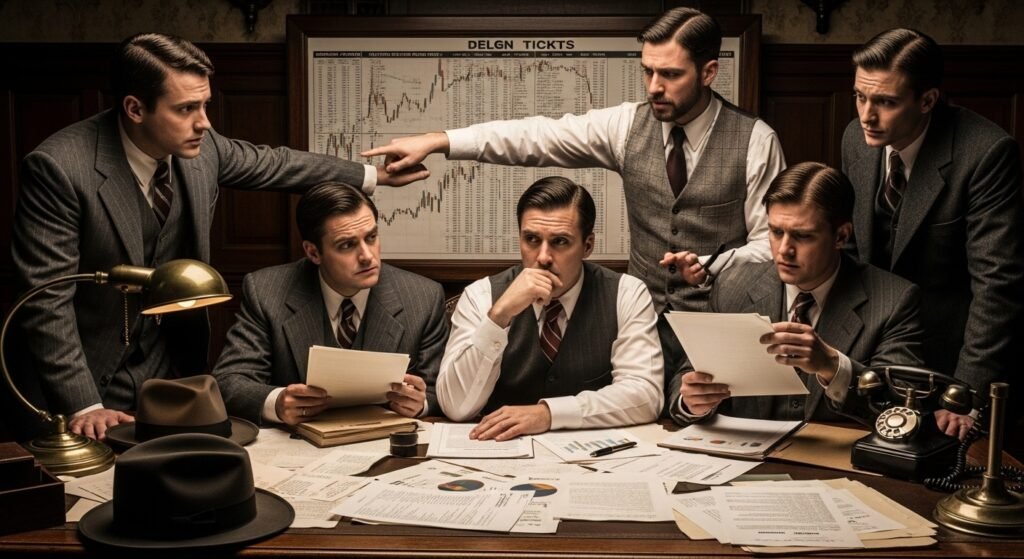
Many investors spent the morning reassessing their financial decisions. Instead of planning new purchases, they discussed how to protect savings. The market’s volatility prompted careful thinking about long-term financial security.
Bank Offices Receiving Visitors
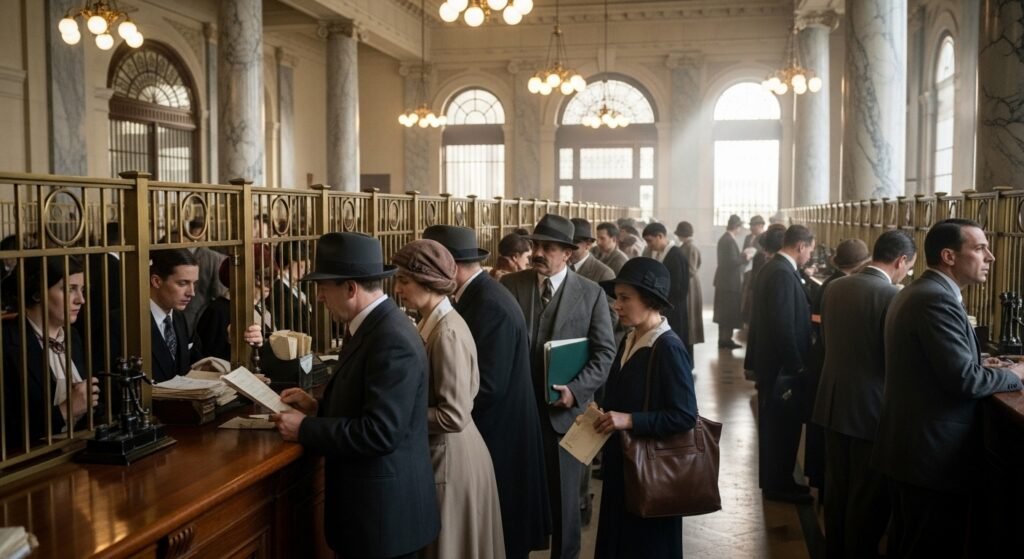
Banks saw steady streams of visitors who wanted reassurance about their deposits and investments. Bank officials worked to maintain calm, explaining procedures and encouraging patience during an uncertain economic moment.
Market Experts Offering Explanations
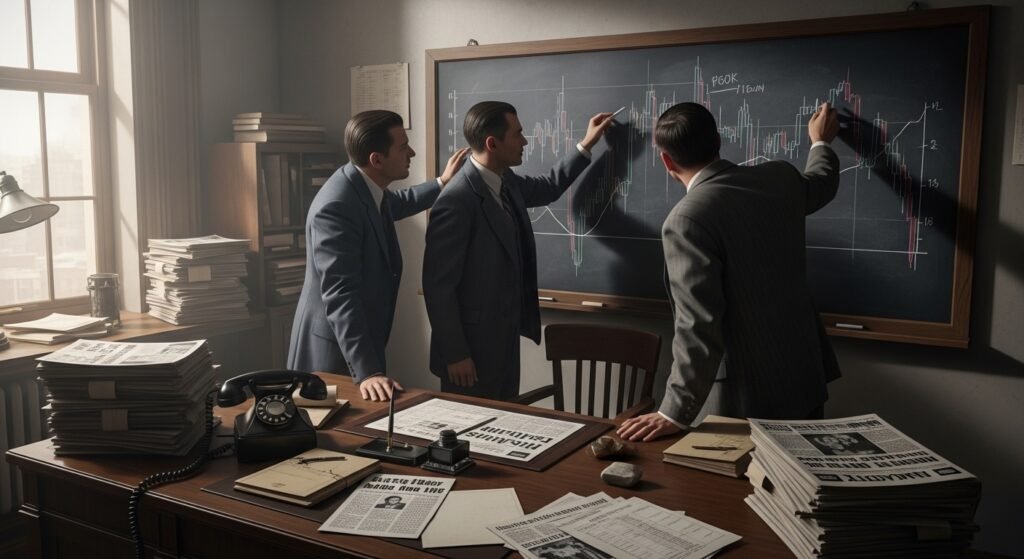
Financial analysts and commentators tried to explain what had happened during the collapse. Some described excessive speculation, while others pointed to broader economic pressures. Their early interpretations shaped public discussion in the following weeks.
A Shift in Public Confidence

The crash affected more than investors. Ordinary citizens who followed the news began to question the stability of financial markets. The morning atmosphere reflected a collective realization that prosperity might not always continue uninterrupted.
Conversations in Cafés and Offices
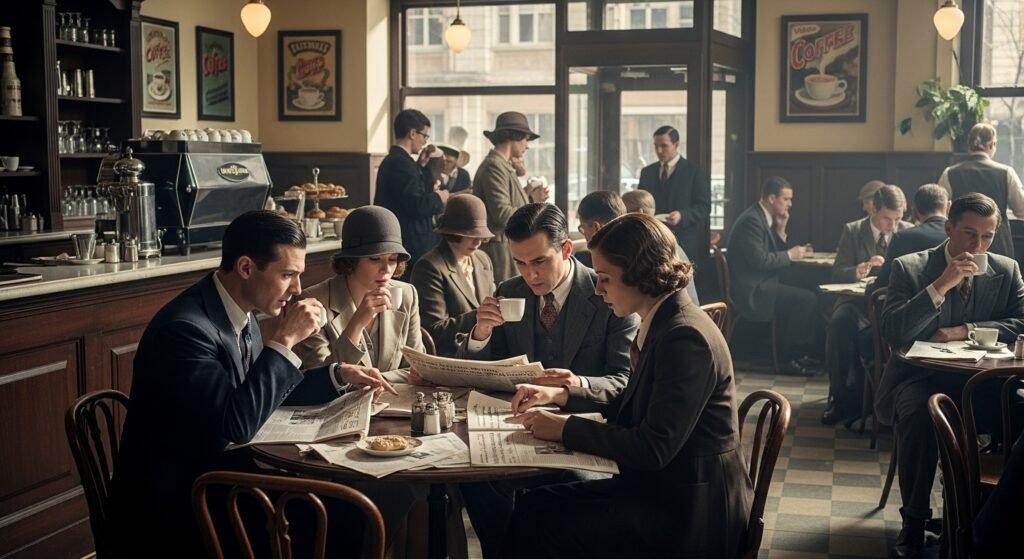
Across New York City, conversations turned toward the stock market and its consequences. Office workers, shop owners, and commuters discussed the news quietly, each trying to interpret how the events might affect everyday life.
Policymakers Watching Closely
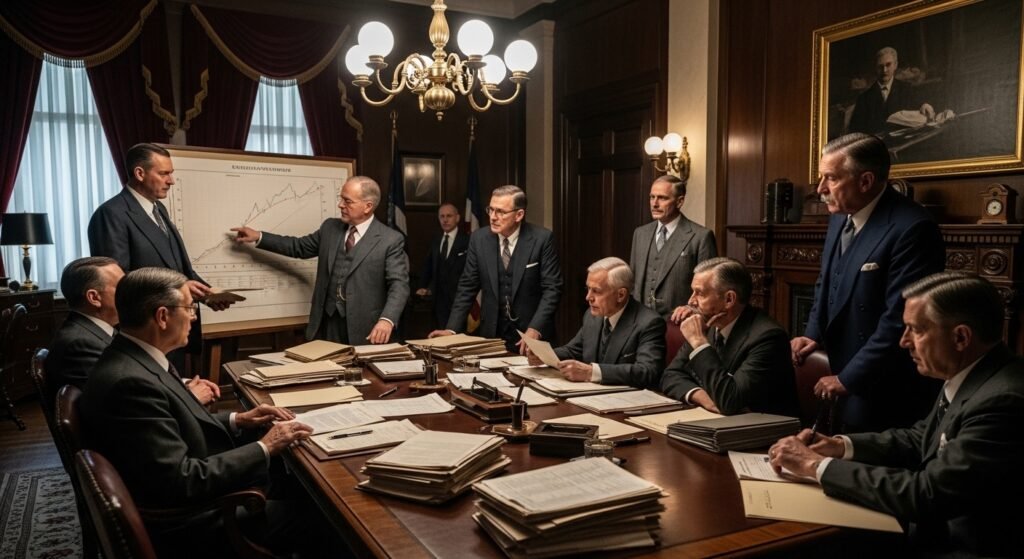
Government officials and financial leaders monitored developments carefully. While immediate solutions were not yet clear, the scale of the market collapse encouraged early discussions about regulation and economic safeguards.
The Beginning of a Historic Turning Point
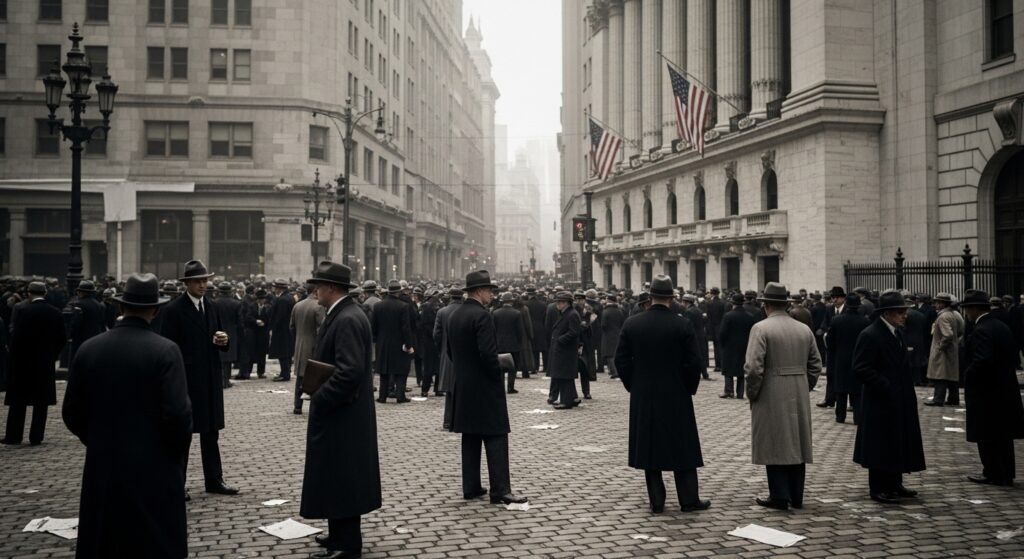
Although the morning seemed calm on the surface, it marked the beginning of a larger economic transformation. The aftermath of the Wall Street Crash of 1929 gradually reshaped financial policies, economic thinking, and the structure of global markets.