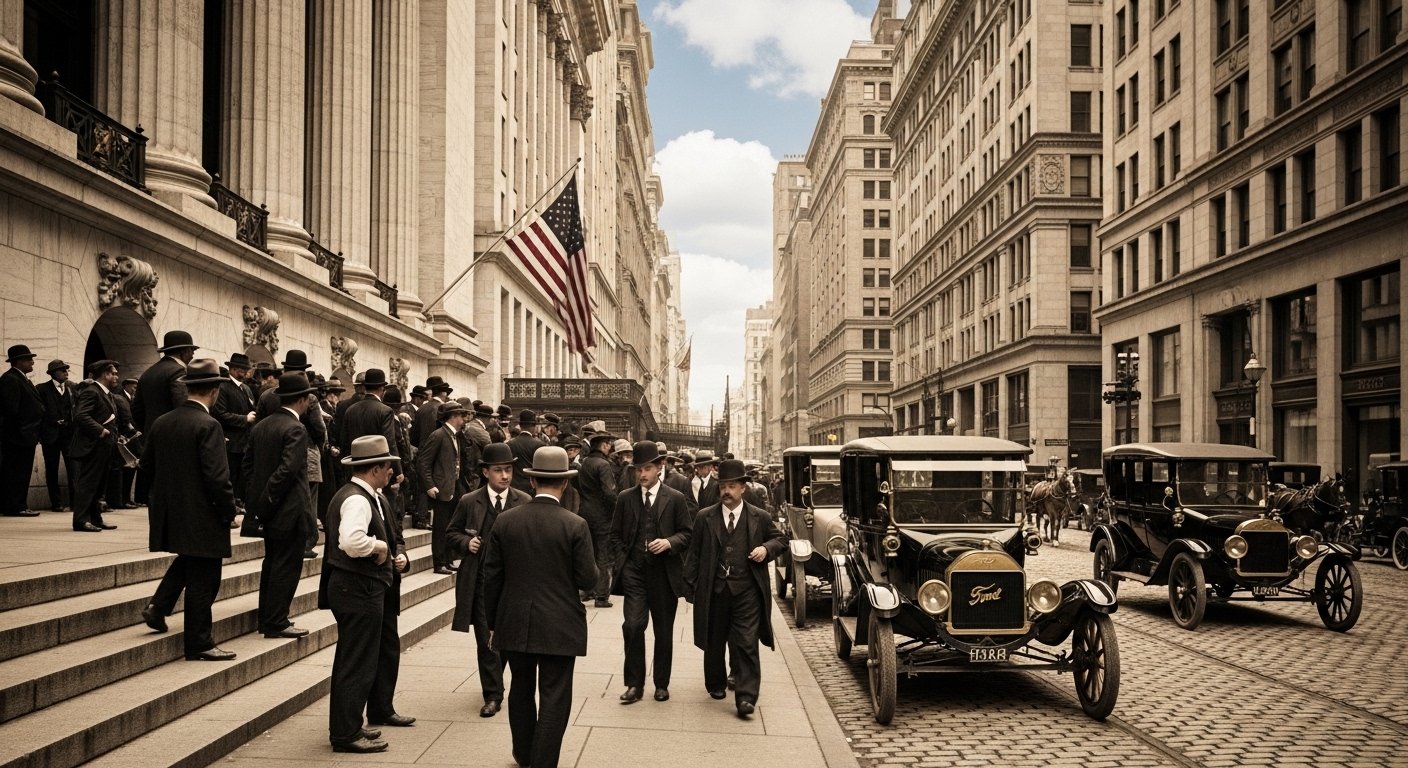
In the summer of 1914, the global economy faced deep uncertainty. Conflict in Europe was spreading quickly, and financial markets around the world reacted with fear. Investors worried that sudden selling by international traders could destabilize the American market. At that time, the New York Stock Exchange was already the center of financial activity in the United States. Leaders believed that keeping the exchange open during extreme uncertainty could trigger panic and damage confidence. As a precaution, an extraordinary decision was made. Trading on the exchange stopped completely. What followed was one of the longest and most unusual pauses in financial market history.
Global Tension Reaches Wall Street
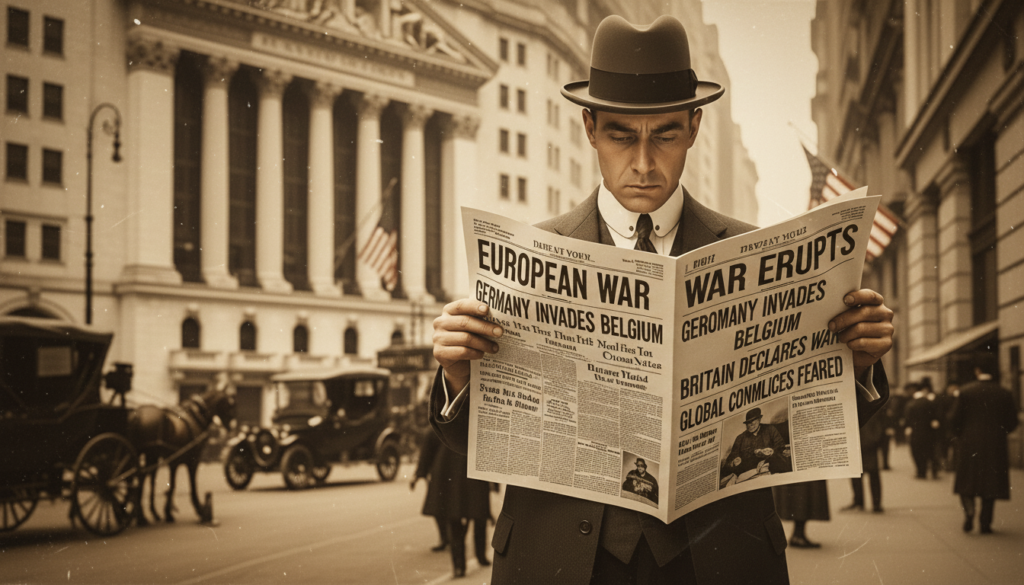
In July 1914, conflict in Europe shook financial confidence. Investors feared heavy selling of American securities by foreign holders. To prevent panic and protect markets, leaders considered an extraordinary step: temporarily closing the exchange today.
A Rare Decision to Close the Market
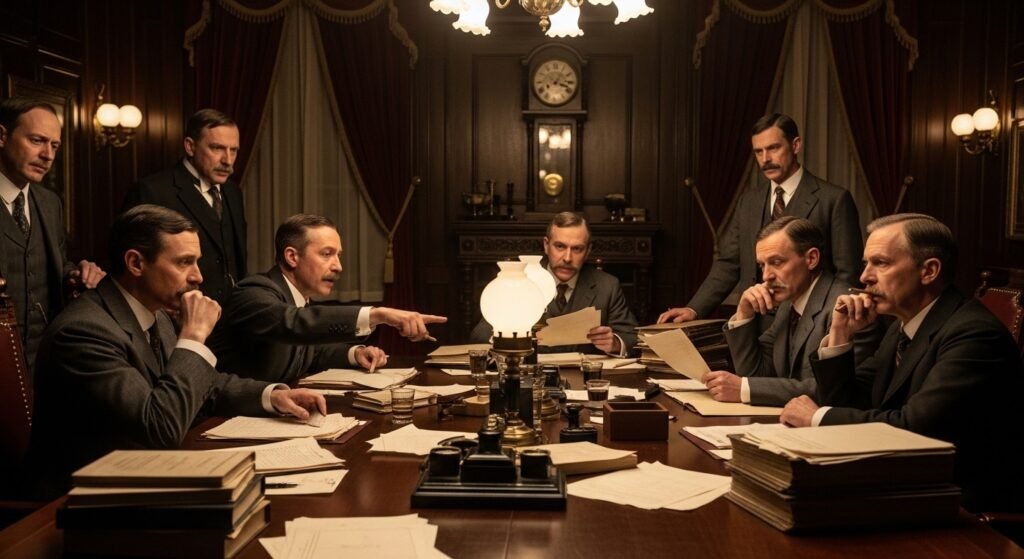
Financial authorities understood that continuous trading during extreme uncertainty could trigger uncontrolled selling. Closing the exchange allowed time to stabilize conditions. It also prevented foreign investors from rapidly converting American investments into cash.
Protecting the U.S. Gold Supply

At the time, international trade relied heavily on gold payments. Large withdrawals of gold worried policymakers. If investors demanded gold quickly, the national financial system could weaken. Closing the market slowed that risk.
Investors Left Waiting
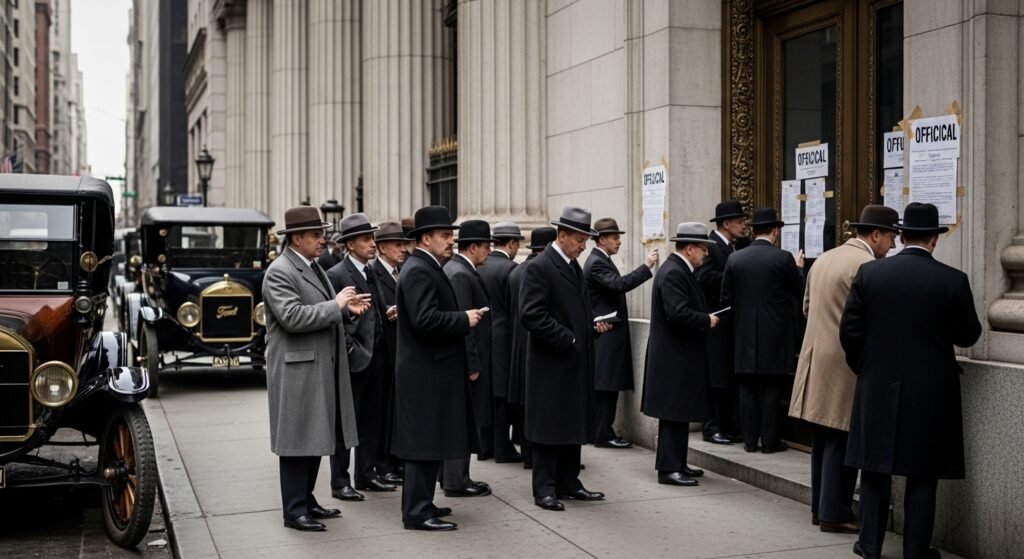
With trading halted, investors could not buy or sell stocks through normal channels. Many individuals and institutions simply waited. News from Europe continued to shape expectations about when normal trading might safely resume.
Businesses Continued Operating
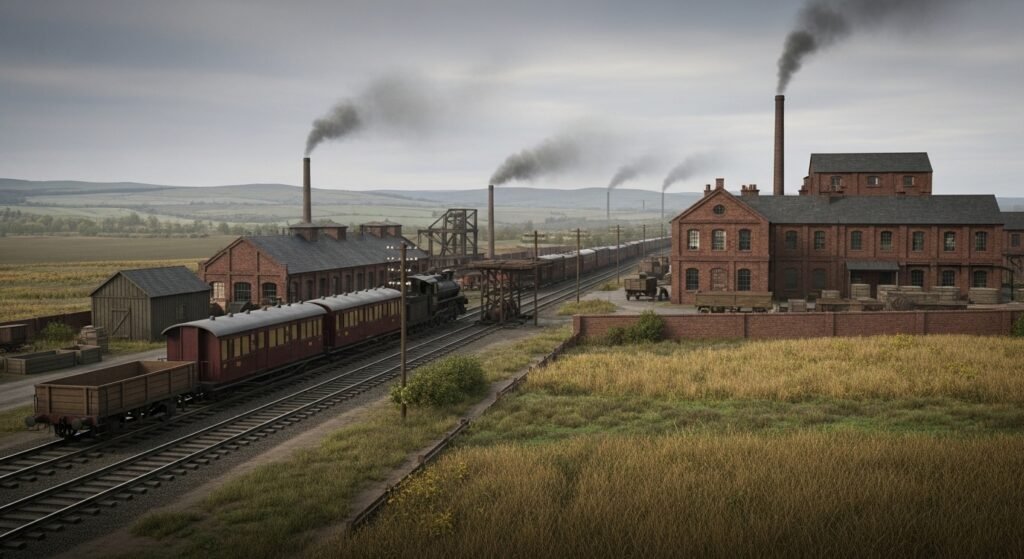
Although the exchange was closed, companies across the United States continued their daily operations. Railroads transported goods, factories produced materials, and farms harvested crops. The broader economy continued moving despite financial uncertainty.
Alternative Markets Appeared
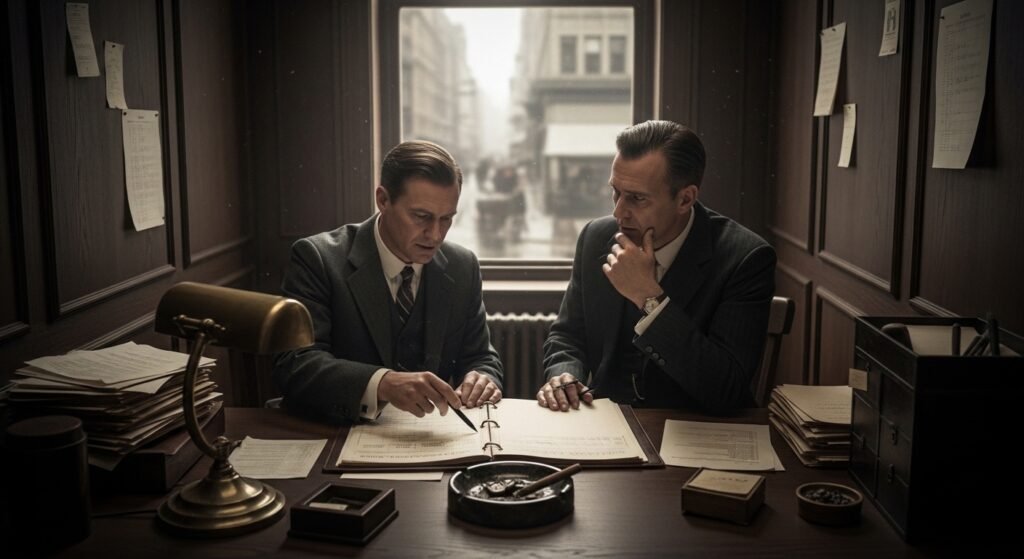
Some limited trading still occurred privately during the closure. Brokers and investors arranged small transactions outside the official exchange structure. These activities remained cautious and limited, reflecting the uncertain financial environment.
Government and Bank Coordination
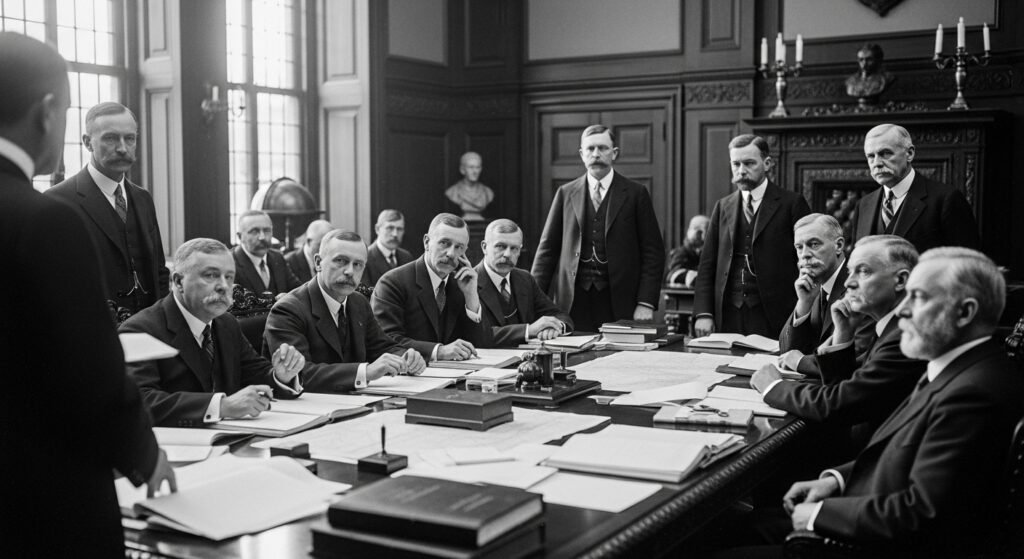
Financial leaders worked closely with banks and policymakers during the shutdown. Their goal was stability rather than speed. Careful coordination helped maintain confidence in the national financial system while global tensions continued.
Gradual Plans for Reopening
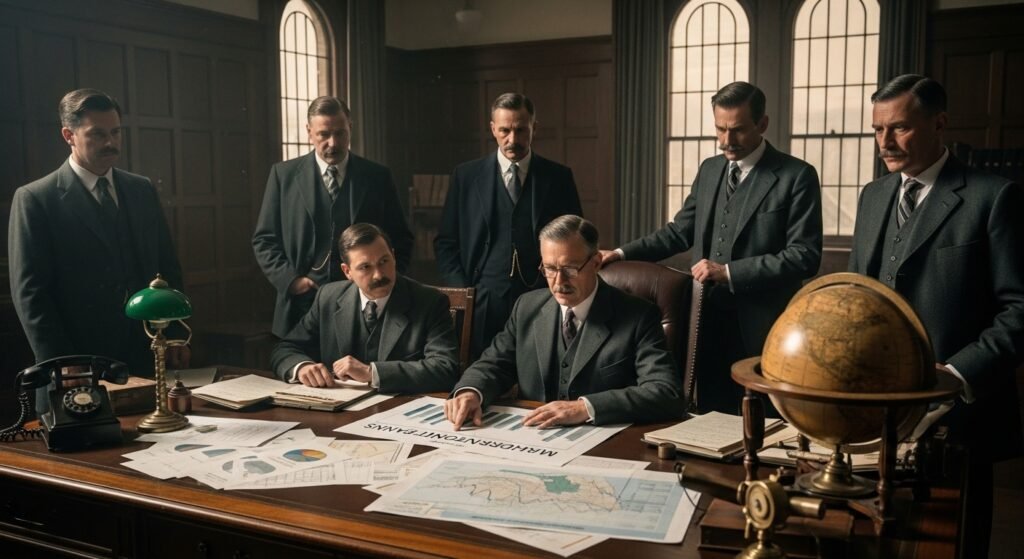
Officials did not reopen the market suddenly. They introduced cautious steps designed to prevent panic selling. Early trading rules limited certain transactions and encouraged orderly activity when the exchange resumed operations.
A Historic Four-Month Pause
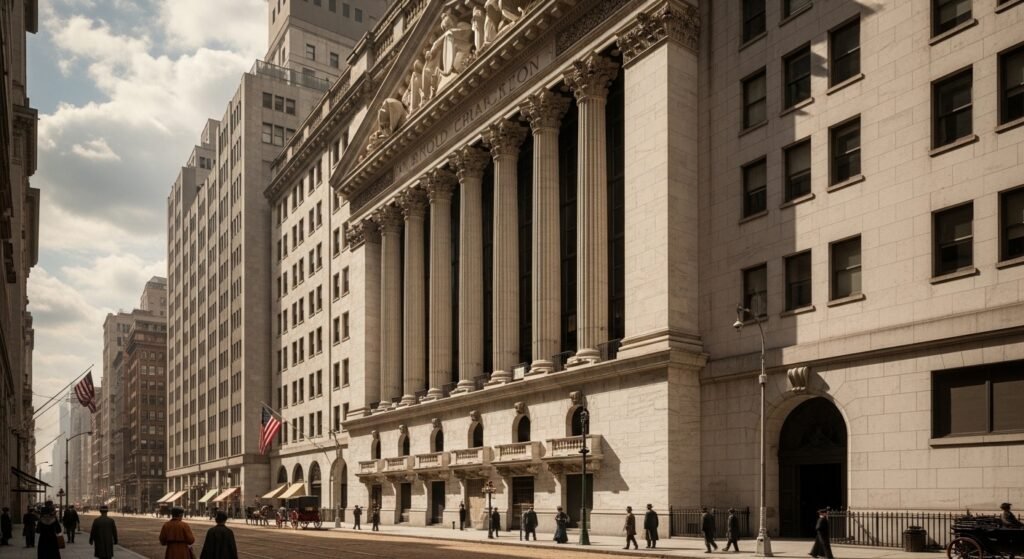
The exchange remained closed from late July until mid-November of 1914. This four-month period became the longest continuous closure in its history, reflecting the extraordinary circumstances surrounding global conflict and financial uncertainty.
Markets Return Carefully
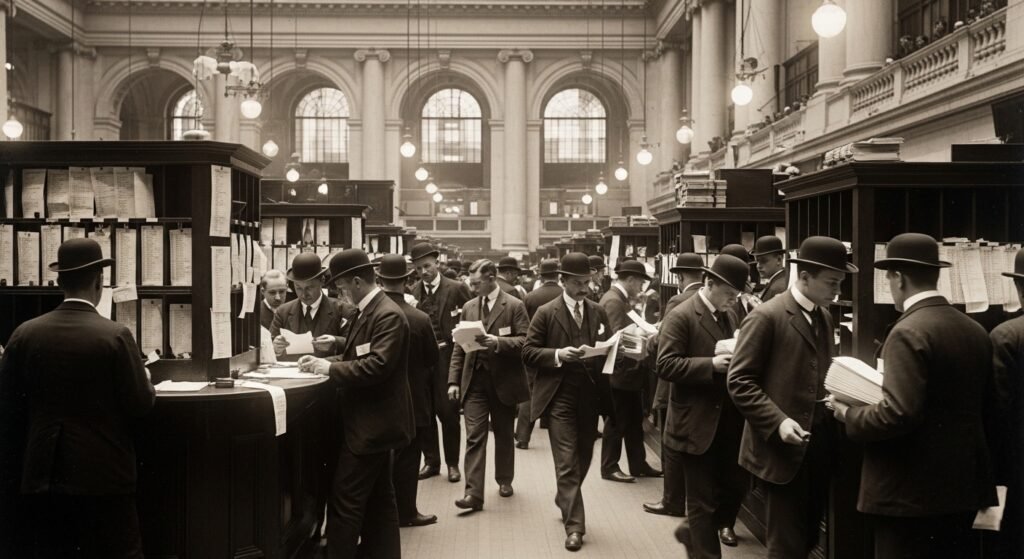
When trading finally resumed, activity started slowly. Restrictions remained in place to prevent sudden price drops. Over time, confidence gradually returned as investors adjusted to new global economic conditions.
Lessons That Still Matter
The 1914 closure demonstrated how financial systems sometimes require extraordinary protection during global crises. It showed the importance of stability, cooperation, and careful planning when markets face sudden international uncertainty.