People used to handle their finances through direct contact before the introduction of digital methods. People needed physical methods to monitor their assets and create future financial plans because they lacked access to mobile applications and immediate money transfers. People developed disciplined financial behavior because they needed to manage every penny which had a specific location while saving money became an obvious daily practice.
The Envelope System

Households would separate their monthly budget by putting cash into specific envelopes that had labels for “Rent” “Groceries” and “Electricity.” People stopped spending money from that category when they ran out of cash in the envelope and the actual spending limit method stopped people from exceeding their budget because they could see their remaining cash.
The “Rainy Day” Jar

The kitchen counter of most homes contained a glass jar which people used to store their excess coins. The total value of those pennies and nickels increased significantly after one year. The practice established a habit for children which demonstrated that permanent financial savings would eventually lead to funding family vacations and purchasing new household equipment.
Passbook Savings Accounts
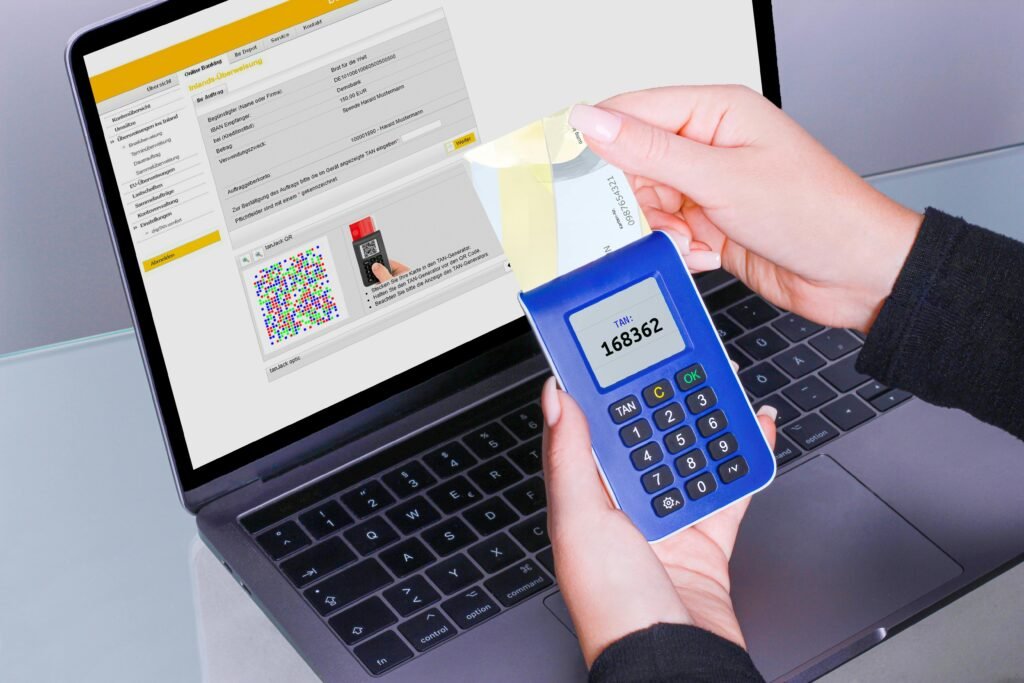
You needed to take a tiny paper booklet to the bank before the online banking system existed. The teller would record your deposit amount and your updated balance in the book by typing it into the system. The ink-stamped numbers expanded through time which provided people with a sense of protection that digital displays could not deliver.
Layaway Plans

You used “layaway” to buy high-priced items such as winter coats and televisions. You made a partial payment to the store which kept your purchased item in storage until you finished paying through weekly cash instalments. You could only bring the item home after paying its entire price which prevented you from going into debt.
Paper Ledger Tracking
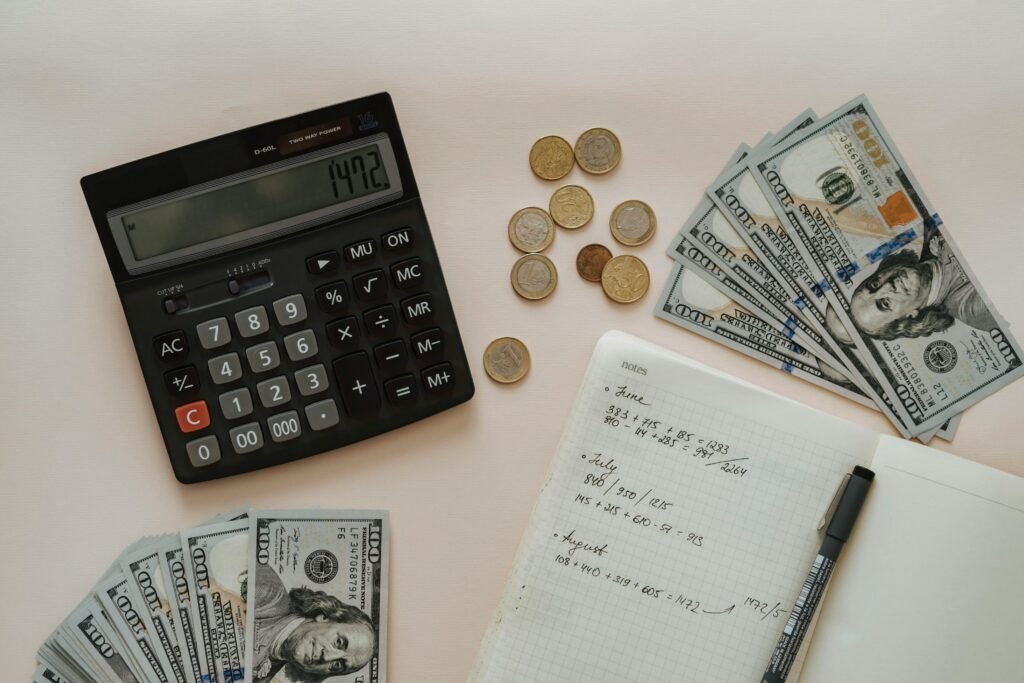
People used manual recording to write down each expense in either a leather-bound ledger or a checkbook register. People needed to track their spending through manual subtraction of each purchased item from their total balance which created a financial burden experience.
Christmas Clubs
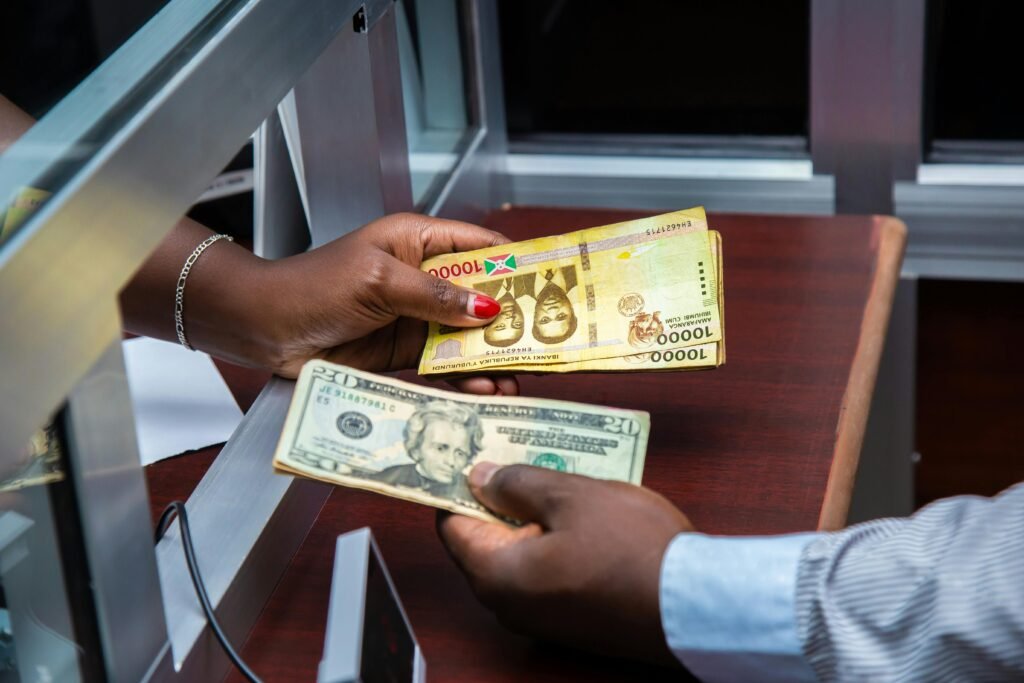
Banks provided special accounts called “Christmas Club” accounts which allowed customers to save money through weekly cash deposits that started in January. The bank would release the full amount in November which provided the family with enough holiday funds to cover gifts without needing to pay January bills.
Physical Bank Runs

People used to cash their paychecks every Friday as a regular practice. Everyone in the bank needed cash withdrawals for the upcoming week which resulted in long bank lines. You were required to create your complete weekly spending plan before the bank closed for the weekend.
Trading Stamps
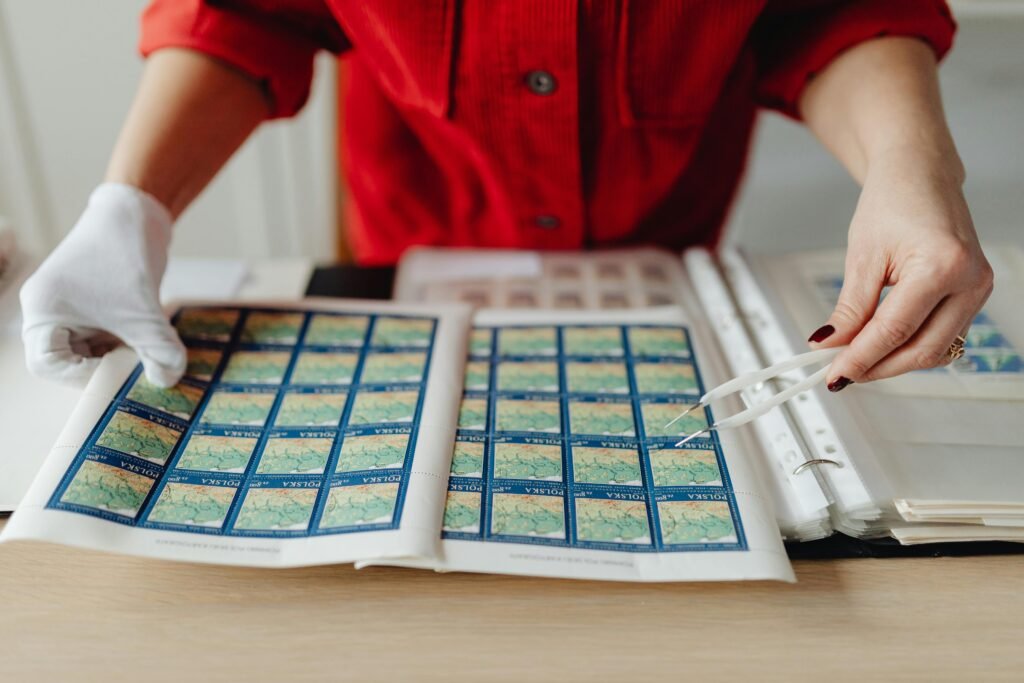
Grocery stores rewarded customers with “S&H Green Stamps” based on their total cash purchases. Customers needed to lick the stamps and then stick them into booklets which they could exchange for everyday items such as toasters or towels because these booklets functioned as an early form of “cash-back” rewards.
Pocket Calendars for Bills

People used to carry tiny calendars in their wallets to record the times when the milkman and newspaper boy would arrive to collect their weekly cash payments. The bill payment process required in-person meetings where people needed to bring the exact payment amount to their door.
The “Secret” Stash

People created secret cash storage locations in their homes because banks were not always open. The emergency fund functioned as a physical safety net which provided people with protection during unforeseen financial challenges.
Mental Math Mastery

You needed to maintain a running total of your purchases in your mind to prevent yourself from reaching the checkout with more products than you could afford. The process improved daily math abilities while enabling people to select their purchases with careful thought.