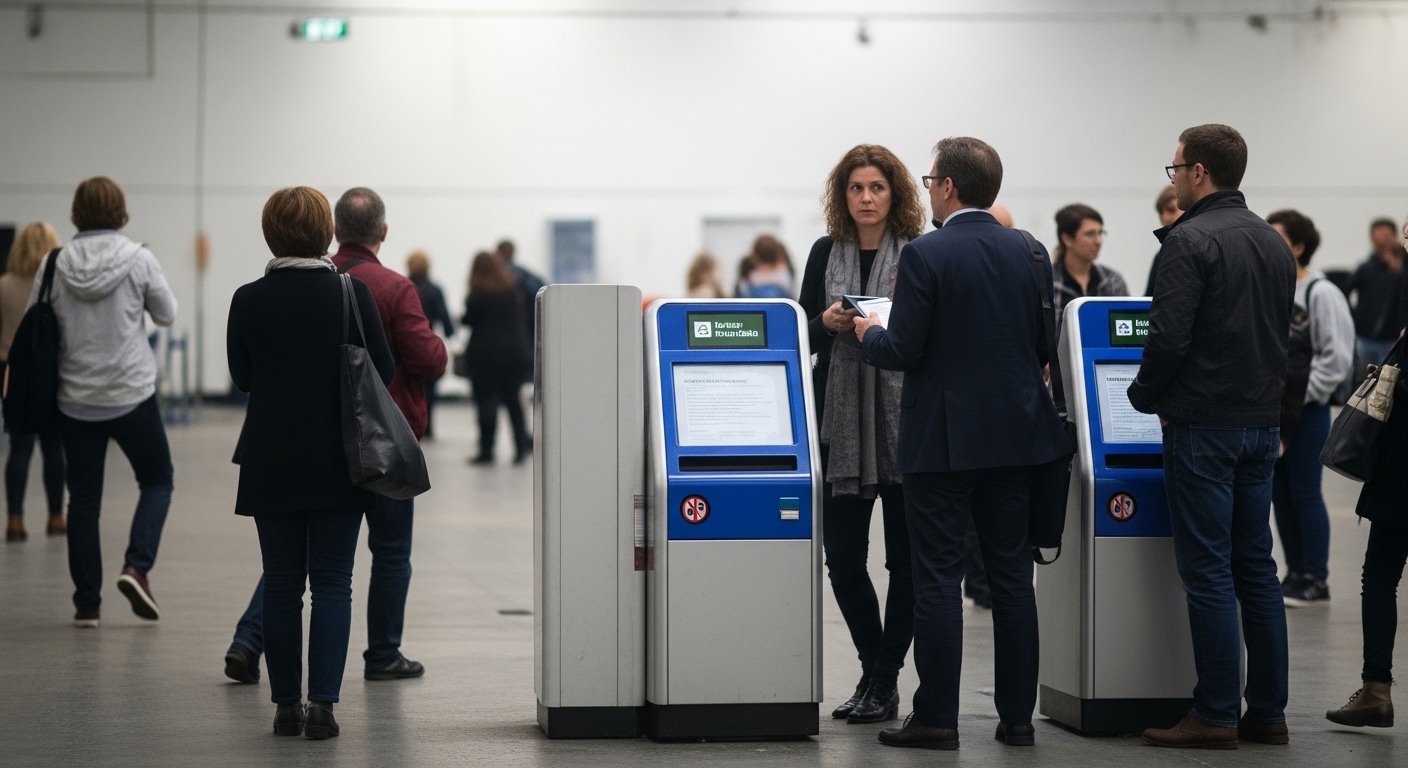
The dramatic collapse of the stock market in 1929 shocked investors across the United States and beyond. Many people had believed the boom of the 1920s would last forever, but the sudden fall revealed how fragile market confidence could be. As prices plunged, investors reacted in different ways some rushed to sell their holdings, while others waited in hope that the market would recover. The emotional and financial impact was intense, shaping how individuals thought about risk, wealth, and long-term planning. These reactions offer valuable lessons about human behavior during financial uncertainty and show how people respond when markets experience unexpected and severe decline.
Panic Selling

As stock prices dropped sharply, many investors rushed to sell their shares in fear of losing everything. This widespread panic accelerated the decline, pushing prices even lower as thousands tried to exit the market at once.
Holding Onto Investments

Some investors resisted selling despite the chaos. They believed the market would eventually recover and chose to keep their shares. For these individuals, patience and hope guided their decisions during uncertain and frightening days.
Shock and Disbelief

Many investors initially struggled to accept that the booming market had collapsed. For years, rising prices created confidence that stocks would continue climbing. When values suddenly dropped, disbelief and confusion dominated the early reactions.
Searching for Information

During the crash, investors closely followed newspapers, financial bulletins, and conversations with brokers. People wanted to understand what was happening and whether the decline would continue or stabilize in the coming days.
Attempting to Buy the Dip
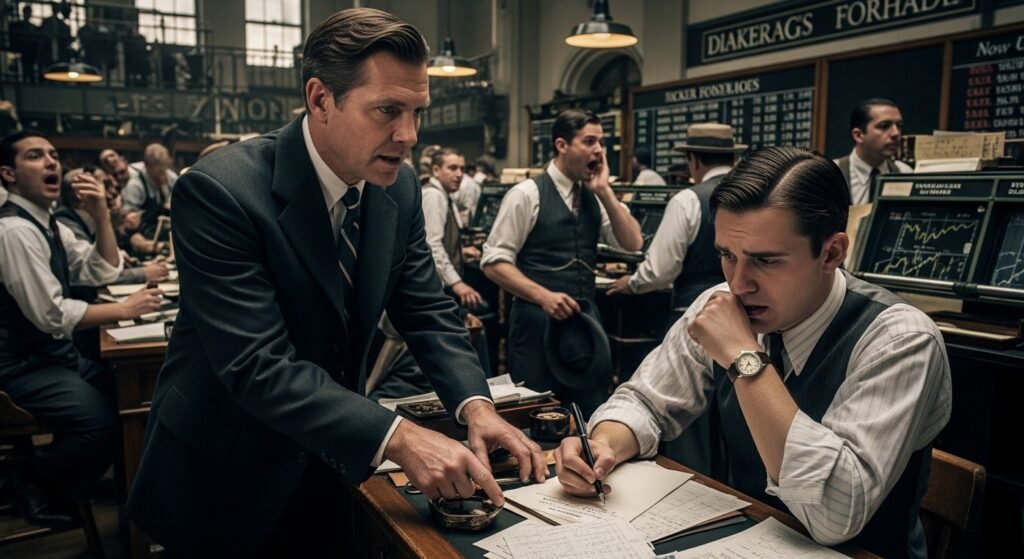
A small group of investors saw falling prices as an opportunity. They purchased shares at lower values, believing the market downturn was temporary and that stocks would regain their earlier strength over time.
Seeking Financial Advice

As uncertainty grew, many investors turned to financial advisors, bankers, and brokers for guidance. They wanted reassurance and strategies to protect their savings while deciding whether to sell or hold their investments.
Moving Money to Safer Assets

Some individuals shifted their funds away from stocks and toward safer options such as bonds or savings accounts. Their priority became protecting remaining wealth rather than pursuing higher returns during volatile conditions.
Emotional Stress and Anxiety

The rapid loss of wealth created significant emotional pressure. Investors who had committed large portions of their savings to stocks faced sleepless nights and deep worry about their financial futures and family responsibilities.
Learning Hard Lessons About Risk
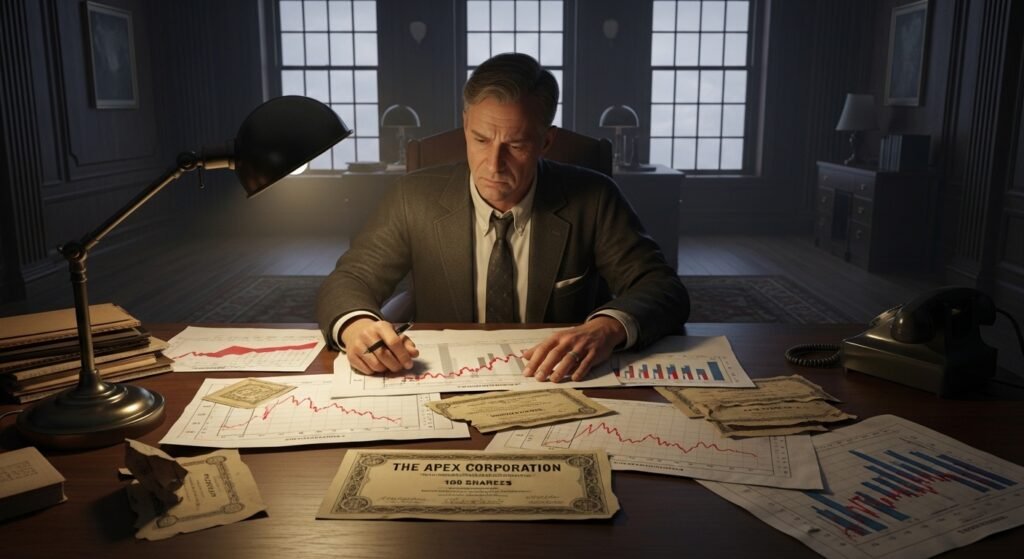
For many investors, the crash highlighted the dangers of speculation and excessive borrowing. People realized that markets could fall quickly and that diversification and careful planning were essential for long-term financial stability.
Rebuilding Financial Strategies

After the initial shock, some investors began reassessing their approach to money management. They focused on cautious investment decisions, saving more consistently, and avoiding the aggressive speculation that had been common before the crash.
Reflecting on the Future of Markets

The experience led investors to rethink how markets function. Many concluded that cycles of growth and decline are natural. This reflection encouraged more disciplined investment habits and a stronger appreciation for long-term planning.