Every now and then a tiny company comes along with a weird idea and just completely flips a giant industry on its head. The wild thing is that most of these disruptors started with like three people, a laptop, and barely any money in the bank. I love these stories because they prove you do not need a Fortune 500 budget to take down a Fortune 500 company. Let us look at ten small startups that quietly grew into giants and made a bunch of established industries panic along the way.
Netflix Killed the Video Rental Store
Netflix began in 1997 as a small mail-order DVD service overlooked while Blockbuster expanded. They offered to sell to Blockbuster for fifty million dollars and were laughed at. Now, Blockbuster has one store left, and Netflix is valued at hundreds of billions.
Airbnb Took on the Entire Hotel Industry

When two penniless designers launched a service to rent out air mattresses in their San Francisco apartment in 2008, the hotel industry thought it was a quirky hobby. Today Airbnb has more rooms available globally than the top five hotel chains put together, and the big hotel players like Marriott have had to start offering home-rental services to keep pace.
Uber Wrecked the Taxi Medallion System
In New York City before Uber started in 2009, it would have cost more than a million dollars to own a taxi medallion because they were in such short supply. Uber basically ignored the entire medallion system, let regular drivers use their own cars, and within a few years those medallions had crashed in value by more than seventy percent.
Spotify Forced the Music Industry to Reinvent Itself
When Spotify launched out of Sweden in 2008, the music industry was in absolute free fall because of piracy, and labels honestly had no idea how to fight back. The streaming model that Spotify pushed eventually became the default way people listen to music globally, and now the recording industry actually makes more money than it did at the height of CD sales.
Tesla Made the Big Automakers Panic
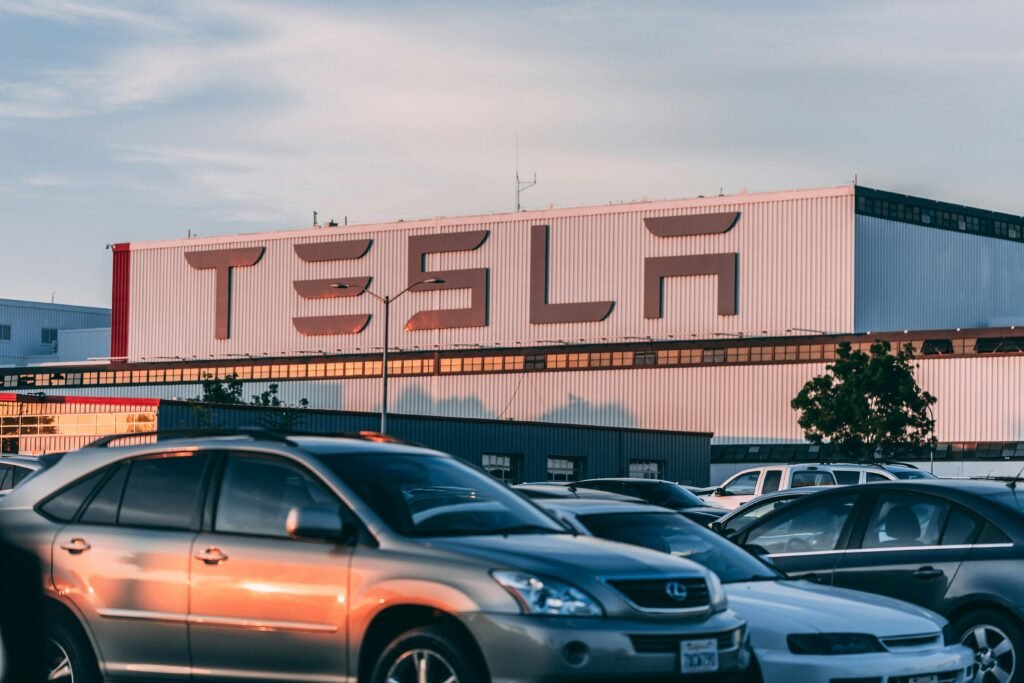
Tesla was a tiny California startup that legacy car companies completely dismissed when it started making electric sports cars in the early 2000s. Today every major automaker from Ford to Volkswagen has scrambled to launch their own electric lineup because they realized way too late that Tesla had actually changed what people expect from a car.
Robinhood Forced Wall Street to Drop Trading Fees
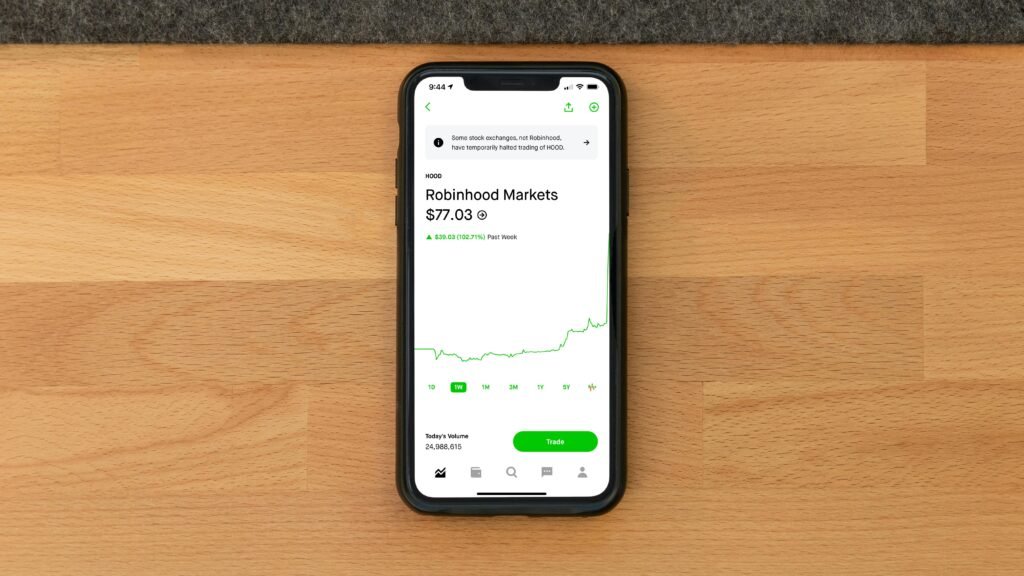
Robinhood launched in 2013 with a totally radical idea of letting regular people trade stocks for free on their phone, which sounded completely impossible at the time. Within a few years, every major brokerage from Charles Schwab to Fidelity had to drop their commission fees down to zero just to compete, and that completely reshaped how millions of Americans invest.
Shopify Gave Small Businesses an Amazon Alternative
Shopify started in 2006 as a tool for one snowboard shop in Canada that just wanted a better online store, and most people figured Amazon would crush any competing platform. Now Shopify powers millions of independent online stores, and a huge chunk of the things you buy online from smaller brands runs through their backend without you ever knowing.
Duolingo Made Expensive Language Software Obsolete
Before Duolingo launched in 2012, learning a new language usually meant dropping hundreds of dollars on Rosetta Stone CDs or signing up for pricey in-person classes. The Pittsburgh startup just made the whole thing free with a friendly green owl mascot, and now they are the most downloaded education app in the world while Rosetta Stone has basically faded into the background.
Beyond Meat and Impossible Foods Shook Up Big Meat
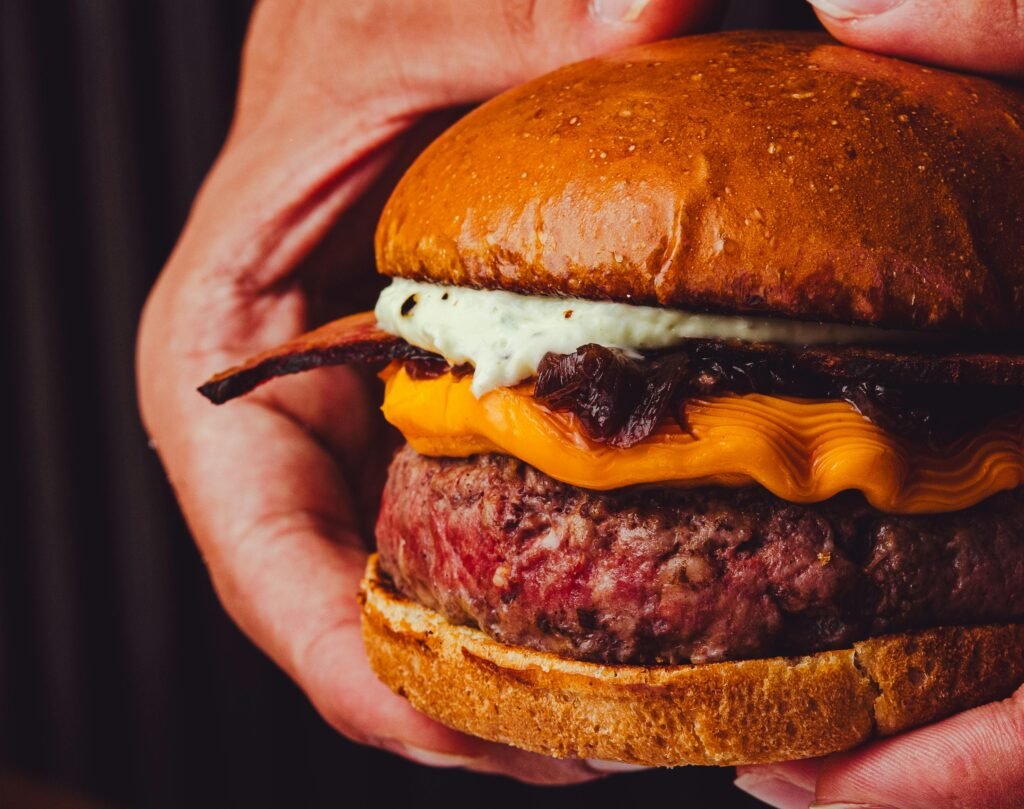
These two small food startups spent years tinkering with plant proteins until they finally cracked a burger that actually tasted close to real beef. Now you can find their products in tens of thousands of grocery stores and fast food chains, and traditional meat companies like Tyson have been forced to launch their own plant-based brands to keep up.
Canva Took Down Adobe for Regular Folks
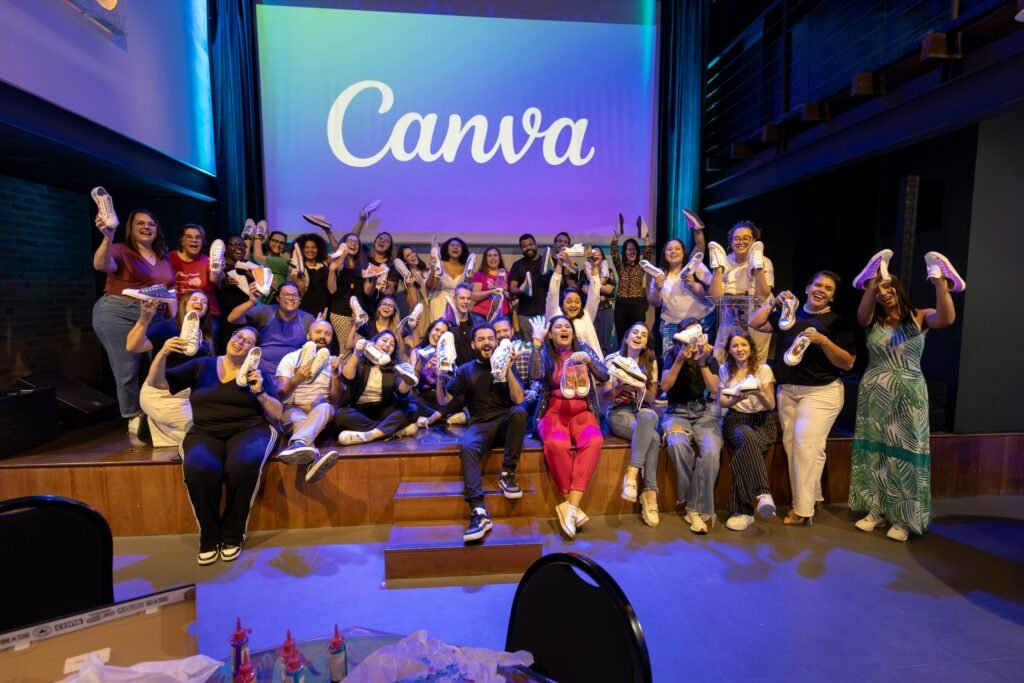
Canva started in Australia in 2013 with the simple idea that not everyone wanting to make a poster should have to learn Photoshop or pay for a Creative Cloud subscription. The company is now used by hundreds of millions of people for design work that used to require expensive Adobe software, and even Adobe has had to launch simpler tools to fight back against them.
What All These Disruptors Have in Common

The pattern across all these stories is honestly pretty wild because every single one of these companies started small while a giant incumbent was looking the other way. They all spotted the same thing, which is a clunky, overpriced, or just plain annoying experience that everyone had quietly accepted as normal, and then they just made it way better.