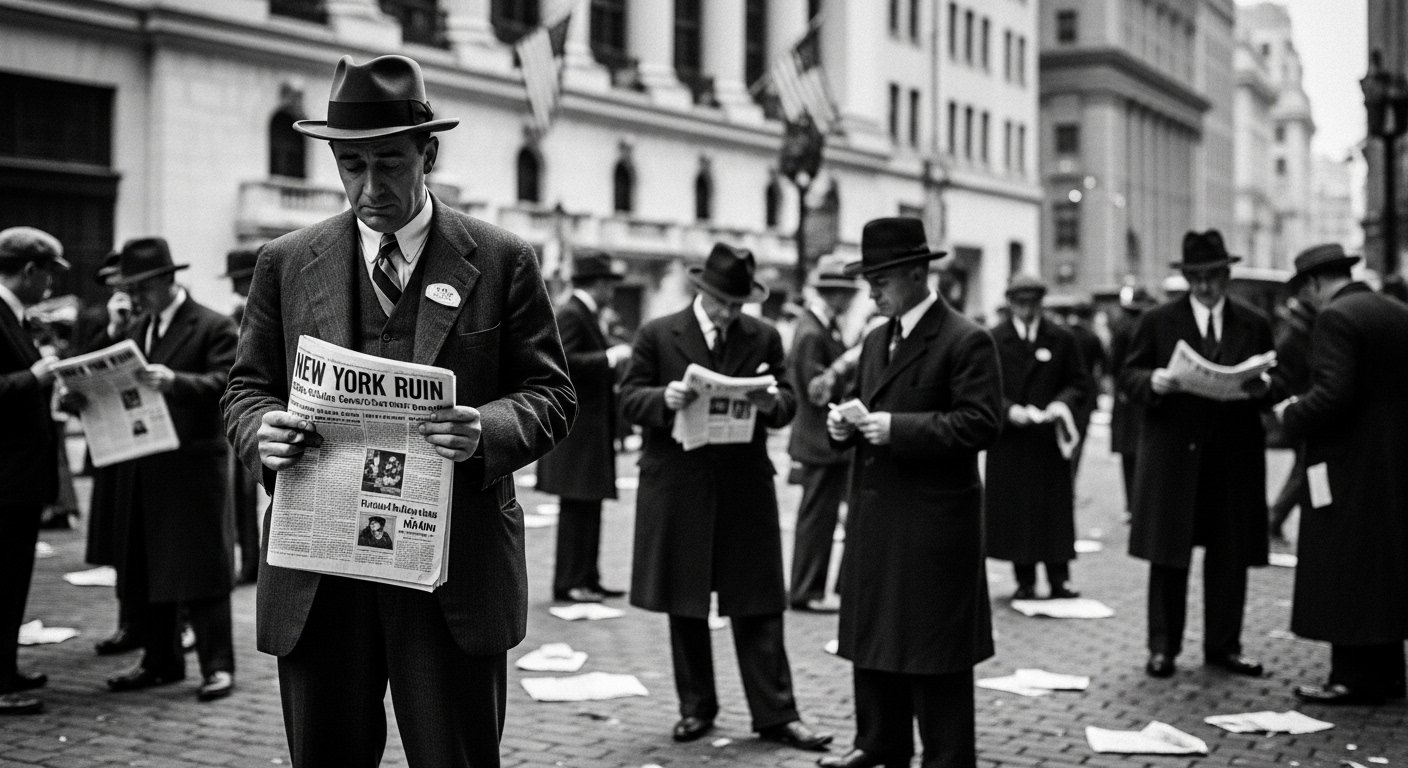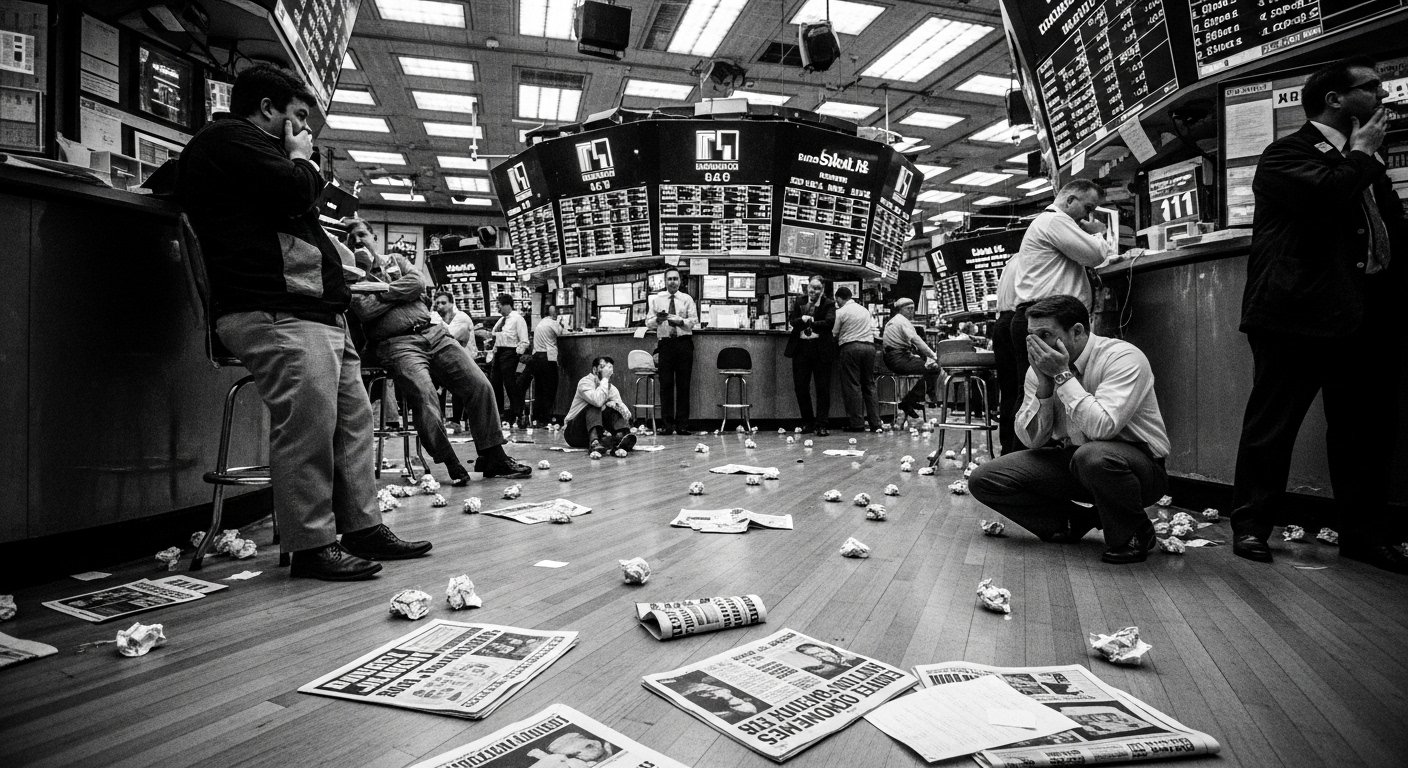
Stock market crashes are not statistical and cannot be described as a statistical event; economic earthquakes devastate confidence, wealth, and entire civilizations. Since the disastrous crash of the 1929 Wall Street meltdown to the rapid selloff of the pandemic in 2020, they all had a cause, their effects, and the lessons learned. These are the most radical market crashes in the extant financial history, which have been studied in all factual clarity.
The 1929 Catastrophe
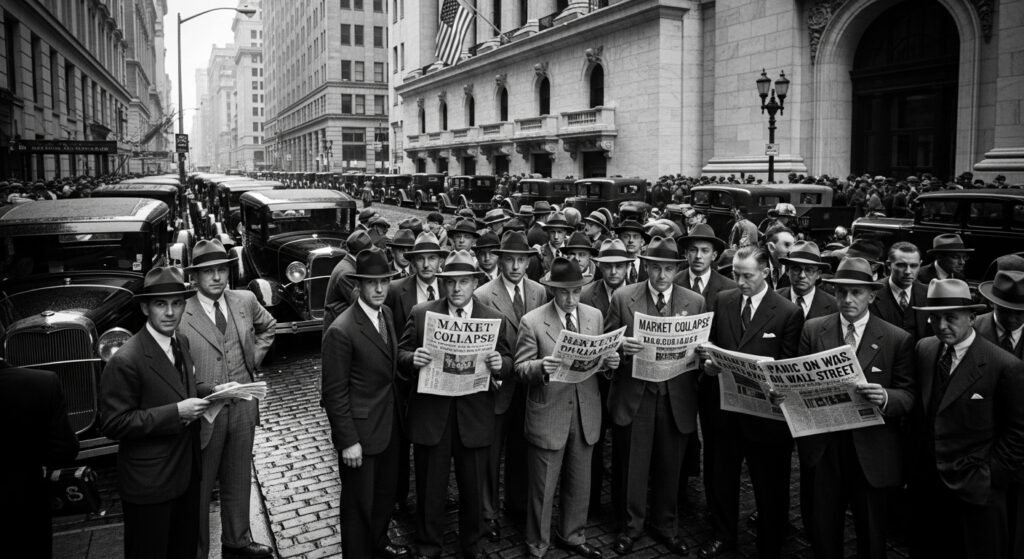
On the crash of October 1929, 5 days before, the Dow had reached a record of 381 points. A public warning of imminent collapse given by investor Roger Babson weeks before was widely scoffed at on Wall Street. His forecast was right on the spot, and the Babson Break got its permanent place in the financial terminology of America.
Black Monday 1987
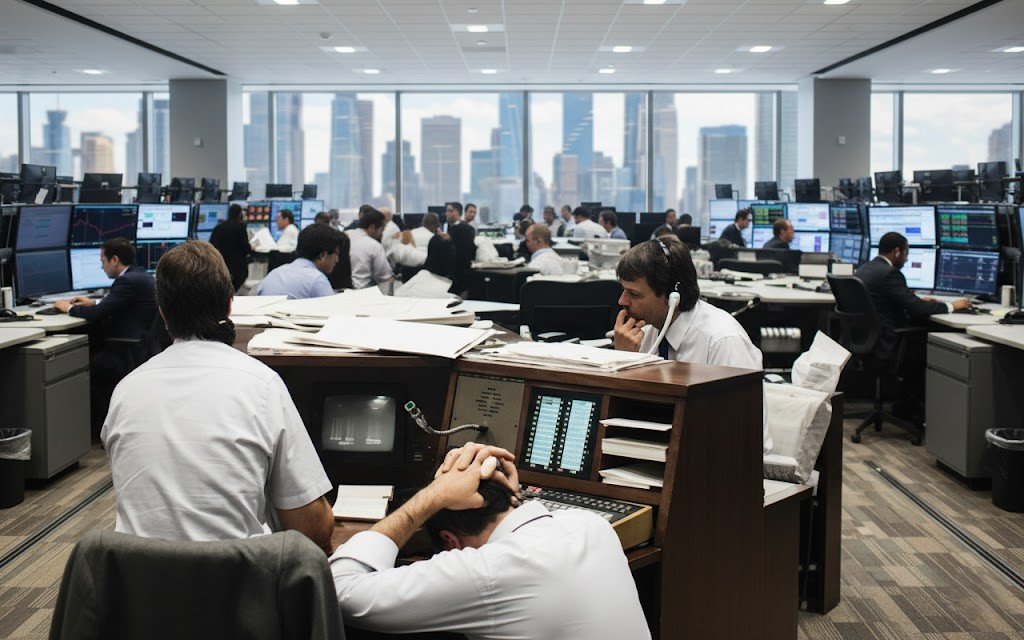
Remarkably, there was no economic stimulus that led to Black Monday of 19th October, 1987. Alan Greenspan, who had just taken over as the head of the Fed 2 months ago, was in charge when the Dow declined by 22.6% in a single session. The instant action that Greenspan took to inject liquidity into the markets was credited with keeping the economy out of a state of complete depression.
The Dot-Com Burst
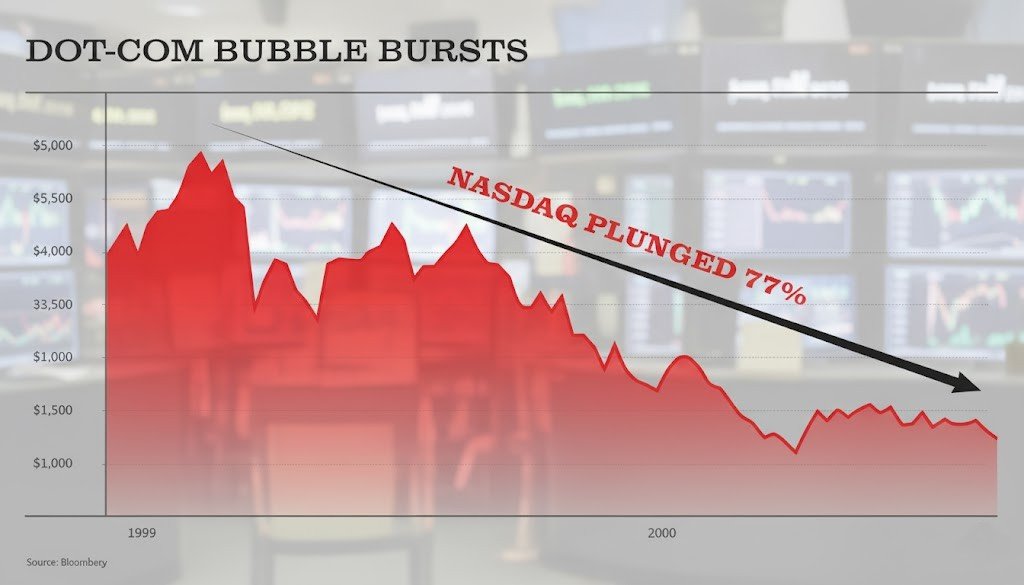
By the height of the NASDAQ bubble in March 2000, the total market valuation of all publicly traded internet firms was greater than the total GDP of Germany. Cisco Systems was the only company that lost market value worth 400 billion in 12 months. It is remarkable that Amazon shares have fallen 93 percent since their high in 1999, and then have traded back to the most powerful retailer in American history.
September 11 Shock
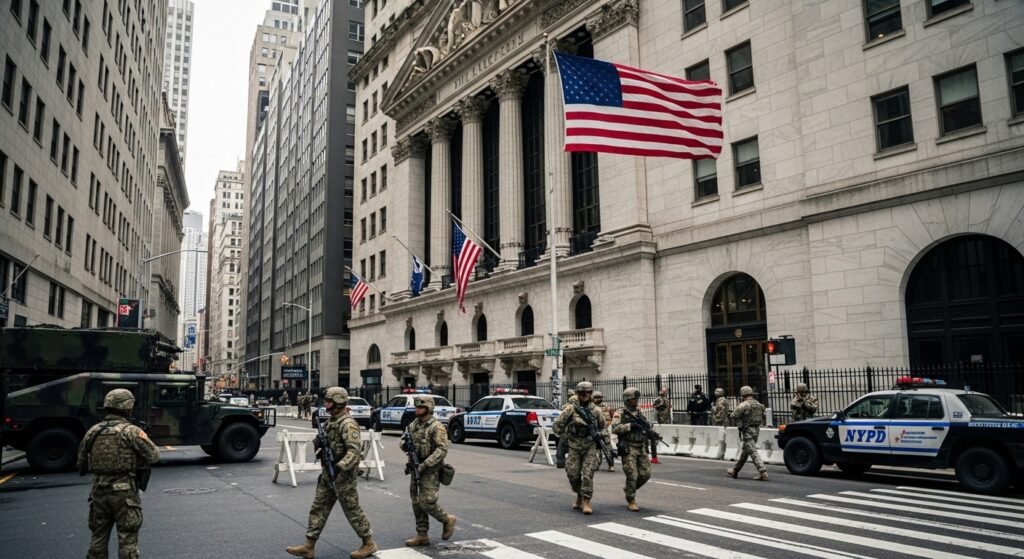
The first time in economic history, when the US markets were reopened on September 17, 2001, the actual floor of the New York Stock Exchange was the subject of active protection by the military in an air patrol. The crisis-friendly ore of gold shot 6% in that week as airlines, insurance companies, nd travel stocks registered their worst weekly performances in terms of gains ever.
The 2008 Collapse
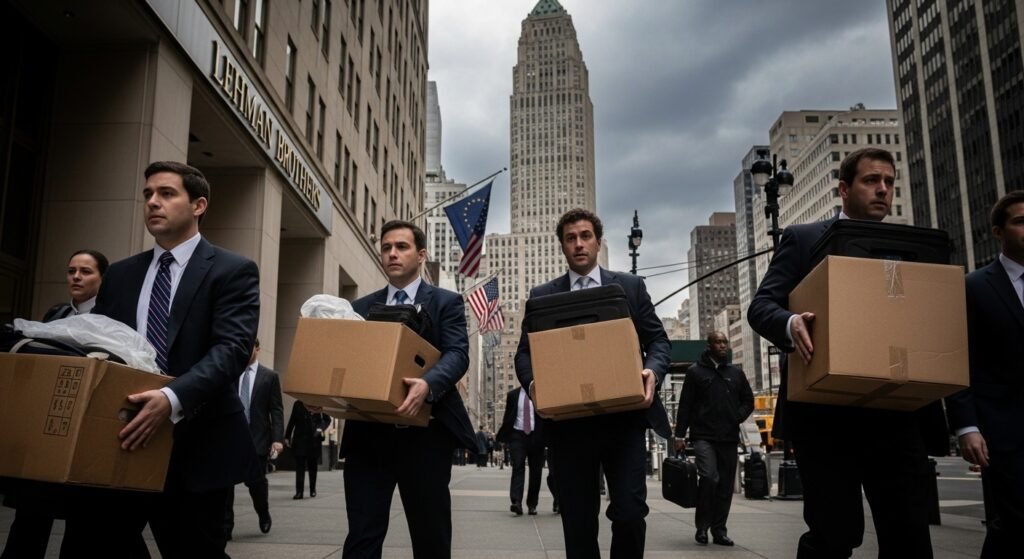
The whole national banking system of Iceland collapsed in three days after Lehman Brothers faced bankruptcy, with Iceland being the first nation since 1976 to request an IMF emergency bailout. In the US, the $62.2 trillion credit default swap market, which has been left mostly unregulated and unknown to most US citizens, further increased the losses on a larger scale than Wall Street itself.
The Flash Crash
On May 6, 2010, the Flash Crash, stocks of US financial leaders such as Accenture were trading down to a single cent per share, and shares of Apple soared to 100000 dollars. Wholesomely, only 36 minutes of the episode were spent. One trader in the United Kingdom, known as Navinder Sara, was later identified to have aided in the event triggering.
The 2015 China Tremor
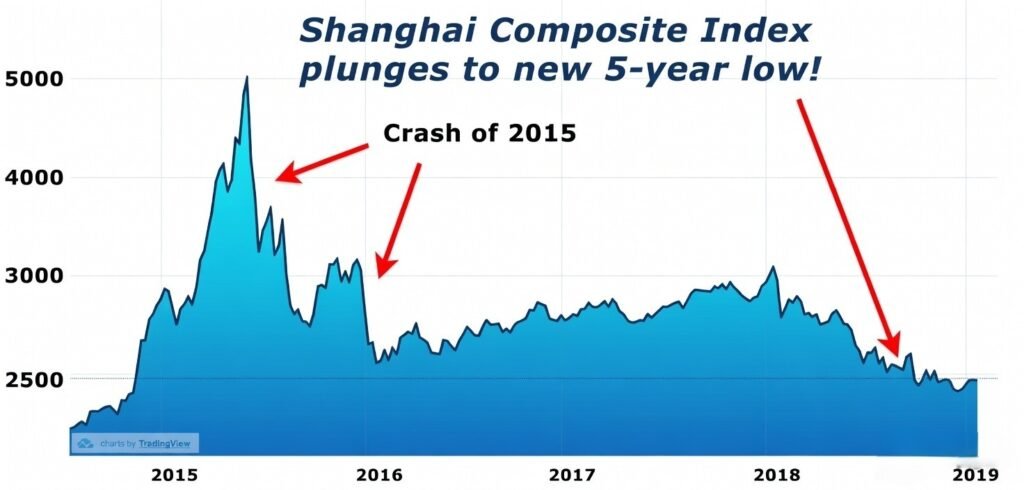
The stock buyback was an unprecedented move by the government in China w, which disclosed that the government-owned funding has been buying local shares directly to support prices artificially. Nevertheless, even with this intervention, the Chinese market valuation of $5 trillion was lost in three weeks, nd it revealed the structural weakness of the second largest economy in the world to the American investors, the first time in history.
COVID Crash 2020

The 34 percent crash of the S and P 500 that happened between February and March 2020 was so fast that trading was brought to a halt on four occasions in a two-week period, which had never happened before in the history of the NYSE. On April 20, 2020, the futures price of oil became negative in the market in the blink of an eye; that is, sellers were asking buyers to take delivery of barrels at a price below zero.
The 2022 Rate Rout
In 2022 alone, the aggregate values of the losses of Meta, Amazon, Apple, Netflix, and Alphabet were more than 4 trillion in market capitalization, which is more than all the GDP of Germany. The seven consecutive hikes in interest rates by the Federal Reserve Chairman Jerome Powell were the most rapid tightening process the US economy has had in a calendar year since 1980.
Lessons Never Forgotten
Following the crash of 1929, congressional hearings revealed that giant Wall Street banks had been selling their own customers worthless securities and privately betting against them at the same time – a direct source of inspiration for the Glass-Steagall Act of 1933, which has separated commercial and investment banking for the next 66 years until its repeal in 1999.