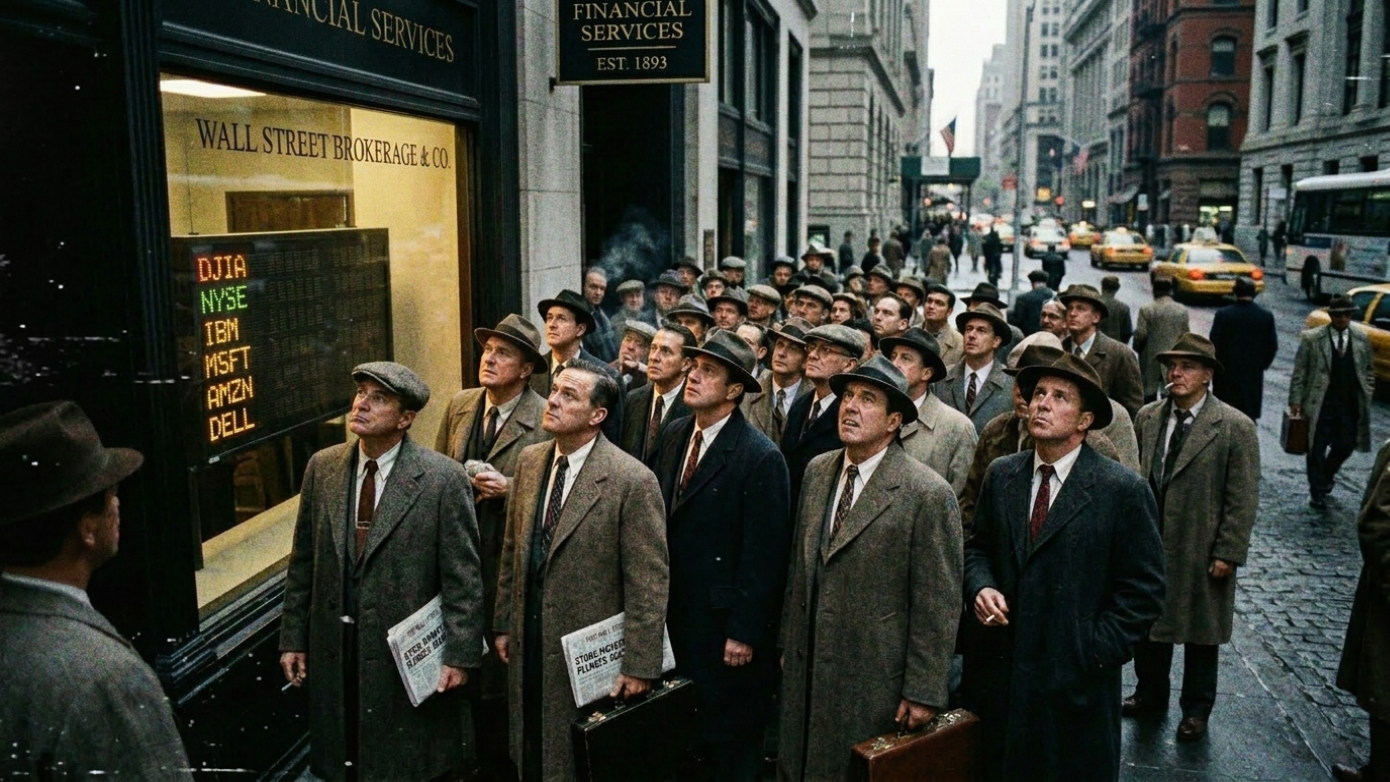
Financial markets often reflect confidence. Yet history shows how quickly fear can spread among investors. The United States has experienced several dramatic stock market panics that reshaped economic thinking and regulation. Some began with speculation. Others followed banking problems or sudden economic shocks. When panic spreads, investors rush to sell assets, liquidity tightens, and prices fall sharply. These moments leave lasting marks on financial institutions and public policy. They also influence how governments respond to crises in later decades. Looking back at major market panics helps explain how modern financial safeguards developed and why investor confidence remains one of the most important forces in any economy.
Panic of 1819

The Panic of 1819 became the young nation’s first major financial crisis. Land speculation and easy credit collapsed suddenly. Banks tightened lending. Farmers and businesses struggled to repay loans. The downturn revealed weaknesses in early American banking systems.
Panic of 1837

The Panic of 1837 followed a rapid economic expansion. Land prices surged and credit flowed easily. When banks restricted lending, confidence weakened quickly. Businesses failed and unemployment increased, creating a prolonged economic slowdown.
Panic of 1873

The Panic of 1873 began after railroad overinvestment strained major financial institutions. A prominent investment bank collapsed, shaking confidence. Investors rushed to withdraw funds. Stock trading halted temporarily as markets struggled to stabilize.
Panic of 1893
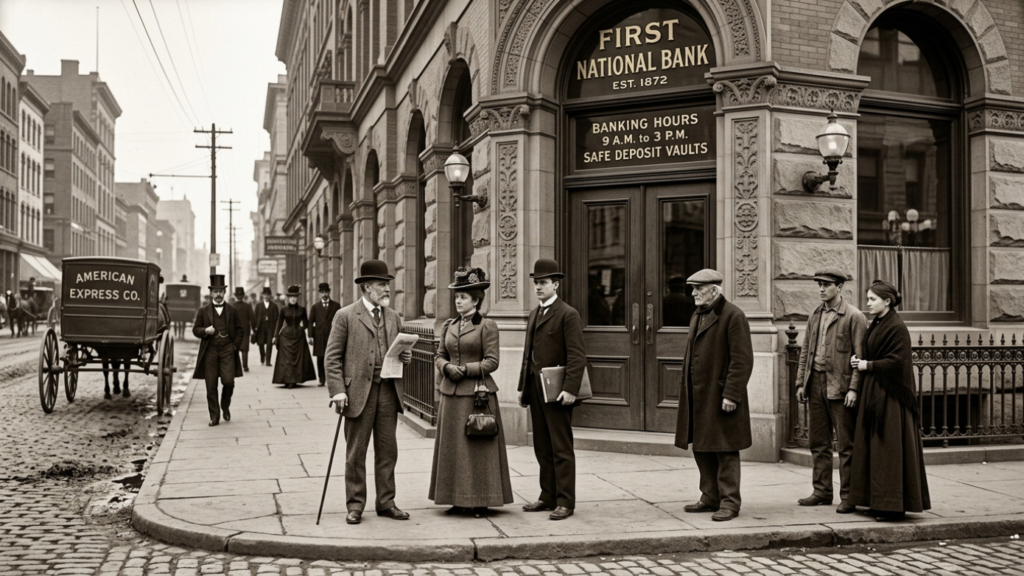
During the Panic of 1893, railroad bankruptcies and falling gold reserves worried investors. Banks failed across the country. Stock prices declined sharply. The crisis deepened economic hardship and triggered a severe national depression.
Panic of 1907
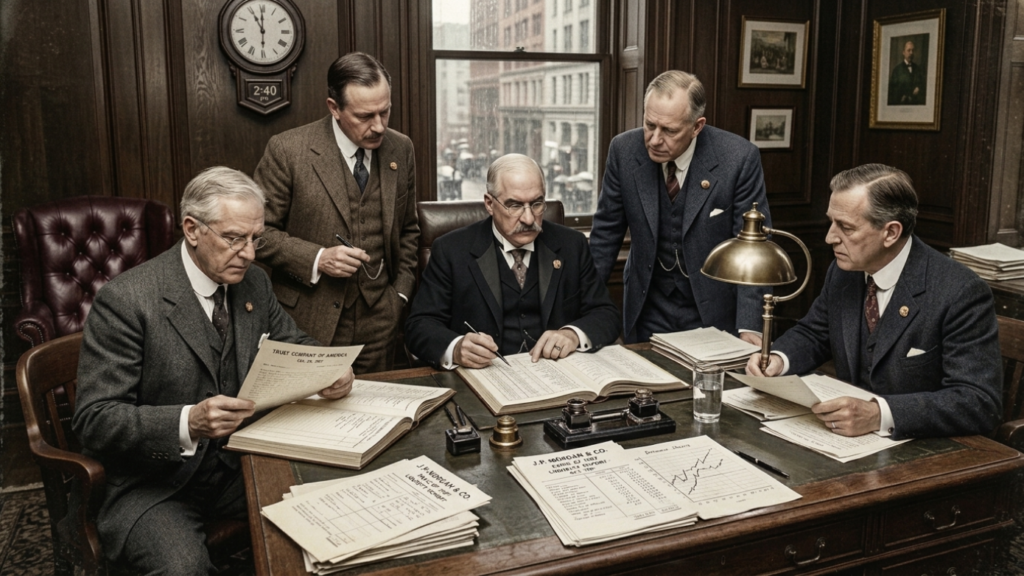
The Panic of 1907 spread after a failed attempt to corner the copper market. Banks and trust companies faced sudden withdrawals. Financial leaders organized emergency support. The crisis later encouraged creation of the Federal Reserve System.
Wall Street Crash of 1929
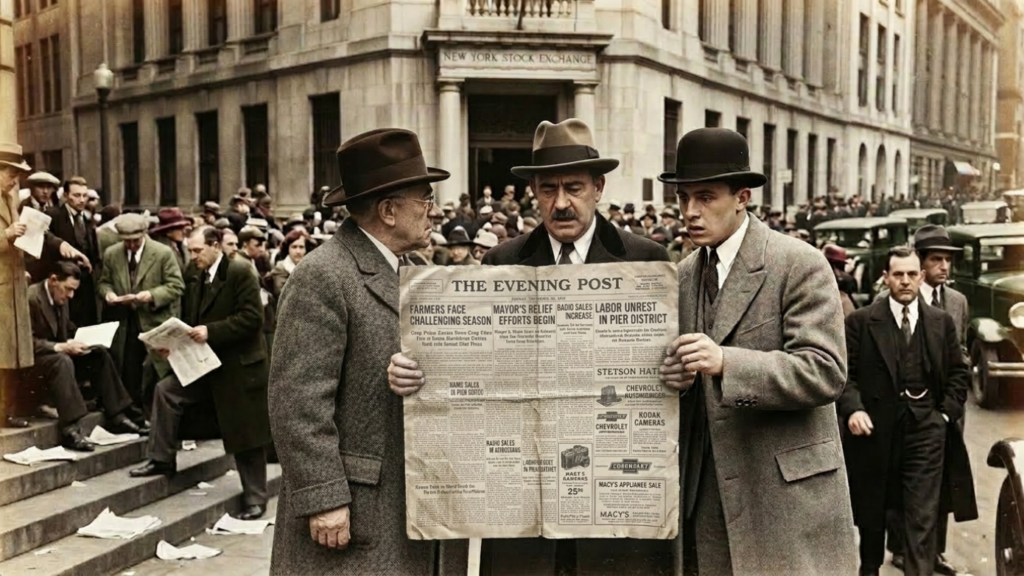
The Wall Street Crash of 1929 remains one of the most famous market collapses. Stock prices had climbed rapidly during the 1920s. Heavy speculation increased risk. When confidence broke, selling accelerated and values dropped dramatically.
Black Monday 1987
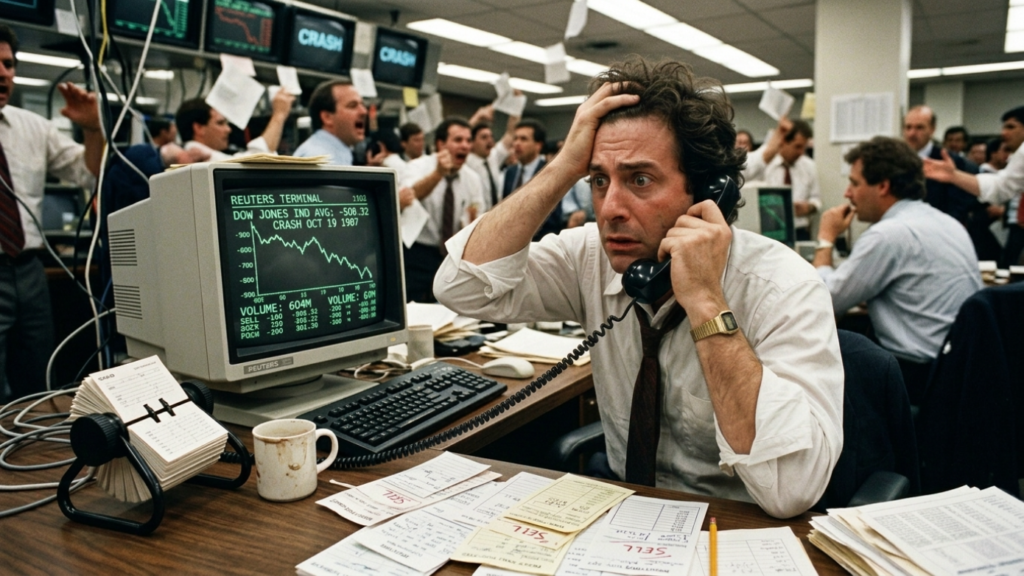
On Black Monday, global markets experienced an abrupt decline. The Dow Jones Industrial Average dropped sharply in a single day. Computerized trading and investor fear amplified the sudden fall in prices.
Dot-Com Crash 2000

The Dot‑Com Bubble Burst followed years of enthusiasm for internet companies. Many technology stocks rose without strong profits. When expectations shifted, valuations fell quickly. Numerous startups closed while investors reconsidered technology investments.
Global Financial Crisis 2008
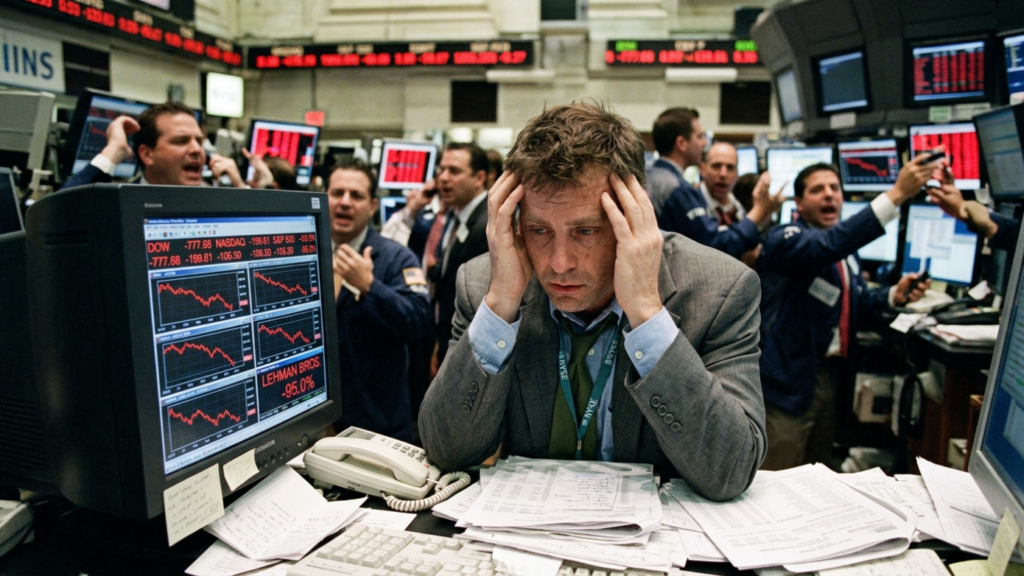
The Global Financial Crisis developed after housing market problems spread through financial institutions. Mortgage-linked investments lost value. Major banks faced severe stress. Governments introduced emergency policies to stabilize markets and restore confidence.
Flash Crash 2010

The 2010 Flash Crash showed how technology could influence markets. Within minutes, stock indexes dropped sharply before recovering. Automated trading systems contributed to rapid swings. Regulators later examined safeguards for electronic trading activity.
COVID-19 Market Panic 2020

During the early months of the COVID‑19 market crash, uncertainty spread across global markets. Investors worried about economic shutdowns and supply disruptions. Stock indexes declined rapidly before policy support and recovery measures helped restore stability.