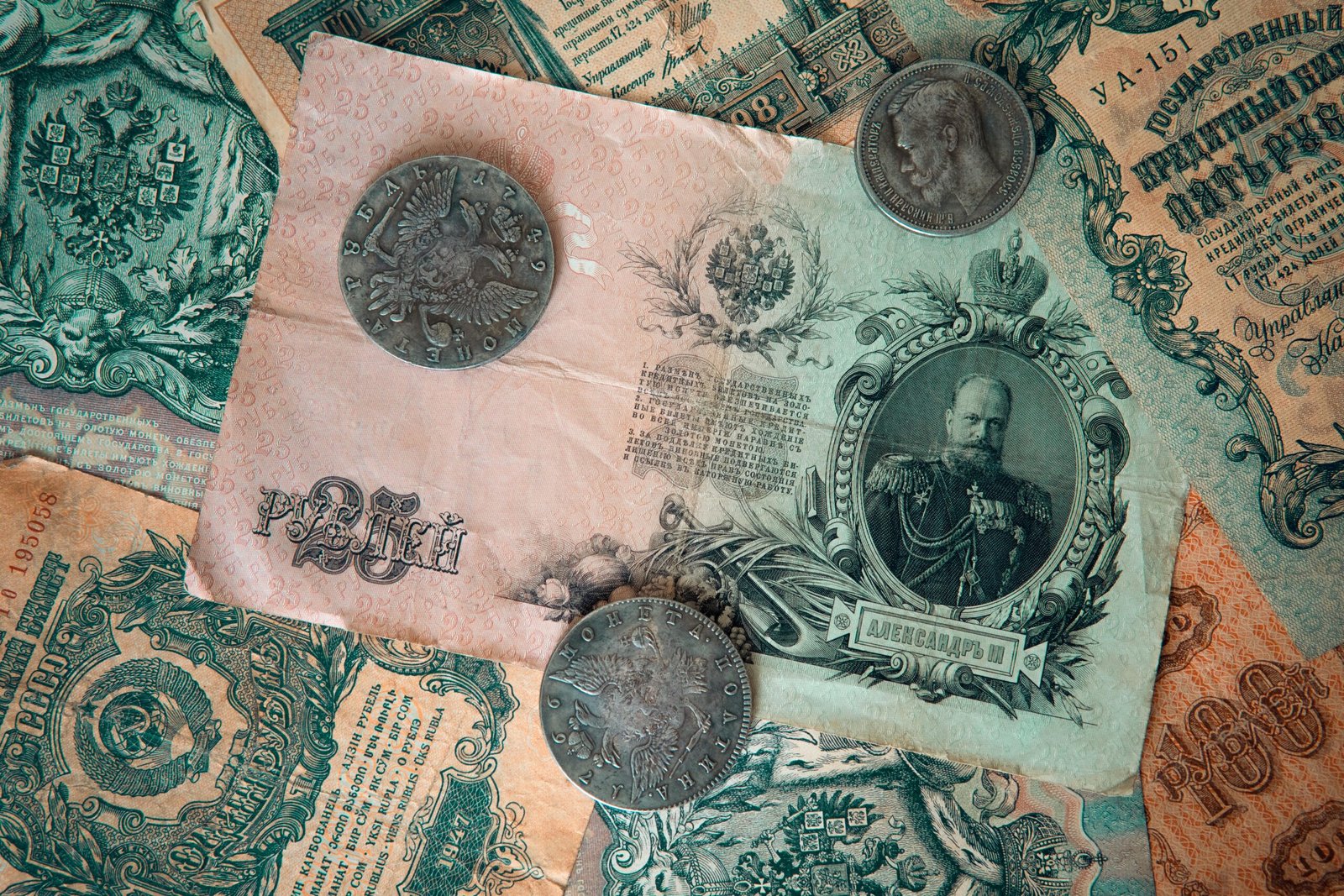
The United States financial system functions like a major film that keeps being remade with different actors because its historical events have high-stakes outcomes. The technology changes, yet people continue to think and act in their usual ways which leads to the same economic cycles of rising and falling markets. People who learn to recognize these economic patterns can understand which way the economy will move because they gain foreknowledge of forthcoming financial downturns.
The “This Time is Different” Trap

Every few decades, a new invention like the internet in the 1990s or digital coins recently convinces people that the old rules of math no longer apply. Investors get excited and spend money on untested concepts while they think they discovered a shortcut which will lead them to financial success.
The Rocket Ship of Easy Credit

History repeats when borrowing money becomes too easy. People take on enormous debt obligations when interest rates reach their lowest point because all borrowers including homebuyers and major companies seek to borrow. The economy creates an artificial state of prosperity which reaches its end point when individuals need to pay their outstanding debts.
Memory Loss of the Next Generation

The major crash happens every 20 to 30 years because a new workforce generation requires this long period to complete their entry. People who never experienced the last “Great Panic” tend to repeat their parents’ risk-taking behavior.
The FOMO Fever

The “Fear of Missing Out” creates intense emotional responses which drive people to take immediate action. The Railway Mania happened in the 1800s, while certain “meme” stocks reached their peak of popularity during 2021. The market becomes attractive to people who see their neighbors obtaining instant wealth because they want to invest their money at the peak market value.
Complexity Camouflage

Financial experts create complex products that no one understands through their creation of complicated financial products which include mortgage bundles that caused the 2008 crisis. The need for simple explanations disappears when things become unmanageable because people then need to face hidden dangers.
The Regulatory Tug-of-War

The government establishes strict regulations after a crash. During the “prosperous period,” companies work to eliminate all regulations so they can increase their earnings. The “deregulation” process establishes a direct path which leads to the development of the upcoming major economic bubble.
Real-Life Example: The Florida Land Boom

In the 1920s, people bought Florida swampland at insane prices, thinking it would all become luxury resorts. The hurricane disaster created a situation which destroyed everything for people who had obtained their “easy money” through the behest of their debt obligations, which became a replica of the housing bubble that appeared 80 years later.
Speculation Over Substance
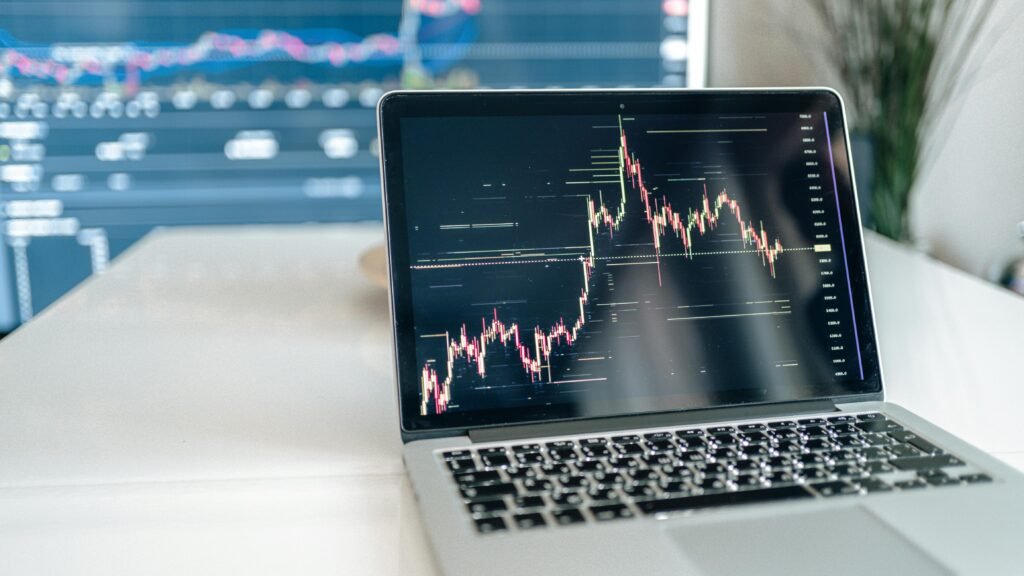
When people stop buying things for their actual value and start buying them just to sell to a “greater fool” for a higher price, the system becomes a house of cards. The Dutch Tulip craze and the Dot-com bubble showed this phenomenon in a clear manner.
Overconfidence in “The Math”
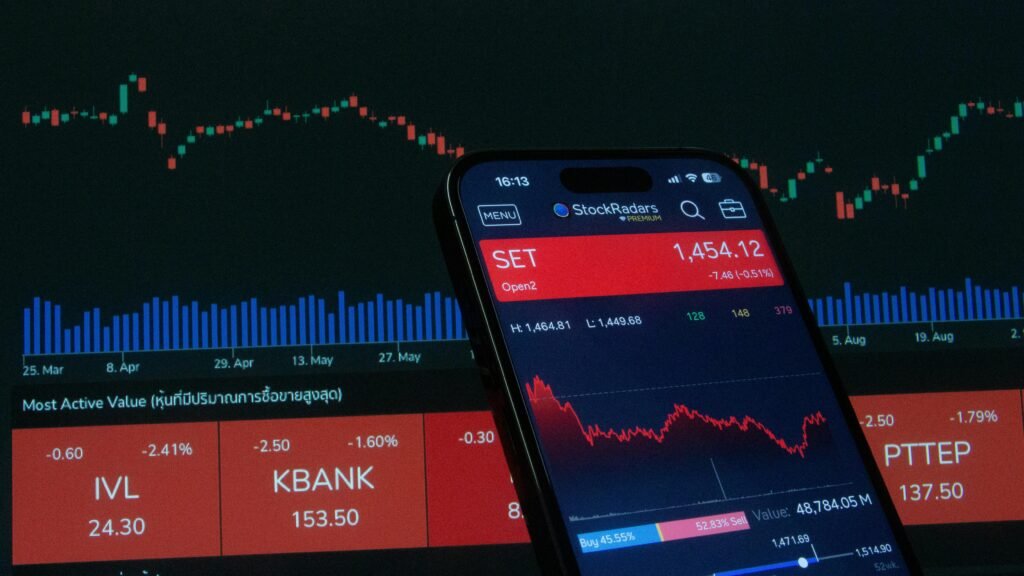
In 1998, a firm called LTCM used “perfect” mathematical models to trade stocks. The traders believed they would win every trade because they had the ability to predict human behavior. The financial institution went bankrupt, which almost led to the complete collapse of the United States banking system.
The Predictable Recovery

The United States economy shows its strongest recovery ability after every economic downturn. Each crash leads to better tech and smarter laws, proving that while we might repeat our mistakes, we also repeat our ability to rebuild bigger and better.