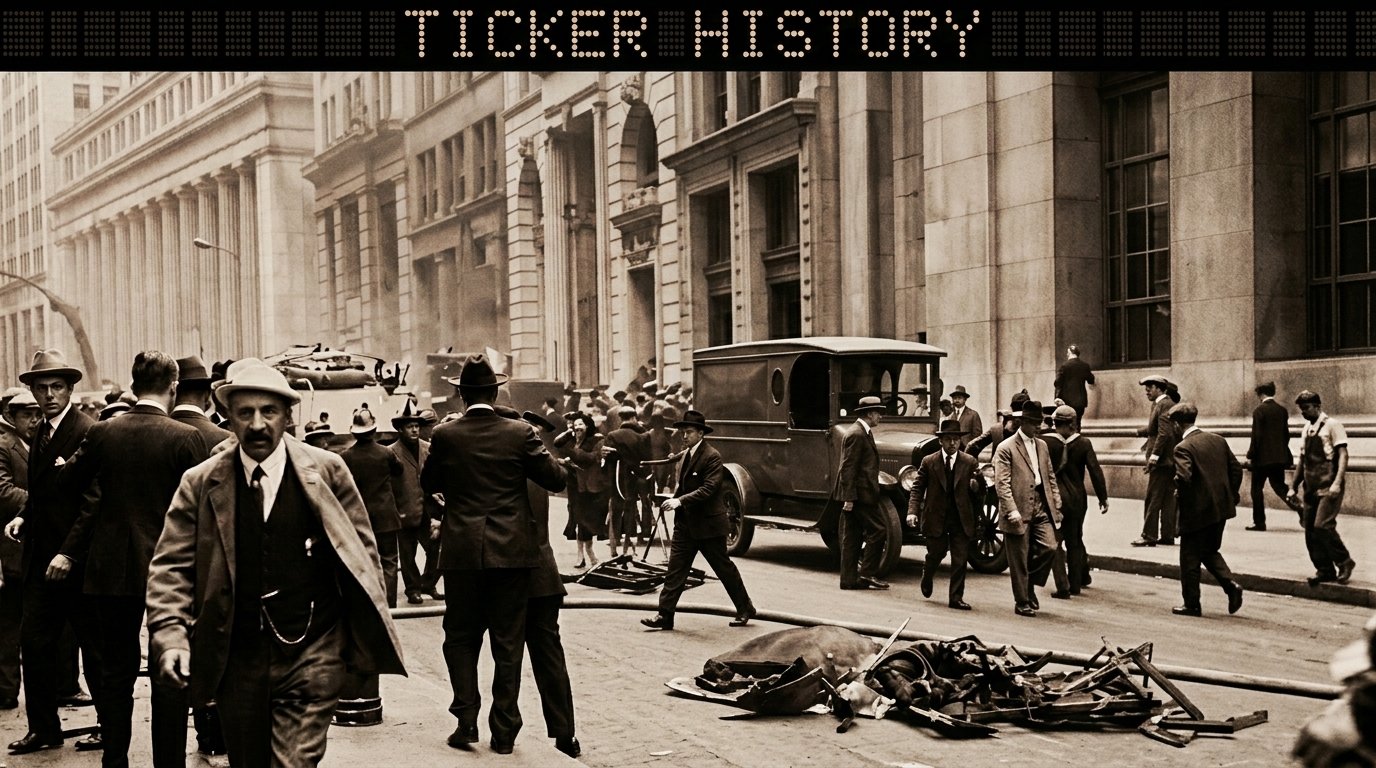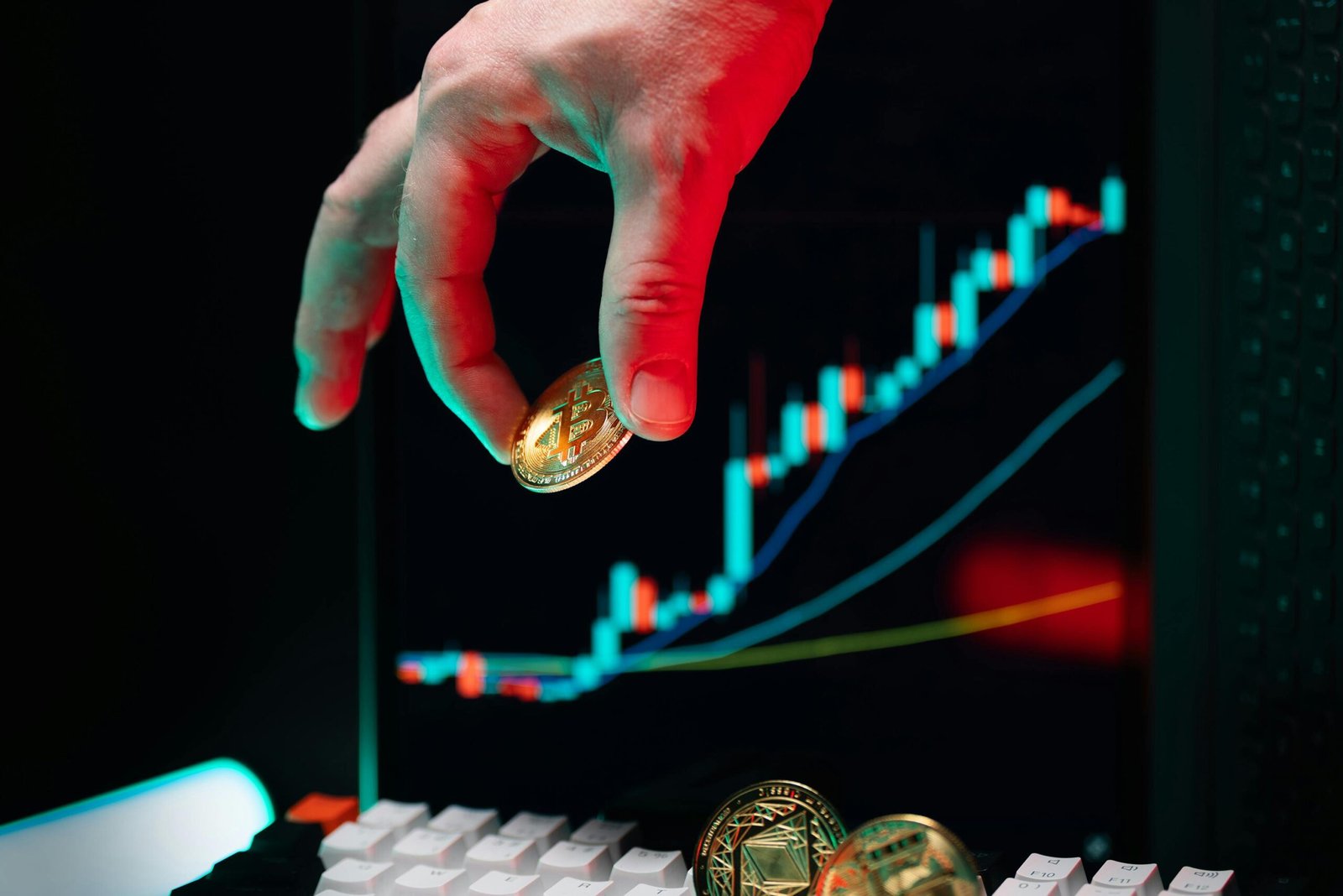
Every time the market hits a new high, somebody inevitably says this time is different and the old rules do not apply anymore. The funny thing is that history shows pretty clearly that the rules basically never change because human greed and fear keep showing up in the exact same patterns. I have been reading a lot about past financial crashes lately, and the parallels to what is happening right now are honestly a little bit creepy. Let us look at what the biggest market crashes in history can teach us about the risks people are quietly taking today.
The Dot Com Bubble and Companies With No Profits
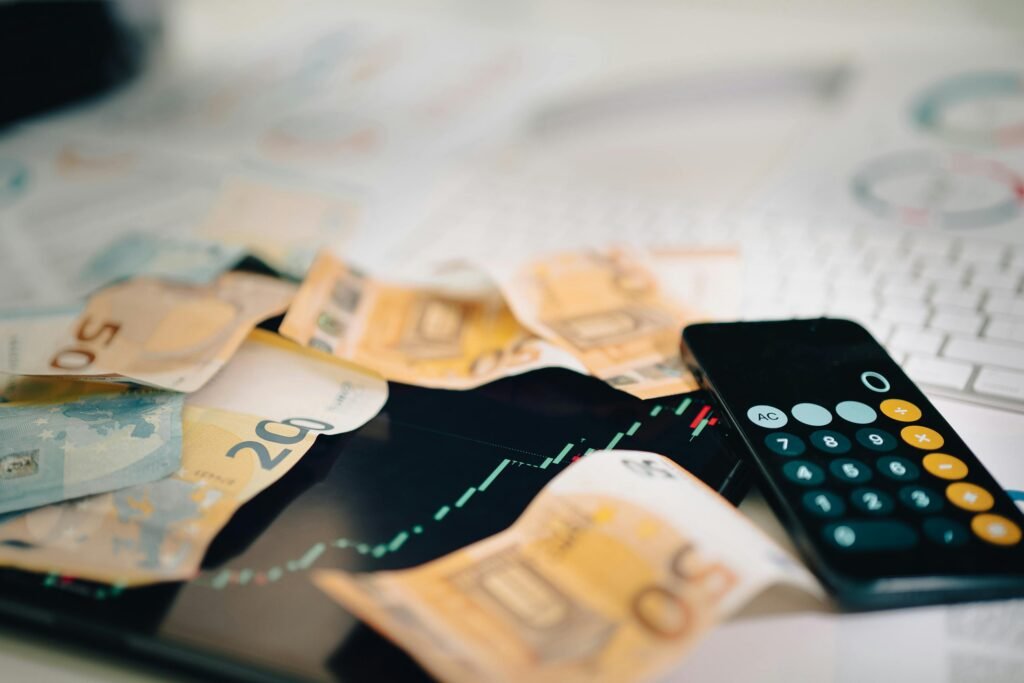
In the late 1990s, investors were throwing money at any company with a dot com in the name even if it had no actual revenue or business plan to back it up. The whole thing crashed in 2000 and wiped out around five trillion dollars, and the lesson here is super relevant when you look at how some AI startups today are getting valued at billions without ever turning a single profit.
The 2008 Crisis and Hidden Leverage in the System

The big banks in the mid 2000s had built these crazy complicated mortgage products that nobody really understood, and the leverage hidden inside them was way bigger than anyone admitted. When the housing market cracked, the whole financial system nearly went down, and right now there are similar warnings about hidden leverage in private credit markets that have grown to over two trillion dollars.
The Tulip Mania of 1637 and Pure Speculation

People in the Netherlands once paid the price of an entire house for a single tulip bulb because they were convinced prices would just keep climbing forever. That whole thing collapsed in a few weeks, and you can honestly see the same pattern playing out today in some of the wilder corners of crypto and meme stocks where people are buying things based purely on hype.
The 1987 Black Monday and Automated Selling

On October 19, 1987, the Dow dropped over twenty two percent in a single day partly because new computer trading programs all started selling at the same time and triggered a chain reaction. Today algorithmic trading and high frequency systems handle the majority of stock trades, which makes a lot of experts pretty nervous about what could happen if those systems all panic at once.
The Japanese Asset Bubble and Believing in a New Era

In the late 1980s, Japanese real estate and stocks shot up so high that the land under the Tokyo Imperial Palace was supposedly worth more than all of California combined. The crash that followed turned into thirty years of basically zero growth, and that should be a real warning to anyone who thinks any single country or asset class has somehow escaped the normal rules of finance.
The Long Term Capital Management Collapse and Hidden Risk

In 1998, a hedge fund run by literal Nobel Prize winning economists nearly took down the entire global financial system because their fancy mathematical models did not account for human panic. The lesson there is that complex models are only as good as their assumptions, which is something to remember when you hear about all the AI driven trading strategies running massive amounts of money today.
The 2020 Pandemic Crash and Fast Recoveries Hiding Real Damage
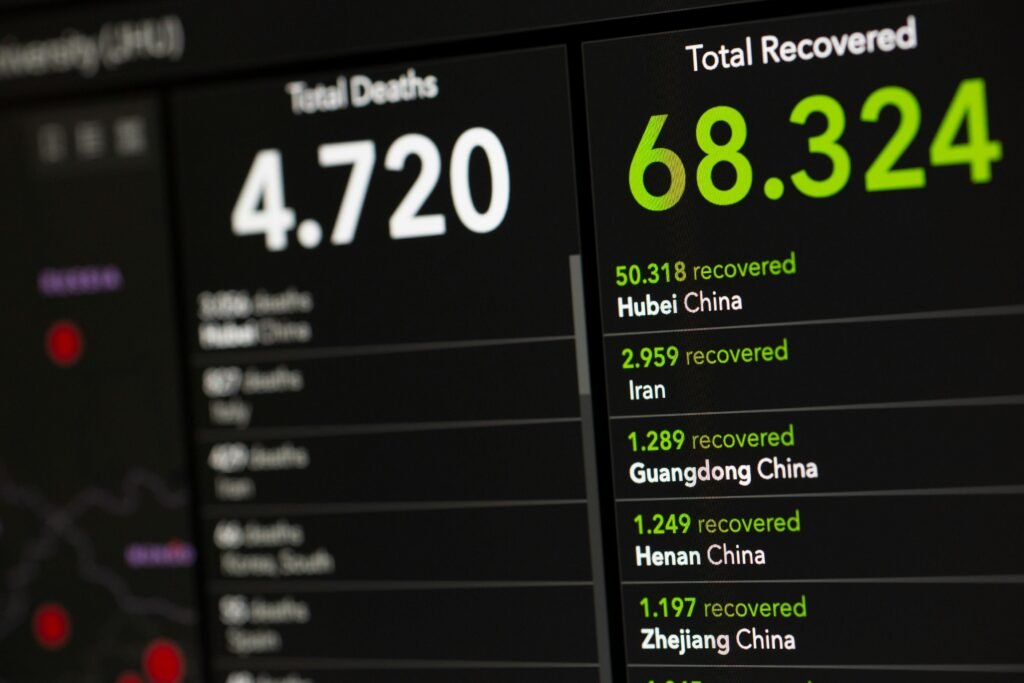
When markets tanked in March 2020 and then bounced back to record highs within months, a lot of folks assumed crashes are now quick events you can just ride out without much pain. But the rapid recovery was mostly fueled by trillions in government stimulus, and we are still dealing with the inflation hangover from all that money printing five years later.
The Common Pattern Across Every Single Bubble
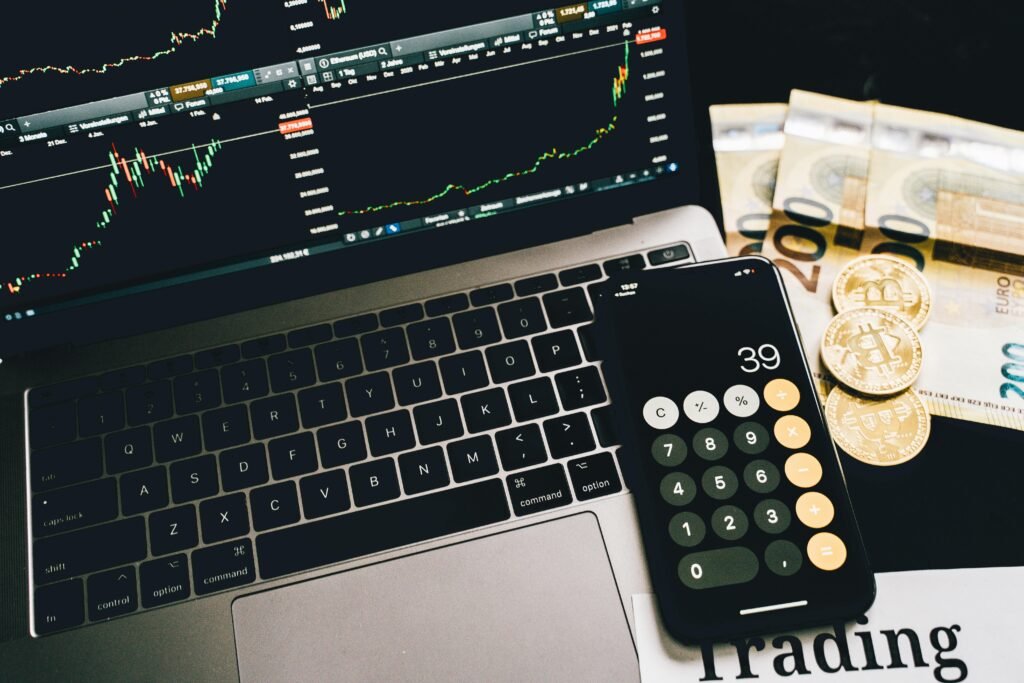
If you look at all these crashes side by side, they pretty much always start with a real innovation or genuinely good idea that gets stretched way past anything that makes sense. The trick is spotting when reasonable optimism has quietly turned into pure greed, and the honest answer is that almost nobody catches it in real time because the party feels way too good to leave.
What This Should Mean for Your Own Money Today

I am not a financial advisor and you should definitely talk to one before making any big moves with your portfolio. But the basic playbook from history is pretty clear, and that means staying diversified, keeping some cash on hand, avoiding leverage you cannot easily pay back, and being super skeptical of anything promising guaranteed returns way above what the boring old market gives you.