I went down a pretty deep rabbit hole on early Wall Street last winter and got completely hooked. The version most of us learn in school skips the weirdest and most human parts of the story. The street was muddy, chaotic, and run by characters way stranger than any modern banker. Here is the stuff I wish someone had told me before I started reading the dry textbook version.
There Was Actually a Real Wall on Wall Street
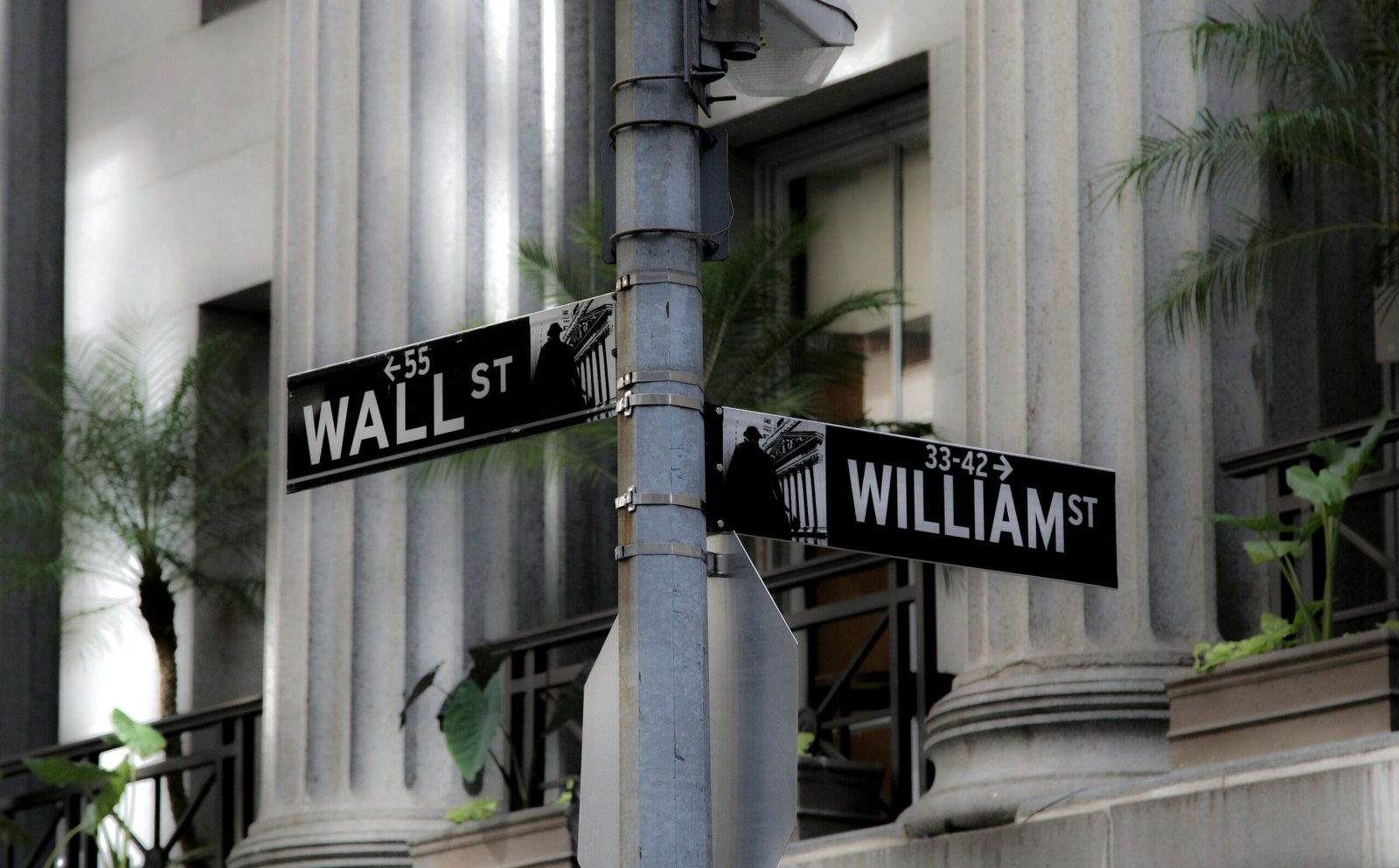
The street is named after a wooden defensive wall built by Dutch settlers in the seventeenth century. It ran across the lower tip of Manhattan to keep out British troops and various raiders. The wall was torn down in 1699, but the name quietly stuck around for the next three centuries.
It All Started Under a Buttonwood Tree
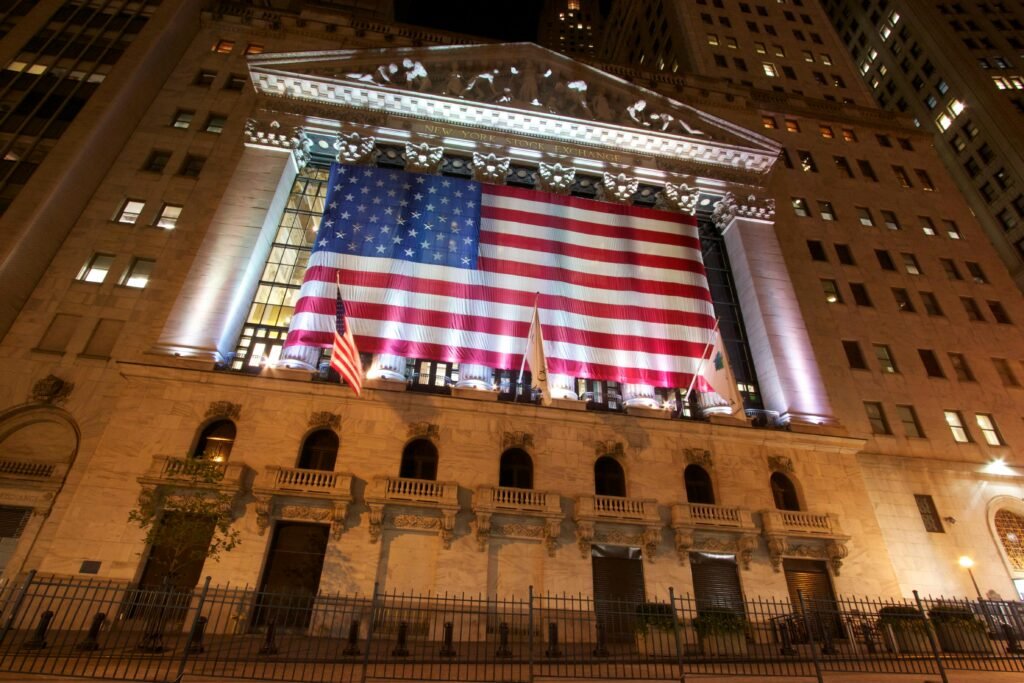
The original deal that became the New York Stock Exchange was signed outside in 1792. Twenty four brokers met under a buttonwood tree to set fixed commissions among themselves. They wrote the whole agreement on a single short paper that fits on one page today.
Coffeehouses Were the First Trading Floors

Before fancy buildings, brokers did most of their business in noisy coffeehouses near the harbor. The Tontine Coffee House was basically the unofficial stock exchange for years before formal venues existed. Deals got shouted across crowded rooms while clerks scribbled trades on scraps of paper.
Slavery Money Funded a Lot of the Early Capital

Many of the first big Wall Street fortunes were tied directly to the slave trade and slave grown cotton. Insurance firms, banks, and shipping houses profited from financing every part of that brutal system. This part of the story rarely makes it into the polished history textbooks.
Pirates and Privateers Were Major Investors

Early Wall Street regularly handled money from privateers who attacked enemy ships with government blessing. The line between a privateer and an outright pirate was honestly pretty blurry most of the time. Their captured loot funded plenty of legitimate looking businesses up and down the street.
The First Major Crash Was Caused by One Wild Speculator

In 1792, a guy named William Duer tried to corner the market on government bonds. His scheme collapsed spectacularly and dragged down banks and small investors all over New York. This panic directly inspired the Buttonwood Agreement just a couple of months later.
Insider Trading Was Basically the Whole Business
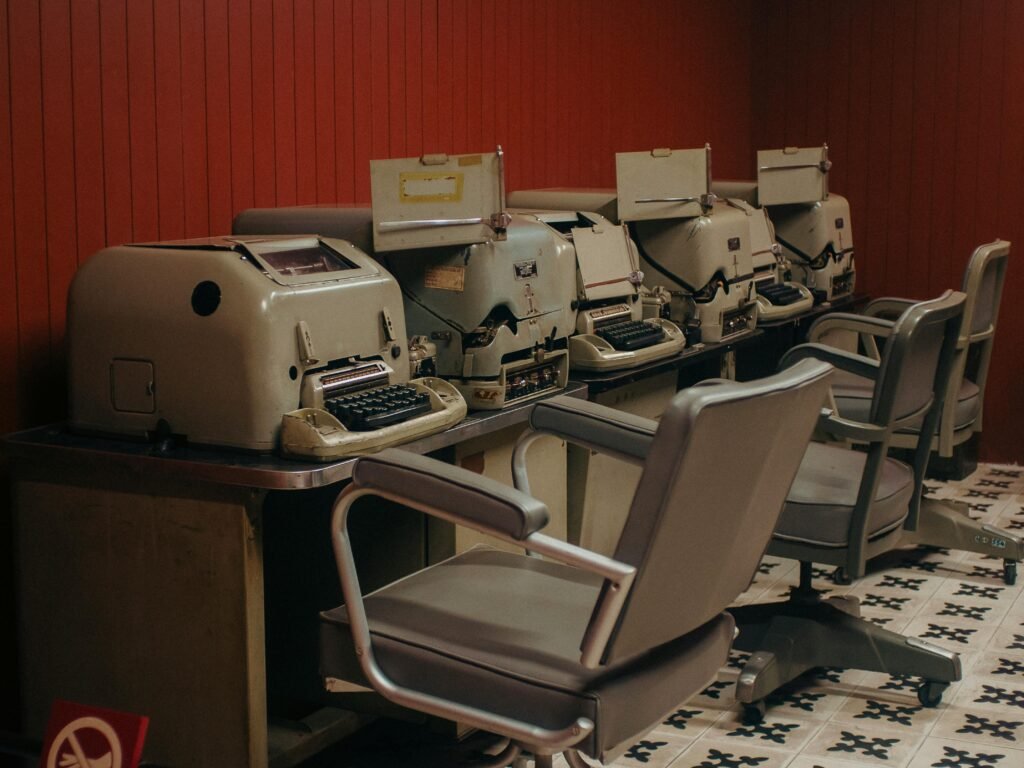
There were no real rules against trading on private information for the first hundred years or so. Brokers openly used political connections and stolen telegrams to front run major news events. The idea that this might be wrong did not really catch on until well into the twentieth century.
The Telegraph Changed Everything Almost Overnight

Before the telegraph arrived in the 1840s, market news traveled at the speed of a fast horse. Suddenly traders in New York knew prices from Boston and Philadelphia within minutes, not days. This single invention probably did more to shape modern markets than any law ever passed.
Robber Barons Openly Manipulated Stocks for Fun
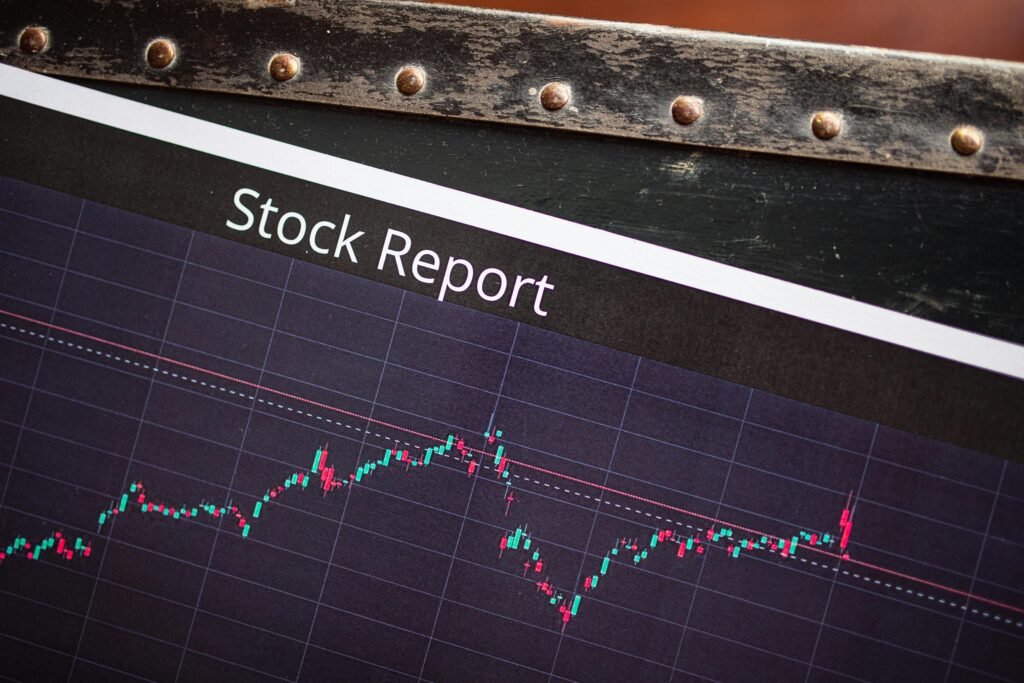
Figures like Jay Gould and Daniel Drew ran corners and bear raids that would land anyone in prison today. They bribed judges, printed fake stock certificates, and crushed rivals with zero pretense of fairness. Their schemes were reported in the papers like sports scores rather than actual crimes.
The Curb Market Traded Outside on the Sidewalk

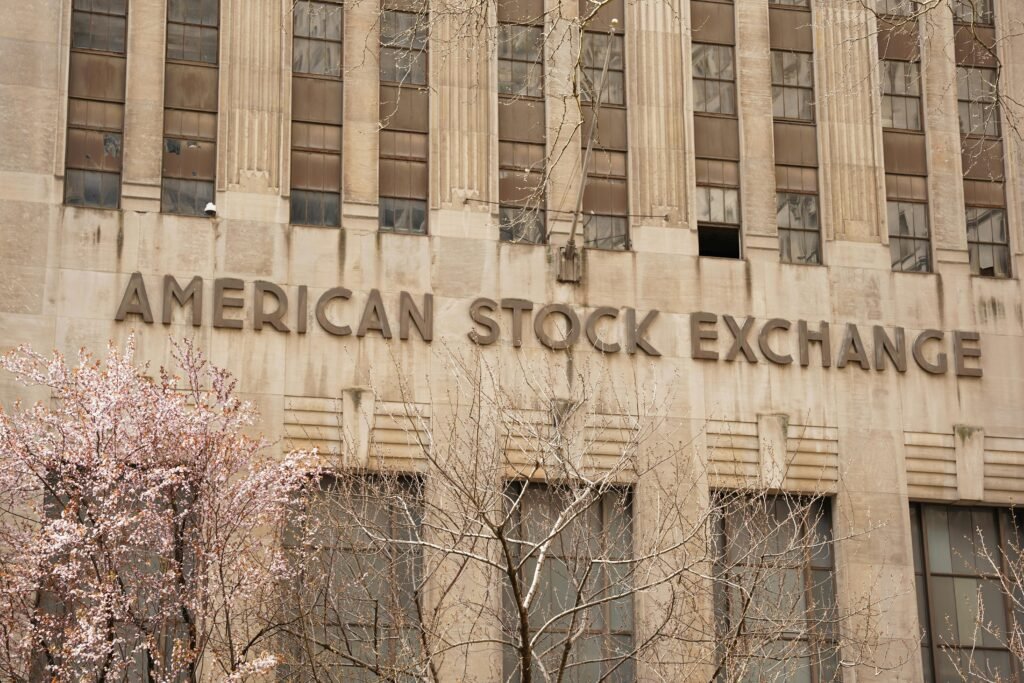
For decades, smaller stocks traded on the actual street curb in front of the main exchange. Brokers shouted bids from the sidewalk while clerks signaled orders from upper floor windows. This open air market eventually moved indoors and became the modern American Stock Exchange.
Women Brokers Existed Way Earlier Than Most People Think

Sisters Victoria Woodhull and Tennessee Claflin opened a brokerage firm on Wall Street in 1870. They were backed by the wealthy financier Cornelius Vanderbilt and made real money in their first year. Most history books skip them entirely or reduce their story to a footnote.
The 1907 Panic Was Stopped by One Man in His Library
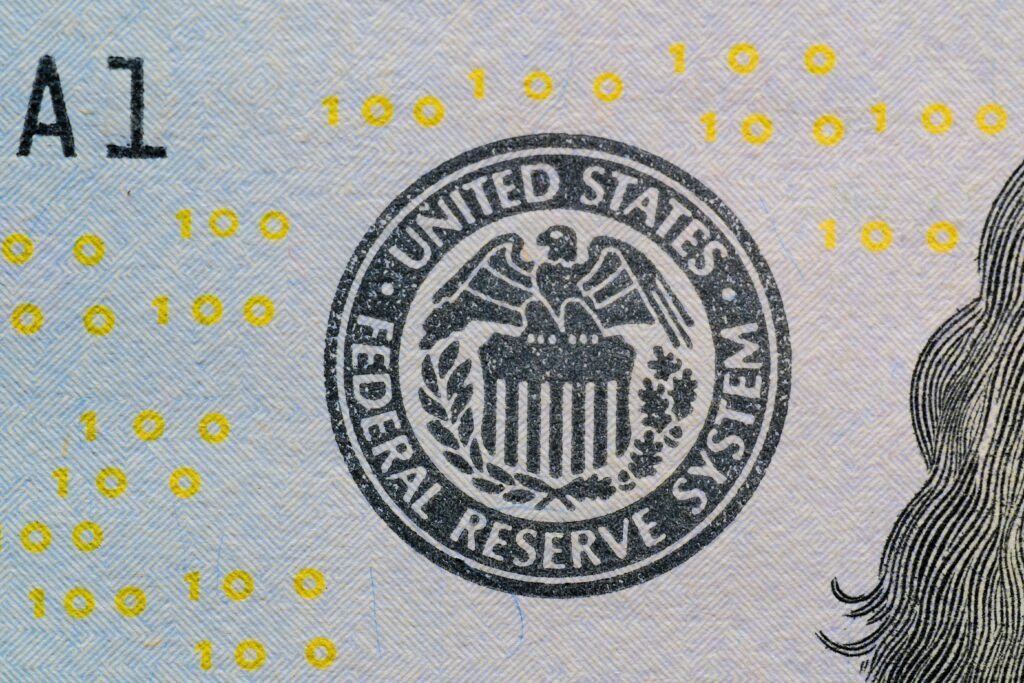
When banks started collapsing in 1907, J P Morgan locked top financiers in his private library overnight. He pressured them into pooling money to backstop the failing banks until the panic eased. This single private rescue eventually pushed Congress to create the Federal Reserve a few years later.